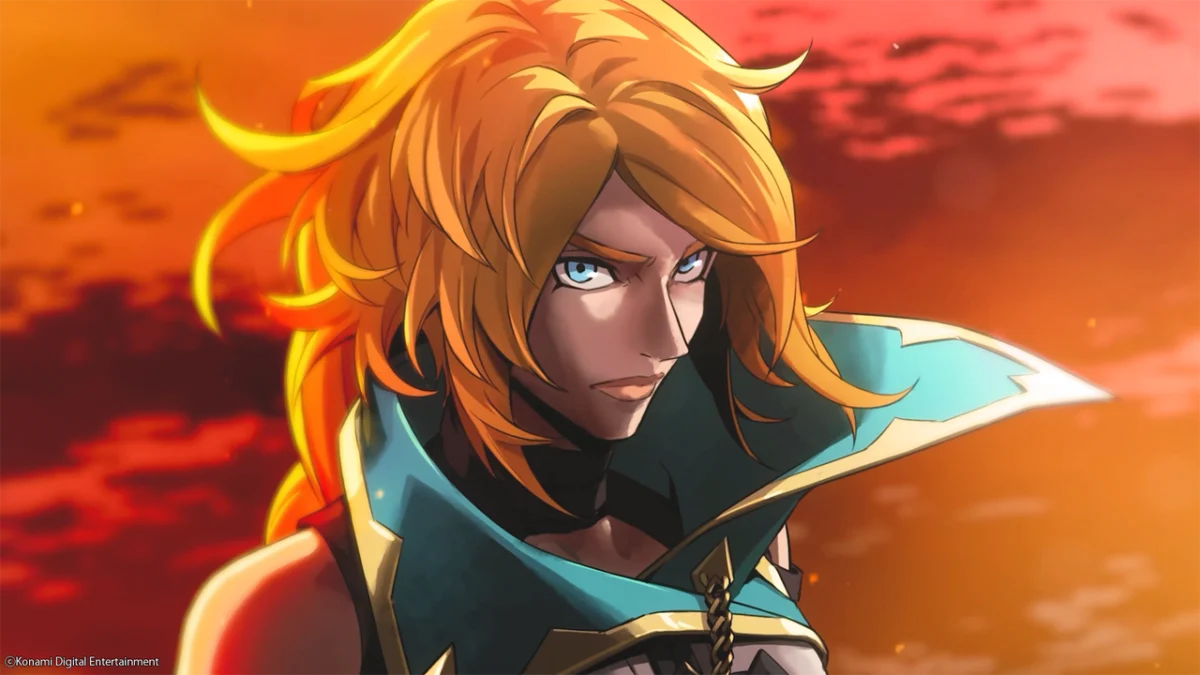
It has been sixteen long years since the Castlevania franchise last graced the gaming world with a traditional 2D entry, the 2008 Nintendo DS classic Castlevania: Order of Ecclesia. In the interim, the "Metroidvania" genre—a sub-genre essentially pioneered by Konami’s own Symphony of the Night—has exploded in popularity, fueled by a wave of innovative indie titles. While fans have been satiated by these spiritual successors, the void left by the Belmont family has been palpable.
As the series approaches its monumental 40th anniversary, Konami has finally decided to break the silence. The publisher has entrusted the future of its storied gothic franchise to Evil Empire, a studio that recently earned its stripes by crafting the critically acclaimed Return to Castlevania expansion for Dead Cells. With the upcoming release of Castlevania: Belmont’s Curse on October 15, the stage is set for what could be the most significant shift in the series’ history.
The Chronology of a Legacy
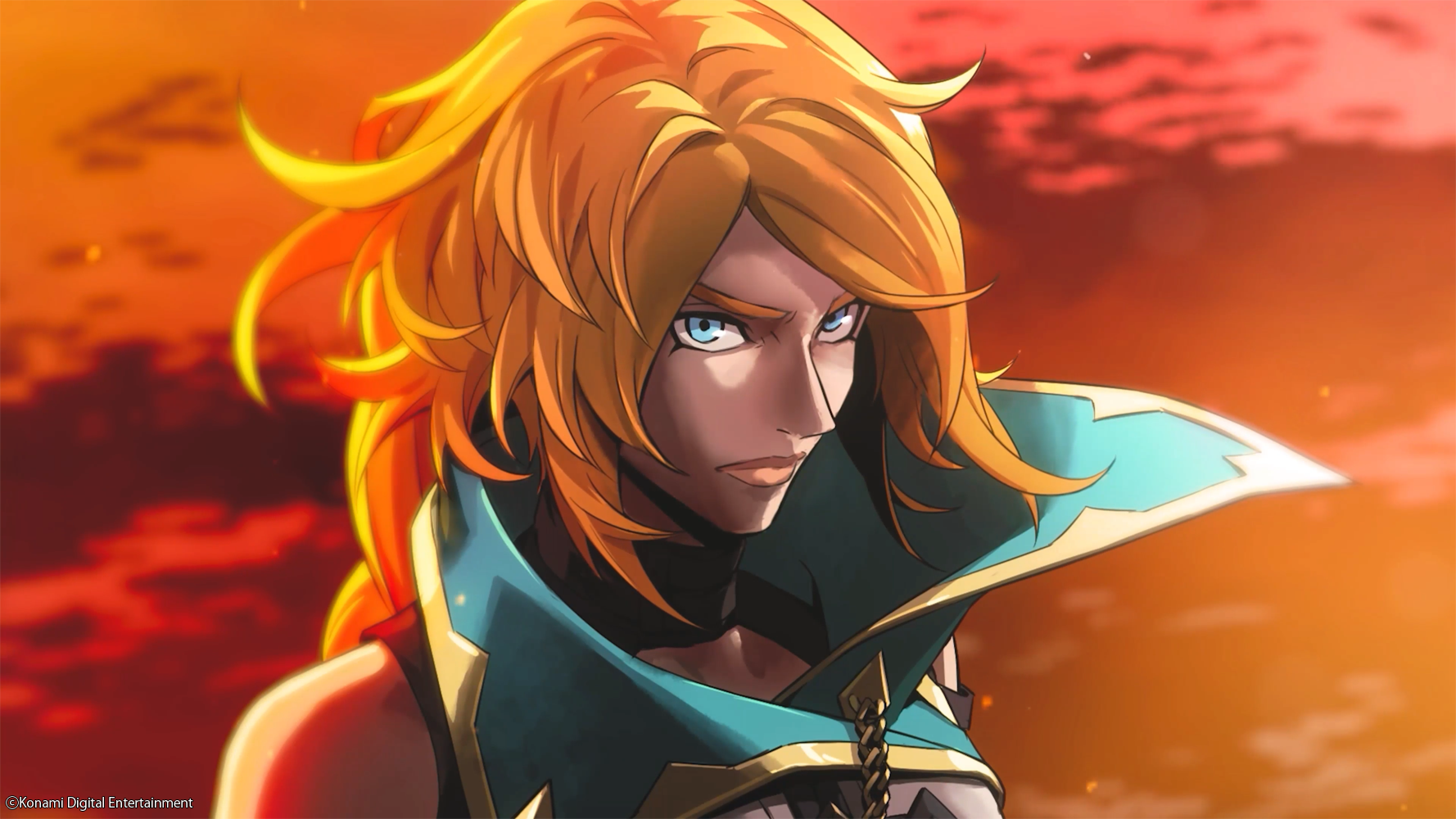
To understand the weight of Belmont’s Curse, one must appreciate the timeline it occupies. The game serves as a narrative bridge, set 23 years after the events of Castlevania III: Dracula’s Curse. While the popular Netflix animated series adapted the story of Trevor Belmont, Belmont’s Curse posits a future where the iconic vampire hunter is now an aging veteran, stepping aside to make way for a new protagonist: his daughter, Rose.
This transition from the familiar, muscle-bound whip-wielders of the past to a more agile, modern protagonist reflects a broader design philosophy. The developers are not merely retelling old stories; they are expanding the lore, shifting the perspective from the battle-hardened veterans to the next generation of the Belmont lineage. This narrative choice provides a fresh entry point for newcomers while offering veterans a poignant look at the passage of time within the franchise’s dark, eternal conflict.
A Stylistic Departure: Moving Beyond Pixels
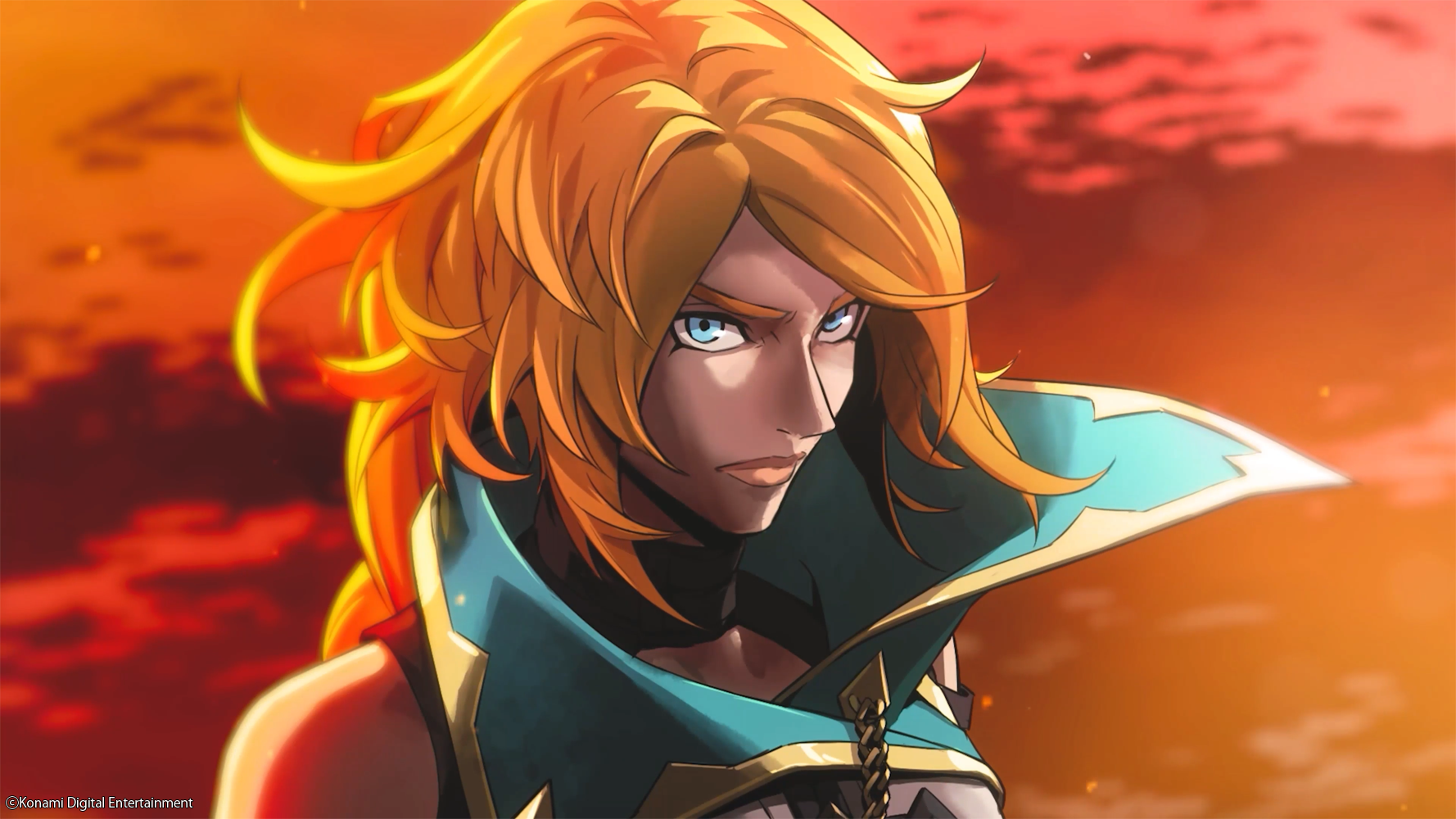
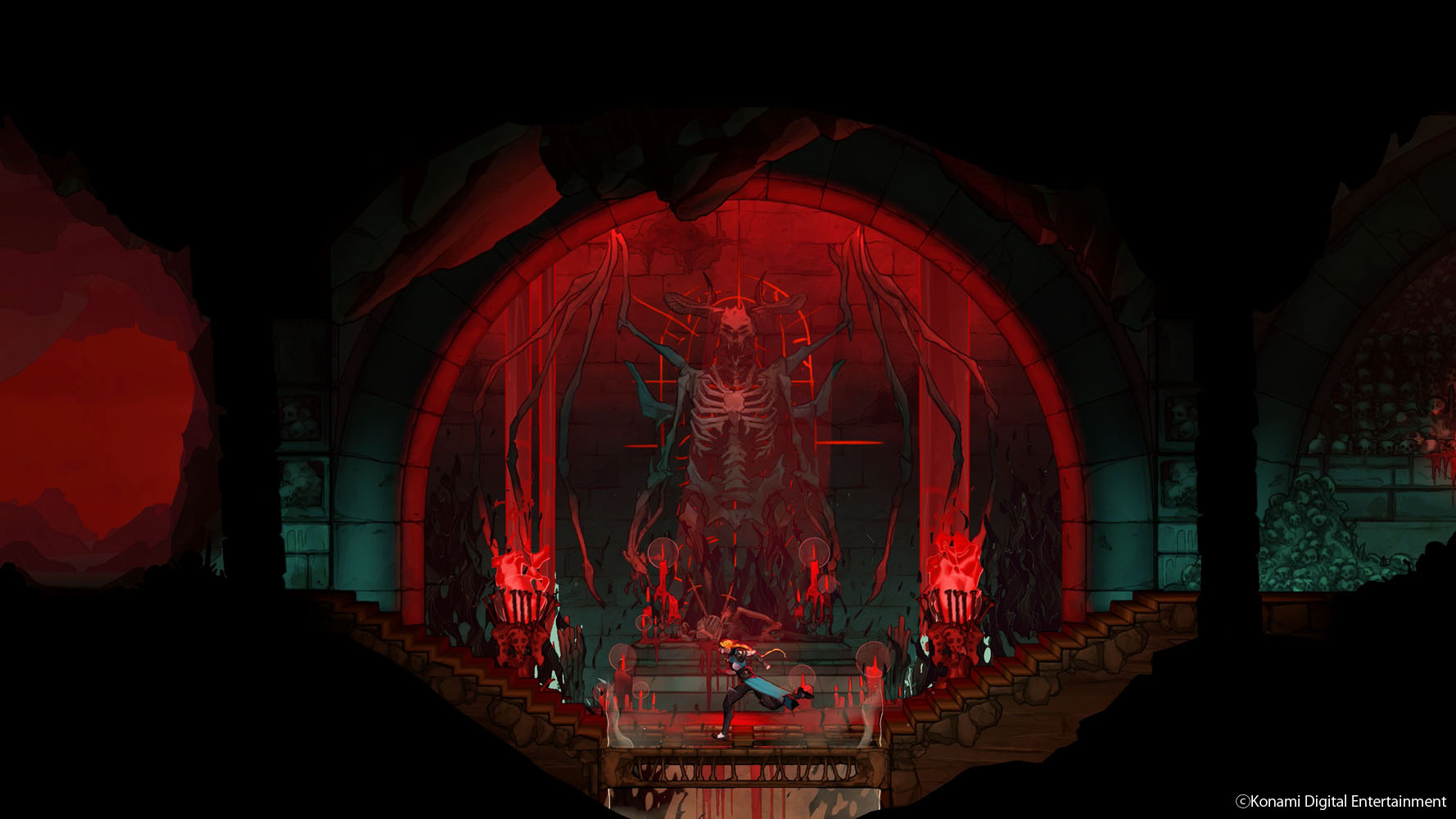
Perhaps the most contentious design choice in Castlevania: Belmont’s Curse is its rejection of the classic 2D pixel art style. For a franchise so deeply rooted in the 8-bit and 16-bit aesthetic, the move to a "painterly" visual style is a bold, albeit divisive, gamble.
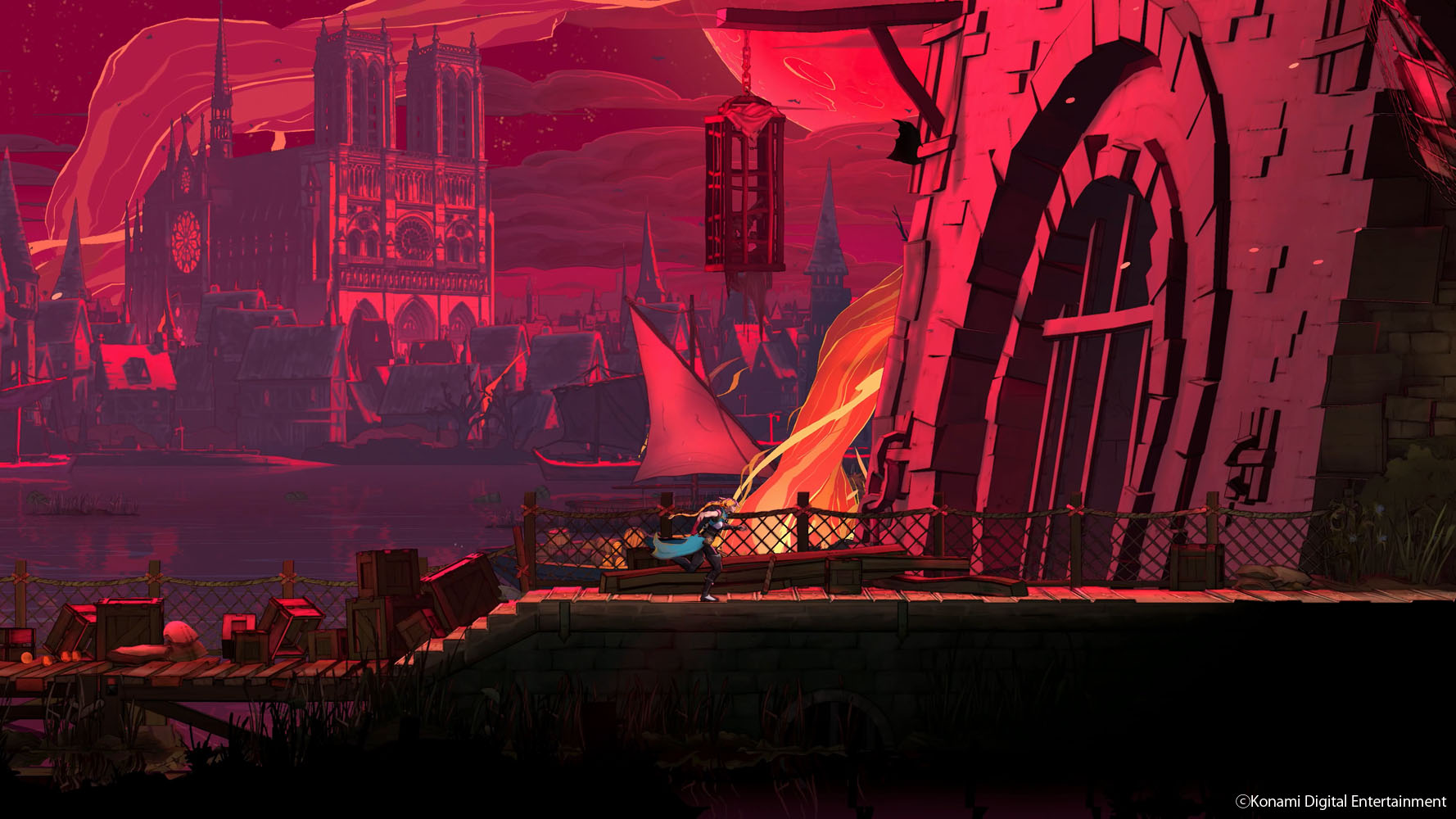
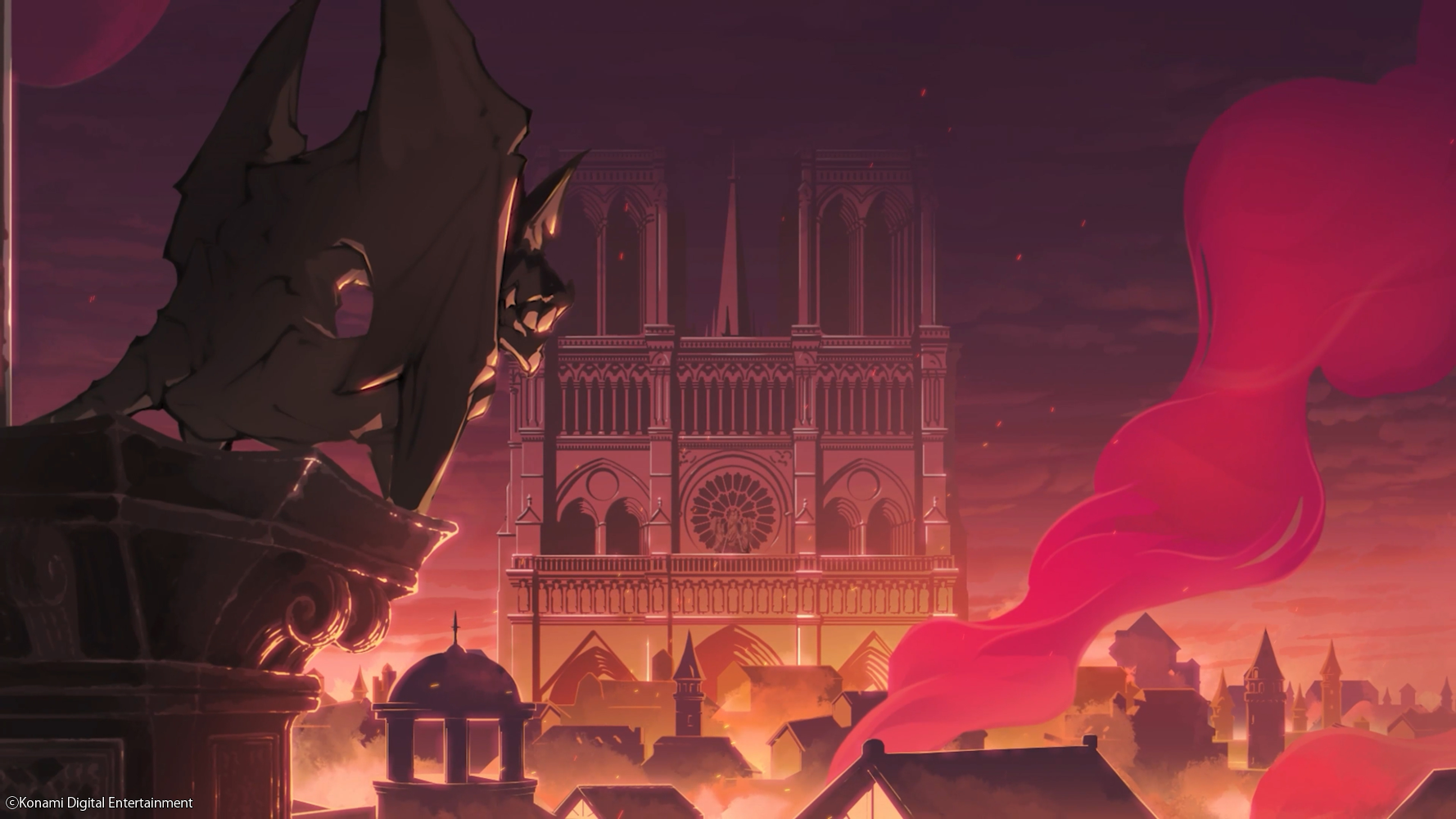
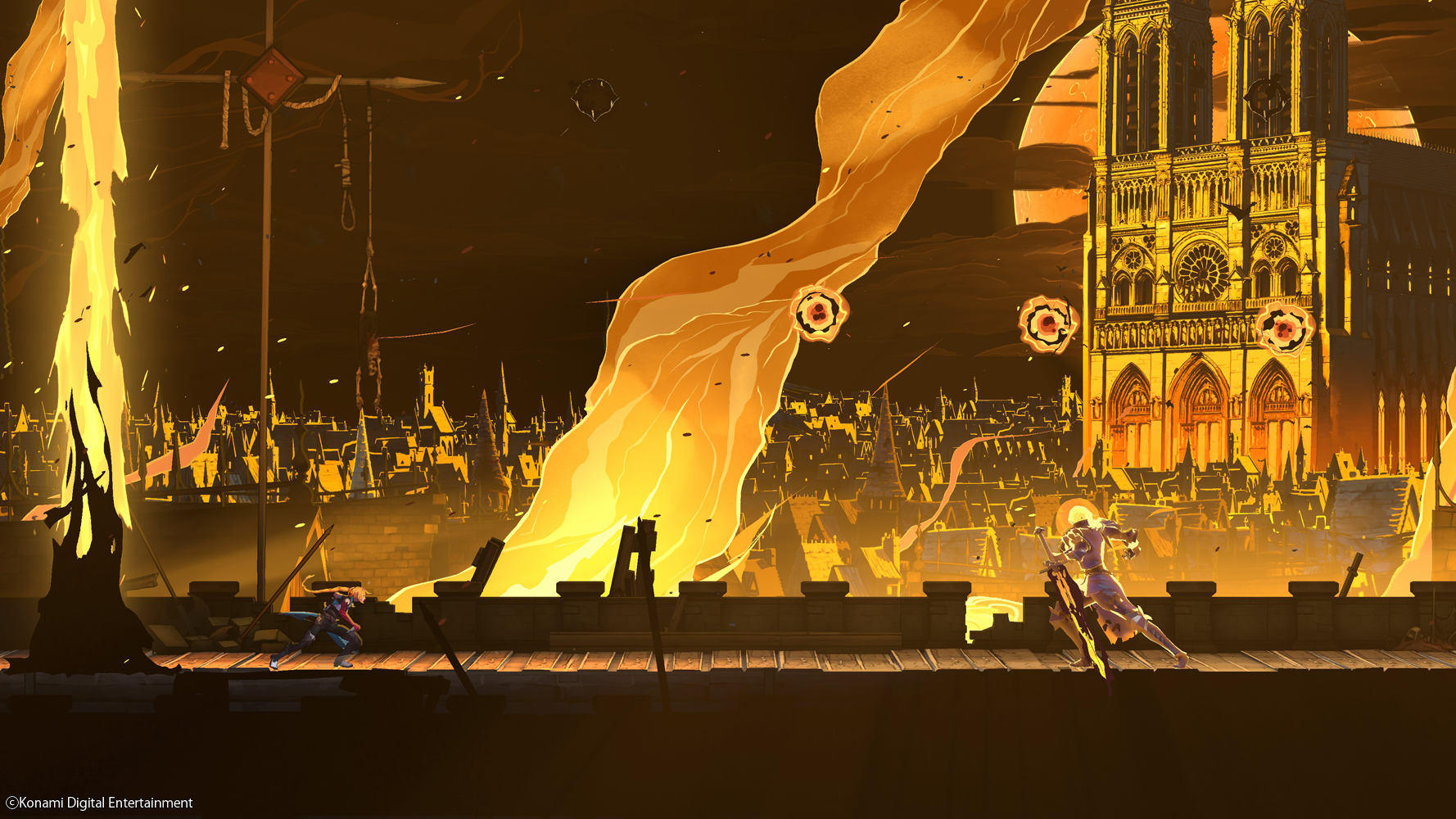
The game eschews the hand-drawn, fluid look of Hollow Knight in favor of an aesthetic that aims to replicate the feel of a high-production 2D animation. From the harrowing, flame-engulfed streets of 1499 Paris to the character portrait illustrations, the art direction is clearly heavily influenced by the aesthetic language of the Netflix animated series. This decision creates a bridge between the mediums, grounding the game in a visual identity that feels both cinematic and rooted in the franchise’s heritage.
The Mechanics of Agility
If the visual style is a leap forward, the gameplay mechanics represent a necessary evolution. One of the most common criticisms of older Castlevania titles was the restrictive "stun lock" and clunky mobility, which, while challenging, often felt punishing by modern standards.
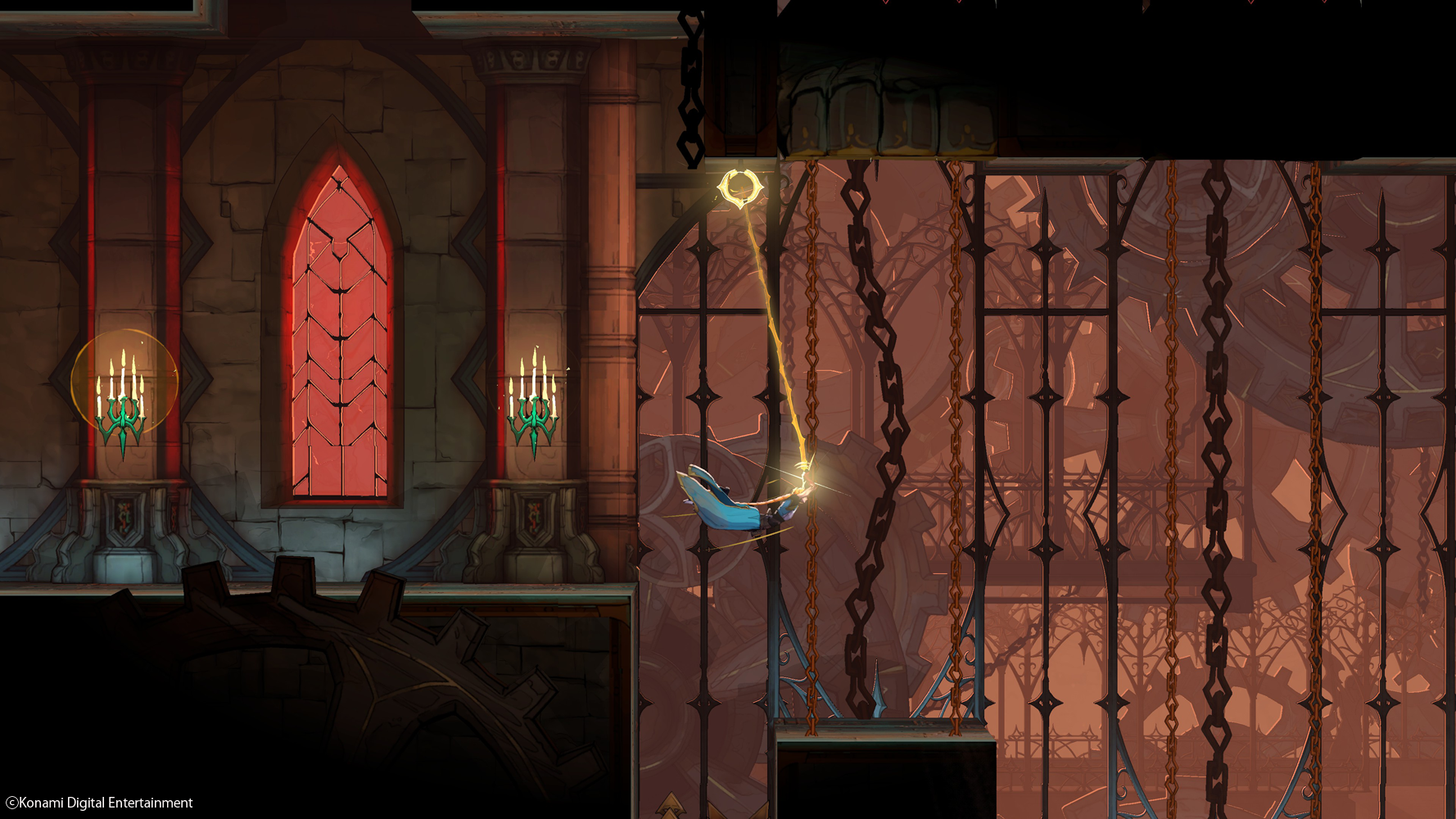
Rose Belmont introduces a new level of verticality and speed. Her movement is characterized by a fluid, high-velocity agility—evident in the way her cape and ponytail animate during a sprint. The inclusion of sliding, wall-jumping, and a revamped use of the Vampire Killer whip as a grappling tool changes the player’s relationship with the environment. The whip is no longer just a weapon; it is an extension of the character’s movement, allowing for dynamic traversal that feels closer to a modern action-platformer than the methodical, stop-and-start pace of the 90s entries.
Systemic Depth: Arcanas and Progression
The progression systems in Belmont’s Curse signal a departure from the unforgiving nature of "Soulslike" titles. While the game retains the challenge expected of the series, it offers a more rewarding loop. Players earn experience points through standard combat, ensuring consistent growth, but the real innovation lies in the "Arcana" system.
Drawing a clear line of inspiration from the Mega Man franchise, boss battles in Belmont’s Curse are not just tests of skill; they are acquisition events. Upon defeating a boss, their essence is sealed into a tarot card. These cards provide powerful, upgradeable magical attacks.
However, the depth goes further: these are not mere power-ups. The tarot cards function as vessels of narrative information. As players use these abilities, they can "bond" with them, unlocking fragments of the boss’s history. By learning the tragic circumstances behind the curse that transformed these beings, the game humanizes the monsters. The inclusion of historical figures like Joan of Arc as bosses adds an extra layer of gravitas, suggesting that the game intends to explore the "why" behind the horror, rather than simply tasking the player with mindless slaughter.
Implications for the Genre
The "Metroidvania" space is currently more saturated than ever. With games like Hollow Knight: Silksong on the horizon and a deluge of high-quality indie titles, Belmont’s Curse enters a crowded market.
By prioritizing agility, fluid animation, and a narrative-driven upgrade system, Evil Empire is clearly aiming to carve out a space that feels distinct from the current crop of punishing, dark-fantasy titles. The hope is that by removing the "curse" of older design constraints, the developers can capture a wider audience that may have been intimidated by the difficulty spikes of the series’ past.
Official Stance and Community Reception
Konami has remained relatively guarded about the game’s broader scope, though the partnership with Evil Empire is being touted as a "perfect match." The studio’s success with the Dead Cells expansion proved they understood the soul of the franchise—its atmosphere, its musical motifs, and its penchant for hidden secrets.
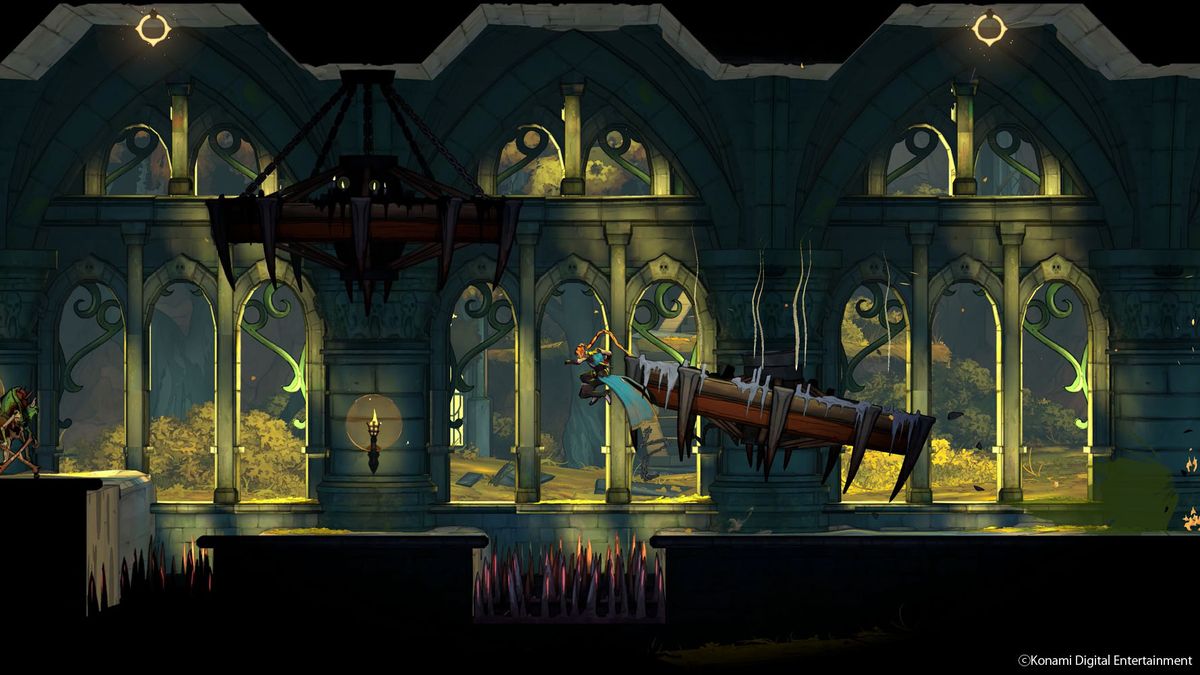
Early impressions from previews at events like Gamescom suggest that while purists may grumble about the lack of pixel art, the actual feel of the gameplay is undeniably "Castlevania." The combat is snappy, the boss encounters are intricate, and the exploration rewards the curious.
Looking Ahead: The October Launch
As the October 15 release date approaches, the excitement is palpable. Castlevania: Belmont’s Curse is set to launch on Nintendo Switch, PlayStation 5, Xbox Series X/S, and PC. This broad availability suggests that Konami is treating this not just as a niche experiment, but as a major tentpole for the franchise’s 40th anniversary.
For a series that has defined the very idea of exploration-based action for four decades, the pressure to deliver is immense. Whether Belmont’s Curse can successfully blend the nostalgia of the past with the design sensibilities of the future remains to be seen. However, if the first few hours are any indication, the franchise is not just waking from a long slumber; it is evolving into something entirely new.
The curse of the vampire hunter has long been the tragedy of the bloodline. With Rose Belmont, we may finally see a story that focuses on the strength of the next generation to break that cycle. For fans, this return to the streets of 1499 Paris, filled with mythical foes and the promise of a deeper, more human story, feels less like a burden and more like a long-overdue blessing.