

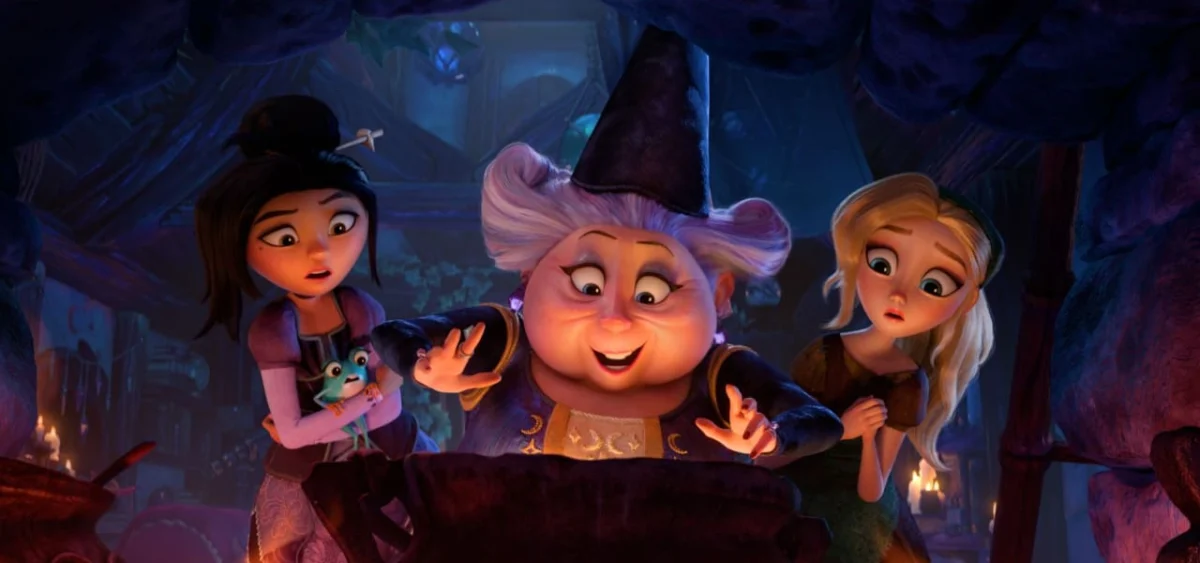
In a decisive move that underscores the rapidly shifting landscape of labor relations in the entertainment industry, production workers at Netflix Animation Studios (NAS) have officially ratified their first union contract with The Animation Guild (TAG). This milestone, which passed with a resounding 89% majority, marks a significant victory for the "production side" of the animation industry, an area that has historically been less organized than the creative and artistic departments.
The agreement covers feature production staff at the studio’s Burbank facilities, providing long-awaited structural protections, wage floors, and job security for the personnel responsible for keeping massive animated projects on schedule and under budget.
The Foundation: From Organizing to Ratification
The road to this historic contract began in 2023, as production workers at Netflix—faced with the industry-wide volatility of project cancellations and shifting studio priorities—began the arduous process of organizing. Following a successful NLRB election at the close of last year, the win was formally announced in January 2026.
The bargaining process itself was notably streamlined, taking place over an intensive two-week period earlier this month. Unlike many first-contract negotiations that drag on for months or even years, union representatives and Netflix management maintained a surprisingly collaborative tone. This efficiency suggests a maturing relationship between major streaming studios and the labor unions representing their non-creative production staff.
Chronology of the Organizing Drive
To understand the significance of this deal, one must look at the timeline of the broader animation labor movement:
- 2021–2022: A surge of interest in unionization spreads across the major studios, with production management workers at Disney and Nickelodeon leading the charge.
- 2023: Netflix Animation production staff formally begin their internal organizing campaign, citing a desire for career sustainability.
- December 2025: An NLRB election is conducted, resulting in a successful vote for union recognition under The Animation Guild.
- January 2026: The union victory is publicly announced, triggering the formal preparation for contract negotiations.
- May 2026: A two-week intensive bargaining window results in a tentative agreement.
- May 29, 2026: The contract is overwhelmingly ratified by the membership with 89% support.
Key Gains: Setting a New "High Watermark"
The contract is being hailed as a major win, particularly regarding the compensation of entry-level workers. According to TAG, the agreement establishes the highest pay rates for Production Assistants (PAs) ever seen in a TAG production agreement.
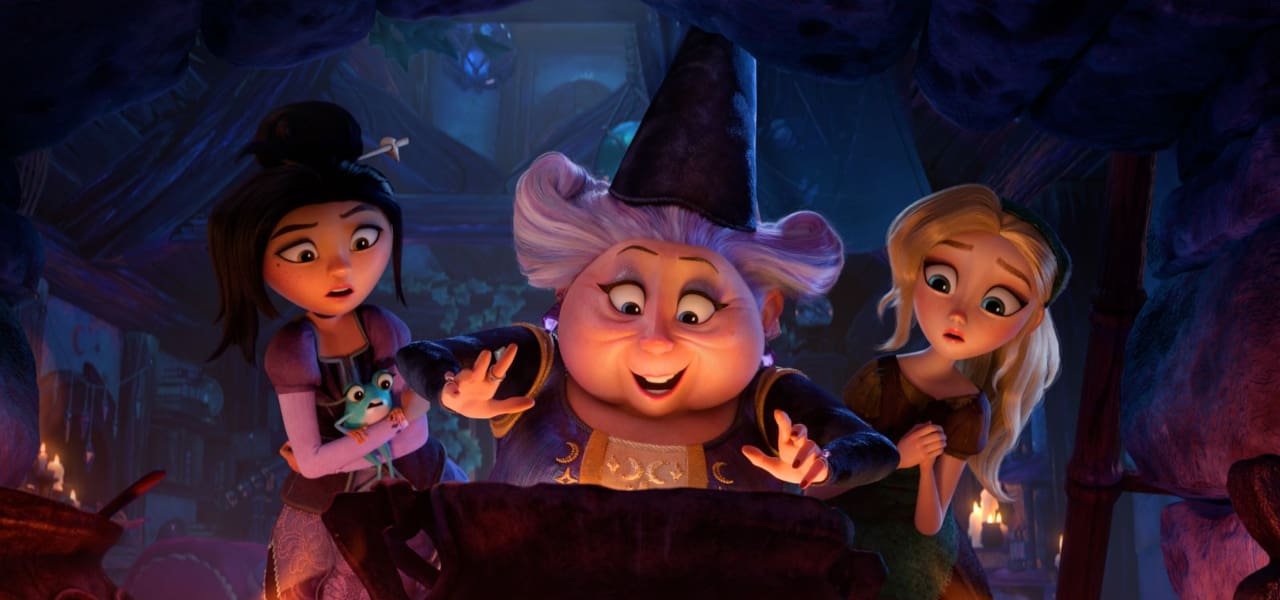
In addition to the wage minimums, the contract addresses several core concerns that have plagued production workers for decades:
- Wage Floors: Establishing standardized pay scales to prevent pay inequity and ensure competitive compensation.
- Dismissal Pay: Creating a safety net for workers who face sudden layoffs due to project restructuring—a common occurrence in the streaming-heavy production model.
- Workplace Protections: Formalizing grievance procedures and workplace safety standards, ensuring that production staff have the same institutional support as their artist counterparts.
TAG organizer Allison Smartt highlighted that these wins are not isolated successes but part of a cumulative effort. "Every production group to negotiate has built upon the foundation of those that came before them," Smartt noted. "In just five years since we organized the first group of animation production workers, this rate sets the highest bar yet."
Official Perspectives: The Collaborative Tone
The negotiation process was described by union representatives as a "pragmatic" endeavor. Chaz Carroll, the assistant business representative for TAG, emphasized that the goal was not to engage in a stalemate but to move the needle for the workers as effectively as possible.
"The NAS agreement showcases what can be done when two sides come to the negotiation table with the sole purpose of getting a deal done," Carroll stated. He acknowledged the reality of collective bargaining: "Did they get everything they wanted? No, but they got the best deal possible and didn’t leave the table until Netflix addressed the unit’s priorities."
The sentiment from the studio side, while less public, is reflected in the speed at which the deal was reached. By engaging in a two-week sprint to finalize the contract, Netflix signaled a willingness to stabilize its production workforce, likely aiming to retain top-tier talent in an increasingly competitive animation market.
Implications for the Animation Industry
The ratification at Netflix is not a standalone event; it is a signal of a broader structural change in Hollywood. For years, "production management"—which includes production assistants, coordinators, and managers—were considered the "glue" of the studio but were often treated as expendable contractors. The success at Netflix, following similar wins at DreamWorks, Disney, and Nickelodeon, suggests that the "production side" is now a permanent fixture of the unionized animation landscape.
.png)
A Domino Effect
The ripple effects of this contract are likely to be felt across the entire industry. As studios compete for labor, the standards set at Netflix—specifically the high PA pay rates—create a new competitive baseline. Other studios that have not yet unionized their production staff may find it increasingly difficult to attract and retain talent without offering similar protections and salary structures.
Addressing Industry Instability
The workers involved in the campaign were candid about the motivations behind their push for a contract. Years of instability, punctuated by the "streaming wars" that saw projects greenlit and canceled with little warning, left many workers feeling untethered. By securing contractual language around layoffs and project turnover, these workers have managed to institutionalize a measure of security that was previously impossible in a freelance-heavy environment.
The Evolution of TAG
The Animation Guild, long known primarily for representing artists and animators, has undergone a radical transformation. By successfully integrating production management into their bargaining units, the union has expanded its leverage. This diversification of the workforce within the union allows for a more unified front when negotiating with conglomerates that control both the creative and the logistics side of animation.
Conclusion: A Template for the Future
The Netflix-TAG contract represents a maturation of the animation industry’s labor movement. It moves away from the confrontational "us-versus-them" rhetoric of the past and toward a model of collaborative negotiation that results in tangible, high-standard improvements for workers.
As the industry moves into the latter half of the decade, the focus will likely shift from initial unionization to the enforcement of these contracts and the continued expansion of labor protections. For the production workers at Netflix, the fight is no longer about gaining a seat at the table—it is about ensuring that the table remains a place where their careers can be built, sustained, and respected.
This contract is a testament to the power of organized labor to adapt to the realities of the digital streaming age, proving that even in a sector defined by rapid change, worker solidarity remains the most effective tool for long-term stability.









No comments yet. Be the first to join the conversation!