

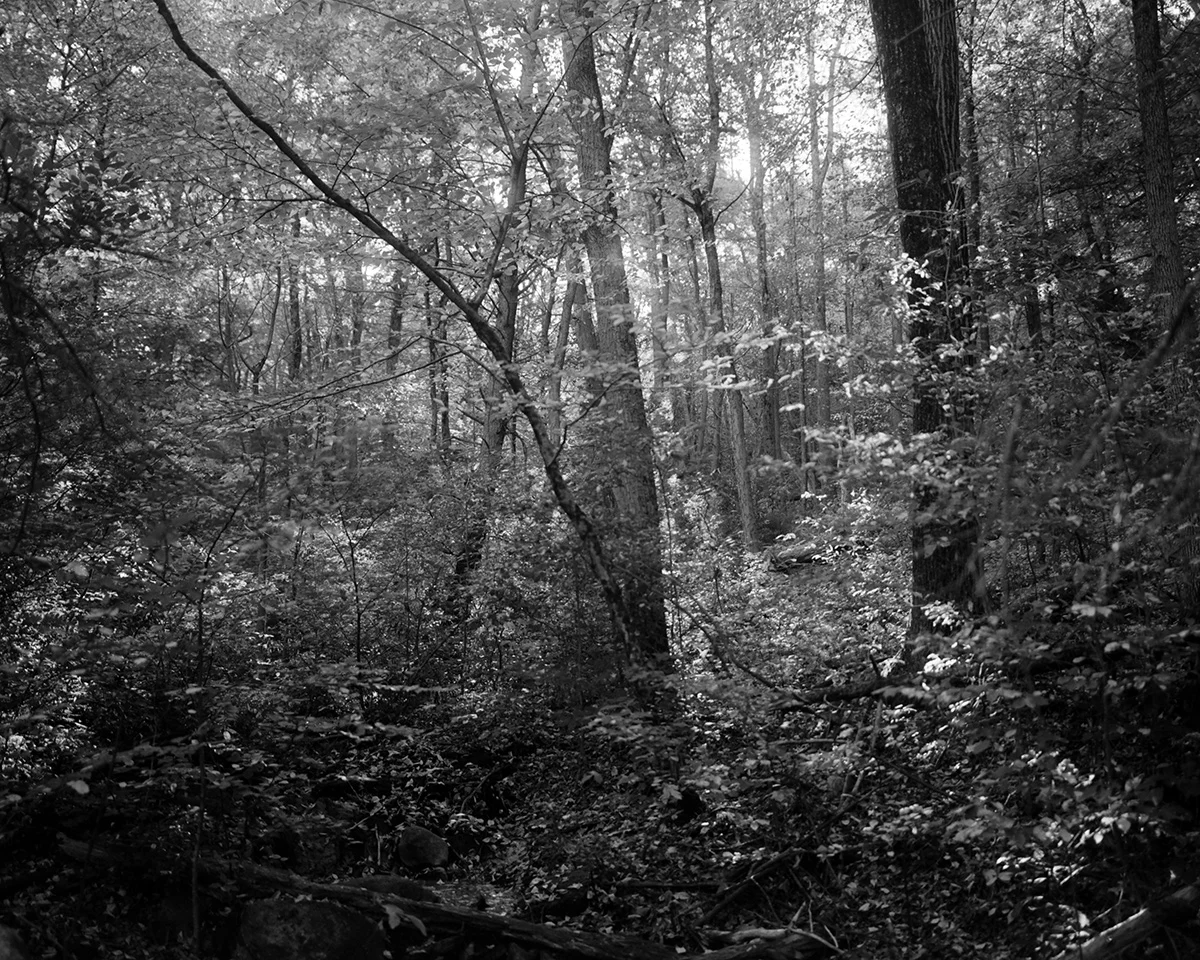
In an era defined by the ephemeral—by the flicker of a smartphone screen, the cold efficiency of artificial intelligence, and the relentless churn of mass consumerism—there exists a quiet, rugged counter-narrative unfolding in the forests of Upstate New York. It is a story told not in pixels, but in granite and sweat. Brooklyn-based photographer Alex Bruno has spent years documenting this persistence, capturing the intersection of human endurance and the geological permanence of the Hudson Valley. His ongoing series, “You Can Have My Hammers When You Pry Them From My Cold Dead Fingers,” serves as a poignant visual archive of The Jolly Rovers, an all-volunteer trail crew whose work bridges the ancient craft of dry stonemasonry with the modern necessity of public land stewardship.
The Genesis of a Project: Documenting the American Landscape
The journey for Alex Bruno began in 2019, a year that marked a pivot toward a more focused investigation of the American landscape. Since then, his lens has navigated the vast geographies of 27 National Parks, documenting the unsung labor of U.S. Park Rangers and the delicate relationship between humans and the environments they protect.
Bruno’s photography is not merely observational; it is an act of preservation. By turning his attention to The Jolly Rovers, he has moved from the expansive, sweeping vistas of the federal park system to the intimate, back-breaking details of local trail construction. The series title, a tongue-in-cheek nod to the fierce possessiveness trailbuilders feel for their tools, captures the spirit of a group that views masonry as a vocation rather than a hobby.
Chronology of Craft: The Jolly Rovers and Their Impact
The Jolly Rovers, founded and led by a core team of Artile Hidalgo, Bob Brunner, and Chris Ingui, represent a rare breed of public servant. Unlike traditional construction projects that rely on heavy machinery and modern adhesives, The Jolly Rovers utilize "time-tested" techniques—essentially the art of dry stonemasonry. This method, which requires no mortar, relies entirely on gravity, friction, and the precise geometric intuition of the mason.
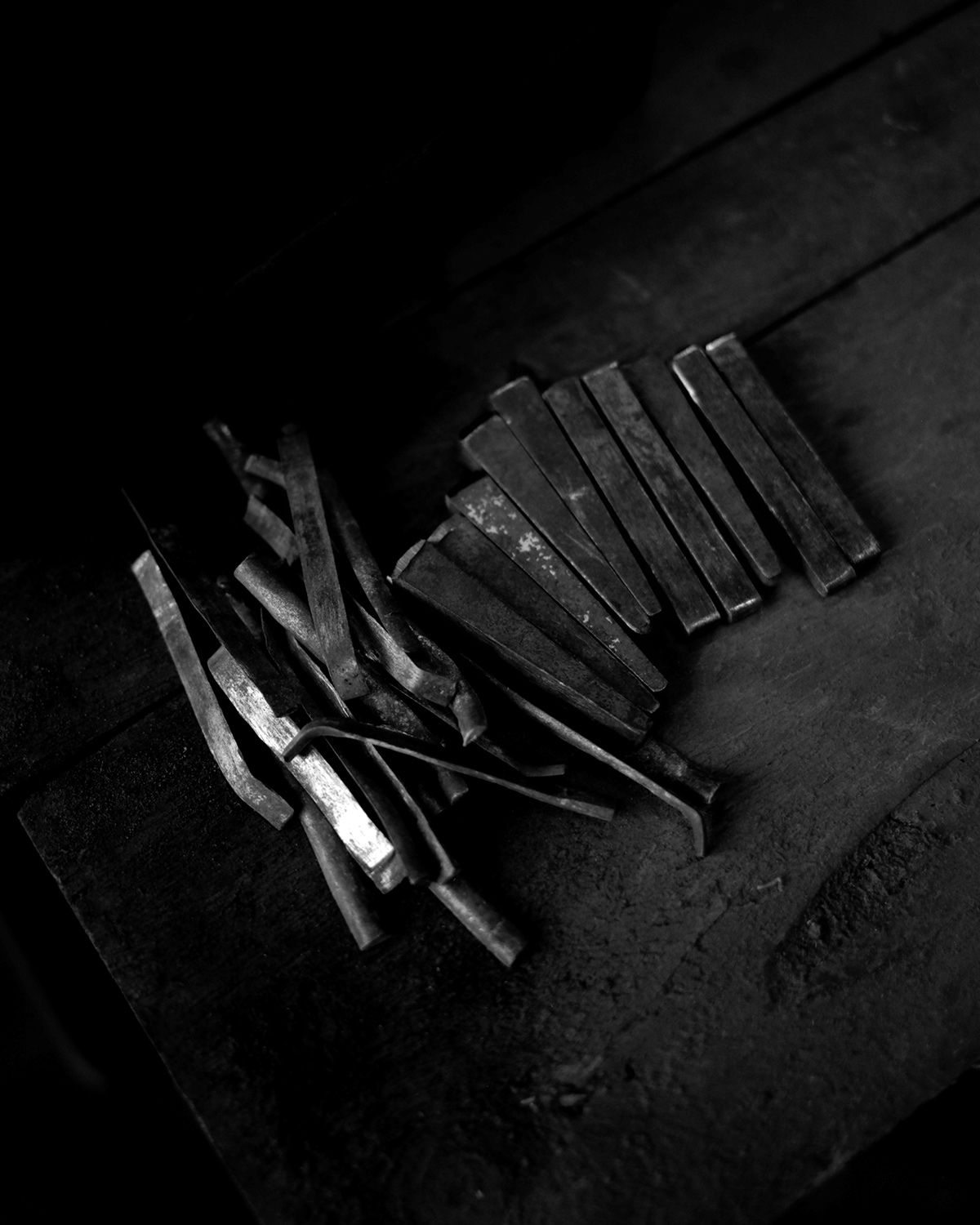
The chronology of the group’s impact is significant. Since their inception, they have tackled over 30 major projects across New York State. Their work is measured not in dollars, but in hours of service, with the collective logging approximately 2,500 hours each season. This labor is dedicated to creating accessible, sustainable pathways in public parks and nature preserves, ensuring that iconic environments remain traversable for future generations while minimizing human erosion on delicate ecosystems.
The Mechanics of Stewardship: Supporting Data and Methodology
What separates The Jolly Rovers from conventional trail maintenance crews is their adherence to traditional craftsmanship. The process is a grueling, multi-stage operation:
- Harvesting: The crew identifies native stone, often sourcing material directly from the immediate environment. This reduces the carbon footprint associated with transport and ensures that the finished structures blend aesthetically with the natural surroundings.
- Extraction: Using hand tools, the crew drills and splits the stone—a practice that requires immense physical stamina and a deep understanding of geological grain.
- Placement: The final stage involves the assembly of stone walls, staircases, and water-diversion features. Because these structures are "dry-laid," they are inherently flexible, allowing them to shift slightly with the freeze-thaw cycles of the Northeast climate without cracking or collapsing.
The data supports the efficacy of this approach. While modern materials often degrade within a decade due to environmental stress, dry-laid structures—when engineered correctly—can endure for centuries. The Jolly Rovers are not just building paths; they are installing permanent infrastructure that will outlive their own efforts by generations.
Official Perspectives: The Philosophy of the Found Family
The significance of The Jolly Rovers extends beyond the physical trails. In his artist’s statement, Bruno captures the essence of the group as a "found family." The crew is a diverse cross-section of society, bringing together individuals of varying ages, genders, ethnicities, and professional backgrounds. In the woods of the Hudson Valley, these disparate lives converge under the shared objective of communal service.

"In a world inundated by social media, artificial intelligence and mass consumerism, the crew they created represents an essential foil," Bruno writes. "From harvesting stone from the earth to drilling, splitting and laying it on the mountain, these photographs showcase the intricacy of their stewardship duties and the lasting impact they will leave on these environments for centuries to come."
This "foil" is perhaps the most critical aspect of the project. At a time when physical labor is increasingly outsourced to automation or obscured by digital layers, the sight of a person—covered in stone dust, muscles strained, wielding a hammer—serves as a reminder of the human capacity for tangible creation.
Implications: The Future of Public Land Stewardship
The work documented by Alex Bruno raises essential questions about how we define "progress" and "value" in the 21st century. As public lands face unprecedented pressure from climate change and increased foot traffic, the role of volunteers becomes increasingly vital.
The Sustainability of Volunteerism
While the output of The Jolly Rovers is impressive, the reliance on an all-volunteer model highlights a systemic vulnerability. The stewardship of public lands often struggles to secure consistent funding or institutional support, leaving the burden of maintenance to dedicated grassroots collectives. Bruno’s work serves as a subtle, perhaps unintentional, advocate for better resourcing of these groups. If 2,500 hours of labor per season are required to maintain a handful of trails, the macro-level implications for the thousands of miles of trails across the U.S. are staggering.

The Preservation of Traditional Skills
Furthermore, there is an educational component to this story. Dry stonemasonry is a heritage skill, one that is slowly disappearing from the modern construction industry. By passing down these techniques, The Jolly Rovers are acting as cultural custodians. The knowledge required to "read" a rock—to understand its weight, its balance, and its longevity—is an intellectual pursuit that is as much about history as it is about engineering.
Conclusion: A Legacy Carved in Stone
Alex Bruno’s “You Can Have My Hammers When You Pry Them From My Cold Dead Fingers” is more than a photography project; it is a testament to the quiet, unglamorous, and essential work that sustains our relationship with nature. By documenting the physical toll and the artistic triumph of The Jolly Rovers, Bruno forces the viewer to slow down and consider the cost—and the beauty—of the trails we so often take for granted.
As these photographs circulate, they offer a powerful counter-narrative to the digital age. They remind us that there is profound meaning to be found in the dirt, the dust, and the stone. Long after the latest viral trend has faded and the current generation of software has been rendered obsolete, the staircases and retaining walls built by this "found family" in the Hudson Valley will remain, silent and sturdy, testifying to the enduring power of human hands.
Through his lens, Bruno ensures that this labor is not invisible. He captures the grit of the process and the nobility of the purpose, framing the Hudson Valley not just as a scenic backdrop, but as a site of active, ongoing creation. In doing so, he elevates the humble trailbuilder to the status of a landscape artist, reminding us that the most significant marks we leave on this earth are often the ones that help others find their way.











No comments yet. Be the first to join the conversation!