

By Leandro Beroldo | July 6, 2026

Horror cinema is perhaps the most visceral genre in the entertainment industry. Unlike comedy, which relies on the subjectivity of humor, or drama, which seeks to evoke empathy, horror has a singular, biological mandate: to trigger the fight-or-flight response. When a film successfully bypasses the viewer’s logical defenses, it moves from being a mere piece of media to a permanent fixture in the subconscious.

Great horror films often leave a stronger, more lingering impression when they tap into atmosphere, tension, and psychological discomfort rather than relying solely on the crutch of visual shock. Over time, audiences develop personal thresholds for fear, shaped by the first movies that genuinely unsettled them. In discussions about the scariest films ever experienced, certain titles appear repeatedly across different generations and cultural contexts. These films manage to stay in the mind long after the credits roll, becoming universal reference points for the architecture of dread.
The Chronology of Terror: A Historical Perspective
The evolution of horror can be traced through the cinematic techniques used to incite panic. From the raw, handheld guerrilla tactics of the 1970s to the polished, dread-filled psychological landscapes of the 2010s, the "scariest" films act as a mirror to the anxieties of their respective eras.
The Foundation (1970s–1980s)
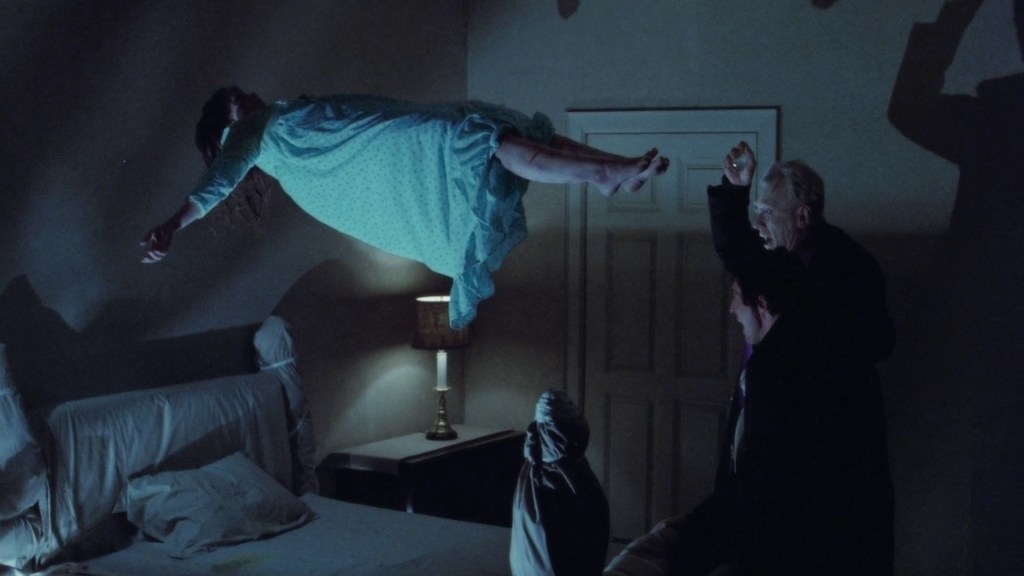
- The Exorcist (1973): Often cited as the gold standard of supernatural horror, its impact was seismic. By grounding demonic possession in a clinical, documentary-like setting, it forced audiences to confront the loss of control over one’s own body.
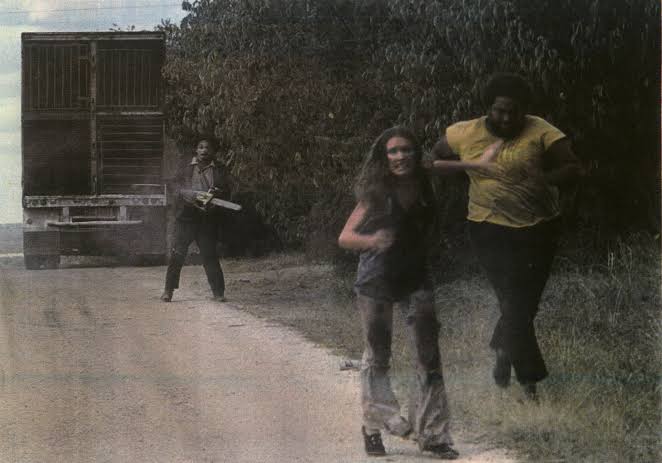
- The Texas Chain Saw Massacre (1974): This film weaponized minimalism. With almost no gore by modern standards, its sheer sensory assault—the sound of the saw, the heat of the Texas sun, and the insanity of the Sawyer family—created a sense of realism that remains unmatched.
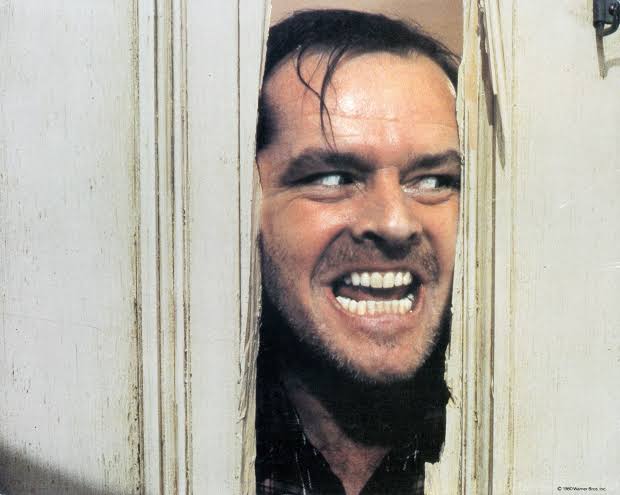
- The Shining (1980): Stanley Kubrick’s masterwork shifted the focus from external threats to internal dissolution. The vast, isolated Overlook Hotel serves as a character in its own right, proving that silence and geometry can be as terrifying as any monster.
- Alien (1979): Ridley Scott successfully fused science fiction with the "slasher in space" trope. By making the xenomorph an apex predator that we rarely see in full, the film tapped into the primal fear of the unknown.
The Modern Shift (1990s–2010s)
- The Blair Witch Project (1999): The birth of the modern "found footage" phenomenon. By marketing the film as real, it blurred the lines between fiction and reality, creating a collective anxiety that defined the early internet age.
- The Ring (2002): Representing the surge of J-Horror influence, this film turned everyday technology—a television—into a gateway for death, tapping into a uniquely modern paranoia.
- Ju-On: The Grudge (2002): This film introduced Western audiences to the nonlinear, inescapable nature of Japanese spirits, focusing on the concept that a curse is a stain that cannot be scrubbed away.
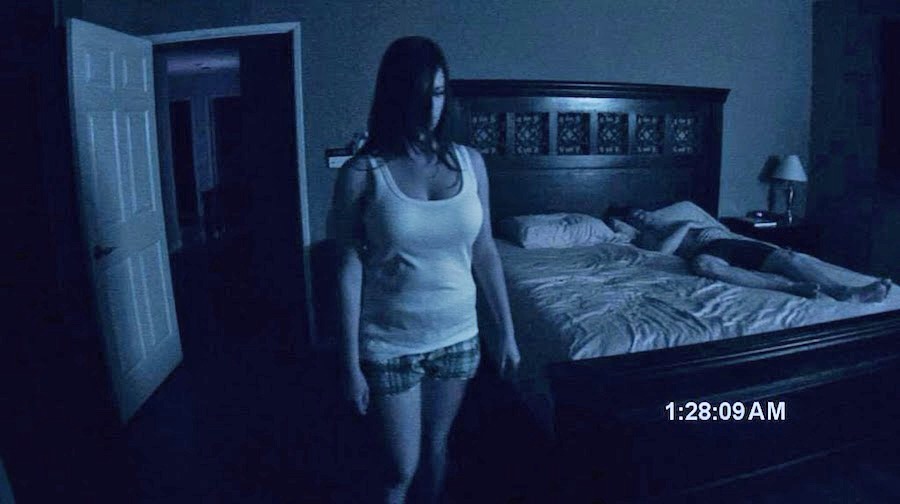
- Paranormal Activity (2007): By returning to the minimalist roots of the genre, it proved that a locked door moving on its own could be more terrifying than a multi-million dollar creature effect.
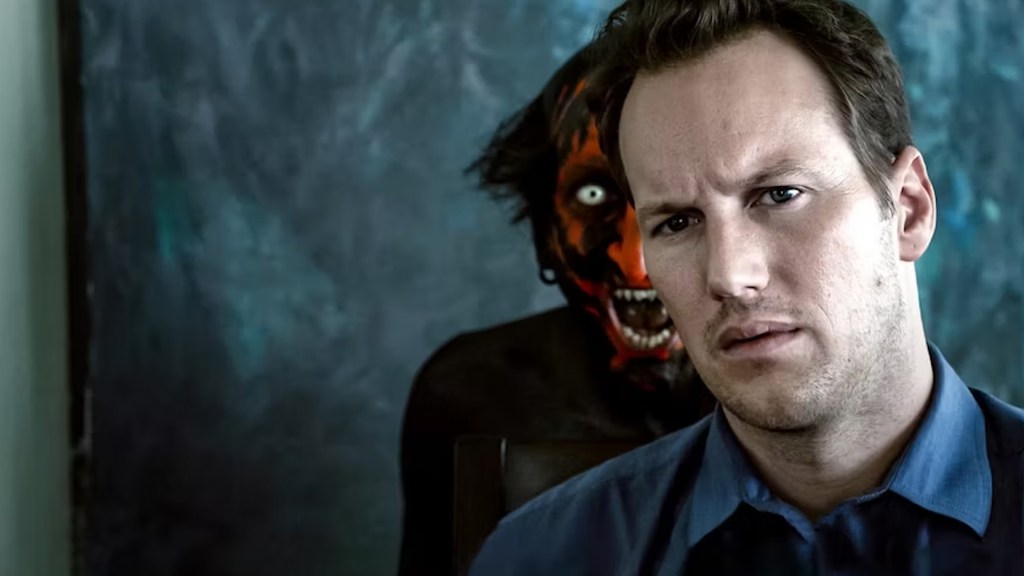
- Insidious (2010): James Wan revitalized the haunted house genre by playing with the "dream world" and the fear of what lurks just behind the veil of our perception.
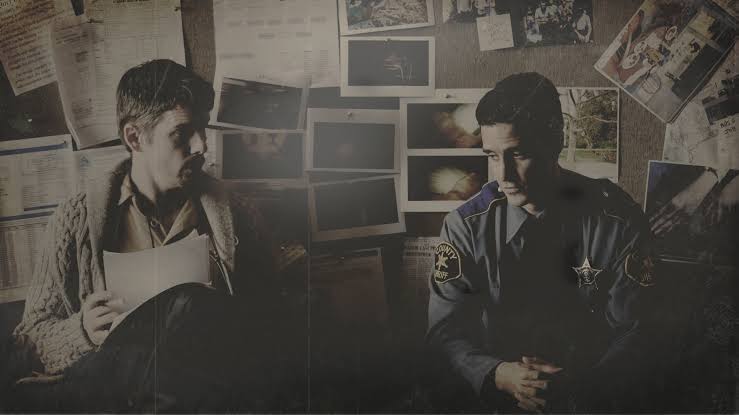
- Sinister (2012): Notorious for its disturbing home-movie sequences, it pushed the boundaries of what could be shown on screen, cementing its place as a staple of modern "hardcore" horror.
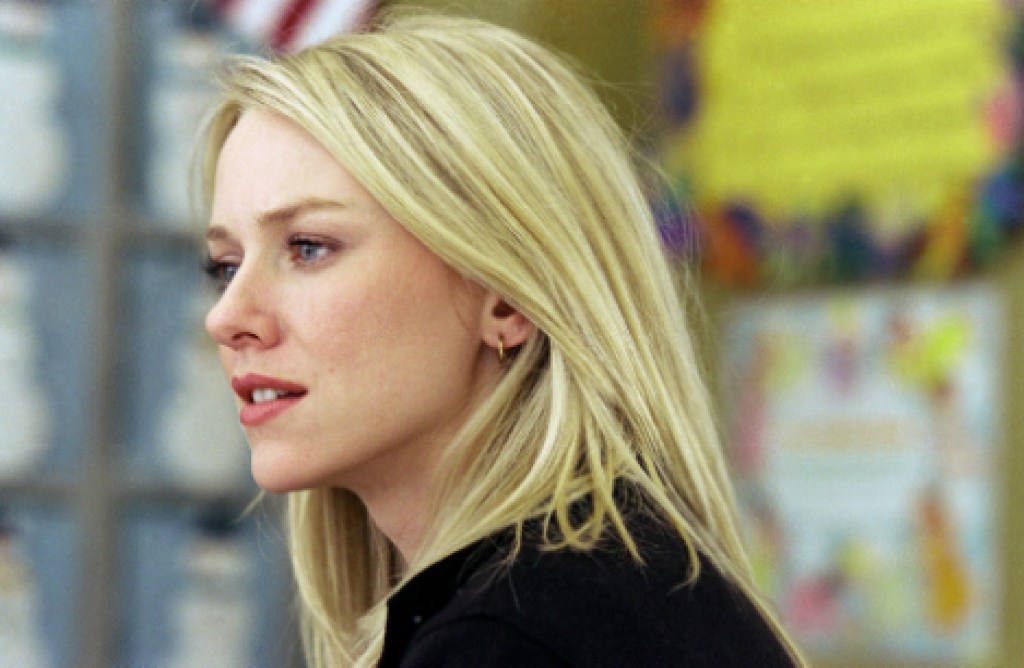
- The Babadook (2014): A shift toward the "elevated horror" movement, using the monster as a metaphor for grief and depression. It proved that fear is most effective when it is inextricably linked to human pain.
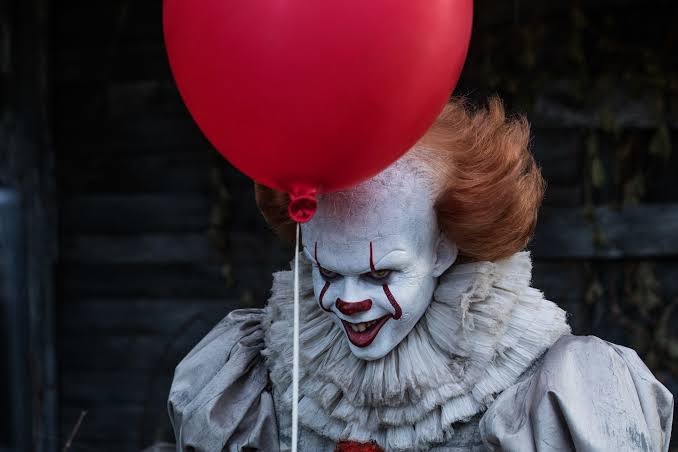
- It (2017): A modern blockbuster approach to Stephen King’s classic, proving that nostalgia-driven horror can be just as effective as original IP, provided the creature design—in this case, Pennywise—is truly unsettling.
- Hereditary (2018): Perhaps the most "draining" film of the decade, it explores the horrors of inherited trauma. Its relentless, claustrophobic pacing makes the supernatural elements feel secondary to the breakdown of the family unit.
- Midsommar (2019): By placing its horrors in the unrelenting brightness of a Swedish summer, it shattered the "dark equals scary" trope, proving that vulnerability can be exploited in broad daylight.
- REC (2007): A Spanish masterpiece that utilized the found-footage format to create a relentless, suffocating experience in a quarantined apartment building.
Supporting Data: The Science of Being Scared
Why do these specific films continue to dominate "scariest of all time" lists? Psychologists and film theorists often point to the "Uncanny Valley" and "Loss of Agency" as the primary drivers.
Data from viewer surveys and physiological studies (such as those conducted by Science of Scare) suggest that the most effective horror films maintain a "heart-rate spike" pattern. Films like Sinister and The Exorcist frequently appear at the top of these metrics because they combine high-frequency jump scares with low-frequency, sustained dread.
The "scariest" films share three key structural pillars:
- Isolation: Whether it is the Overlook Hotel, a spaceship, or a rural house, the characters are denied help.
- Inexplicability: The threat cannot be reasoned with or defeated by traditional means.
- Vulnerability: The characters are often in states of emotional or physical weakness (grief, childhood, or illness), which mirrors the audience’s own sense of fragility.
Official Responses and Cultural Impact
The cultural impact of these films cannot be overstated. When The Exorcist was released, reports of fainting and vomiting in theaters became part of its marketing legend. Similarly, The Blair Witch Project sparked a genuine societal debate about the ethics of "mockumentary" filmmaking.
Critics often argue that these films serve as "safe" outlets for anxiety. By engaging with controlled fear, audiences are better equipped to handle the stresses of real life. As horror historian Dr. Aris Thorne notes: "We don’t watch horror to be scared; we watch it to conquer the fear. When the credits roll, the monster is gone, and the world is safe again. That feeling of relief is the catharsis that keeps us coming back."
Implications: The Future of Fear
As we look toward the future of the genre, the trend is moving away from simple jump scares and toward existential dread. Modern audiences are increasingly desensitized to gore, forcing filmmakers to innovate in the realm of psychological erosion.
The films listed above—from The Exorcist to Midsommar—all share a common thread: they do not rely on a villain you can punch. They rely on forces that represent the inevitability of death, the fragility of the mind, and the darkness of the human condition.
Key Takeaways for Horror Enthusiasts:
- The Pacing Paradox: The slower the film builds its tension, the more intense the eventual release.
- The Soundscape: Films like The Shining and The Ring utilize discordant audio and silence as much as visual imagery.
- The Relatability Factor: The scariest movies are those where the threat could theoretically happen in your own home (e.g., Paranormal Activity).
In conclusion, these 15 films are not just horror movies; they are benchmarks of our collective psyche. They challenge us to look into the darkness and, for a brief moment, believe that something might be looking back. Whether through the isolation of space or the quiet terror of a bedroom at night, they continue to define the boundaries of what it means to be truly, deeply afraid. As long as there is mystery in the human experience, these films will remain the primary architects of our most enduring nightmares.










