Layla Zulfa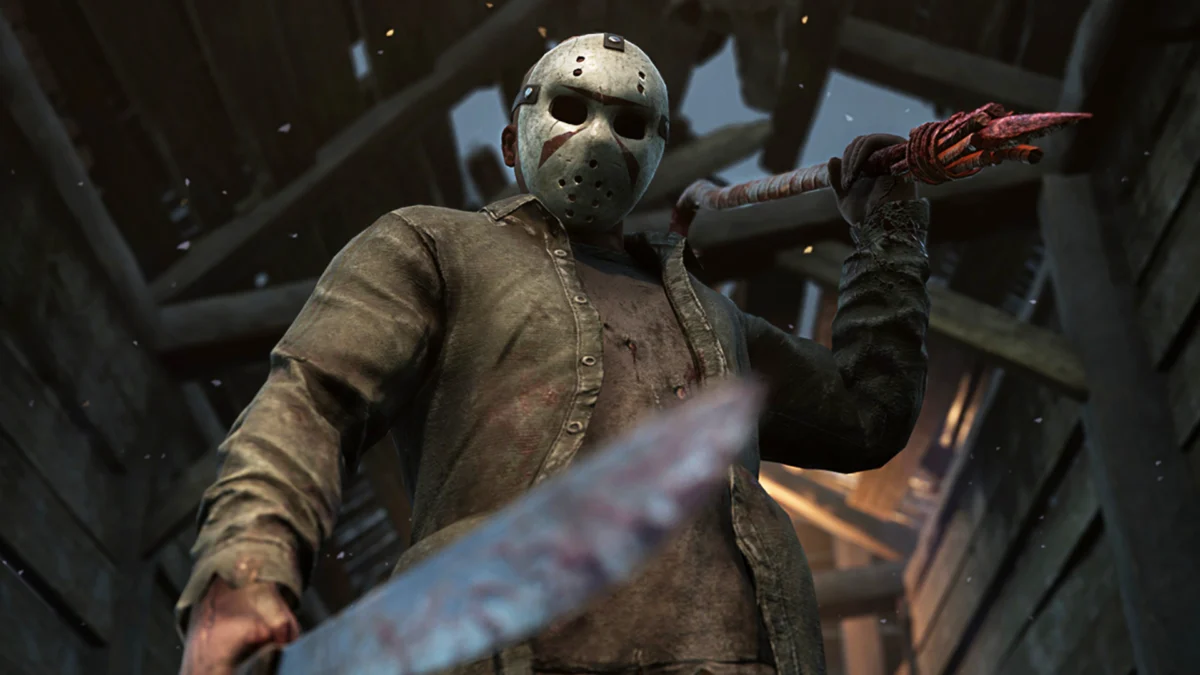
It is difficult to overstate the cultural footprint Dead by Daylight has left on the horror genre over the last ten years. What began in 2016 as a modest, asymmetrical multiplayer experience featuring only three killers—The Trapper, The Wraith, and The Hillbilly—has blossomed into a sprawling, multi-media juggernaut. Today, with a roster of 43 terrors, iconic crossovers with the most legendary horror franchises in history, comic book adaptations, and even specialized musical ventures, the Dead by Daylight (DBD) universe has transcended its origins to become a living, breathing entity.
As the community celebrates this monumental ten-year milestone, the atmosphere surrounding developer Behaviour Interactive is electric. With the long-awaited arrival of genre icon Jason Voorhees finally gracing the game, all eyes are turned toward the horizon. However, for the leadership team at Behaviour, this anniversary is not merely a retrospective—it is the inaugural chapter of a bold, transformative era.
The Future: Evolution Over Iteration
In a recent press briefing ahead of the anniversary reveals, a central question loomed large: with a decade of technical debt and evolving engine standards, would the studio move toward a Dead by Daylight 2?

Executive Producer José Ramos was quick to put those rumors to rest. "We have always said that it’s not something we want to explore," Ramos stated. "Starting over would be leaving too much behind. Our community has invested years into their accounts, their collections, and their progress. Instead of building a sequel, what we’re going to do is evolve DBD itself."
Creative Director Dave Richards echoed this sentiment, framing the strategy as a commitment to longevity. "It’s not just a continuation of Dead by Daylight as it is. We wanted to grow into something that makes the next ten years better than the first ten."
A Colossal Technical Overhaul (2027)
The cornerstone of this evolution is a massive, ground-up visual and systemic rework, currently slated for release in 2027. Behaviour is not merely applying a fresh coat of paint; they are re-engineering the game’s core to heighten the fundamental pillars of the experience: fear and suspense.

Visuals and Animation
The studio unveiled side-by-side comparisons that illustrate a "night and day" difference in fidelity. Character models are being completely overhauled to improve facial expressiveness, allowing for a broader range of nuanced, lifelike emotions for Survivors. Hair physics and textures are also receiving a comprehensive upgrade.
The "New Rig" and Immersive Environments
Beyond character models, Richards confirmed that the team is upgrading the game’s "entire rig." This change facilitates more fluid movement and sophisticated facial animation. Environmental design is also receiving a facelift, with upgraded lighting, shading, and a groundbreaking dynamic weather system. These additions are designed to make The Entity feel more present within the maps, with enhanced fog and mist mechanics that promise to fundamentally alter the flow of gameplay.
Audio Engineering
To complement the visual fidelity, an extensive audio overhaul is in development. The goal is to elevate the soundscape to a cinematic level of realism, ensuring that every footstep, heartbeat, and ambient groan heightens the player’s immersion in the nightmare.

Ramos was careful to emphasize that while these features are being shown now in the interest of transparency, they remain works-in-progress. The project is being handled by a dedicated "Future-Tech" team separate from the core DBD live-service group to ensure that current updates remain unaffected.
Diversifying Gameplay: Mods and New Modes
Perhaps the most significant shift in philosophy is the decision to hand more agency to the player base. Behaviour is officially introducing support for creative modding, acknowledging that the community’s ingenuity has long been a driving force behind the game’s endurance.
The 1v1 Competitive Frontier
"What better way to deliver fresh stakes than by putting DBD in the hands of the players?" Ramos asked during the presentation. The studio is currently testing several prototypes, with a 1v1 competitive mode scheduled for early 2027. This mode will strip away the traditional perks and items, focusing entirely on raw mechanical skill. It will be a best-of-three, symmetrical-style match where the objective is simply to outlast the opponent.
The Zombie Apocalypse
Additionally, the team is experimenting with a zombie-focused mode. While still in the "evolving" stages of development, the vision is to transport players directly into the high-tension environment of a zombie apocalypse film, distancing the game from its traditional killer-versus-survivor structure.
The Anniversary Event and Narrative Expansion
Amidst the technical announcements, Behaviour highlighted the new, non-licensed survivor: Shane Wiigwaas. As the game’s first Indigenous character, Wiigwaas is a lawyer from the Anishinaabe community. Voiced by the acclaimed Dallas Goldtooth, Wiigwaas enters the fog in search of justice for his cousin, who was wrongfully convicted following a mysterious, supernatural disappearance.
Voiceover Initiatives
The studio also addressed a long-standing community request: the addition of voice lines for original survivors. Following the discourse surrounding characters like Yun-Jin Lee and the guest appearance of Nicolas Cage, Behaviour has committed to a long-term initiative to retroactively add voice lines to the original cast. This rollout will begin later this year, marking a significant step toward making the roster feel more personal and grounded.

The Liminal Mall
Further deepening the lore, a new map—a surreal, liminal shopping mall—is being added. Heavily inspired by "The Backrooms," this map focuses on the history of Dwight Fairfield. It is designed as an open, disorienting space where geometry bends and players will find themselves looping back through endless, shifting passageways.
A Legacy of Licensing: Art the Clown and Beyond
The licensing engine that powers Dead by Daylight shows no signs of slowing down. As teased at Summer Game Fest, November will see the arrival of Art the Clown from the Terrifier franchise. Mathieu Cote, Head of Partnerships, described Art as a "new horror icon that we could not ignore," promising a unique blend of dark humor and visceral brutality.
Furthermore, Supermassive Games’ The Casting of Frank Stone will see its protagonist get his own dedicated chapter next year.

Cross-Media Collaborations
The anniversary celebrations extend to several massive collaborations:
- Iron Maiden: A 50th-anniversary collection featuring the band’s mascot, Eddie.
- Ice Nine Kills: A new collection and accompanying music video.
- The Walking Dead: Legendary outfits for Glenn and Negan.
- Silent Hill: New skins, including the Bubble Head Nurse and Hinako Shimizu.
- Diablo & Scooby Doo: An October release will see a Diablo collaboration, followed by an unexpected, albeit fitting, Scooby-Doo crossover.
Implications for the Future
The implications of these announcements are profound. By eschewing the traditional "sequel" model, Behaviour Interactive is positioning Dead by Daylight as a platform rather than a singular product. The shift toward a modern engine, the integration of modding tools, and the expansion into new competitive and narrative modes signal a desire to capture a broader audience while rewarding the veteran players who have sustained the game for a decade.
For a game that started as a small, atmospheric experiment, Dead by Daylight has defied the odds to become the definitive multiplayer horror experience. With the promise of a 2027 technical rebirth and an aggressive schedule of new content, the "Fog" is not clearing—it is merely thickening, ready to welcome a new generation of players to the trial. As we look ahead, the sentiment from the development team is clear: the first ten years were just the warm-up. The true nightmare is only beginning.

 Ammar Sabilarrohman
 Reynand Wu