

In the annals of gaming history, few titles possess the cultural gravity of The 7th Guest. For the PC gaming generation of the early 1990s, it wasn’t just a game; it was a technological manifesto. While Myst is frequently cited as the primary catalyst for the mass adoption of the CD-ROM drive, The 7th Guest offered a darker, more visceral allure. It was a gothic, puzzle-filled fever dream that dared to be weird, unsettling, and—for its time—breathtakingly cinematic.
With the release of a high-fidelity remake now transitioning from VR to flat-screen platforms on June 4 via Steam, the legacy of this 1993 classic has returned to the spotlight. This revival provides an opportunity not only to revisit the haunting halls of Stauf’s mansion but to peel back the layers of industry lore surrounding its inception, the legendary "friendly firing" of its creators, and the sheer audacity of its development.
The Genesis of a Digital Nightmare
The story of The 7th Guest is inseparable from the rapid evolution of 1990s hardware. In an era where "multimedia" was a buzzword often devoid of substance, Rob Landeros and programmer Graeme Devine saw a potential that their peers were missing.
At the time, Landeros was working under the banner of Virgin Games, a publisher then defined by its "bargain bin" output. His mission was to inject a cinematic soul into titles that were otherwise lacking in narrative depth. However, he and Devine were looking further ahead. They spent their days at tech conferences, listening to corporate suits discuss the CD-ROM as a glorified filing cabinet—a medium for data storage and corporate archiving.
To Landeros and Devine, this was a tragedy. They saw the potential for immersive, interactive cinema. The duo famously began their brainstorming sessions at an airport, sketching the blueprint for what would become The 7th Guest on the back of a paper napkin. This humble start would soon spark a revolution in interactive storytelling.
The Infamous "Firing": Fact vs. Folklore
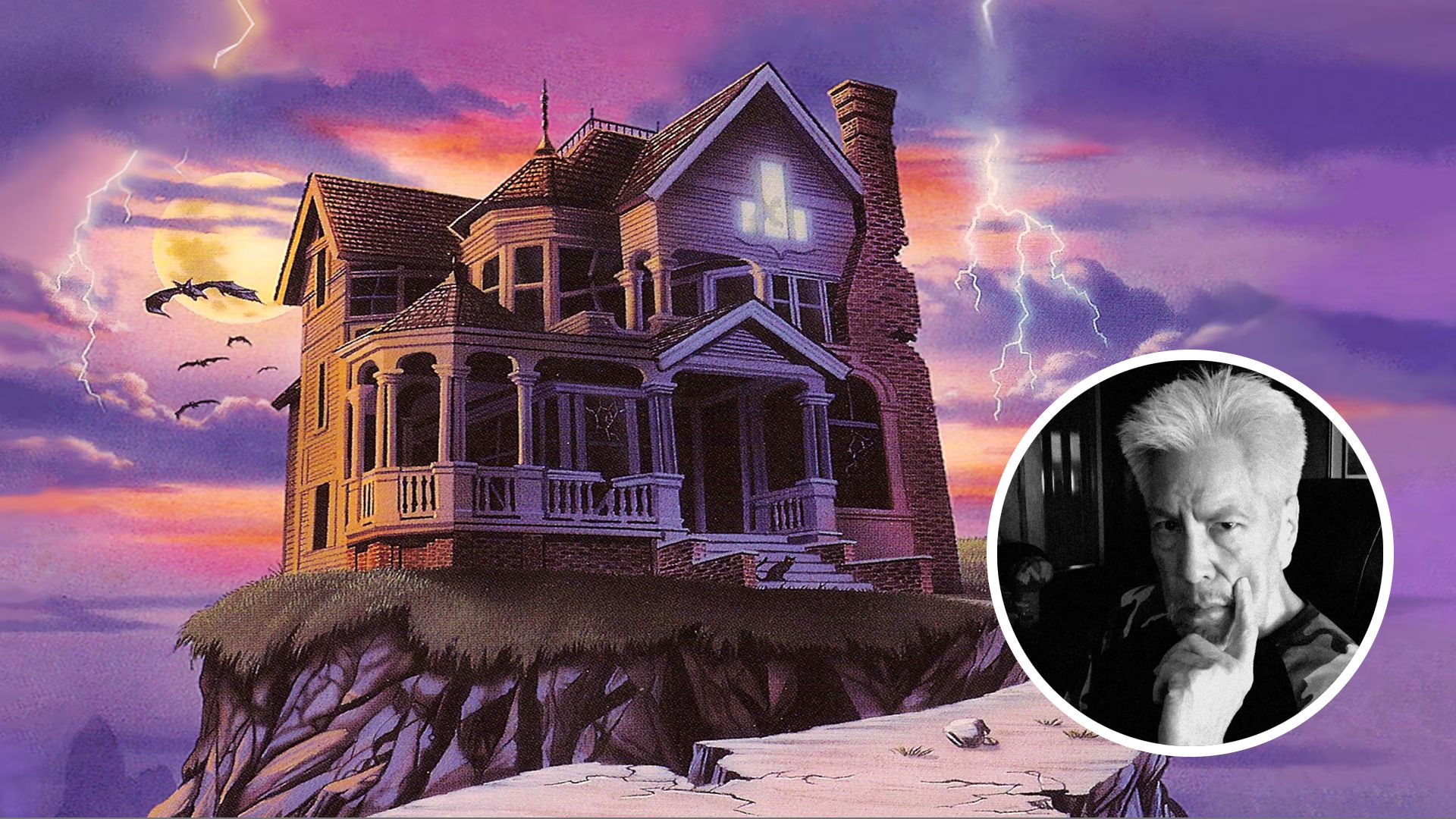
Perhaps the most persistent myth in the 7th Guest origin story is the dramatic account of how Landeros and Devine left Virgin Games. As the legend goes—and as some historical records have suggested—the two were fired on the spot by Virgin Interactive president Martin Alper after pitching their ambitious, CD-ROM-based project.
In a 2013 interview, Alper recalled the encounter with characteristic bluntness: "When they approached me, I said to them: I hear everything you have to say, but you are fired."
When pressed on the veracity of this tale, Landeros admits it contains a kernel of truth wrapped in a layer of industry hyperbole. It wasn’t a malicious termination, but rather a strategic maneuver. Alper saw the brilliance of the concept but recognized the organizational constraints of a large publisher. He reportedly told the pair that he wanted to support the game but could not do so within the existing structure of Virgin, as it would cause friction among teams working on less ambitious, lower-budget projects.
"I’ve seen instances where a special project is set aside, and then the people go to work on it in another part of the building, and other employees go, ‘What are those guys doing here? Why do they get this?’" Landeros explained. "So I kind of wanted to avoid that. We felt this was a big enough project, it was going to take up all our time, we didn’t need distractions, and so we just said, we should do it elsewhere, and we’ll even form our own company."
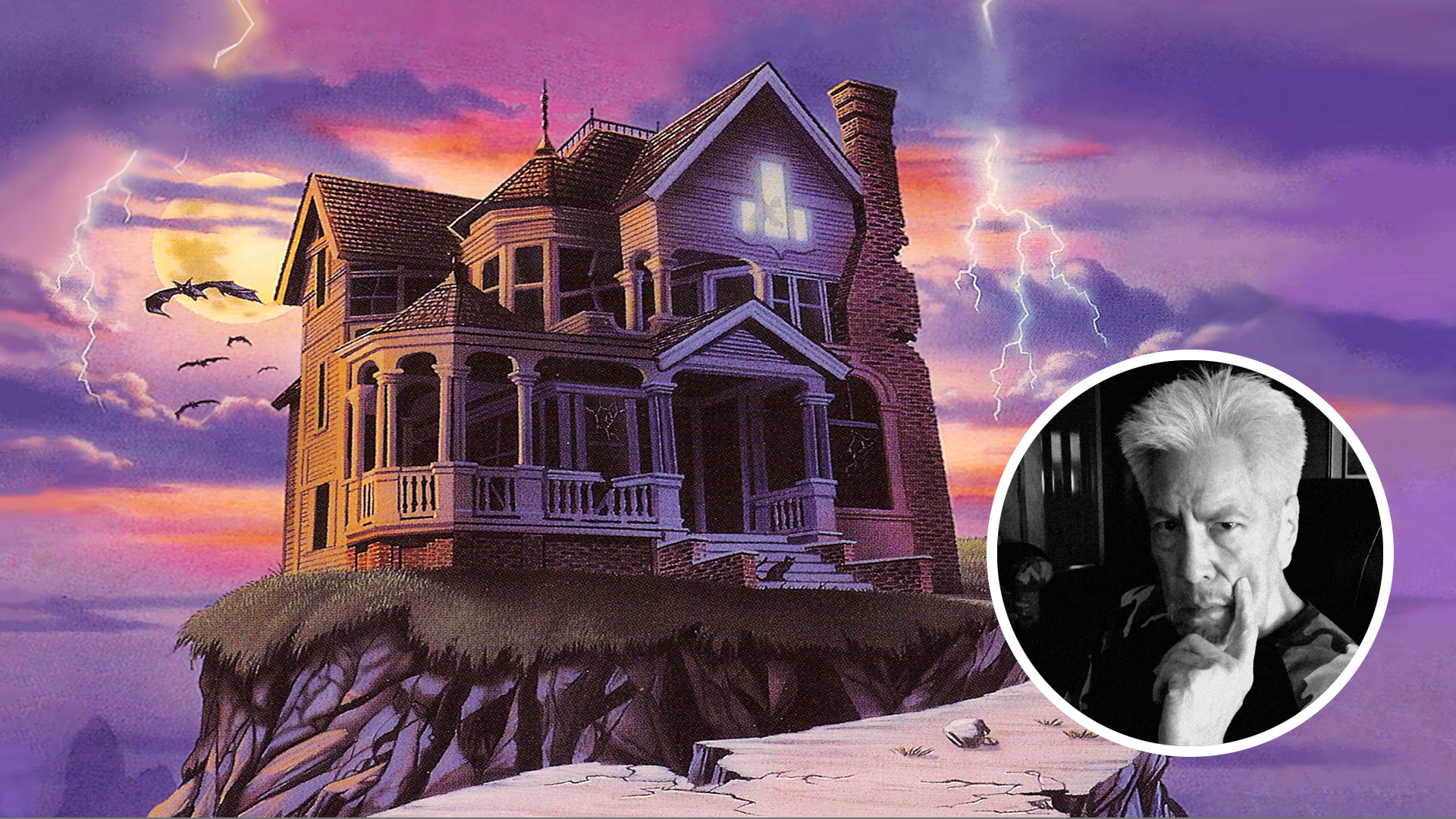
This amicable "firing" allowed them to establish Trilobyte Games. With a contract from Virgin in hand, they relocated to Oregon, setting the stage for one of the most significant development projects of the decade.
Engineering the Uncanny: The Technical Hurdles
The development of The 7th Guest was a masterclass in creative problem-solving. In 1993, the tools available to game developers were primitive by modern standards. Landeros recalls the struggle of trying to craft a unique visual identity without the benefit of modern software like Photoshop.
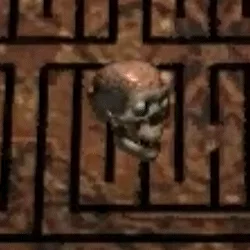
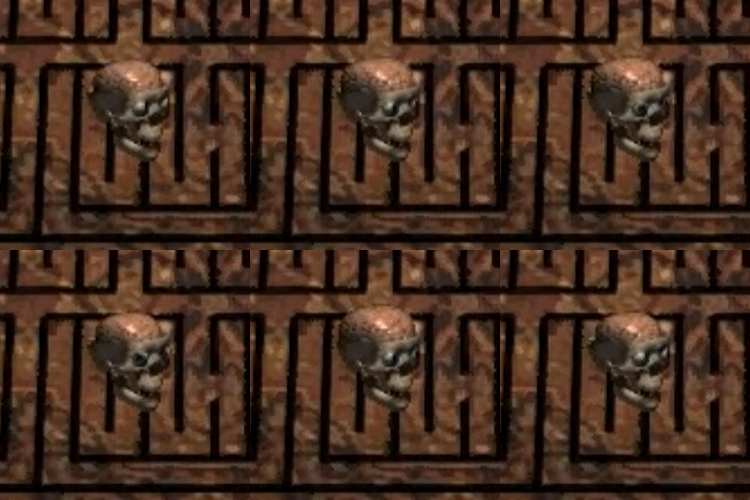
"I was sitting there trying to make these animated icons in these old tools, and they kind of didn’t work," Landeros noted. He eventually turned to Autodesk 3D animator, which included a basic skull model. By manipulating the model—making the jaw flap, the eyes roll, and the brain throb—he created the game’s iconic, unsettling cursor in roughly two hours. It became a hallmark of the experience, a constant, macabre companion for the player.
However, the real challenge was the storage space. Even with the massive capacity of a CD-ROM, they needed to maximize every megabyte. The solution was Full Motion Video (FMV). They filmed the spectral inhabitants of the mansion on Betamax tapes, resulting in footage that was, by today’s standards, grainy and flawed. Yet, the limitation became a strength. By casting the characters as transparent ghosts, they masked the technical imperfections of the video, creating an eerie, ethereal aesthetic that perfectly suited the game’s haunted atmosphere.
The Industry Impact and the Rise of Volumetric Video
When The 7th Guest debuted at the Consumer Electronics Show (CES) in 1991, the response was electric. The demonstration proved that CD-ROMs were not just for storage; they were the future of entertainment. It set a precedent for FMV-heavy titles and paved the way for the "multimedia" explosion of the mid-90s.
Fast forward to 2023, and the legacy of that innovation continued with the VR remake of the game. Director Paul van der Meer, a longtime admirer of the original, spearheaded a project that utilized "volumetric video"—a cutting-edge technique that captures actors in three dimensions, allowing players to view the FMV scenes from any angle within the virtual space.
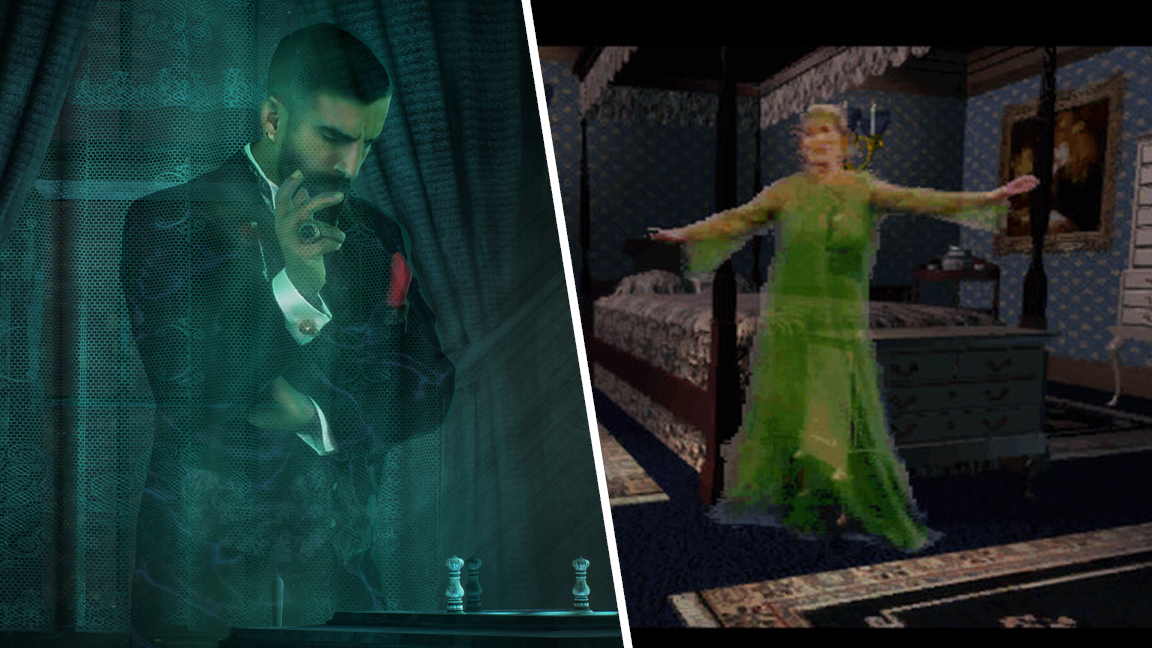
This was not merely a cosmetic upgrade; it was a fundamental shift in how the game’s narrative could be experienced. For the non-VR version launching this June, the team has preserved this volumetric fidelity, ensuring that the mansion feels as lived-in and menacing as it did 31 years ago.
Modern Implications: Why Remake the Past?
The transition of the remake from a VR-exclusive experience to a standard desktop interface on Steam is significant. It acknowledges that while VR offers a unique sense of presence, the core appeal of The 7th Guest—its puzzles, its atmosphere, and its twisted narrative—transcends the medium.
According to Van der Meer, the team was careful to maintain the spirit of the original while modernizing the interface. One specific puzzle room was entirely redesigned to accommodate non-VR control schemes, ensuring that the transition from a headset to a mouse and keyboard does not compromise the player’s ability to engage with the mansion’s traps.
The endurance of The 7th Guest speaks to a broader trend in the gaming industry: the re-evaluation of the "multimedia era." What was once criticized for being a "game of movies" has, in retrospect, been recognized for its ambition and its role in defining the cinematic language of modern interactive media.
Conclusion: A Legacy Refined
As players prepare to return to the mansion, they are not merely playing a "remake." They are stepping back into a pivotal moment in technology, where two visionaries sat in an airport and decided to build something that didn’t yet exist.
The story of The 7th Guest is a reminder that the best games often come from the intersection of extreme technical limitation and boundless creativity. Whether it was the raw, grainy ghosts on a Betamax tape or the sophisticated volumetric capture of the 2024 remake, the goal remains the same: to invite the player into a world that feels just real enough to be terrifying.
For the "Halloween-obsessed kids" who grew up to be today’s developers and fans, the mansion’s doors are swinging open once more. And this time, the skull-shaped cursor is sharper, the shadows are deeper, and the ghosts are more real than ever before.











No comments yet. Be the first to join the conversation!