

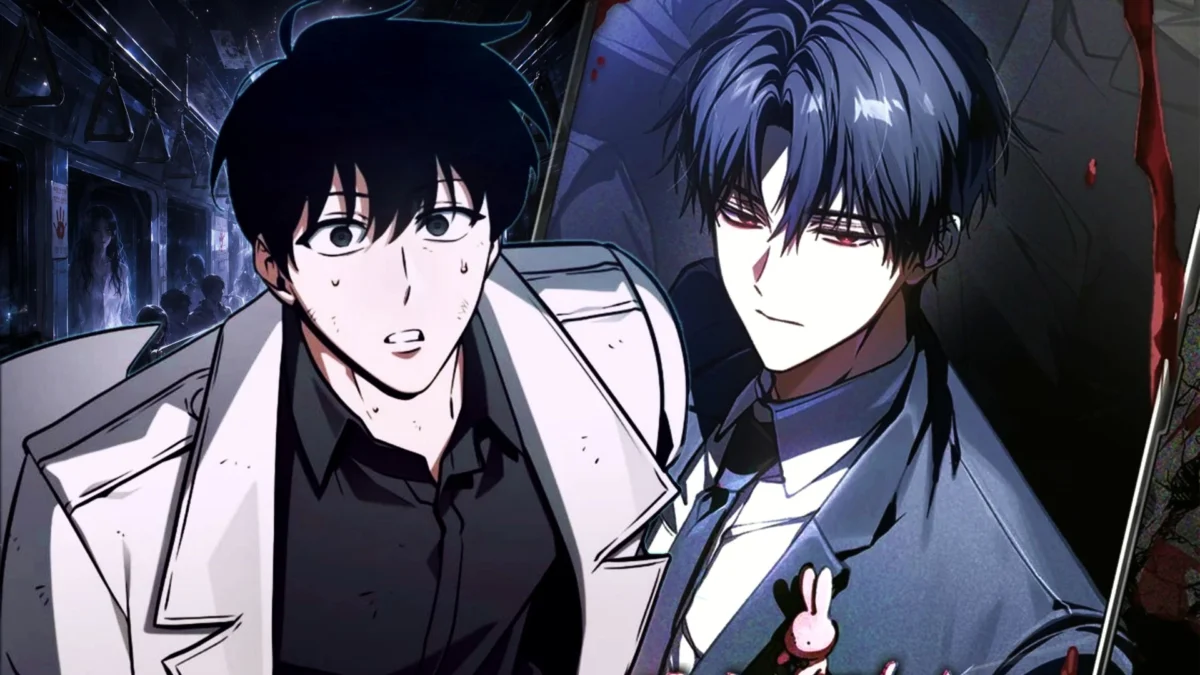
The landscape of South Korean digital literature is undergoing a seismic shift. Following a monumental six-year run, the titan of the industry, Omniscient Reader’s Viewpoint (ORV), recently concluded its first season, signaling a rare and well-deserved hiatus. With 311 chapters now behind it, the series has barely scratched the surface of its sprawling narrative, cementing its status as an unstoppable cultural juggernaut. However, as the dust settles on the hiatus of one giant, the spotlight has immediately shifted to its successor: Got Dropped into a Ghost Story, Still Gotta Work.
As fans search for their next obsession, this new horror-isekai adaptation has emerged not just as a filler, but as a potential genre-defining successor. Yet, beneath the excitement of its upcoming launch lies a frustrating reality for the international community: the persistent, systemic neglect of English-language localization for the world’s most popular manhwa.
The Chronology of a New Phenomenon
The journey toward the digital adaptation of Got Dropped into a Ghost Story began with a massive announcement from KakaoPage’s official X (formerly Twitter) account on May 25, 2026. The platform confirmed that the wildly successful webnovel, authored by the acclaimed Baek Deok-su, would officially make the jump to the visual medium.
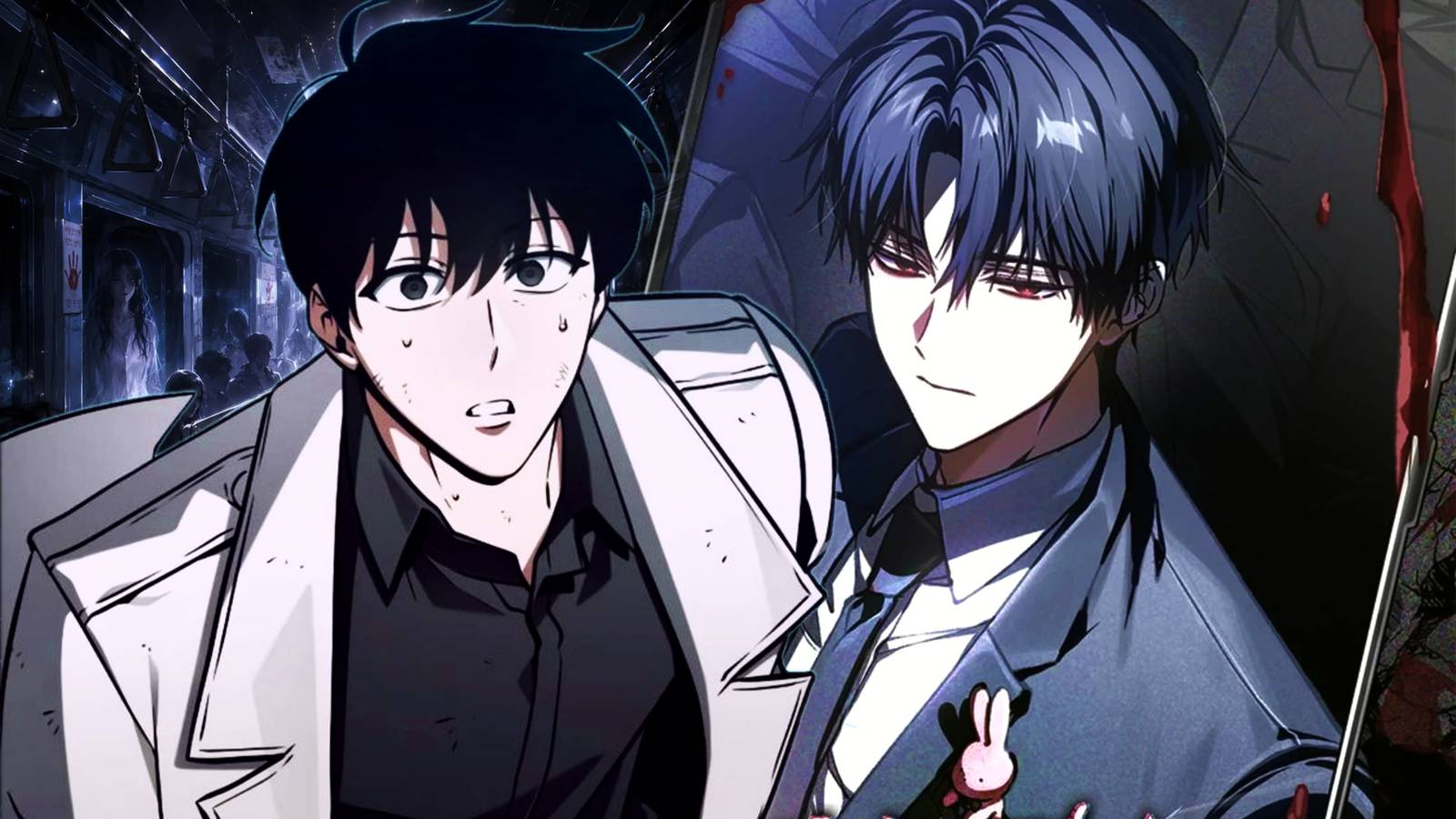
The webtoon is scheduled to premiere on KakaoPage on Friday, June 5, 2026, at 10:00 PM KST—a slot timed for maximum engagement. For global fans, this translates to a 9:00 AM EST release. To build anticipation, KakaoPage released striking promotional key art featuring the series’ protagonist, Kim Soleum, and a highly interactive, animated HTML loading screen for the first chapter, designed to immerse readers in the unsettling, paranormal atmosphere of the story before they even begin.
This release follows a carefully orchestrated marketing campaign that mirrors the high-production values seen in the industry’s biggest hits. By choosing a release date that follows the conclusion of Omniscient Reader’s massive season finale, the publishers are clearly positioning this title as the primary beneficiary of the audience’s diverted attention.
Understanding the Narrative: The "Soleum" Factor
The premise of Got Dropped into a Ghost Story, Still Gotta Work is both a tribute to and a subversion of the survival-isekai tropes popularized by Omniscient Reader. The story follows Kim Soleum, an individual who finds himself forcibly transported into a world constructed entirely from an online collective of horror stories and urban legends.

Unlike typical power-fantasy protagonists, Soleum is grounded in a relatable, albeit frantic, reality. He is recruited into the "Field Exploration Team" of a mysterious entity known as Daydream Inc.—a corporate-style organization that treats paranormal phenomena as a commodity to be exploited for profit. The horror of the series stems from the contrast between the terrifying, life-or-death stakes of the ghost stories themselves and the mundane, bureaucratic nightmare of having to "work" through them.
Much like Kim Dokja, the protagonist of Omniscient Reader, Soleum survives by leveraging his deep, obsessive knowledge of the world’s lore. Having been a reader of these very ghost stories in his past life, he possesses a strategic advantage, identifying patterns and weaknesses in the entities he encounters. The series notably begins with a claustrophobic, high-tension sequence set on a train, a direct nod to the genre’s tropes that serves to hook veteran readers of the "survival" sub-genre.
Production Pedigree: Behind the Art
The visual quality of a webtoon is often the deciding factor in its success, and Got Dropped into a Ghost Story has spared no expense. The series is being produced by Carrotoon, a powerhouse studio with a track record for excellence. Their portfolio includes high-profile successes such as How to Win My Husband Over, Secret Lady, and Who Made Me A Princess.
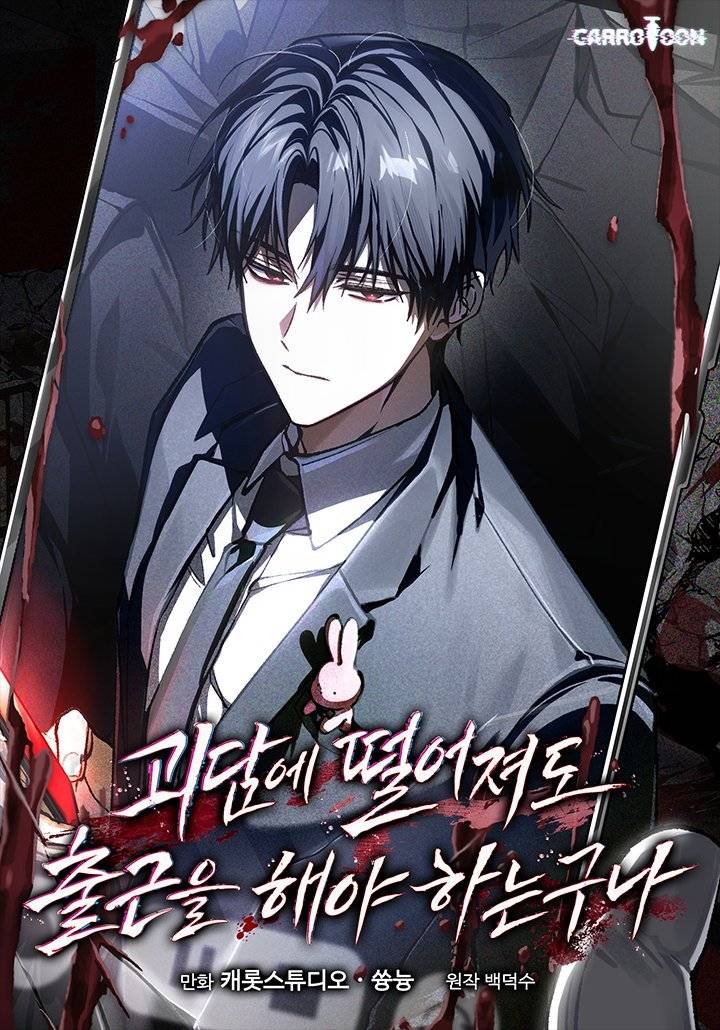
By pairing Carrotoon’s production prowess with the artistic talents of syunnyun—best known for their work on I Failed to Out the Villain—the publishers are ensuring that the series possesses a distinct, high-end aesthetic. The fusion of horror-themed character designs with the fluid, cinematic pacing that defines modern manhwa is expected to set a new standard for the genre.
Supporting Data: The Magnitude of the Webnovel
The anticipation surrounding this webtoon is not unfounded. The source material, penned by Baek Deok-su, is a statistical anomaly in the world of web-literature. As of June 2026, the webnovel has accumulated over 370 million views on KakaoPage. To put that into perspective, it trails the industry-defining Solo Leveling webnovel by only 100 million views—a gap that is closing rapidly as the series continues to expand its reach.
The engagement metrics for the novel indicate a highly dedicated fanbase, particularly among readers who appreciate the "meta" commentary on modern survival tropes. The consistent growth of these numbers proves that readers are not just interested in the horror elements, but in the intricate world-building that allows the story to sustain itself over hundreds of chapters without losing momentum.

The Localization Crisis: An Industry Failure
Despite the massive success of Korean digital literature, there is a glaring, systemic issue that continues to plague the global market: the lack of official English localization. While Omniscient Reader and Solo Leveling eventually received broad international support, thousands of titles with similar commercial potential remain trapped behind language barriers.
As of this writing, Got Dropped into a Ghost Story has no announced English release. This is a missed opportunity for the industry on several fronts:
- Revenue Loss: The demand for high-quality, legally accessible content is at an all-time high. When fans cannot access official translations, they are forced to turn to fan-translations or piracy sites. This prevents the creators from receiving royalties and discourages investment in future localization projects.
- Community Fragmentation: A global audience is key to turning a successful Korean work into a global cultural phenomenon. The delay in localization creates a "spoiler gap," where international fans are disconnected from the discourse surrounding the series, effectively killing the momentum before it can cross borders.
- Market Stagnation: The perception that "only certain genres sell" in the West is a self-fulfilling prophecy. By refusing to license titles that are already proven hits in Korea, publishers are failing to cultivate a diverse market for international readers.
Implications for the Future of Webtoons
The transition of Got Dropped into a Ghost Story from text to webtoon marks a critical juncture for the industry. It represents a shift toward more niche, atmospheric genres (horror-isekai) being treated with the same production budget as grand-scale action fantasies.
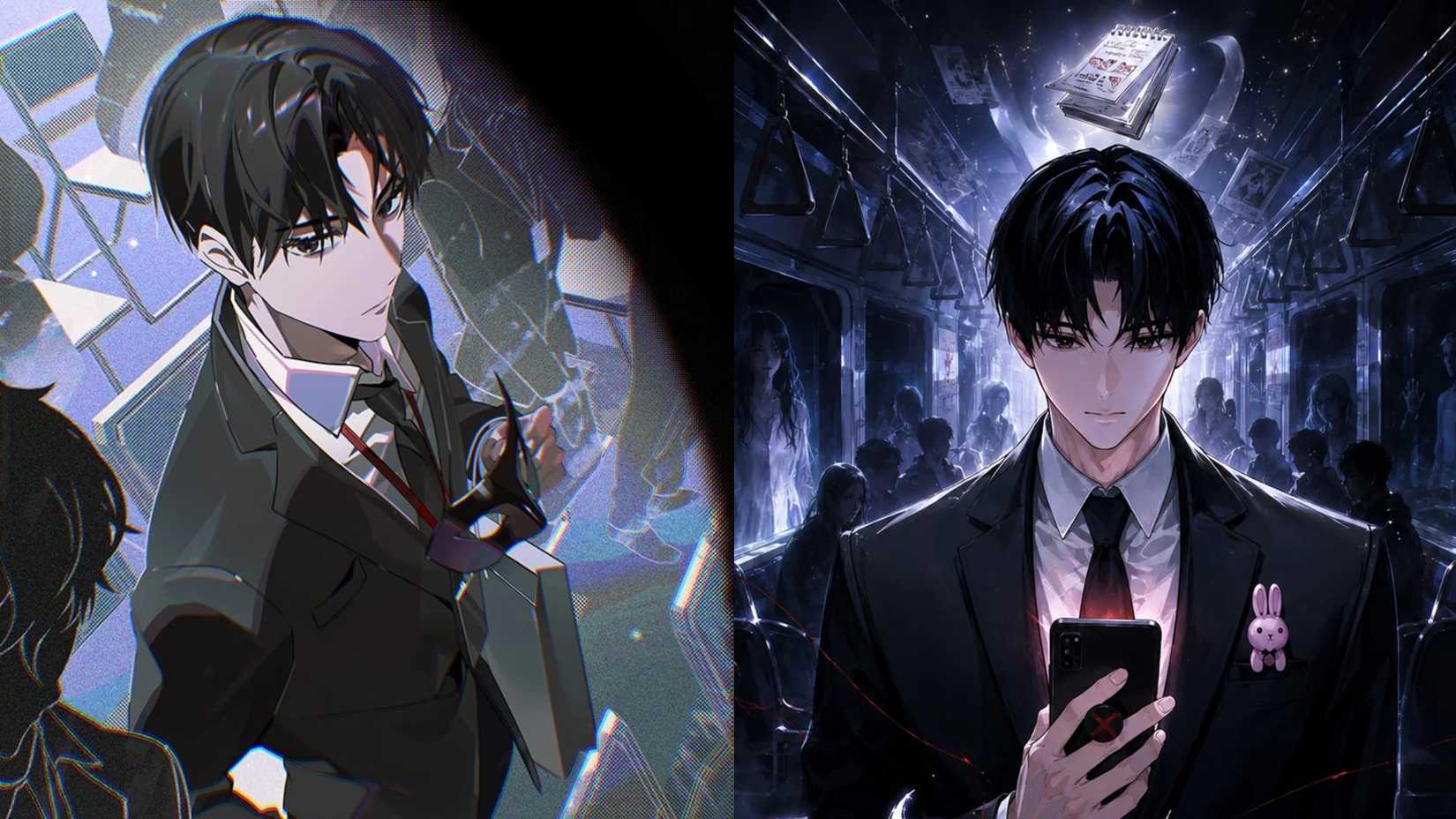
If this series succeeds—and early indicators suggest it will—it could signal a broader trend of studios investing in "psychological survival" stories over traditional "leveling-up" tropes. However, the success of this shift remains contingent on the willingness of platforms like KakaoPage and their international partners to streamline the localization process.
The industry is currently at a crossroads. As the gap between the release of a hit in Korea and its availability in the West widens, the patience of the global audience is wearing thin. Got Dropped into a Ghost Story has all the makings of the next international sensation, provided the industry can overcome the logistical hurdles that currently keep it confined to a domestic audience.
As we look toward the 2027 season, with the highly anticipated Omniscient Reader anime on the horizon, the conversation is no longer just about which stories are being told, but about who gets to read them. For now, the world waits for Kim Soleum, hoping that his journey into the abyss of ghost stories will soon be accessible to everyone, everywhere. Until then, the series stands as a testament to the power of the medium, and a cautionary tale regarding the industry’s struggle to keep pace with its own global reach.











No comments yet. Be the first to join the conversation!