Jia Lissa
In an era where artificial intelligence is becoming the bedrock of global economic and geopolitical power, a new front has opened in the shadow war between the United States and China. OpenAI, the developer behind the world’s most recognizable AI model, ChatGPT, recently released a sobering June 2026 threat report detailing how foreign actors are weaponizing American-made technology to destabilize U.S. energy policy and domestic public opinion.
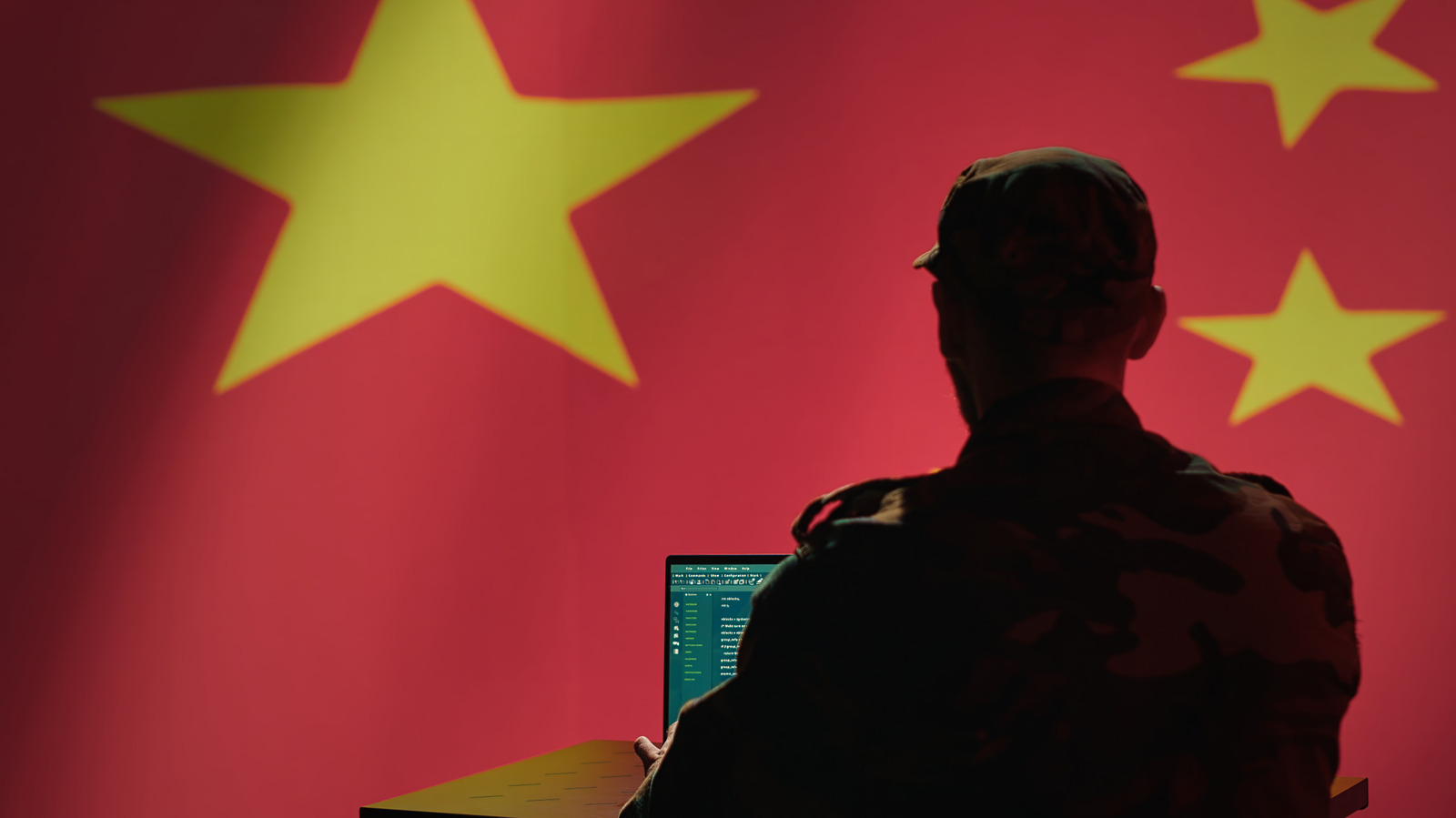
According to the report, OpenAI identified and dismantled two distinct "clusters" of accounts originating from China. These accounts were actively engaged in a disinformation campaign designed to exploit growing American anxieties surrounding the rapid expansion of energy-intensive AI data centers. The revelation marks a significant escalation in the use of generative AI as a tool for "influence operations," highlighting a profound irony: the very technology driving the U.S. digital revolution is being turned against its own infrastructure.
The Main Facts: Exposing the "Data Center Bandwagon"
The investigation by OpenAI’s security team pinpointed two primary networks of accounts that had successfully bypassed Chinese firewalls to access the ChatGPT platform. These clusters were not merely passive users; they were operational units executing coordinated messaging strategies.
The most notable group, dubbed by OpenAI researchers as the "Data Center Bandwagon," focused its efforts on a domestic "wedge issue." Recognizing that American communities are increasingly wary of the massive power consumption associated with AI data centers, this group utilized ChatGPT to generate social media content—including cartoons and viral-style posts—that blamed the surging cost of electricity for U.S. households directly on the presence of these facilities.
By weaving together genuine, publicly available data regarding power grid auctions and energy price hikes, the campaign sought to manufacture a narrative that AI infrastructure was a direct threat to the financial well-being of the average American family. Beyond this domestic agitation, the same cluster was caught targeting overseas Chinese dissidents, most notably the activist Li Ying, known online as "Teacher Li." This connection provided researchers with the critical link needed to trace the operational hub of the campaign back to China.
A Chronology of Subversion
The timeline of these operations underscores a persistent effort by state-linked actors to probe the vulnerabilities of American social discourse.
- Early 2026: OpenAI security teams began noticing anomalous activity patterns in accounts accessing ChatGPT from restricted geographic regions. These accounts utilized sophisticated VPN and firewall-circumvention techniques to blend in with legitimate traffic.
- Spring 2026: The "Data Center Bandwagon" initiative gained momentum. During this period, the accounts began producing high volumes of content—specifically cartoons and infographics—that linked U.S. technological infrastructure to economic instability.
- May 2026: The secondary cluster, focused on "technology and tariffs," intensified its efforts. These accounts shifted the narrative from domestic energy prices to the broader U.S.-China trade war. Using English-language content, they pushed misinformation regarding rare earth mineral supplies, AI manufacturing dominance, and trade tariffs.
- June 2026: OpenAI released its comprehensive threat report, formally exposing the campaigns and announcing the mass suspension of the identified accounts. The report officially characterized the operations as an attempt to connect U.S. technological policy to "everyday economic anxieties."
Supporting Data: Measuring the "Breakout Scale"
One of the most critical questions regarding such campaigns is their effectiveness. In the field of digital influence, the "Breakout Scale" is the industry standard for measuring whether a disinformation narrative has escaped the "silo" of its origin and reached a broader, organic audience.
OpenAI’s report classified the Chinese campaigns as a "Category One" on the Breakout Scale—the lowest level of impact. Category One campaigns are those that remain isolated on a single platform, failing to generate significant cross-platform engagement or mainstream media coverage. Despite the sophisticated use of AI-generated cartoons and doctored marketing imagery, the campaign failed to gain viral traction. Most posts on X (formerly Twitter) saw minimal interaction, suggesting that the "Data Center Bandwagon" failed to manipulate the broader American public effectively.
However, the lack of immediate impact does not mitigate the danger. Researchers note that the campaign utilized "hybrid" tactics—combining AI-generated graphics with legitimate links to actual regional news reports. By anchoring their disinformation in real, verifiable news, the bad actors hoped to add a layer of credibility to their manufactured outrage.
The Broader Implications: Why It Matters
The significance of these findings extends far beyond the immediate failure of the disinformation attempt. The report serves as a case study for the "double-edged sword" nature of the modern AI ecosystem.
Geopolitical Destabilization
The campaign was not merely about data centers; it was about the cultivation of mistrust. By attempting to frame U.S. institutional policies—such as the rapid build-out of AI infrastructure—as a direct attack on the working class, these foreign actors sought to deepen existing political polarization. The goal is clear: if the American public can be turned against their own government’s technological ambitions, the U.S. will face domestic friction that slows its progress in the global AI race.
The Vulnerability of Public Infrastructure
The choice of "data centers" as a target was calculated. In the United States, there is already significant grassroots resistance to the construction of large-scale data centers. Recent polling from Gallup indicates that more Americans would oppose a data center in their neighborhood than a nuclear power plant. By latching onto this genuine public sentiment, foreign operatives were able to amplify an existing anxiety, demonstrating a sophisticated understanding of the American cultural landscape.
A Precedent for Future Operations
This is not an isolated incident. The report reminds us that Chinese-linked actors have previously attempted to misuse the platform for covert influence, including an effort to disrupt the administration of the Japanese Prime Minister earlier in 2026. That effort, like the current one, was largely thwarted by the safety guardrails built into the ChatGPT model. As these tools become more powerful, the cat-and-mouse game between AI developers and state-sponsored propagandists is expected to intensify.
Official Responses and the Road Ahead
OpenAI has maintained a position of transparency regarding these threats. By publishing the June 2026 threat report, the company is signaling its commitment to preventing its tools from being weaponized against the infrastructure of the nation where the technology was birthed.
"Both clusters attempted to connect US technology policies and industries to everyday economic anxieties and geopolitical instability," the report stated. The company’s response has been decisive: identifying the clusters, banning the accounts, and, in the case of the "Data Center Bandwagon," linking the activity to a known Chinese government contractor.
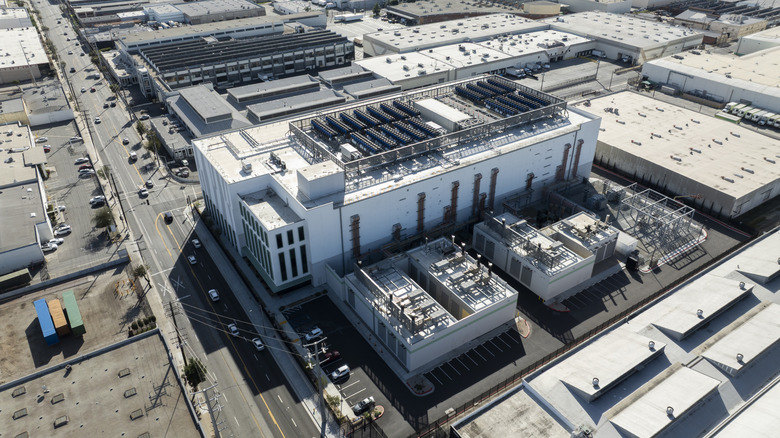
However, the threat landscape remains volatile. With many U.S. states currently embroiled in legislative battles over whether to allow, delay, or block the construction of new AI data centers, the "disinformation fodder" is plentiful. As one farmer in Pennsylvania recently demonstrated by turning down a $15 million payout to keep an AI facility out of his backyard, the local opposition is real, passionate, and ripe for exploitation.
As the world watches the tug-of-war between technological progress and local preservation, the revelation of this campaign serves as a stark reminder: the digital battlefield is no longer confined to secure servers. It is in our social media feeds, our local town council meetings, and our conversations about the price of electricity. The battle for the future of AI is not just being fought in the lab, but in the court of public opinion—a court that is increasingly under siege by invisible, foreign hands.


 Ali Ikhwan
 Rifan Muazin