Dwi Wanna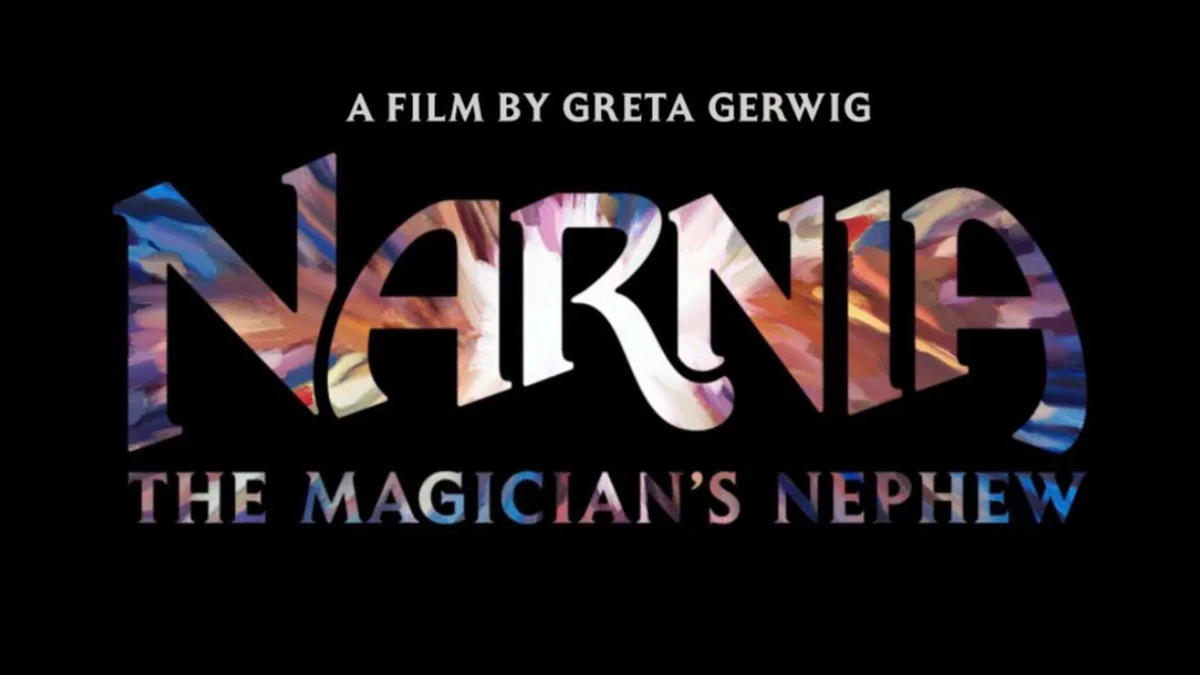
The landscape of fantasy cinema is on the precipice of a seismic shift. When Netflix announced that visionary director Greta Gerwig would be taking the helm of C.S. Lewis’s beloved The Chronicles of Narnia series, expectations were already high. However, with the unveiling of the first promotional assets for the inaugural film, The Magician’s Nephew, Gerwig has signaled that she is not merely adapting a classic—she is deconstructing it.
The debut of the film’s logo, paired with revelations regarding her "rock ’n’ roll" creative philosophy and a radical casting choice for the series’ central deity, has ignited a fierce, global conversation. As the February 12, 2027, release date looms, the industry is left to wonder: can a franchise steeped in mid-century traditionalism survive a modern, subversive transformation?
Main Facts: The Anatomy of a Rebrand
The initial reveal, shared via social media and detailed in the latest issue of Empire magazine, centers on a visual identity that departs sharply from the established aesthetic of the 2005 Disney-led film series.
The new logo for The Magician’s Nephew abandons the rigid, historical serif fonts that defined the previous adaptations. Instead, it opts for a contemporary, fluid typeface characterized by swooping letterforms and rounded, organic edges. This shift toward "childlike wonder" is further emphasized by the color palette: a vibrant, ethereal burst of light radiating from the center of the text, blending deep purples, fiery oranges, and electric blues against a stark, minimalist black background.
Beyond the typography, the production has confirmed that the iconic lion, Aslan—the moral and spiritual center of the Narnian universe—will be voiced by Academy Award-winner Meryl Streep. This decision, while technically a voice-acting role, implies a deliberate shift in the character’s presence, moving away from the booming, patriarchal authority of past portrayals toward something perhaps more nuanced, maternal, and enigmatic.
Chronology: From Announcement to Backlash
The journey to this current moment has been a rapid evolution of public sentiment:
- Initial Acquisition (2018–2023): Netflix secured the rights to the entirety of C.S. Lewis’s The Chronicles of Narnia in 2018, leading to years of speculation regarding who would be tasked with the daunting responsibility of adapting the seven-book series.
- The Gerwig Appointment (2023): Following the massive success of Barbie, Greta Gerwig was confirmed as the writer and director for at least two films in the series, signaling Netflix’s intent to pivot toward an auteur-driven approach.
- The "Empire" Reveal (September 2026): The publication of the Empire cover story provided the first tangible look at the project. It confirmed The Magician’s Nephew as the starting point and introduced the world to the "rock ’n’ roll" tonal shift.
- The Digital Firestorm (September 2026–Present): Within hours of the logo’s reveal on X (formerly Twitter), the internet fractured. The visual language—specifically the juxtaposition of the magical light-burst against the modern font—became a focal point for intense discourse regarding artistic integrity versus brand loyalty.
Supporting Data: Design Philosophy and Fan Reception
To understand the friction surrounding this project, one must examine the role of visual semiotics in legacy franchises. In design circles, the transition from a "classic" look to a "contemporary" one is rarely smooth.
The Design Shift
The previous Narnia aesthetic was rooted in the visual language of high-fantasy epics: gold-leaf textures, heavy, chiseled serif lettering, and a color palette of muted earth tones. This design signaled "heritage" and "loyalty to the source material."
Gerwig’s new logo, conversely, borrows from modern digital design. It prioritizes luminosity and fluidity, suggesting that the "magic" of Narnia is not a relic of the past, but a living, breathing energy. While some design critics argue this is a necessary evolution to attract a younger, digital-native audience, others view the lack of traditional "sword-and-sorcery" motifs as a dilution of the franchise’s identity.
The Audience Divide
Public reaction on social media has been polarized to an extreme degree.
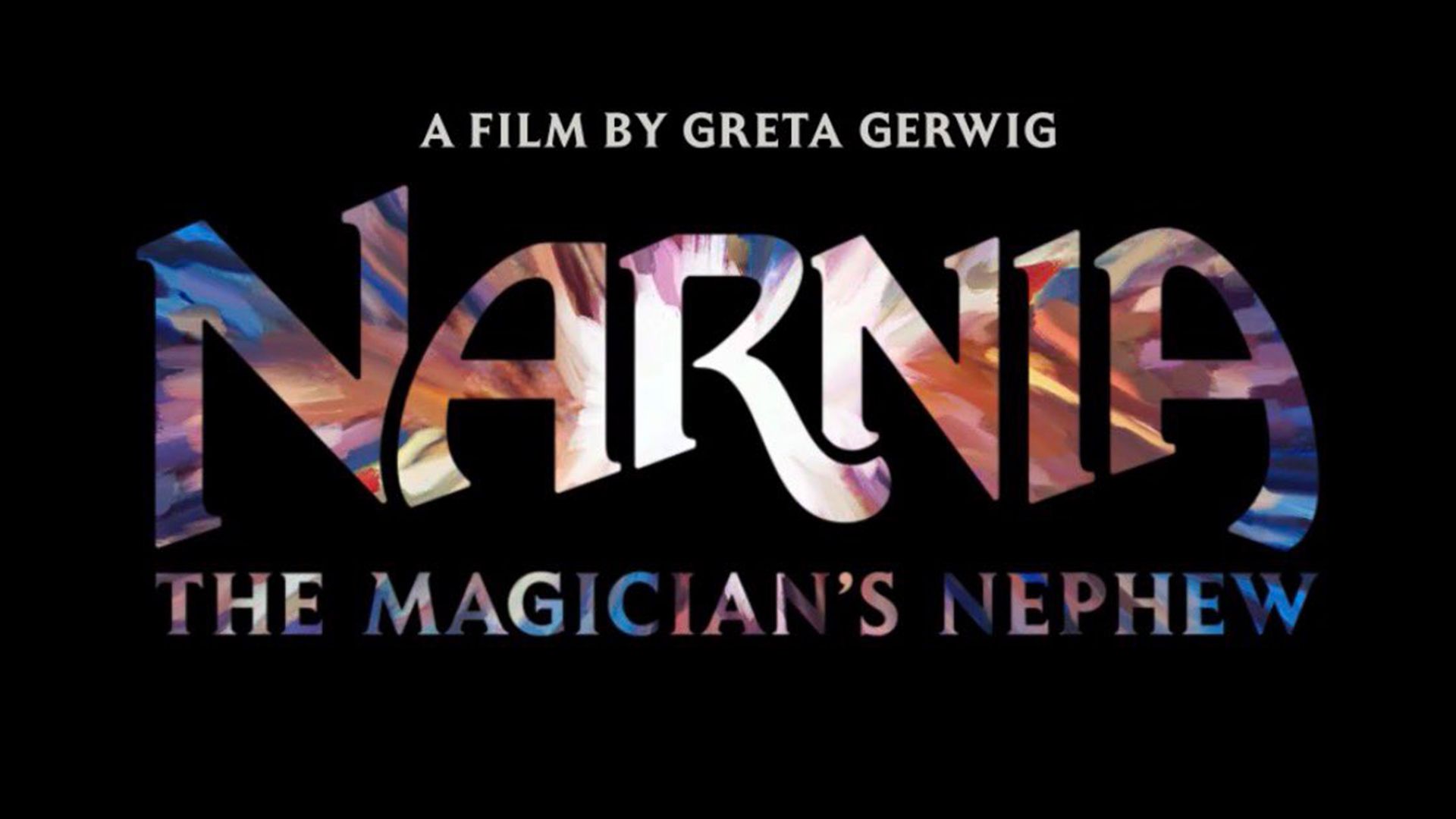
- The Detractors: A vocal segment of the fanbase has accused the aesthetic of being "too digital" or "too corporate," with some users explicitly comparing the neon-soaked logo to the aesthetics of the Tron franchise. Others have politicized the move, labeling the stylistic shift as "woke," suggesting that the departure from the source material’s traditionalist aesthetic is an attempt to force modern sensibilities onto a timeless story.
- The Advocates: Conversely, a significant portion of the audience is championing the change. Supporters point to Gerwig’s track record, noting that her ability to imbue Barbie with depth and cultural relevance is exactly what a dormant franchise like Narnia needs. For these fans, the "magical" and "exciting" aesthetic represents a refreshing break from the tropes of generic fantasy.
Official Responses and Creative Intent
Greta Gerwig has been careful to frame her adaptation as a "revolutionary" take. In her interview with Empire, she described the process as an attempt to capture the "rock ’n’ roll" spirit of Lewis’s writing—a comment that has been interpreted by some as a hint toward the film’s pacing, tone, and musicality.
While Netflix has not issued a formal statement regarding the backlash, the studio’s silence is telling. By allowing the controversy to build, the platform is effectively generating a level of engagement that most big-budget films struggle to achieve until their second or third trailer. The casting of Meryl Streep as Aslan is perhaps the strongest signal that the production team is prioritizing performance-led gravitas over the "creature-feature" expectations of the early 2000s.
Implications: The Future of Fantasy Franchising
The controversy surrounding Narnia: The Magician’s Nephew is a microcosm of a larger issue in Hollywood: how to reboot established intellectual property (IP) without alienating the "purist" core while simultaneously capturing a new generation.
1. The Death of the "Safe" Reboot
If Gerwig’s film succeeds, it will prove that audiences are hungry for auteurs who aren’t afraid to break the "rules" of an established franchise. If it fails, the industry will likely retreat into safer, more conservative visual and narrative territory for the next decade.
2. The Power of "Auteur" Branding
By positioning the film as "Greta Gerwig’s Narnia," Netflix is selling the director’s name as much as the story itself. This shift from "studio-led" to "director-led" branding is becoming the standard for major streaming platforms looking to differentiate their output.
3. The Digital Aesthetic Transition
The shift toward more luminous, high-contrast, and "magical" branding (as seen in the logo) reflects a broader transition in film marketing, where the need for a "thumb-stopping" social media aesthetic often outweighs the need for traditional, thematic branding.
Conclusion: A Wait-and-See Approach
As we move toward the 2027 release date, the conversation will undoubtedly shift from the logo to the performance of Meryl Streep and the structural integrity of the adaptation itself. Whether the "rock ’n’ roll" energy of this Narnia will manifest as a brilliant, genre-defining masterpiece or a divisive experiment remains to be seen.
For now, the project stands as a testament to the risks of artistic ambition. Greta Gerwig has proven that she is willing to move the goalposts of what a Narnia film can be. In doing so, she has created something far more valuable than a simple logo: she has created an event that the world is, for better or worse, unable to ignore.
For those interested in the evolution of modern design and film, the conversation continues in the latest issues of major arts and culture publications, as the industry watches closely to see if Gerwig’s bold gamble will pay off at the global box office.

 Ali Ikhwan
 Layla Zulfa