Lina Irawan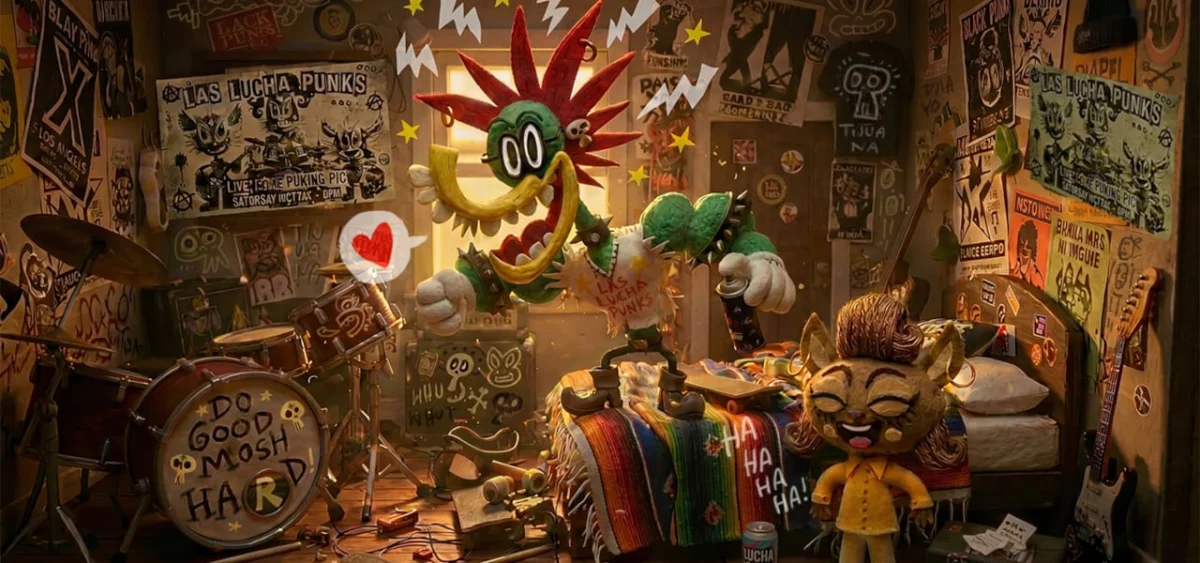
In a seismic shift for the animation industry, Amazon MGM Studios has officially announced a new production initiative designed to integrate generative artificial intelligence (AI) directly into the core of its animation pipeline. By leveraging the immense computational infrastructure of Amazon Web Services (AWS), the studio aims to streamline production workflows, accelerate asset generation, and revolutionize previsualization.
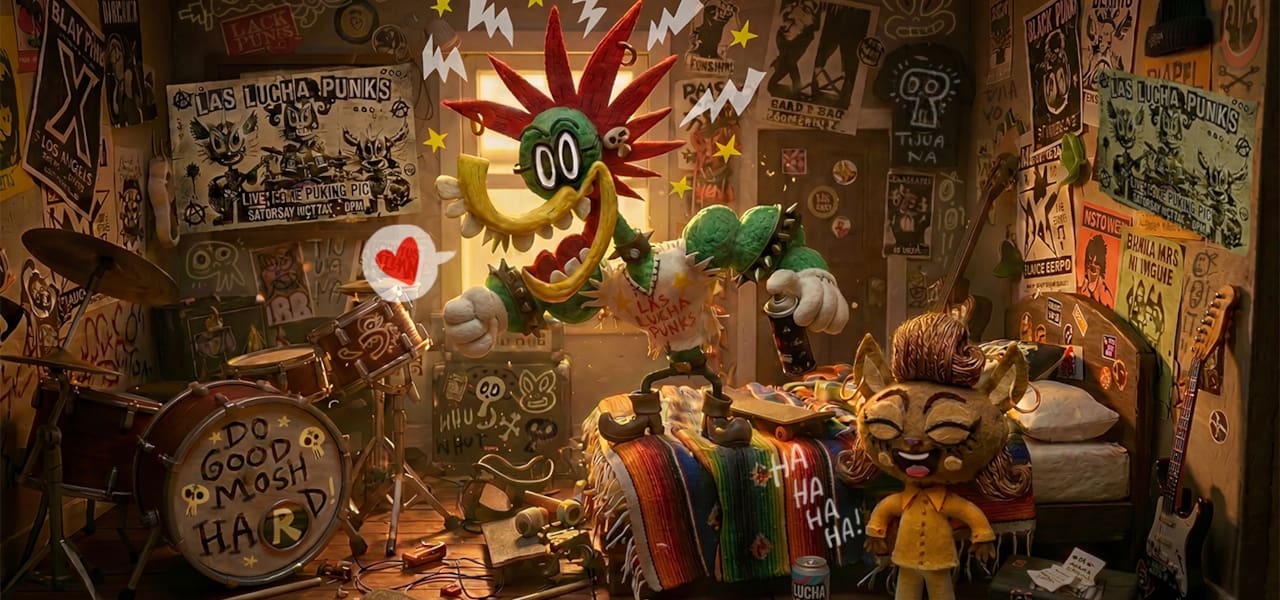
However, the announcement has sparked immediate debate within the animation community, primarily due to the involvement of acclaimed director Jorge R. Gutierrez, the visionary behind The Book of Life and Maya and the Three. While Amazon’s slate also includes projects from BuzzFeed Studios and former Nickelodeon executive Albie Hecht, it is Gutierrez’s new series, Punky Duck, that has become the focal point of a larger, industry-wide conversation regarding the ethical use of AI and the preservation of human craftsmanship.
The New Frontier: Amazon’s GenAI Slate
Amazon’s strategy is clear: they are positioning themselves at the vanguard of a technological transformation. The initiative focuses on utilizing AI-driven tools to collapse the traditional timelines of animation production. The inaugural slate of projects is diverse in pedigree:
- Cupcake & Friends: A project from BuzzFeed Studios, signaling a move toward digital-first content creation at a rapid scale.
- Love, Diana Music Hunters: Spearheaded by industry veteran Albie Hecht, reflecting the push to bring legacy broadcast sensibilities into the era of automated production.
- Punky Duck: An original concept by Jorge R. Gutierrez, described as an adrenaline-fueled romp through an exaggerated Los Angeles, featuring a punk duck and a Smiley Cat navigating alien invasions, robot conspiracies, and supernatural mayhem.
For Amazon, this is not merely about cost-cutting; it is about infrastructure. By pairing the creative resources of Amazon MGM Studios with the backend power of AWS, the company intends to create a “genAI-native” production pipeline that allows smaller teams to accomplish the visual complexity previously reserved for major studio blockbusters.
A Chronology of the Shift
The move comes on the heels of several industry-wide experiments.
- Late 2025: Rumors began circulating regarding Amazon’s internal research into large-scale generative models tailored specifically for character rigging and background painting.
- Early 2026: Netflix announced the launch of a dedicated “genAI-native” animation studio, signaling that the industry’s largest players were no longer just experimenting, but actively building a new production model.
- May 2026: Amazon MGM Studios officially greenlit its AI-supported slate. Punky Duck was reportedly moved from pitch to greenlight in just two months—an unprecedented speed in an industry where development cycles often span years.
Jorge R. Gutierrez: The Conflict of Art and Automation
The inclusion of Jorge R. Gutierrez in this initiative has been met with both curiosity and skepticism. Gutierrez is widely respected for his fierce advocacy for artists, his distinct, handcrafted visual style, and his outspoken critiques of studio practices that undervalue the labor of animators.
In an exclusive statement provided to Cartoon Brew, Gutierrez sought to address the dissonance between his reputation and this new partnership:
"It’s a big experiment for me and I will be as cautious as possible with AI. Artists driving tech, and not the other way around, is my goal. I’ve been developing things at most legacy studios for years and Punky Duck, to my complete surprise, went to greenlight in two months from my first pitch. Cautiously optimistic of what we can accomplish with the support of Amazon MGM Studios. Taking a chance on an original feels like a miracle these days!"
Gutierrez’s comments underscore a complex reality: the industry is so starved for original, creator-driven content that filmmakers are increasingly willing to navigate the ethical minefield of new technology if it provides a path to getting their work seen.
Supporting Data: The Efficiency Dilemma
The drive toward generative AI is fueled by hard economics. According to industry analysts, the cost of high-end 3D animation has risen by nearly 30% over the last five years, driven by inflation in labor costs and the growing demand for visual fidelity.
Proponents of the AWS-backed pipeline argue that by automating the “grunt work”—such as the generation of secondary background assets, basic character movement templates, and iterative previsualization—studios can reallocate budgets toward higher-level creative tasks. However, critics, including members of the Animation Guild, point to the “black box” nature of these models.
Questions remain regarding:
- Data Provenance: What images were used to train the models? If the models were trained on the works of living artists without consent, the legal and ethical implications are severe.
- Job Displacement: If previsualization and asset generation are automated, will entry-level positions for animators and layout artists be eliminated, effectively closing the pipeline for new talent to enter the industry?
Implications for the Animation Pipeline
The shift toward AI-supported production is fundamentally changing the creative hierarchy. In a traditional workflow, the director works through layers of supervisors, layout artists, and animators to realize a vision. In the Amazon/AWS model, the director interacts directly with generative tools to iterate on shots.
The Role of the Creative
As these systems evolve, the role of the creative lead shifts from a "doer" to a "curator." While this offers unprecedented control for someone like Gutierrez, it places a massive burden on the director to ensure the final product retains a human "soul." The risk is that the output becomes homogenized—a generic aesthetic produced by algorithms that favor statistical probability over creative risk-taking.
.png)
Labor Concerns and Unionization
The animation industry is currently at a boiling point. The recent push by studios to adopt AI has accelerated discussions among labor organizations about how to protect human creators. The concern is that studios may use these tools not to "augment" artists, but to replace them, leading to a leaner workforce that is expected to do more with less.
The success of Punky Duck will likely be used by Amazon as a case study for future projects. If the show achieves high viewership and production cost-savings, other studios will inevitably follow suit, further entrenching generative AI in the standard professional pipeline.
The Future: A Mirage or a Miracle?
Is this a "miracle," as Gutierrez suggests, or the beginning of the end for the traditional studio craft? The reality likely lies in the middle.
The animation industry has survived previous technological transitions—from the move from hand-drawn to digital ink and paint to the adoption of 3D modeling and motion capture. Each time, there was a period of intense anxiety regarding the death of "art." Yet, in every instance, the technology eventually became a tool that humans mastered to create new forms of expression.
However, generative AI is different. Unlike a digital pen, which is a passive tool, generative AI is an active participant in the creative process. It makes choices, mimics styles, and automates judgment.
As Amazon moves forward with Punky Duck, the entire industry will be watching. The success of the project will not be measured solely by its ratings on Prime Video, but by whether the final work feels like a Gutierrez film, or if it feels like a product of the machine. For now, the animation world remains in a state of "cautious optimism," balanced precariously between the desire for innovation and the desperate need to protect the human hands that have defined the medium for over a century.

 Sagoh
Sagoh