

The hallmark of a great film is its ability to withstand the passage of time. However, the true litmus test for a masterpiece—particularly within the demanding genre of science fiction—is its capacity for "infinite rewatchability." While many films offer a singular, satisfying experience that concludes when the credits roll, the most enduring sci-fi classics operate differently. They are architectural feats of storytelling that reveal new structural integrity, thematic depth, and narrative complexity with every subsequent viewing.
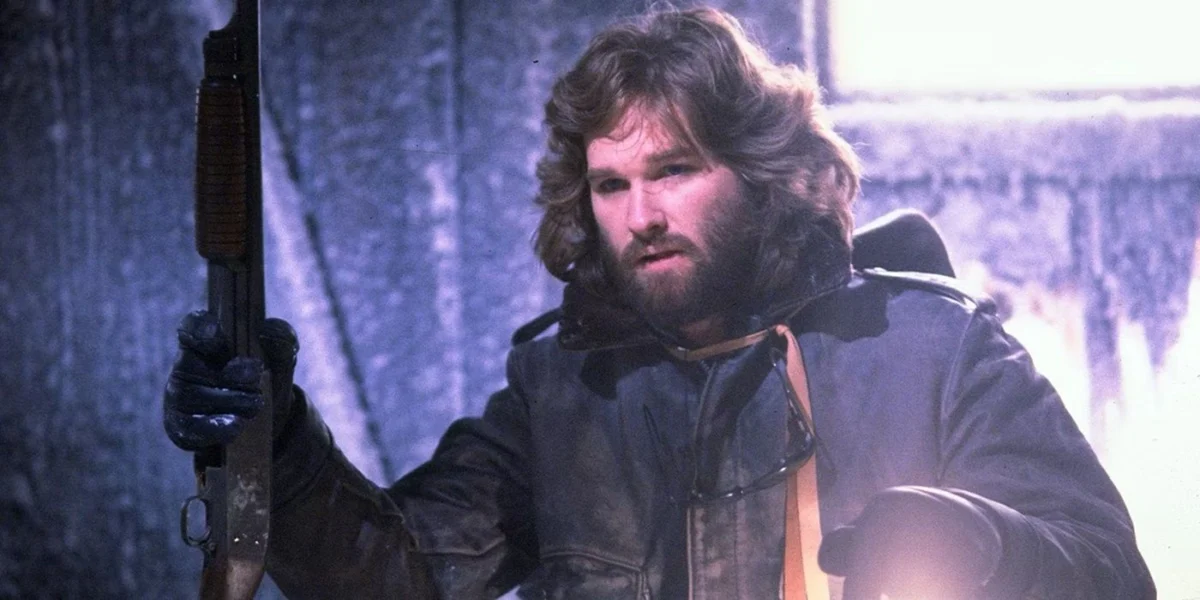
Whether it is the labyrinthine dream logic of Christopher Nolan’s Inception or the haunting, atmospheric dread of John Carpenter’s The Thing, these films do not merely repeat a performance; they evolve alongside the viewer. As our own perspectives shift and our understanding of their intricate mechanics deepens, these movies transform from passive entertainment into active, intellectual exercises.
The Mechanics of Rewatchability: Why We Return
The phenomenon of the "endlessly rewatchable" film is rooted in cognitive engagement. Science fiction, by nature, often introduces complex rulesets—time travel, quantum entanglement, or alien physiology—that are difficult to fully grasp in a single sitting. The first viewing is frequently a process of orientation, where the audience is occupied simply with deciphering the plot.
However, upon the second or third watch, the "cognitive load" of tracking the narrative is lifted. This allows the viewer to focus on the finer details: the foreshadowing hidden in a background frame, the subtle shifts in a character’s performance, or the philosophical underpinnings of the world-building. For the following films, this transition from confusion to mastery is where the true joy of cinema lies.

Chronology of Complexity: A Deconstruction
1. ‘Inception’ (2010): The Architecture of Dreams
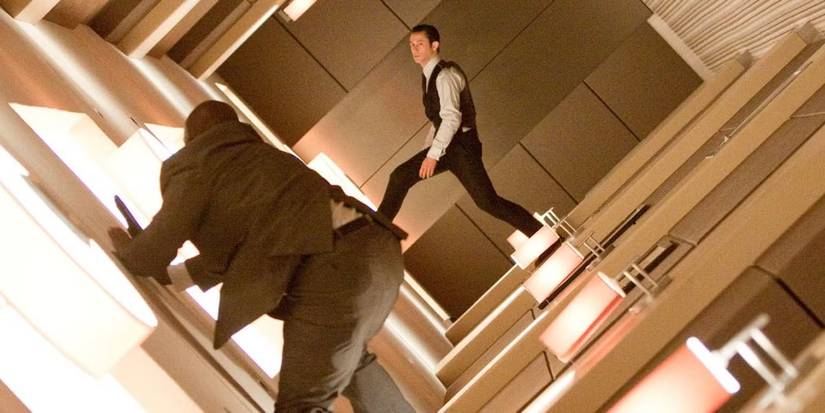
Christopher Nolan’s Inception remains a benchmark for high-concept blockbuster filmmaking. By blending the heist genre with the malleable reality of the subconscious, Nolan created a film that demands total attention. On a first watch, the stakes are dictated by the adrenaline of the mission; on subsequent watches, the film becomes a meta-commentary on the act of filmmaking itself. The layers of the dream state become increasingly clear, and the emotional tether—Dom Cobb’s longing for his children—gains gravity as the technical artifice recedes. The infamous final shot, which leaves the audience questioning the nature of reality, only grows more provocative as one learns to spot the tiny, overlooked details that might hint at the truth.
2. ’12 Monkeys’ (1995): The Tragedy of the Closed Loop
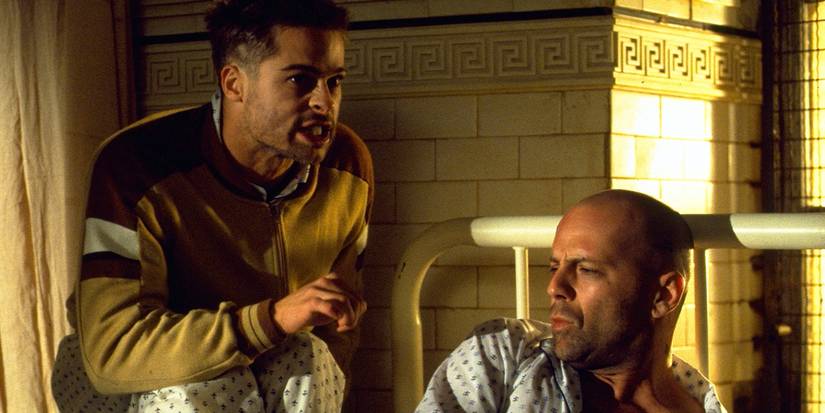
Terry Gilliam’s 12 Monkeys is a masterclass in fatalism. Following James Cole (Bruce Willis) as he travels back in time to prevent a global pandemic, the film is initially framed as a standard mystery: Can he stop it? The brilliance of the film, which becomes apparent only after the first viewing, is that the answer is irrelevant. 12 Monkeys is a "closed-loop" narrative, meaning the protagonist’s actions are the very things that cause the future he is trying to avert. Rewatching it transforms the experience from a thriller into a profound tragedy, where every line of dialogue is imbued with a crushing sense of irony.
3. ‘Coherence’ (2013): The Pattern Recognition Puzzle
James Ward Byrkit’s Coherence stands as the definitive low-budget triumph of the modern era. Set entirely in a single house during a dinner party, the film explores the consequences of a comet passing overhead, causing reality to fracture into multiple, overlapping timelines. Because the film is intentionally chaotic, the first watch is an exercise in disorientation. Yet, because the plot is mathematically sound, it is designed for pattern recognition. Every rewatch allows the viewer to act as a detective, mapping which characters from which timeline are present in the room, turning the film into an addictive intellectual game.
4. ‘Primer’ (2004): The Gold Standard of Intellectual Rigor
Shane Carruth’s Primer is perhaps the most daunting entry on this list. With a budget of only $7,000, it manages to execute a time-travel narrative so dense and technically precise that it is virtually impossible to map out without a flowchart. The film does not hold the audience’s hand; it drops them into the deep end of engineering and ethics. Consequently, Primer is less of a movie and more of an academic project. Each viewing provides a new "aha!" moment, as viewers begin to untangle the overlapping timelines of Abe and Aaron, revealing a story not just about time travel, but about the slow erosion of human trust.
5. ‘Interstellar’ (2014): The Emotional Gravity
While Inception focuses on the structure of the mind, Interstellar focuses on the structure of the universe and the heart. Christopher Nolan’s epic utilizes genuine scientific theory—black holes, time dilation, and gravity—to ground its high-stakes space exploration. However, the reason for its enduring rewatchability is its emotional core: the relationship between Cooper (Matthew McConaughey) and his daughter, Murph. The second viewing allows the audience to look past the technical awe of the visual effects and focus on the temporal tragedy of a father watching his daughter grow old while he remains young.
6. ‘Blade Runner’ (1982): The Moody Masterpiece
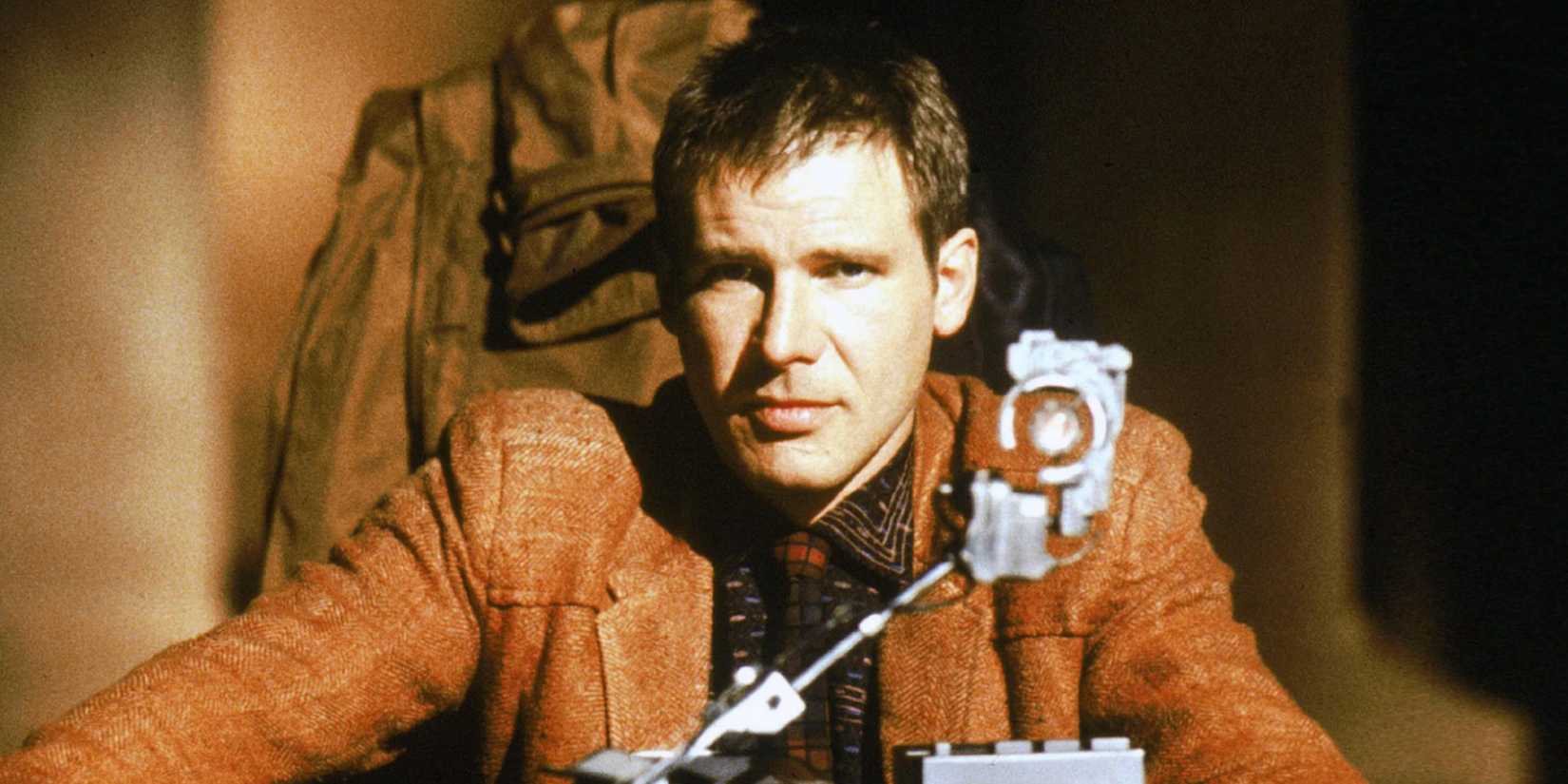
Ridley Scott’s Blade Runner is the definitive sci-fi noir. When it debuted, its slow pacing was criticized by mainstream audiences, yet that exact pacing is what makes it a treasure today. It is a film that breathes. On a rewatch, one finds that the atmosphere—the neon rain, the Vangelis score, the decay of Los Angeles—is just as important as the hunt for the replicants. It is a philosophical meditation on what constitutes a "soul," and its ambiguity regarding Deckard’s own nature ensures that it remains the subject of debate more than four decades later.

7. ‘The Thing’ (1982): Paranoia as a Fine Art
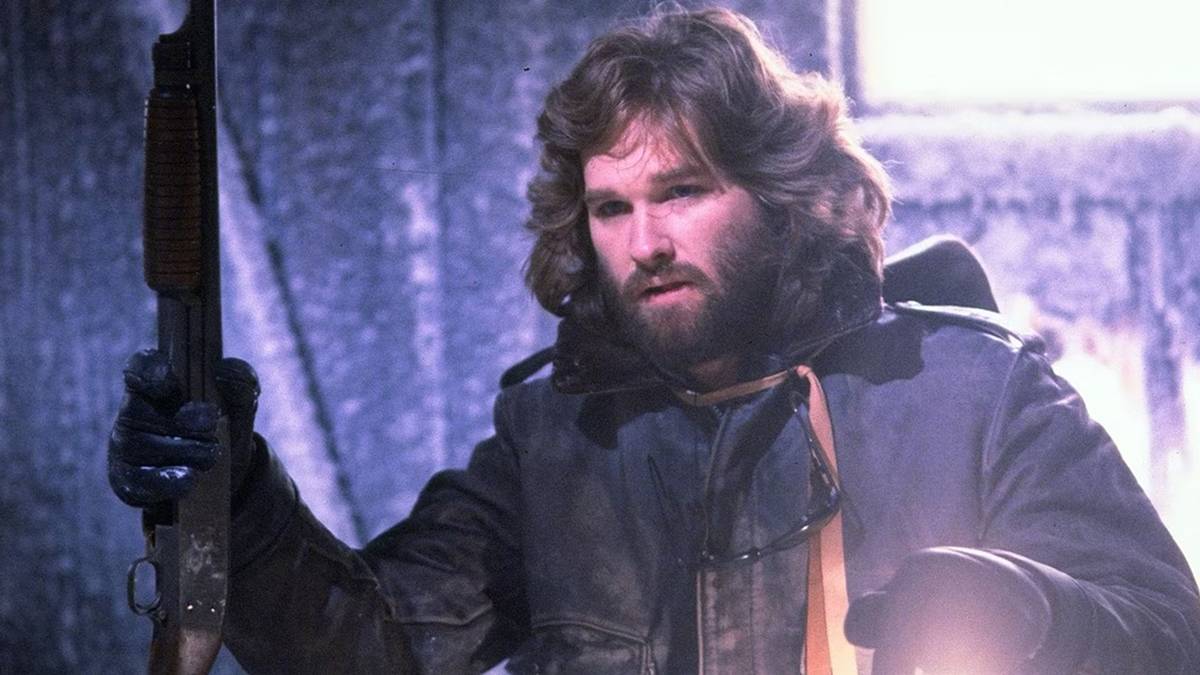
John Carpenter’s The Thing is the ultimate study in human mistrust. Set in an isolated Antarctic research station, the film pits a group of men against a shapeshifting alien that can imitate any living creature. Because the audience is never told who is human and who is "the thing," the first viewing is defined by sheer visceral horror. Subsequent viewings, however, reveal the brilliance of the acting. Viewers can study the subtle glances, the hesitations, and the defensive body language of the characters, creating a "whodunnit" experience that is as tense as it is horrifying.
8. ‘Donnie Darko’ (2001): The Cult of Speculation
Richard Kelly’s Donnie Darko is a film that essentially birthed a generation of internet theorists. With its cryptic lore involving tangent universes and manipulated living, the film is deliberately obtuse. Like Primer, it demands multiple viewings to even approach a coherent understanding of the plot. But beyond the mechanics of time travel, it is a deeply moving exploration of teenage alienation and sacrifice. The music, the imagery, and the haunting performance of Jake Gyllenhaal ensure that the film never loses its power to fascinate, regardless of whether you have "solved" the puzzle or not.
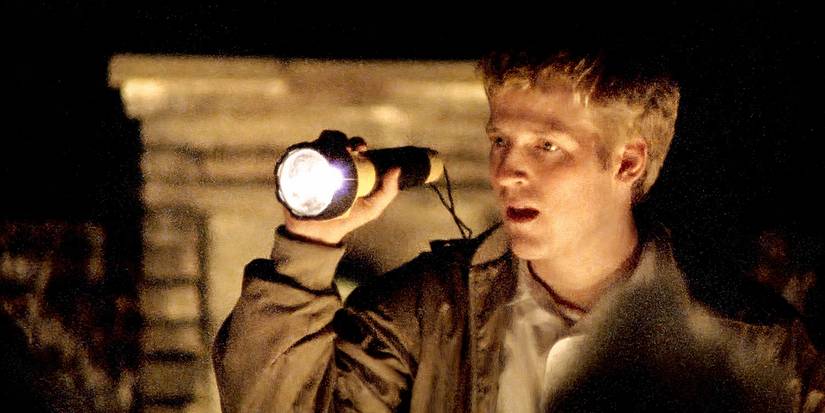
Supporting Data: The Longevity Factor
Why do these films sustain interest while others fade? Data from streaming platforms and box-office retrospectives suggest that "rewatchable" films share three specific traits:
- High Information Density: The film contains more plot points than can be processed in a single viewing (e.g., Primer).
- Atmospheric Immersion: The film’s aesthetic provides a "vibe" that is comforting or compelling enough to revisit even if the plot is known (e.g., Blade Runner).
- Thematic Ambiguity: The film poses questions rather than providing concrete answers (e.g., The Thing and Inception).
Official Responses and Cultural Impact
Critics and filmmakers alike have long noted that these films represent the "long tail" of cinema. They rarely achieve their peak cultural status during their initial theatrical runs; rather, they gain momentum through home media, academic analysis, and word-of-mouth. The "cult classic" status of The Thing and Blade Runner—both of which were considered financial disappointments upon release—serves as proof that audiences eventually gravitate toward quality that challenges their intellect.
Implications for the Future of Sci-Fi
As streaming services continue to dominate the film industry, the appetite for "rewatchable" content has only increased. Modern audiences, equipped with the ability to pause, rewind, and deep-dive into Wikis, are increasingly looking for films that respect their intelligence. The success of these eight films suggests that the future of science fiction lies not in the simplicity of action-oriented spectacles, but in the complexity of narratives that reward the curious mind.
Whether we are decoding the dreams of a corporate spy or analyzing the subtle shifts of an Antarctic survivor, these films prove that the best stories are those that never truly end—they simply start over, revealing new layers of truth every time the projector lights up.











No comments yet. Be the first to join the conversation!