In the high-stakes world of professional football, the severance of a contract is a routine, if often difficult, administrative necessity. However, Brazilian Série B side Amazonas FC has transformed a standard departure into a public relations catastrophe. In a move that has drawn widespread condemnation from the football community, the club announced the release of defender Leo Coelho by pairing a seemingly cordial farewell statement with a derogatory highlight reel featuring his most egregious on-pitch errors.
The incident has ignited a fierce debate regarding the ethics of professional sports management, the duty of care clubs owe their employees, and the dangers of weaponizing social media platforms to settle internal grievances.
The Chronology of a Public Shaming
The events unfolded on the club’s official Instagram account, a platform typically reserved for match results, sponsorship announcements, and player celebrations. The announcement began with the outward appearance of decorum. The caption stated: "Amazonas FC announces that defender Léo Coelho is no longer part of the professional squad for the remainder of the season. The player leaves the club after 39 games and two goals wearing the Onça-pintada jersey."
The statement continued with the standard platitudes expected of a professional organization: "The club thanks the defender for his dedication, professionalism, and commitment on and off the field during his time with the team, and wishes him success in his future career endeavors."
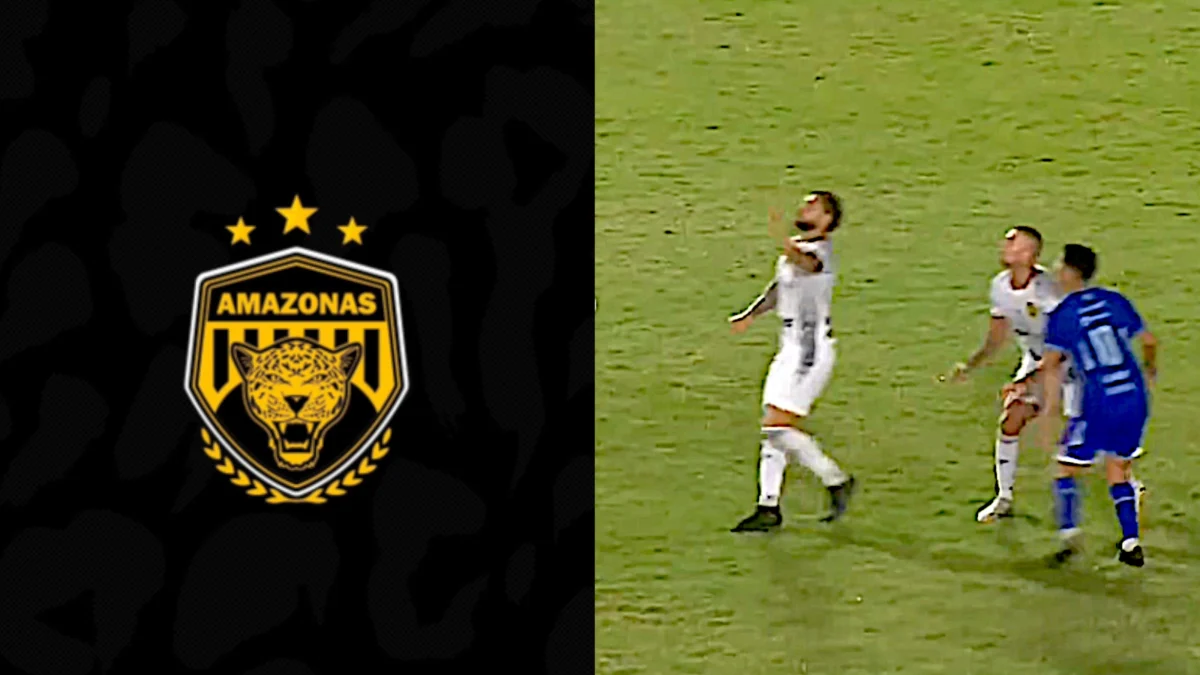
However, the tone shifted abruptly for those who engaged with the post’s multimedia content. Instead of a traditional "thank you" montage—typically reserved for career highlights, key saves, or celebratory moments—the club included four distinct video clips. These segments showcased Coelho in his most vulnerable moments: failing to clear routine headers, gifting possession to opposition strikers in critical zones, and stumbling during defensive challenges.
By juxtaposing the respectful caption with the humiliating footage, Amazonas FC effectively weaponized their official platform to mock an employee moments after terminating his livelihood.
A Toxic Internal Environment: The Context of Disarray
To understand the severity of this incident, one must look beyond the social media post and into the current state of Amazonas FC. The club, currently navigating the treacherous waters of the Brazilian Série B, has been plagued by reports of institutional instability for months.
Sources close to the squad have indicated that the team has been suffering from severe financial mismanagement. Reports suggest that players have gone months without receiving their salaries, leading to a breakdown in the relationship between the dressing room and the front office. In a climate where athletes are already filing lawsuits against the club to recoup unpaid wages, the decision to ridicule a departing player is viewed by many as an attempt to deflect attention from the club’s own administrative failings.
This "blame the player" culture is often a hallmark of struggling organizations attempting to appease a frustrated fanbase by finding a convenient scapegoat. By highlighting Coelho’s errors, the club’s leadership appears to be signaling that their current poor standing in the league is the fault of individual performance rather than systemic failure.
The Court of Public Opinion: Fan Backlash
The reaction from the footballing public—including neutrals and dedicated Amazonas supporters—was swift and overwhelmingly negative. The comments section, intended to be a space for well-wishes, became a forum for outrage.
One prominent critic noted: "This post doesn’t seem like it’s from a professional club. You need to understand the size and importance of the club before making a post like this; it sounds amateurish!"
The criticism deepened as followers began to connect the dots between the club’s performance and its treatment of staff. Another user commented: "This is disrespectful to the professional. It is one thing for the club to release an official statement announcing the termination of the contract. It is quite another to use official channels to expose or ridicule an athlete who hasn’t received his salary for months."
The sentiment across social media platforms suggests that fans are tired of the "blame game." While supporters often demand accountability for poor performances, they generally expect that accountability to be handled internally. Using a digital megaphone to bully a player—especially one who has reportedly been denied their contractual pay—has been viewed as a moral failure that diminishes the stature of the club.
The Professionalism Gap: A Crisis of Management
In modern football, a club’s social media presence is an extension of its brand identity. By allowing such content to be posted, the Amazonas FC communications department has committed a severe breach of professional standards.
Professional football clubs are businesses, and players are employees. While the intensity of the sport often leads to heated exchanges between fans and players, the club itself must remain an arbiter of professionalism. When the organization abandons that role, it loses the moral high ground.
Furthermore, this incident raises serious questions about the role of the club’s executive board. Did the administration sign off on this post? If so, it indicates a deep-seated culture of hostility within the club’s hierarchy. If not, it suggests a complete loss of control over the club’s internal communications, painting a picture of an organization in total disarray.
Implications for the Future
The implications for Leo Coelho are significant. As a professional athlete, his career relies on his reputation. By circulating a compilation of his mistakes, the club has arguably sabotaged his prospects of finding a new team. Prospective employers are now faced with a "lowlight" reel provided by the player’s former employer, a move that could be interpreted as a malicious attempt to hinder his future employment.
Legal experts have weighed in on similar cases in the past, noting that such behavior could potentially lead to defamation lawsuits or breach of contract claims, particularly if the player can prove that the club’s public ridicule caused him professional harm.
For Amazonas FC, the damage is already done. The club, already fighting to avoid relegation, has now alienated its own supporters and created a hostile environment for the remaining players. In a professional league, chemistry and morale are the foundations of success. When a club shows its players that it will throw them under the bus the moment things go wrong, it destroys the culture of trust necessary to perform on the pitch.
Conclusion: A Lesson in Organizational Ethics
The case of Leo Coelho and Amazonas FC serves as a cautionary tale for sports organizations worldwide. While the digital age demands engagement and content, it does not absolve organizations of their basic human and professional responsibilities.
The incident highlights the thin line between transparency and malice. Fans may be critical of players, but when the club adopts that same tone, it shifts from being a professional entity to an amateurish, vindictive organization. Amazonas FC is currently in a battle for survival on the pitch, but their most pressing battle is the one for their own reputation. Unless the club can demonstrate a fundamental shift in its internal culture and respect for its employees, they will find that the bridge they have burned with the footballing community will be much harder to rebuild than any defensive line.
In the final analysis, a club is defined by its actions in its darkest moments. By choosing to kick a player while he was down, Amazonas FC has inadvertently revealed the very rot that is likely contributing to their current struggles on the field. They have succeeded in creating a viral moment, but at the cost of their dignity and, perhaps, their future.