Evan Lee Salim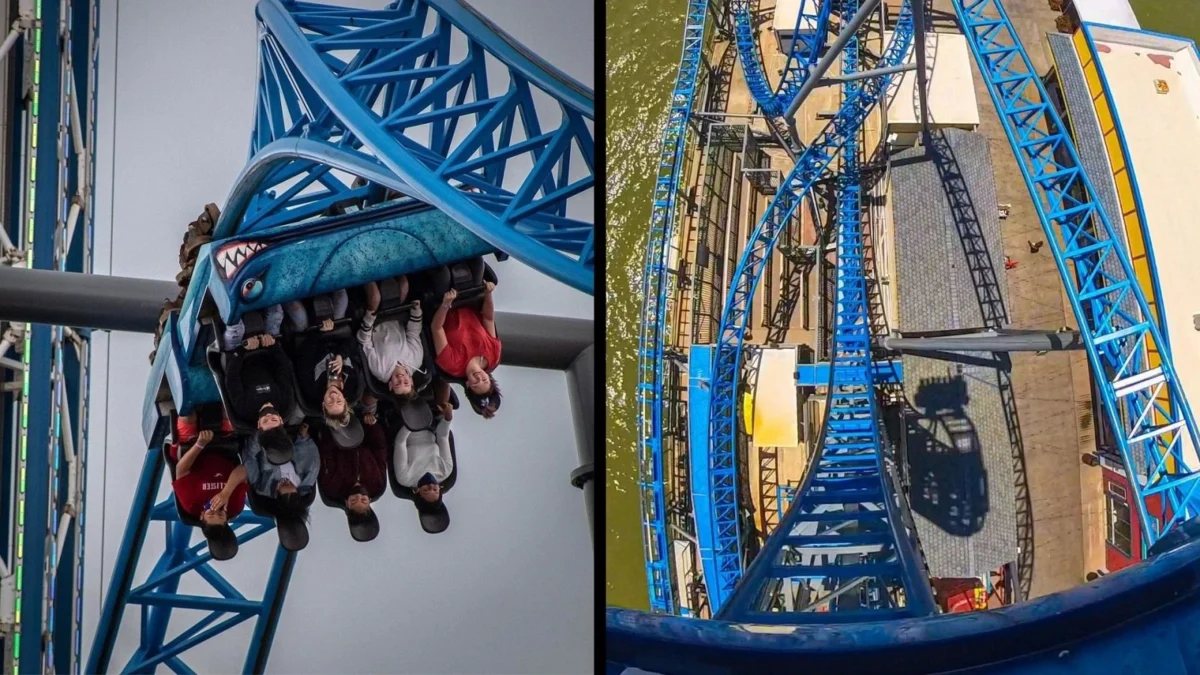
A routine end-of-year school field trip transformed into a high-stakes emergency on May 28, 2026, when eight students were left stranded nearly 100 feet above the Gulf of Mexico. The incident, which occurred at the Galveston Island Historic Pleasure Pier in Texas, saw a group of students trapped on the park’s signature attraction, the Iron Shark, for several harrowing hours. While no injuries were reported, the event has reignited national conversations regarding amusement park safety protocols and the psychological impact of such mechanical failures on minors.
The Incident: A Routine Trip Turned Nightmare
The day began as a celebratory excursion for students from the Houston Independent School District (HISD). Seeking a thrill to mark the end of the academic year, the students boarded the Iron Shark, a steel rollercoaster renowned for its vertical lift hill and steep, plummeting drops. However, at approximately 2:00 PM, the ride’s momentum abruptly vanished.
Witnesses and park guests reported a sudden mechanical halt as the coaster car ascended the vertical lift. Unlike standard stops, which typically occur at the loading station or lower brake runs, this stoppage occurred at the apex of the ride’s climb. The car remained suspended at a near-vertical angle, leaving the eight riders dangling high above the pier’s deck, exposed to the elements and the dizzying height of the Gulf Coast skyline.
Chronology of the Rescue Operation
The gravity of the situation was immediately apparent to park staff, who initiated emergency protocols within minutes of the malfunction.
- 2:15 PM: The ride triggers an automatic stop. Park operators confirm that the safety restraints remain locked and the vehicle is secure on the track, though immobilized.
- 2:30 PM: The Galveston Fire Department (GFD) receives a distress call. Due to the extreme height of the Iron Shark, specialized high-angle rescue teams are dispatched.
- 3:00 PM: Emergency responders arrive on-site. The pier is cordoned off, and the park begins an orderly evacuation of other areas to clear space for heavy rescue equipment.
- 3:45 PM: Using a combination of extended ladder trucks and technical rope systems, firefighters begin the delicate process of reaching the trapped riders. Helicopter footage from ABC13 Houston captured the tension as rescuers secured each student with harnesses, one by one, before lowering them to the pier platform.
- 5:30 PM: The final student is successfully brought to safety. Medical teams are waiting on the ground to conduct initial assessments for shock and dehydration.
Technical Analysis: Why Did the Iron Shark Fail?
The Iron Shark is a "Euro-Fighter" model rollercoaster, known for its compact footprint and high-intensity layout. The ride is engineered with multiple fail-safe mechanisms designed to stop the train immediately if a sensor detects an anomaly in the drive chain, motor speed, or electrical continuity.
Landry’s Inc., the parent company of the Pleasure Pier, released a statement shortly after the rescue confirming that the ride’s "safety systems operated as designed." In the context of roller coaster engineering, this implies that when the ride’s computer detected a fault—likely a mechanical hiccup in the lift motor or a sensor misfire—it engaged the anti-rollback devices to prevent the car from sliding backward. While this prevented a catastrophic fall, it necessitated a manual rescue because the car was rendered immobile.
Industry experts note that while "stuck" rollercoasters are statistically rare, they are a known possibility in the amusement industry. When a ride loses power or experiences a mechanical error, the safest place for a passenger is inside the car. The decision to call the fire department rather than attempt an on-ride restart is a standard safety precaution, as engineers are often wary of restarting a motor that may have suffered a physical mechanical failure.
Official Responses and Administrative Oversight
The Houston Independent School District was quick to provide reassurance to the parents of the students involved. In a formal statement, the district noted, "We are grateful that all students, staff, and chaperones are safe. School administration is in direct contact with the families of all students who were on the trip to provide any necessary support."
The response from the park owners, Landry’s Inc., focused on the commitment to safety. "Our focus immediately shifted to the safety of our guests. Therefore, we contacted the Fire Department to assist, ensuring all guests were safely removed from the ride. A thorough inspection of the ride will take place before it is placed back in service."
State inspectors from the Texas Department of Insurance (TDI), which oversees amusement ride safety in the state, are expected to conduct a comprehensive review of the Iron Shark’s maintenance logs and the specific sensor data recorded at the moment of the stop. The ride will remain closed indefinitely until regulatory bodies provide the green light for operation.
The Broader Context: Amusement Safety in 2026
This incident follows a troubling string of mechanical malfunctions at major theme parks across the United States. Earlier this year, on May 16, guests at a Six Flags location were forced to climb down the emergency catwalk of a coaster after a widespread power outage brought the ride to a halt.
These events have led to increased public scrutiny regarding the age and maintenance of infrastructure in regional parks. While rollercoasters are governed by rigorous ASTM International standards, the combination of high-stress mechanical parts and the harsh, salt-heavy environment of a pier like Galveston’s can accelerate wear and tear on electrical components.
Psychological Impact on Minors
Beyond the physical safety of the students, mental health professionals have highlighted the potential psychological impact of such an ordeal. Being suspended at a height of 100 feet for over three hours is an extreme stressor. For adolescent riders, the fear of falling, combined with the lack of control, can lead to lingering anxiety or "rollercoaster phobia."
The school district has already indicated that they are offering counseling services to the students and their families to ensure that the incident does not lead to long-term trauma.
Implications for the Future
The Galveston incident serves as a stark reminder of the complexity behind the "thrill" industry. As parks continue to push the limits of speed and height, the reliance on high-tech safety systems becomes both a blessing and a burden. When those systems function perfectly, they prevent accidents; when they function "too well," they can leave guests in precarious, uncomfortable positions that require complex, public-facing rescue operations.
For the Galveston Island Historic Pleasure Pier, the immediate challenge is restoring public trust. The pier is a cornerstone of the local tourism economy, and any perception of safety risks could impact summer attendance. However, by adhering to strict inspection protocols and transparent communication with the public, park operators hope to move past the event.
As the industry moves forward, observers suggest that we may see an increase in the integration of secondary power backups for lift hills and improved communication systems within the ride vehicles, allowing park staff to talk directly to trapped guests to keep them calm.
For now, the Iron Shark remains silent, a looming silhouette against the Galveston sky. Its return to service will depend not just on a mechanical fix, but on the outcome of a rigorous investigation that will surely be watched by safety advocates and theme park enthusiasts alike. The incident serves as a sobering lesson that in the world of high-speed entertainment, safety is never a guarantee—it is a continuous, calculated, and often challenging process.

 Lina Hope
 Nana Muazin