

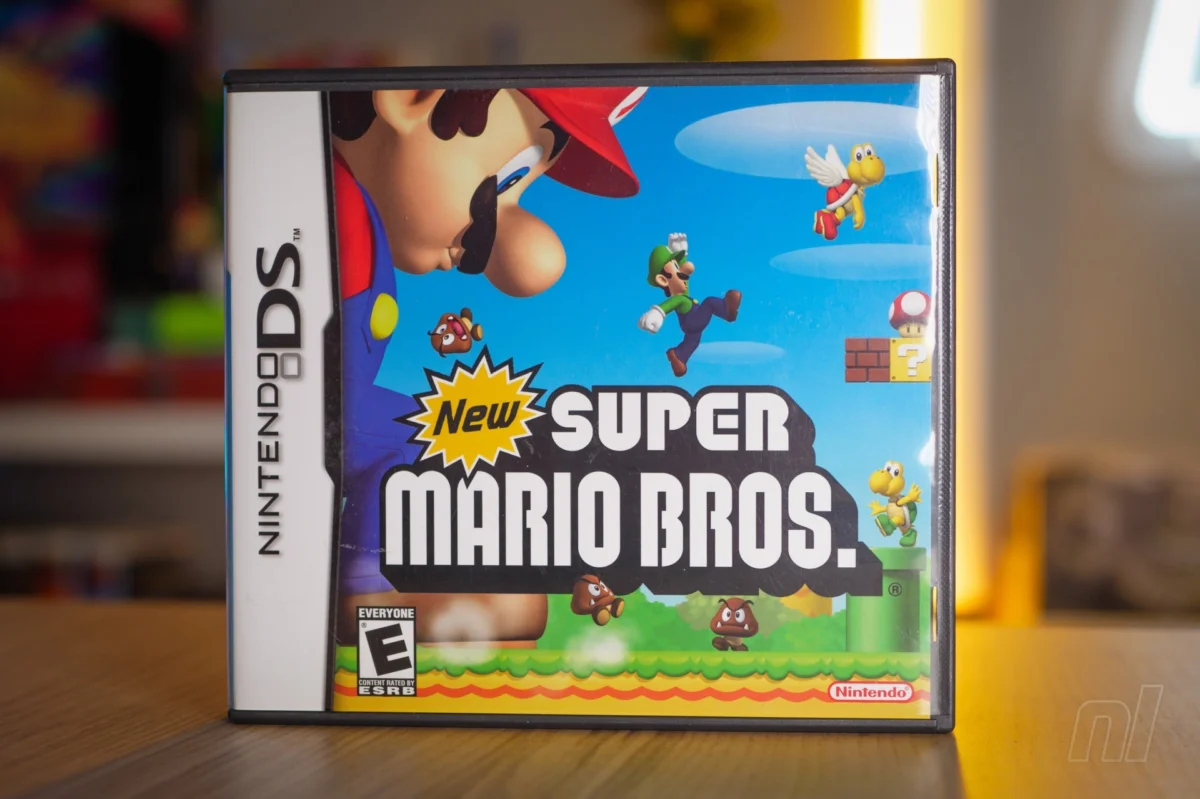
May 15, 2026 – It’s a date etched in the annals of gaming history, a moment when the familiar red cap and blue overalls of Nintendo’s most iconic hero reappeared in a form that felt both deeply nostalgic and refreshingly new. Today marks the 20th anniversary of the North American launch of New Super Mario Bros. for the Nintendo DS. This landmark title, released on May 15, 2006, wasn’t just another entry in the storied Mario franchise; it was a bold statement, a masterful blend of classic 2D platforming and modern innovation that would redefine expectations and reignite a beloved genre for a new generation.
The Return of the King: A 2D Mario Renaissance
For over a decade, fans had largely experienced Mario’s adventures in three-dimensional landscapes, from the revolutionary Super Mario 64 to the vibrant worlds of Super Mario Sunshine and the expansive realms of Super Mario Galaxy. While these titles were celebrated for their groundbreaking achievements, a significant segment of the gaming community harbored a yearning for the pure, unadulterated 2D platforming that had first catapulted Mario to global superstardom. New Super Mario Bros. answered that call with an emphatic flourish.
This was not merely a rehash of past glories. New Super Mario Bros. represented the first brand-new 2D side-scrolling Mario platformer released since the Nintendo 64 era, with its predecessors being the Game Boy’s Super Mario Land 2: 6 Golden Coins and the Super Nintendo’s Super Mario World 2: Yoshi’s Island. The anticipation was palpable. Developers at Nintendo EAD, under the astute guidance of Producer Takashi Tezuka and Director Shigefumi Hino, recognized the immense potential in bridging the gap between the nostalgia of classic Mario and the evolving expectations of contemporary gamers. They aimed to create an experience that would resonate with seasoned veterans who grew up with the NES and SNES, while simultaneously captivating a younger audience who might have only known Mario through his 3D incarnations.
A Masterclass in Evolution: Blending the Old with the New
The genius of New Super Mario Bros. lay in its meticulous execution of a familiar yet enhanced gameplay loop. The game retained the core tenets of 2D Mario: precise jumping mechanics, inventive level design, the collection of coins and power-ups, and the ultimate goal of rescuing Princess Peach from the clutches of Bowser. However, it infused this classic formula with a wealth of new features that elevated the experience significantly.
Visually, the game employed a "2.5D" aesthetic, utilizing 3D character models and environments rendered with a distinct cartoonish flair, all presented within a 2D side-scrolling perspective. This visual approach offered a depth and polish that transcended the pixelated sprites of yesteryear, providing a vibrant and dynamic world that was a joy to explore. The environments were rich with detail, from lush green plains and treacherous underground caverns to fiery volcanoes and spooky Boo-filled castles.
The power-up system received a significant overhaul, introducing iconic new items that became instantly memorable. The Mega Mushroom was a particular standout, allowing Mario or Luigi to grow to an enormous size, capable of smashing through nearly anything in their path, including certain blocks and enemies. This provided a satisfying sense of power and opened up new strategic possibilities within levels. Other notable additions included the Mini Mushroom, which shrunk Mario to a diminutive size, allowing him to access tight spaces and evade larger threats, and the Shell Met, a helmet that allowed Mario to slide into enemies with a powerful, earth-shattering impact. These new power-ups, alongside beloved classics like the Super Mushroom, Fire Flower, and Starman, offered a dynamic and engaging arsenal for tackling the game’s challenges.
Beyond power-ups, the brothers gained a suite of new movement abilities that added a layer of fluidity and depth to the platforming. The double jump became a staple, allowing for greater aerial control and extended jumps. The introduction of the triple jump further enhanced maneuverability, enabling players to reach higher platforms and execute more complex aerial maneuvers. Mario and Luigi could also now swing on vines and tiptoe across narrow wires, adding environmental puzzles and new ways to navigate the levels. These advancements not only made the gameplay more engaging but also allowed for incredibly creative and intricate level designs, pushing the boundaries of what a 2D platformer could achieve.
A Social Phenomenon: Multiplayer and Minigame Mayhem
New Super Mario Bros. wasn’t just a solitary adventure; it embraced the social capabilities of the Nintendo DS, fostering both cooperative and competitive play. The ability to play through the main story mode co-operatively with another player wirelessly was a significant draw, allowing friends to embark on Bowser Jr.’s mischievous schemes together. This shared experience amplified the fun and introduced a dynamic of teamwork and friendly rivalry.
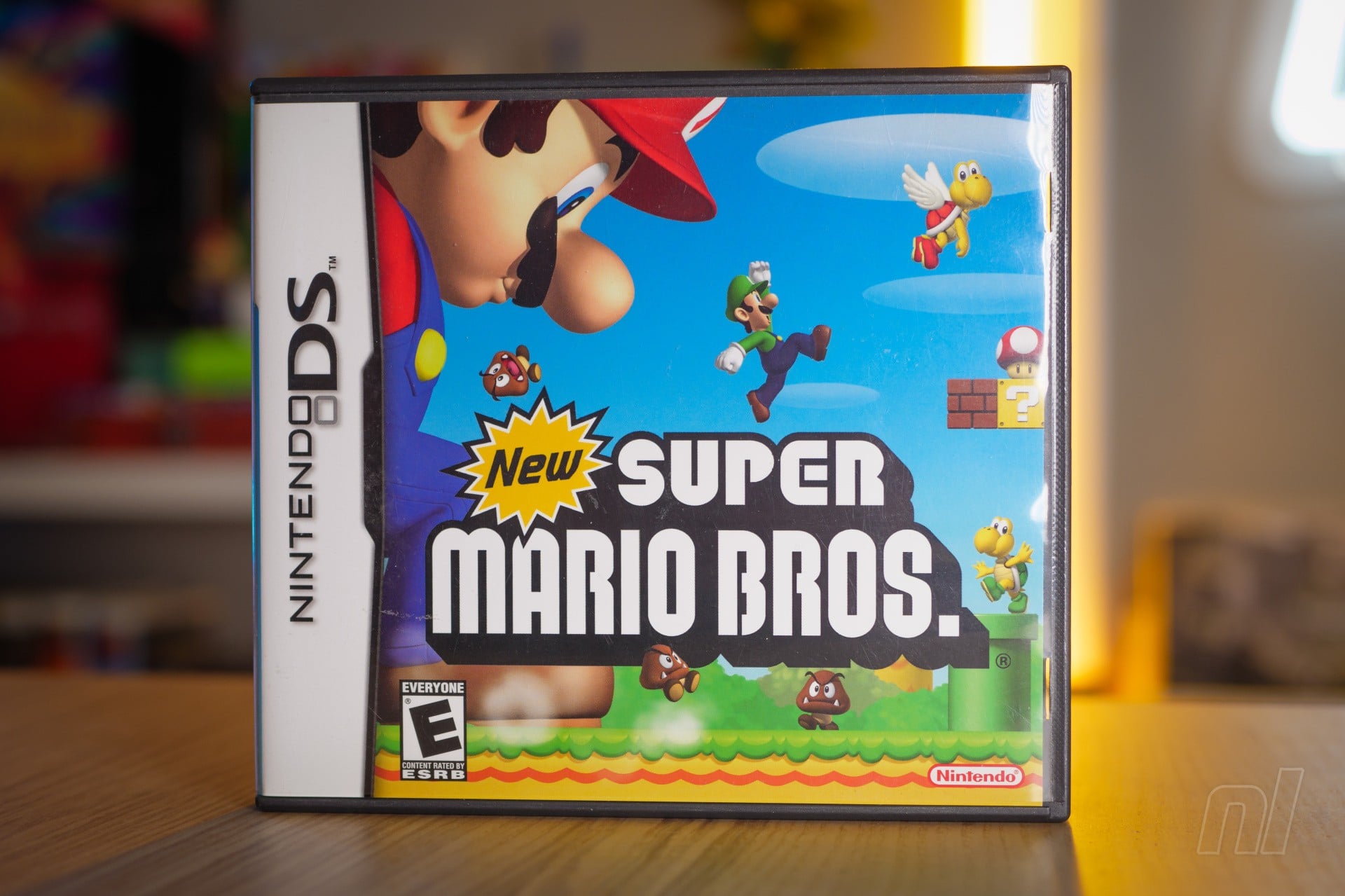
Furthermore, the game included a dedicated minigame mode that offered a collection of entertaining diversions for up to four players. These minigames, ranging from dexterity challenges to memory tests, provided excellent replayability and served as a fantastic way for groups to engage with the DS. Crucially, Nintendo implemented a clever feature for the minigames: only one player needed to own the game cartridge to host a multiplayer session. This “multi-card download play” feature significantly lowered the barrier to entry for social gaming, making it accessible to a wider circle of friends and family and contributing to the game’s widespread adoption.
Unprecedented Success: A Sales Juggernaut
The impact of New Super Mario Bros. on the Nintendo DS’s success cannot be overstated. The game was a critical and commercial triumph, resonating with a massive audience and becoming the best-selling game of all time on the Nintendo DS. By March 31, 2016, the game had achieved a staggering 30.8 million units sold worldwide. This figure dwarfed its closest competitor on the platform, Nintendogs, which sold approximately 23.96 million units.
This phenomenal sales performance underscored the enduring appeal of the Mario franchise and the immense demand for high-quality 2D platforming. It proved that there was a substantial market for experiences that could simultaneously tap into cherished memories and offer fresh, engaging gameplay. The success of New Super Mario Bros. also demonstrated the power of the Nintendo DS as a versatile gaming device, capable of hosting both innovative new IPs and the revival of classic genres.
The Legacy of the "New" Era: Enduring Influence and Evolving Horizons
The launch of New Super Mario Bros. undeniably kickstarted a new sub-series for the plumber, affectionately dubbed the "New Super Mario Bros." series. This franchise went on to include several highly successful installments, such as New Super Mario Bros. Wii, New Super Mario Bros. 2, and New Super Mario Bros. U. While these subsequent titles continued to offer polished 2D platforming, some critics and fans felt that the series, over time, began to tread a familiar path, leading to discussions about a potential lack of innovation within the "New" branding.
However, it is crucial to distinguish the original game from its successors. The 2006 release of New Super Mario Bros. was a groundbreaking achievement. It demonstrated a remarkable ability to capture the essence of what made Mario great in his early days while seamlessly integrating modern design principles and technological advancements. It revitalized the 2D platformer genre at a time when 3D gaming dominated the landscape, proving that there was still immense joy and depth to be found in side-scrolling adventures.
As the gaming world has since moved on to the innovative and vibrant world of Super Mario Bros. Wonder on the Nintendo Switch, the impact of the original New Super Mario Bros. remains indelible. It stands as a testament to Nintendo’s unparalleled ability to innovate within established franchises, to understand the desires of its audience, and to deliver experiences that are both timeless and forward-looking.
Looking Back: A Fond Farewell to a Landmark Title
Twenty years on, New Super Mario Bros. on the Nintendo DS continues to hold a special place in the hearts of many gamers. It was a game that offered a perfect blend of accessibility for newcomers and depth for seasoned players. It provided countless hours of fun, both alone and with friends, and its influence can still be felt in the design of modern platformers.
Did you pick up New Super Mario Bros. on the DS back in 2006? How do you reflect on its impact now, two decades later? Are you content with the evolution of the Mario franchise beyond the "New" era, or do you miss the specific charm of those 2.5D adventures? These are questions that invite reflection and discussion among a generation of gamers who were fortunate enough to experience this seminal title firsthand. The legacy of New Super Mario Bros. is one of triumphant return, innovative design, and unprecedented success – a true milestone in the history of video games.











No comments yet. Be the first to join the conversation!