

Date: June 30, 2026
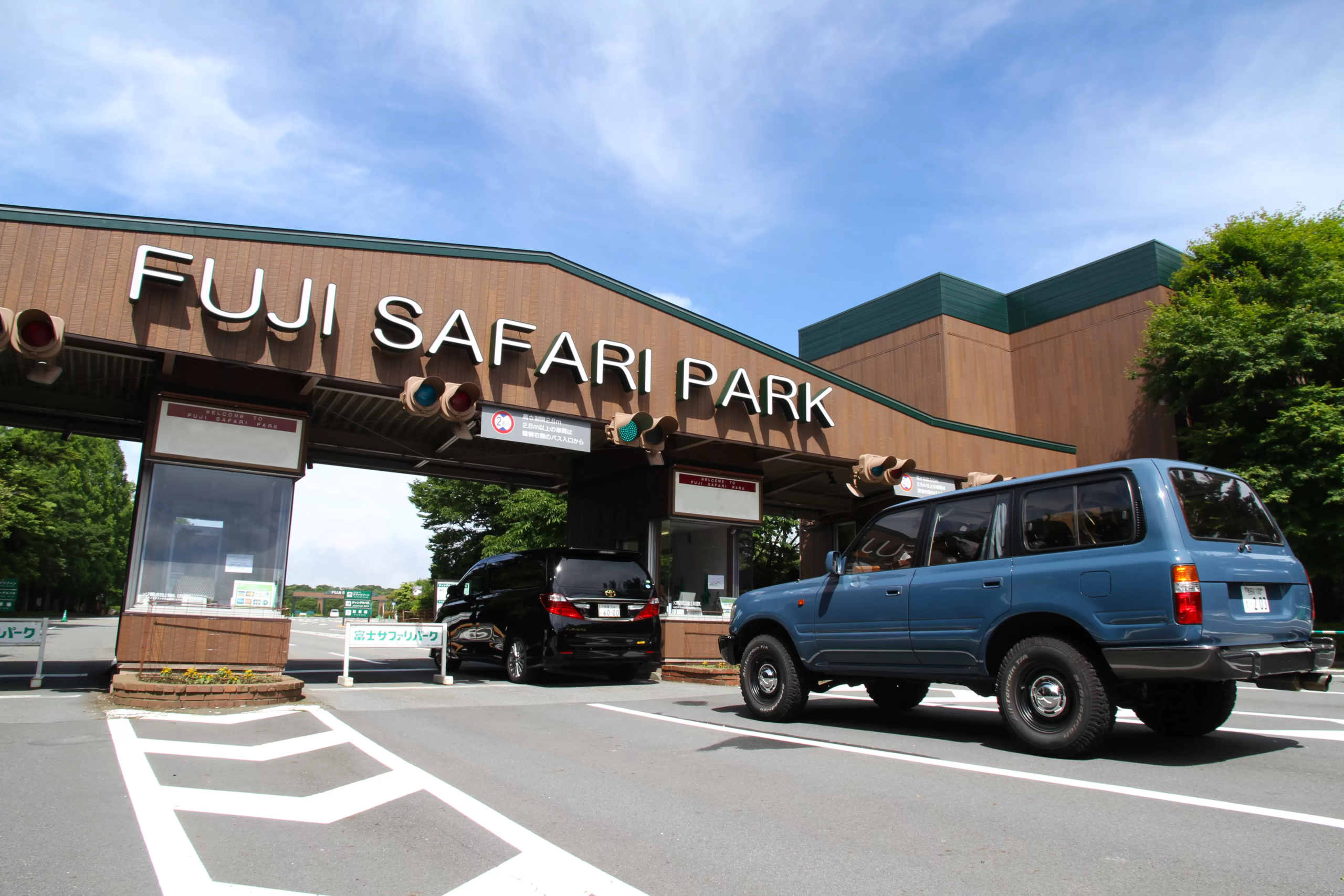
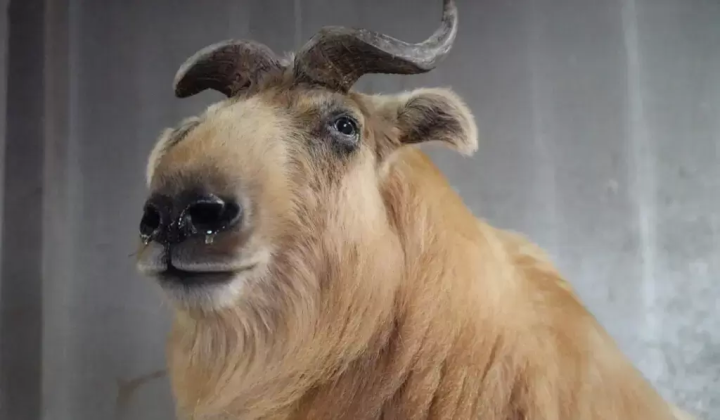
Fuji Safari Park, one of Japan’s most iconic wildlife destinations nestled at the base of the majestic Mount Fuji, has officially welcomed a rare and extraordinary new resident to its expansive grounds: the Golden Takin. This significant arrival marks a major milestone in the park’s commitment to wildlife conservation and species preservation. As visitors flock to the park to catch a glimpse of this elusive "golden" bovine, the arrival serves as a poignant reminder of the fragile state of biodiversity and the vital role modern zoological institutions play in protecting it.
The Arrival: A New Chapter for Conservation
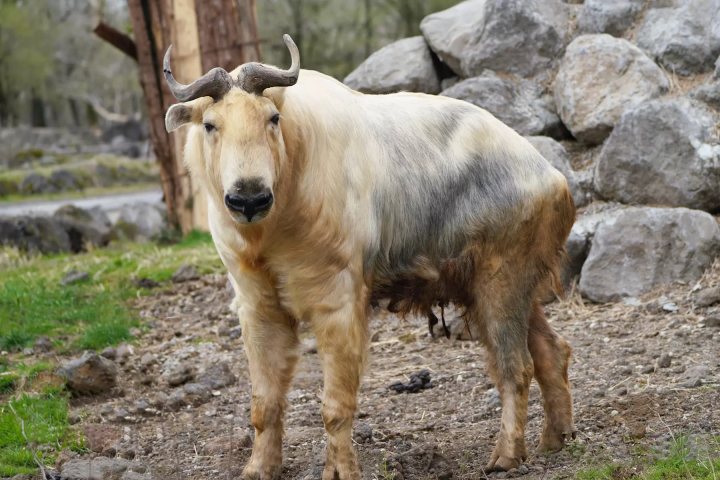
The arrival of the Golden Takin—a species native to the high-altitude mountainous regions of China—has been met with enthusiasm from both conservationists and the general public. These animals, often referred to as one of China’s "three treasures" alongside the giant panda and the golden snub-nosed monkey, are as mysterious as they are rare.
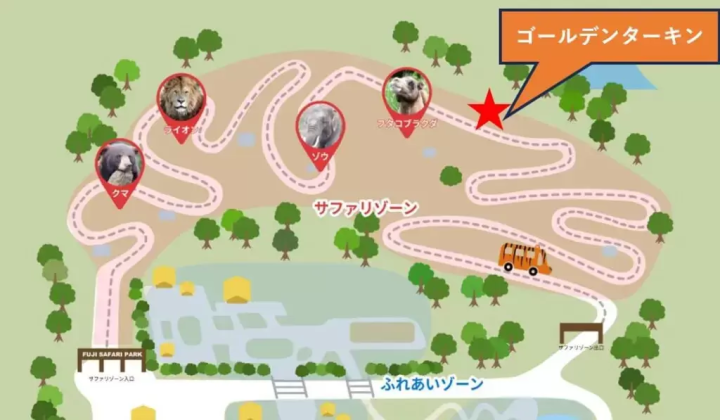
Fuji Safari Park, which currently cares for approximately 800 animals across 60 species, has designated a specialized exhibit within the "Safari Zone" for the new arrivals. This area has been meticulously designed to mirror the rocky, high-altitude terrain of the Qinling Mountains, where these animals thrive at elevations of 2,000 to 3,000 meters. By creating an environment that respects their natural biology, the park aims to ensure the well-being of its two newest family members, Mutsu and Fuku.
Chronology of the Integration
The introduction of the Golden Takin to Fuji Safari Park is the result of long-term planning and inter-institutional collaboration.
- Pre-2026: Conservationists and zoo directors across Japan recognized the precarious status of the Golden Takin, which is listed in Appendix II of the Washington Convention (CITES). With only about 5,000 individuals remaining in the wild, the need for ex-situ conservation—breeding and protection in controlled environments—became a national priority.
- Early 2026: Arrangements were finalized to move two individuals from the Tama Zoological Park in Tokyo to the Fuji Safari Park.
- Spring 2026: The transition period began, with the animals settling into their new habitat. This involved careful acclimation to the unique climate and geography of the Fuji foothills.
- June 30, 2026: Fuji Safari Park officially announced the public opening of the Golden Takin exhibit, inviting visitors to observe these rare creatures in the herbivore zone.
Understanding the Golden Takin: Biology and Behavior
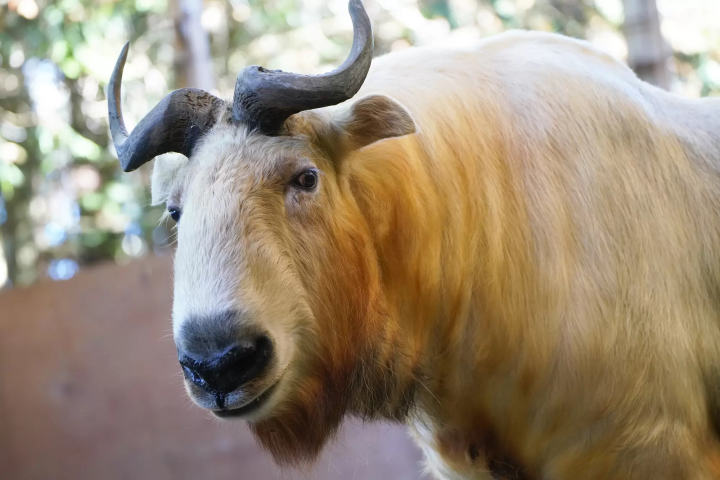
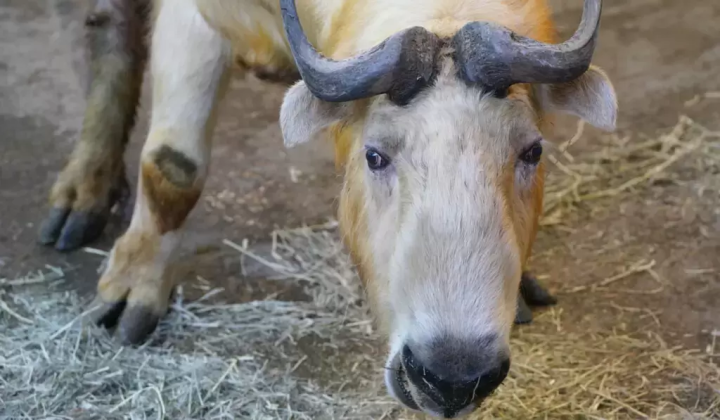
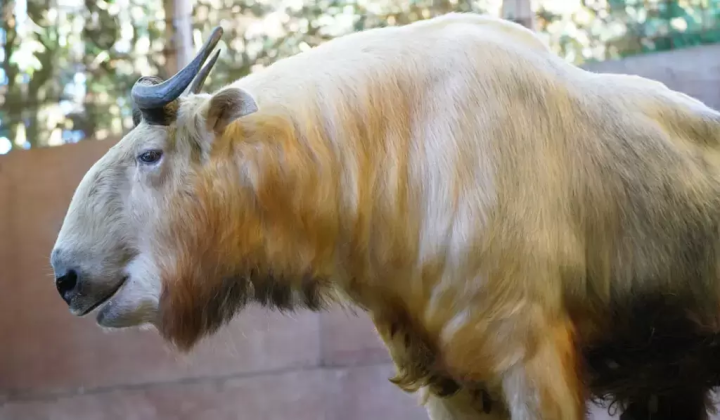
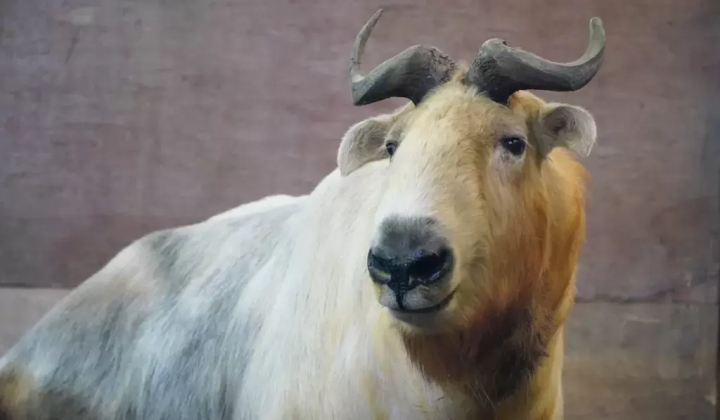
The Golden Takin (Budorcas taxicolor bedfordi) is a marvel of evolutionary adaptation. Often described as a "goat-antelope," they possess a sturdy build and thick, luxurious fur that gives them their namesake golden hue.
Key Physiological Adaptations
The species is uniquely equipped for life in harsh, cold climates. Their most remarkable feature is a set of highly developed nasal sinuses. These structures serve as an internal heating system, warming the freezing mountain air before it reaches the lungs, which prevents critical heat loss during respiration. Their hooves are broad and split, allowing for incredible stability on the jagged, rocky slopes of the Qinling Mountains.
Social Structure and Temperament
In the wild, Golden Takins are typically nomadic. A mature male usually leads a small group of females, wandering through the mountainous terrain in search of foliage. While generally gentle, they are highly reactive to perceived threats. When faced with natural predators like bears or leopards, they utilize their agility to leap between rocks. Their unique communication includes a distinct, cough-like sound used as a warning signal to the rest of the herd.
Official Data and Population Status
The addition of the Golden Takin to Fuji Safari Park is not merely for public display; it is a strategic contribution to a broader national effort to maintain a genetically diverse captive population. According to data released by the park as of March 7, 2026, there are only 21 individuals kept in captivity across Japan.
Distribution in Japan
- Adventure World: 9 animals (4 males, 5 females)
- Tama Zoological Park: 5 animals (3 males, 2 females)
- Zoorasia: 5 animals (3 males, 2 females)
- Fuji Safari Park: 2 animals (1 male, 1 female)
The arrival of Mutsu (a male born in 2017) and Fuku (a female born in 2017) provides a vital genetic pair to the park’s collection. By participating in this collaborative breeding program, Fuji Safari Park is fulfilling its mandate as an institution dedicated to the "ex-situ conservation" of endangered species.
Implications for Conservation and Tourism
The inclusion of the Golden Takin has broader implications for both environmental education and the park’s operational strategy.
The Role of "Ex-Situ" Conservation
Ex-situ conservation is defined as the practice of protecting an endangered species by removing them from their threatened natural habitat and placing them under human care. This is a safety net; should the wild population continue to decline due to habitat loss or environmental shifts, the captive population serves as a reservoir for the species. Fuji Safari Park’s investment in the infrastructure required to house these animals—which includes specialized nutritional and climate-control protocols—is a testament to the high cost and responsibility associated with modern wildlife stewardship.
Enhancing the Visitor Experience
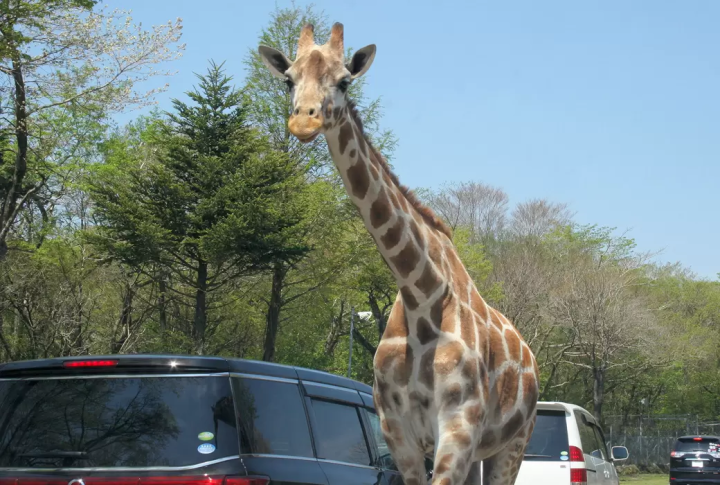
For the visitor, the Golden Takin adds a new dimension to the "Safari Zone" tour. Whether exploring via private car or the park’s specialized "Jungle Bus," guests are encouraged to look for the new exhibit on the left side of the path, just before the entrance to the mountain herbivore zone.
For those seeking an adrenaline-fueled encounter, the park continues to offer its "Super Jungle Bus." Unlike the standard sightseeing buses, this version features a wire mesh roof, providing an unobstructed, thrilling view of the animals as they roam. However, for the Takin exhibit, a calm, observant approach is recommended, as these animals prefer the tranquility of their high-altitude-inspired enclosure.
Visitor Logistics: Planning Your Trip
As interest in the new exhibit grows, the park has streamlined its entry process to ensure a smooth experience for all guests.
Entrance Fees and Access
Registration takes place at the entrance toll booth. It is highly recommended that visitors prepare their payment method—either cash or credit card—prior to arrival to minimize wait times.
- Adults (High school and older): 3,200 yen
- Children (Ages 4 to Junior High): 2,000 yen
- Seniors (Ages 65 and over): 2,500 yen
Maximizing Value with "MySAFARI"
To encourage pre-planning and ease of entry, the park offers the "MySAFARI" digital ticket service. By registering, visitors can secure electronic tickets, which offer a significant discount (e.g., adults can save 500 yen per ticket). It is important to note that electronic tickets are valid for 90 days after purchase and are non-refundable, so it is best to purchase them on the day of the planned visit.
Conclusion: A Partnership for the Future
The introduction of the Golden Takin to Fuji Safari Park is a triumph of inter-zoo cooperation and a highlight for wildlife enthusiasts across Japan. By creating a space where these rare, majestic animals can be observed, the park is not only providing entertainment but also fostering a deeper public appreciation for the plight of endangered species.
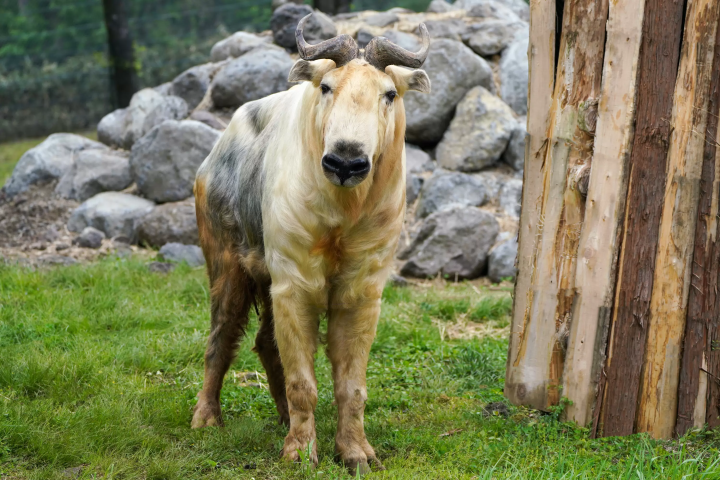
As Mutsu and Fuku settle into their new home under the shadow of Mount Fuji, they stand as ambassadors for their kin in the wild. Their presence is a reminder that conservation is a global effort, requiring vigilance, science, and the participation of institutions willing to go the extra mile to save a species from the brink of extinction. Whether you are a wildlife expert or a family looking for a unique educational experience, the Golden Takin exhibit at Fuji Safari Park is an essential stop on any tour of Japan’s premier wildlife facilities.











