

For the modern traveler, the vibrant district of Shibuya in Tokyo is a sensory overload of neon lights, bustling pedestrian crossings, and an endless array of culinary treasures. However, amidst the high-energy atmosphere, the practicalities of dining can sometimes become a logistical challenge. Whether you are navigating the complexities of a budget, managing specific dietary restrictions, or traveling with an infant requiring sterilized formula bottles, the ability to control your dining environment is invaluable.
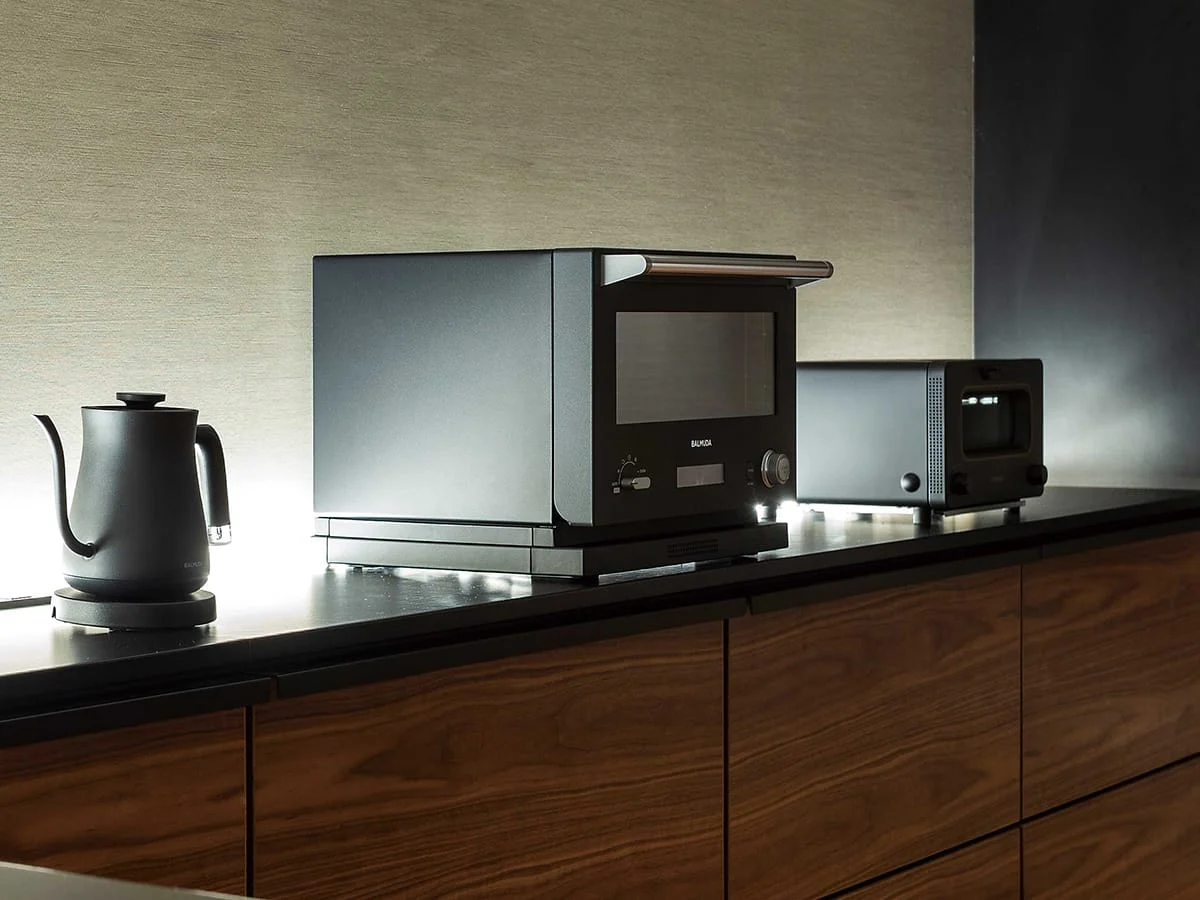
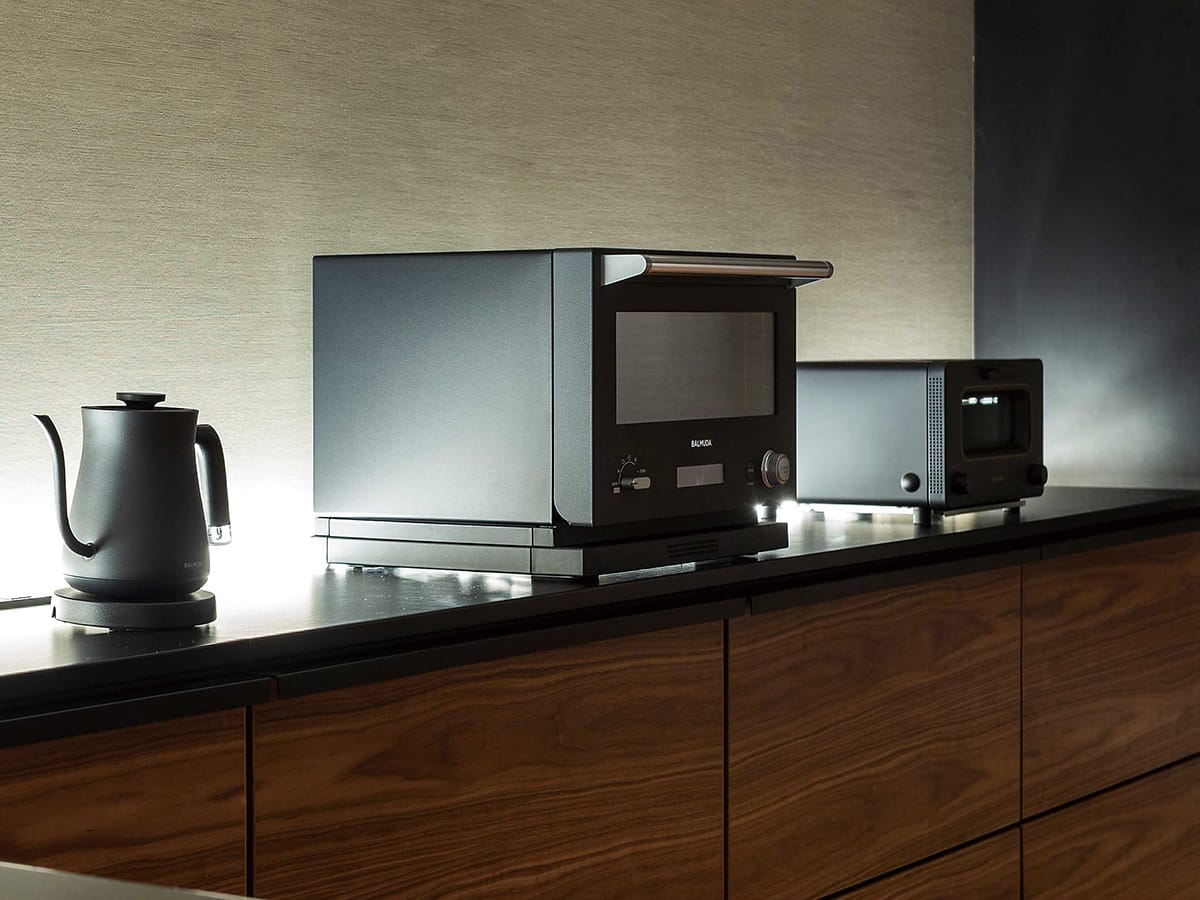
Increasingly, savvy travelers are prioritizing a seemingly simple amenity when booking their accommodations: the microwave oven. Far from a mundane appliance, the in-room or common-area microwave has become the secret weapon for those looking to unlock the full potential of Tokyo’s legendary convenience store culture and diverse food scene.
The Culinary Flexibility of the "Conbini" Culture
Japan’s conbini (convenience stores) are legendary for a reason. Chains like 7-Eleven, Lawson, and FamilyMart offer a rotating menu of high-quality, pre-prepared meals that far exceed the expectations of travelers accustomed to Western convenience store fare. From steaming bowls of ramen and rich Japanese curry to delicate soba noodles, these stores are a goldmine for quick, delicious dining.
While store staff are usually happy to heat these items for you at the point of sale, this creates a "now or never" dynamic. If your plans change, or if you prefer to dine in the tranquility of your hotel room after a long day of sightseeing, the lack of a microwave renders these purchases lukewarm or unappealing. Having a microwave at your disposal grants you the freedom to curate your own schedule, turning your hotel room into a private dining space where you can savor local delicacies at your own pace.
Exploring the Frozen Frontier: Beyond the Basics
One of the most overlooked aspects of the Japanese culinary experience is the sophistication of its frozen food sector. If you find yourself craving the savory layers of an okonomiyaki pancake, the sweet indulgence of red azuki bean-filled pastries, or the iconic octopus fritters from the Gindaco chain, your local conbini freezer aisle is your best friend.
Many of these items are designed to be "microwave-ready," maintaining the structural integrity and flavor profiles of their restaurant counterparts. For those with a more discerning palate, the availability of frozen food specialty shops—such as the French-inspired Picard, located just a 15-minute journey from Shibuya Station in the chic Daikanyama area—elevates the microwave from a heating device to a gourmet tool. Being able to store, reheat, and enjoy these high-quality frozen goods allows travelers to experience the depth of Japanese comfort food without being tied to a restaurant reservation or a closing time.
Managing Portions and Reducing Waste
A common hurdle for international visitors in Japan is the sheer scale of restaurant portions. While dishes like tonkatsu (breaded pork cutlet) are staples of the Japanese diet, the generous serving sizes can often lead to food waste if the traveler is unable to finish their meal.
In a city that prides itself on efficiency and sustainability, the ability to pack up leftovers is a game-changer. Many restaurant chains now offer takeaway containers upon request. By having a microwave in your hotel, that surplus portion of high-quality protein or noodles becomes a convenient breakfast or late-night snack for the following day. This not only aligns with the ethos of reducing food waste but also serves as a strategic way to manage a travel budget, allowing you to stretch one meal into two.
Hotels in the Shibuya Area: Categorizing Your Needs
When selecting your accommodation, it is essential to distinguish between rooms that offer private kitchenettes and those that provide access to communal microwave facilities. Both have their merits, depending on the length of your stay and your desire for privacy versus convenience.
In-Room Microwaves: The Ultimate Convenience
For those planning an extended stay or traveling as a family, the Tokyu Stay chain is an industry leader. Specifically designed for long-term comfort, these properties often feature private kitchenettes, washer/dryers, and, crucially, in-room microwave ovens.
- Tokyu Stay Shibuya Shin Minamiguchi: Located near the quieter southern exit of Shibuya Station, this property offers a sanctuary of domestic convenience. The presence of in-room appliances allows guests to transition seamlessly from a day of exploration to a comfortable evening of self-catered dining.
- Tokyu Stay Shibuya: Situated at the heart of the district, this location prioritizes accessibility. The inclusion of a microwave in the room transforms the space from a standard hotel room into a functional living environment, perfect for those who prefer to maintain their own nutritional standards while away from home.
Common Area Access: The Middle Ground
If your hotel choice does not include a microwave in the room, many modern establishments provide communal microwave ovens in shared guest lounges or laundry areas. While this requires a short trip down the hall, it remains a highly effective solution for the occasional meal reheat.
- APA Hotel Shibuya Dogenzakaue: Known for its strategic location, this hotel caters to the fast-paced traveler who needs essential amenities available on-site.
- Shibuya Stream Excel Hotel Tokyu: A more upscale option that blends modern design with functional amenities, this hotel provides a professional-grade microwave in their common areas, ensuring that guest convenience remains a priority despite the sleek, minimalist aesthetic of the rooms.
- JR-East Hotel Mets Shibuya: Positioned for those who value transit proximity, this hotel understands the needs of the modern commuter and traveler by providing accessible microwave facilities.
- Hotel Wing International Premium & all day place Shibuya: Both properties reflect the new wave of Shibuya hospitality, focusing on functional, well-designed spaces that accommodate the needs of a diverse, international clientele.
- Mustard Hotel Shibuya: With its creative and communal focus, this hotel is a perfect fit for travelers who don’t mind a brief stroll to a common area to reheat their artisanal convenience store finds.
Implications for Future Travel
The shift toward "home-like" hotel amenities is a direct response to the evolving nature of global tourism. Travelers are no longer just looking for a place to sleep; they are looking for a base of operations that allows them to engage with the local culture on their own terms.
As food costs rise and the demand for personalized dietary options increases, the hotel industry in major hubs like Tokyo is recognizing that the microwave is not just an appliance—it is a value-added service. Whether you are heating a bowl of miso soup for breakfast or reviving a leftover piece of tempura after a midnight stroll, these small comforts significantly impact the overall quality of your travel experience.
Supporting Data and Conclusion
Recent feedback from travel forums and guest satisfaction surveys indicates that "kitchen-adjacent" amenities are consistently cited as top-tier requests by travelers visiting Japan for longer than three days. When booking your next trip to Shibuya, we recommend checking the specific amenities list for each room category. If your hotel does not provide a microwave, consider prioritizing those that offer common area access to ensure your culinary freedom remains intact.
By utilizing the provided maps and selecting accommodations that cater to your specific lifestyle needs, you ensure that your trip to Shibuya is defined not by the limitations of your hotel, but by the endless possibilities of the city’s vibrant food culture. Enjoy the convenience, embrace the local flavors, and make your Tokyo stay as comfortable as it is memorable.
Disclaimer: While we strive to ensure the accuracy of these facility listings, hotel amenities can change. It is always recommended to verify specific in-room equipment directly with the property at the time of booking, especially if your travel needs require a microwave for medical or dietary reasons.











