The legendary sword-fighting series returns with a visceral, RE Engine-powered vengeance. But does Miyamoto Musashi’s latest outing carry the weight of its legacy, or is it bogged down by the ghosts of design past?
Capcom’s Onimusha series has long occupied a hallowed space in the pantheon of action-adventure games. It defined the early 2000s with its marriage of pre-rendered cinematic backdrops, survival horror sensibilities, and lightning-fast samurai combat. After a silence lasting over two decades, the publisher has finally unsheathed its blade once more. Onimusha: Way of the Sword, arriving on PlayStation 5, Xbox Series X/S, Nintendo Switch 2, and PC, is a deliberate, ambitious, and occasionally frustrating attempt to reintroduce a classic to a modern audience.
The Main Facts: A Return to the Edo Period
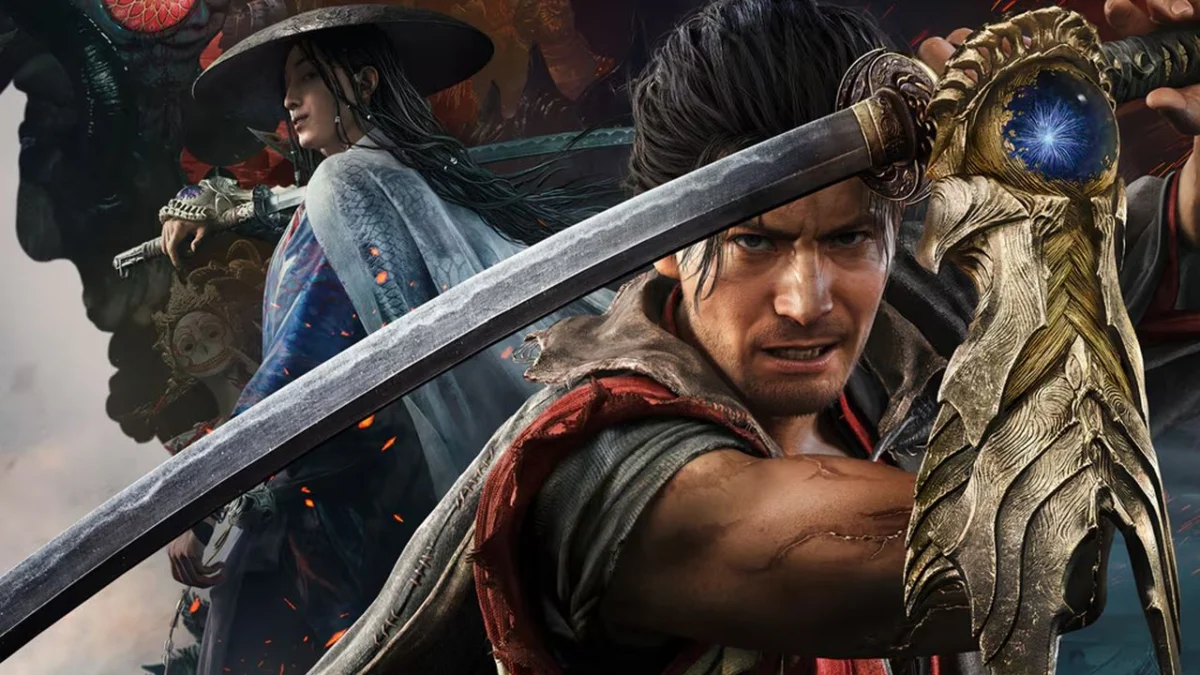
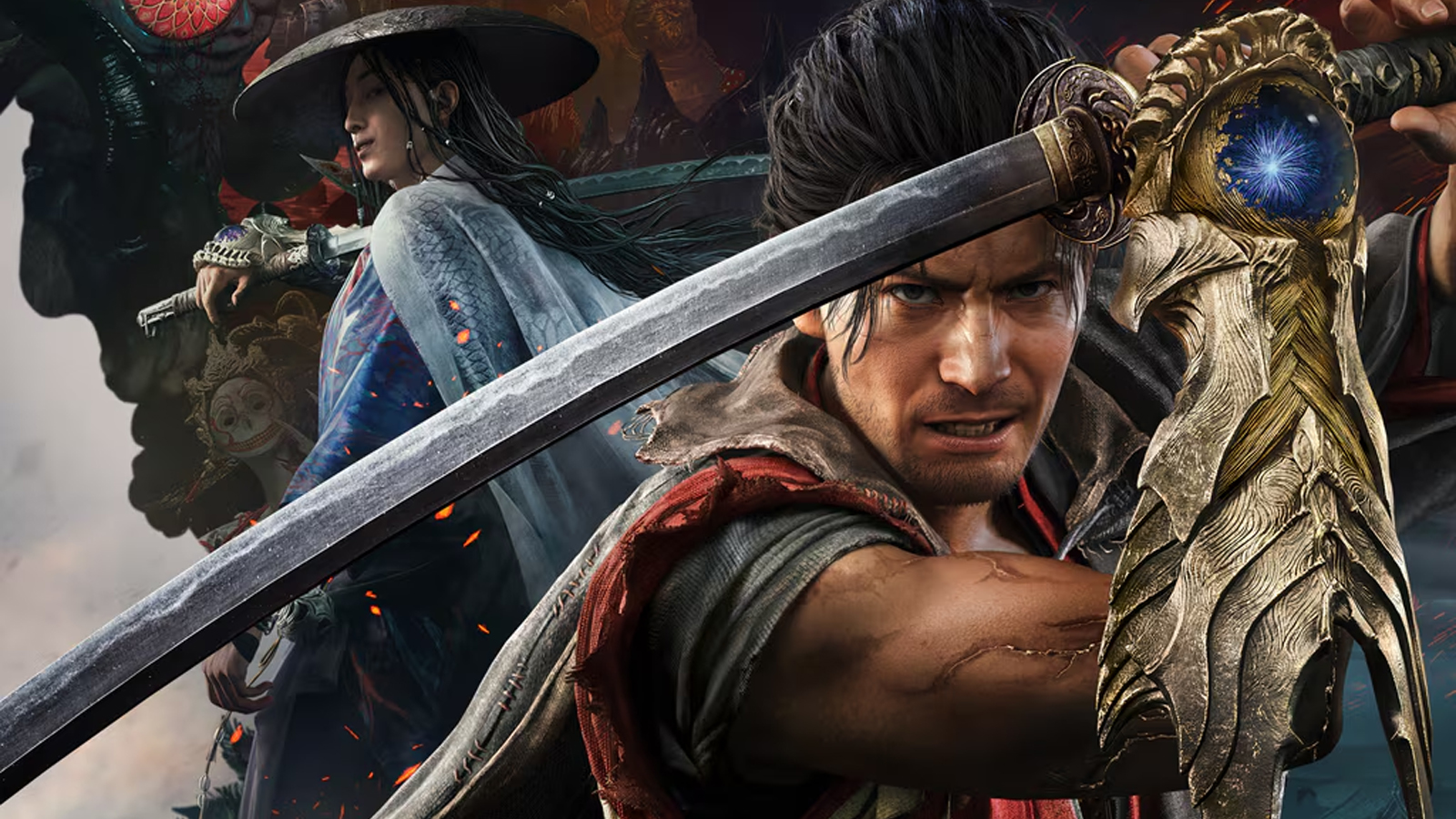
At its core, Way of the Sword is a reimagining of the franchise’s DNA. Players step into the sandals of the legendary Miyamoto Musashi, a wandering swordsman whose path intersects with the demonic Genma. The narrative, set in a meticulously realized Edo-period Kyoto, uses the power of Capcom’s proprietary RE Engine to breathe new life into the franchise’s trademark aesthetics.
The title introduces a more flexible, modern combat system that retains the soul of the original—specifically the high-stakes Issen (instant flash) counter system. While the game promises a return to form, it arrives with the heavy burden of legacy, striving to satisfy veterans while appealing to a modern generation raised on Sekiro and Devil May Cry.
Chronology and Development: From Concept to Reality
The journey to this release was marked by years of fan speculation and quiet development. Following the success of Resident Evil remakes, Capcom pivoted its internal resources toward its dormant action properties.
- Early Development: Initial prototyping focused on how to adapt the "tank-control" tension of the 2000s into a free-roaming 3D environment without losing the weight of the combat.
- The RE Engine Integration: Utilizing the engine that powered Resident Evil Village, the developers focused on "Dynamic Dismemberment." This allowed for the visceral, cinematic gore that defined the original series to be updated with modern particle effects and skeletal physics.
- The Lead Character: The decision to center the narrative on Miyamoto Musashi—modeled after the late, iconic Japanese actor Toshiro Mifune—serves as a bridge between classic samurai cinema and the game’s supernatural horror tone.
Supporting Data: The Mechanics of Slaughter
The game’s brilliance lies in its mechanical depth, which is far more nuanced than it appears on the surface.
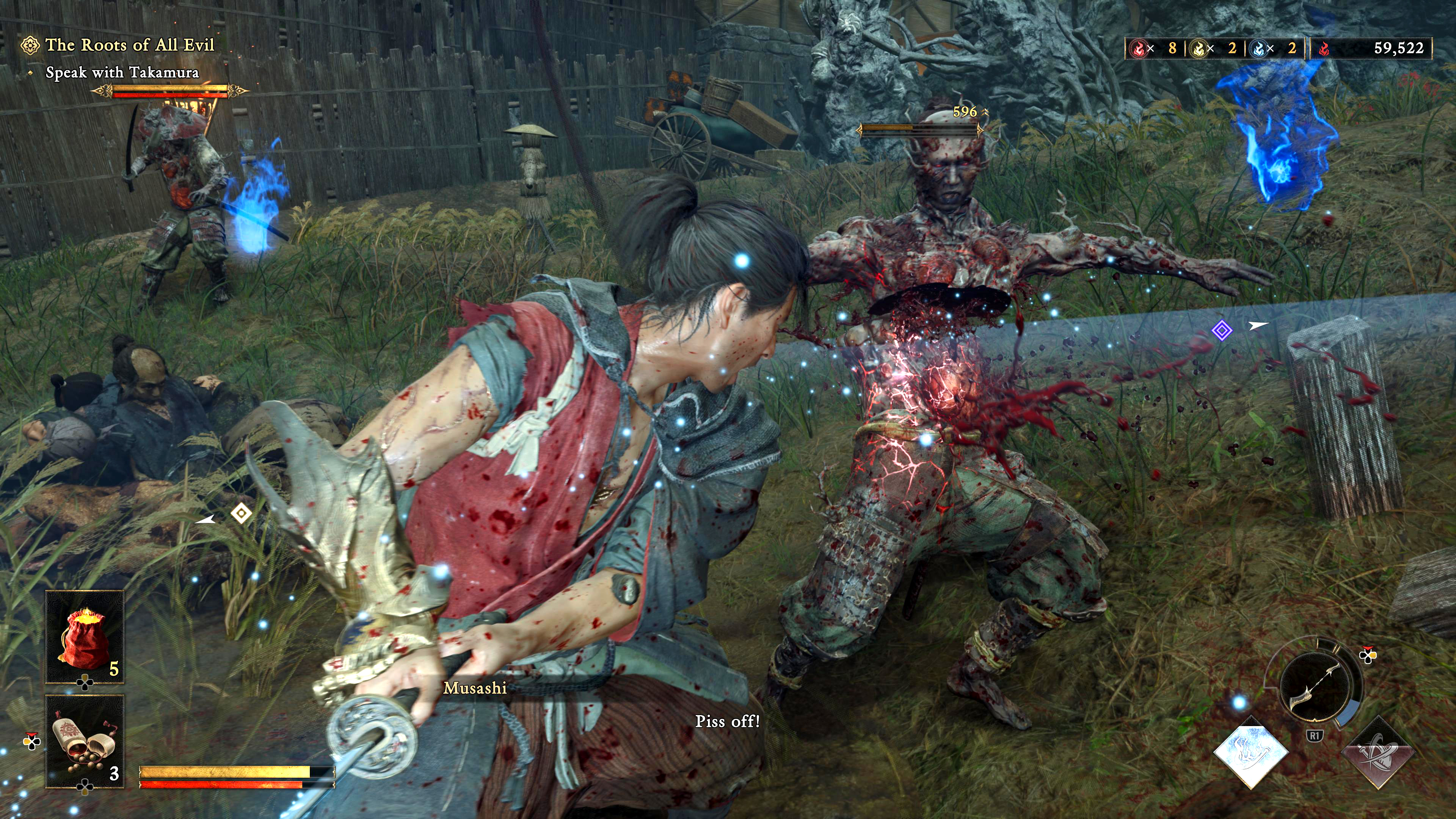
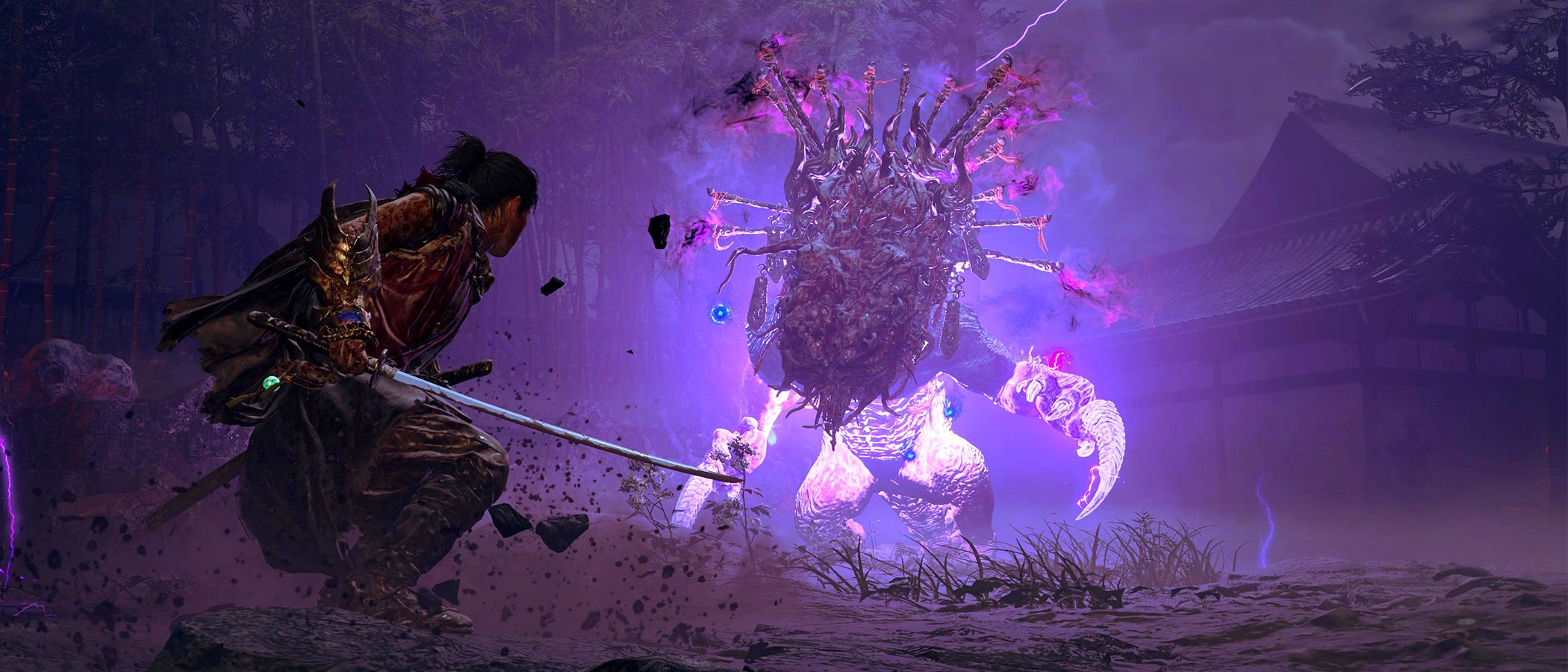
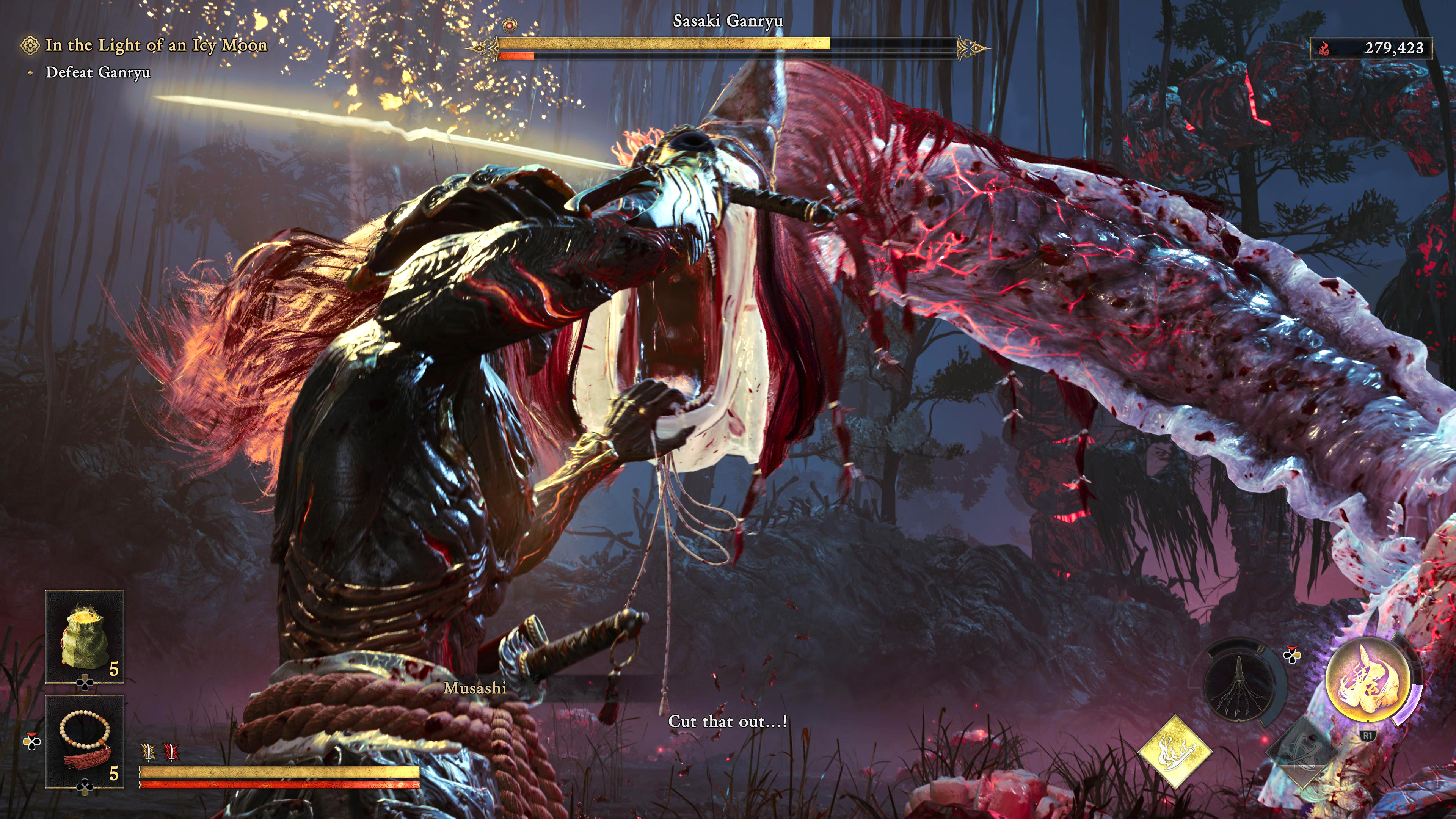
- The Issen System: This remains the gold standard of the series. By inputting an attack at the exact moment an enemy strikes, players trigger an Issen—a one-hit kill that creates a fountain of souls. It is a system that demands absolute focus, turning mundane encounters into a high-stakes dance.
- The Oni Gauntlet: This signature tool acts as the primary conduit for character progression. By absorbing yellow (health), red (upgrade), and blue (weapon-specific) souls, players can evolve their arsenal. The inclusion of the "Oni Awakening" transformation—a high-risk, high-reward state—adds a layer of tactical management during boss encounters.
- Environmental Interaction: While the world of Kyoto is stunning, the interaction is largely limited to basic traversal. Players are encouraged to hunt for treasures and complete light platforming, but the depth of these activities remains shallow compared to the core combat.
Official Perspectives and Design Philosophy
In interviews regarding the project, Capcom producers have emphasized the difficulty of balancing "nostalgia with accessibility." The goal was never to create an open-world samurai simulator, but rather a "curated, intense action experience."
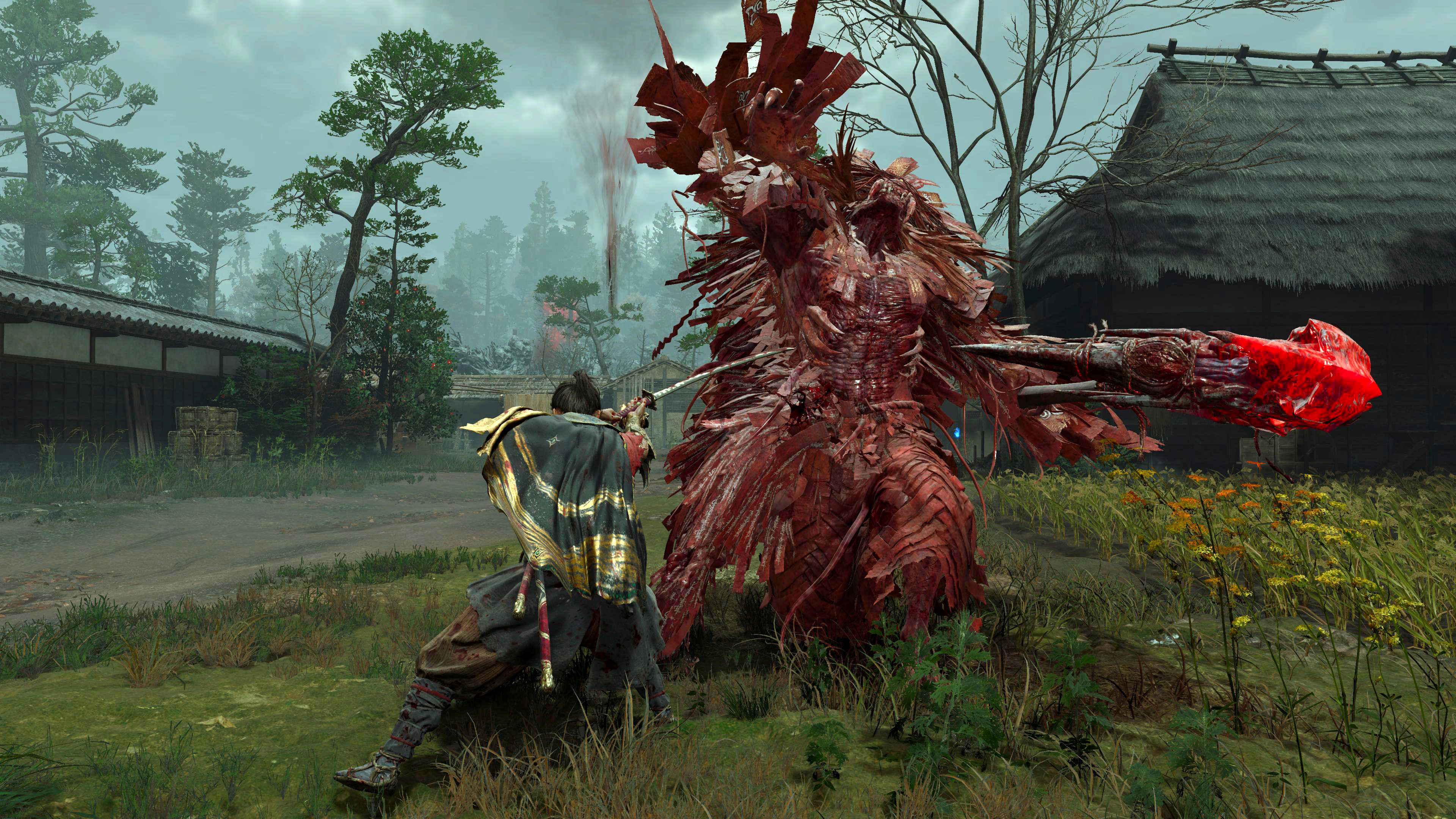
The design team opted to keep the game "narrow but deep." By avoiding the trend of bloated, map-clearing objectives, they intended to keep the focus on the swordplay. However, this philosophy is precisely where the game faces its steepest criticism: the connective tissue between the combat encounters often feels like "busywork." While the boss battles are cinematic masterclasses in timing and strategy, the repetitive nature of clearing corridors of the same Genma fodder can diminish the impact of the game’s shorter 20-hour runtime.
Implications: A Fragile Comeback
The arrival of Onimusha: Way of the Sword signals a shift in how Capcom treats its "B-tier" library—a shift toward quality over quantity. Yet, the game leaves us with a complex set of implications for the series’ future.
1. The "Filler" Problem: The primary critique of the title is the lack of environmental variety. While the art direction is impeccable—featuring ruined temples, floating rocks, and blood-soaked shoji screens—the gameplay loop becomes predictable by the third chapter. The absence of the classic Resident Evil-style puzzle-solving that once grounded the franchise is felt deeply. The game teases players with the potential for environmental complexity, only to default back to "shoot the block" mechanics.
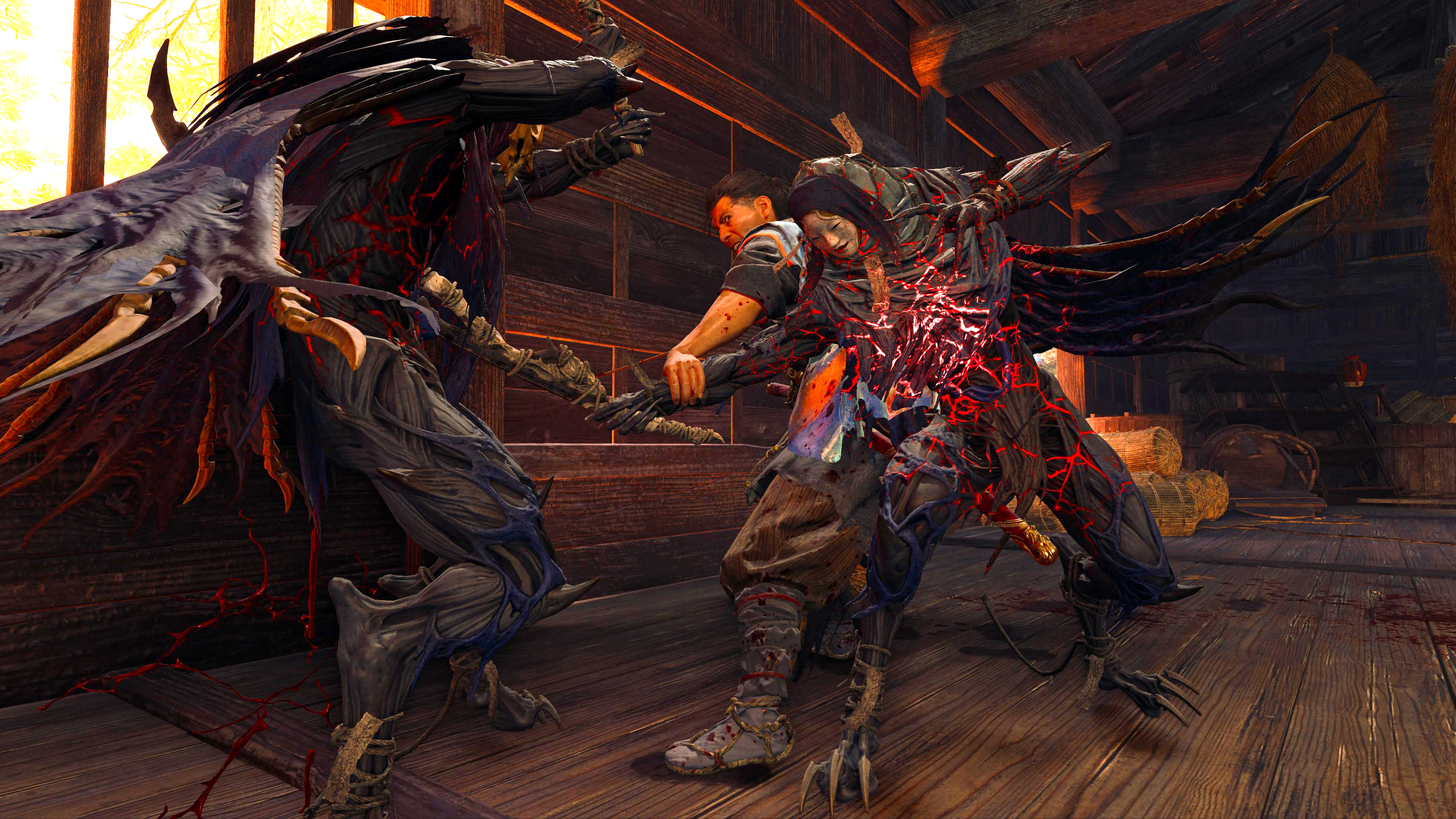
2. Combat as the North Star: Despite the structural shortcomings, the swordplay is undeniably some of the most satisfying in the genre. The ability to cancel animations and the fluidity of Musashi’s movement ensure that the game remains engaging even when the player is revisiting familiar streets for the fourth time. The combat feels like a finely tuned instrument; if the developers had applied that same rigor to the world-building, we would be looking at a masterpiece.
3. The Narrative Arc: Musashi’s characterization is a highlight. Moving away from the "solemn samurai" trope, the game presents a protagonist who is swaggering, sometimes petty, and distinctly human. This grounded performance makes the supernatural horror of the Genma invasion feel more personal. The character’s growth—from a selfish mercenary to a reluctant hero—is expertly paced, even if the "grind" to get to those narrative payoffs feels like padding.
Final Verdict: A Worthy, If Flawed, Successor
Onimusha: Way of the Sword succeeds in its primary mission: it proves that the franchise is not a relic. The swordplay is sublime, the aesthetic is haunting, and the performance capture brings the legendary Miyamoto Musashi into the modern age with grace.
However, the game struggles with the transition from a corridor-based classic to a modern action title. It is a game of two halves: the exhilarating, pulse-pounding combat of the boss fights, and the occasionally tedious, repetitive nature of the exploration. For fans of the original series, this is an essential, nostalgic, and often thrilling return to Kyoto. For newcomers, it serves as a masterclass in action mechanics that, if not for the lack of variety in its secondary activities, would stand as the definitive samurai game of the decade.
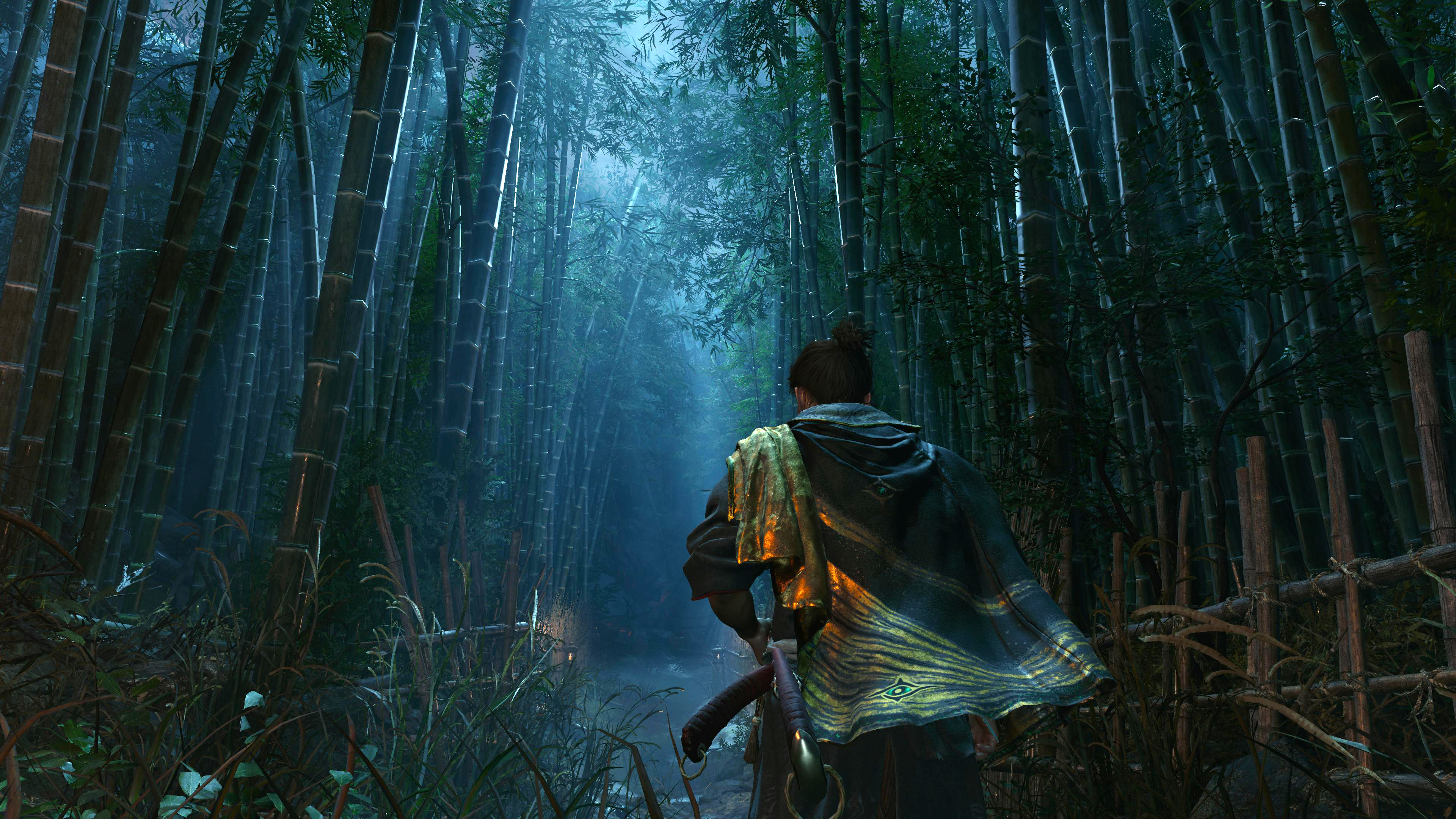
Ultimately, Capcom has proven that the sword is still sharp. With a bit more polish on the "connective tissue" of the game’s world, a sequel could easily elevate Onimusha back to the very top of the gaming industry. For now, we are happy to have the master back—even if he does spend a little too much time walking the same familiar path.