Azzam Bilal Chamdy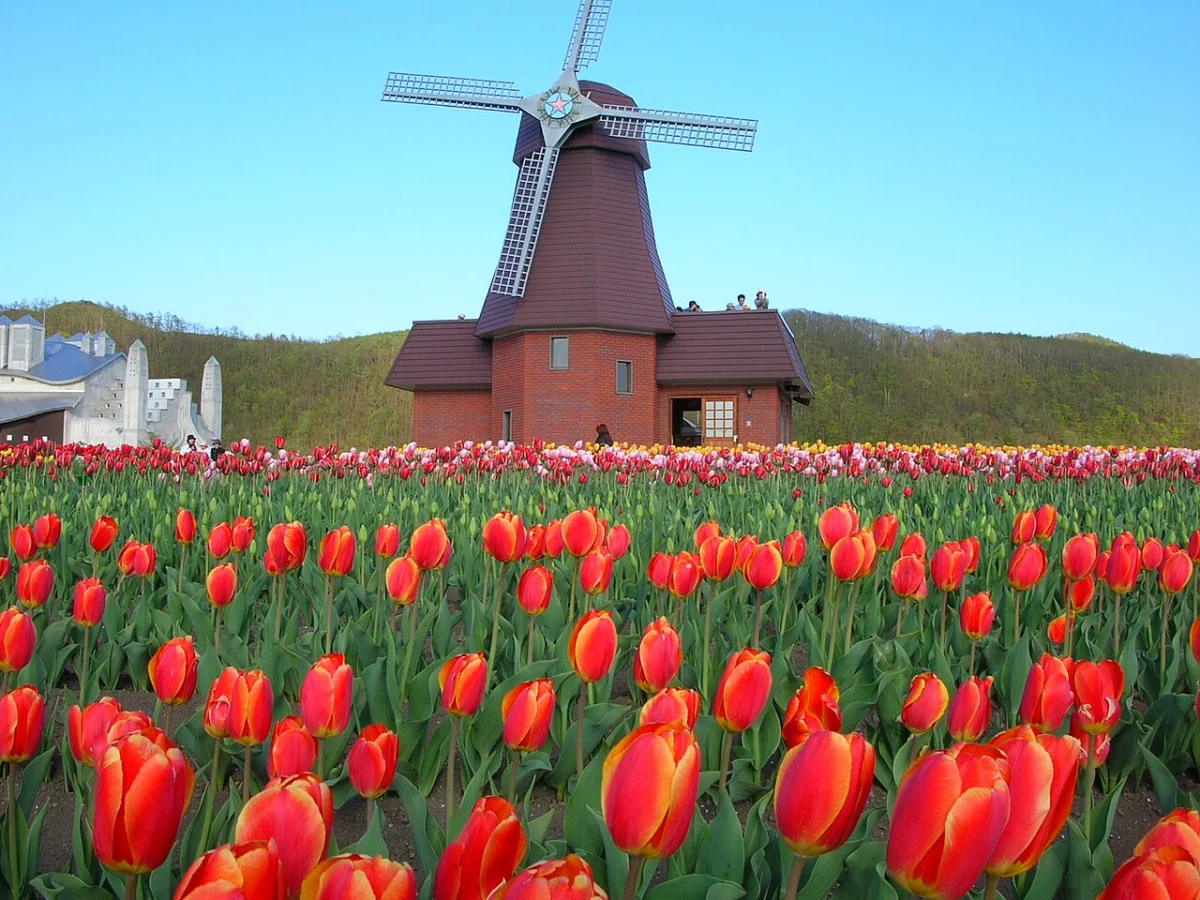
In the quiet, rural landscape of north-central Hokkaido, a transformation occurs every May that defies the modest reputation of the Yubetsu region. While Tokyo and Kyoto grapple with the waning days of spring, the Kamiyubetsu Tulip Park explodes into a symphonic display of color, drawing 100,000 visitors to a seven-hectare canvas of 700,000 blooming bulbs. This is not merely a garden; it is a testament to post-war agricultural ingenuity, a botanical pilgrimage for enthusiasts, and a vital cornerstone of Hokkaido’s seasonal tourism economy.
Main Facts: The Anatomy of a Bloom
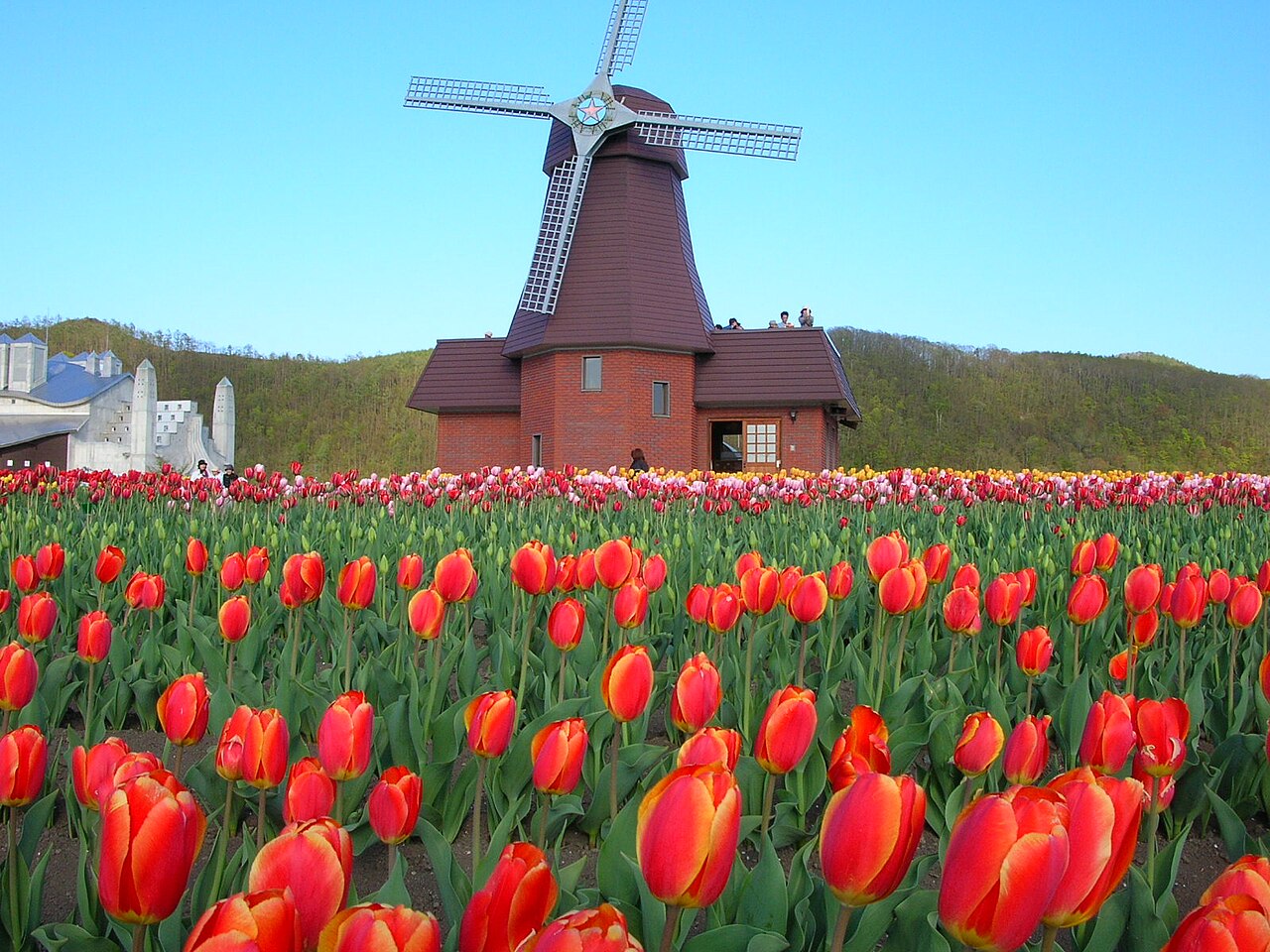
The Kamiyubetsu Tulip Park is the largest facility of its kind in Hokkaido and arguably one of the most significant displays of tulip horticulture in Japan. Spanning a 12.5-hectare footprint, the park utilizes seven hectares specifically for its meticulously curated floral beds. Visitors are greeted by 200 distinct varieties of tulips, ranging from the classic goblet-shaped early bloomers to rare, fringed, and parrot-style Dutch cultivars that are imported annually to ensure a display of unmatched diversity.
The park is defined by its geometric rigor. Unlike the naturalistic, chaotic sprawl of some botanical gardens, Kamiyubetsu is laid out in precise, vibrant ribbons of color that follow the contours of a gentle, east-facing slope. This design serves a dual purpose: it maximizes the visual impact for those standing at the base of the hill and provides a structured environment for the park’s head gardener, who rotates the color palette on a strict three-year cycle. This ensures that even for returning visitors, the visual narrative of the park is never stagnant.
A Historical Chronology: From Beet Fields to Botanical Wonder
The park’s existence is rooted in a deliberate socio-economic shift in the early 1950s. Following the hardships of the post-war era, the Yubetsu agricultural cooperative (JA) sought to diversify the local economy, which was then almost entirely dominated by potato and sugar-beet cultivation.
- 1950s: The "Dutch Experiment." Local farmers began importing tulip bulbs from the Netherlands as a pilot project, testing whether the climate of northern Hokkaido could sustain commercial bulb production.
- 1957: The first public festival was held, marking the transition from a purely agricultural experiment to a community-focused celebration.
- 1989: The Yubetsu municipal government recognized the tourism potential of the display and established the permanent site as a dedicated tourism asset.
- Present Day: The park functions as a seasonal centerpiece, run by the municipal tourism board, acting as an anchor for the region’s spring tourism calendar.
This transformation from survival-based farming to tourism-focused horticulture reflects a broader Japanese trend of "rural revitalization," where small, remote towns leverage unique natural assets to draw capital and visitors from major metropolitan centers.
Supporting Data: By the Numbers
Understanding the scale of Kamiyubetsu requires looking at the logistics behind the beauty:
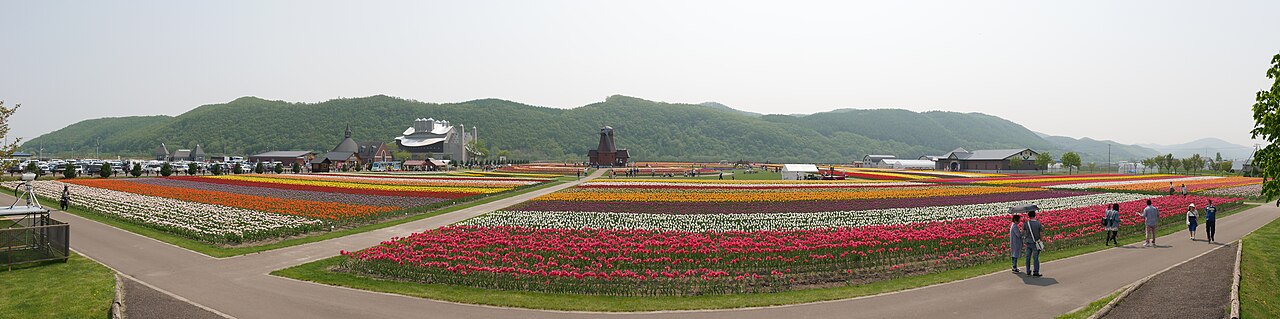
- Scale: 700,000 total plants.
- Diversity: 200 unique varieties, including high-end Dutch heritage cultivars.
- Footfall: Approximately 100,000 visitors annually during the month-long festival.
- Infrastructure: The park includes a 5-storey "Dutch-style" windmill observation deck, a dedicated electric "flower tram" (hana densha) for accessibility, and a 400-car parking facility.
- Seasonal Window: The festival runs exclusively in May, with peak bloom typically occurring between May 15 and May 25, depending on the severity of the Hokkaido winter.
Official Perspectives: The Role of Municipal Governance
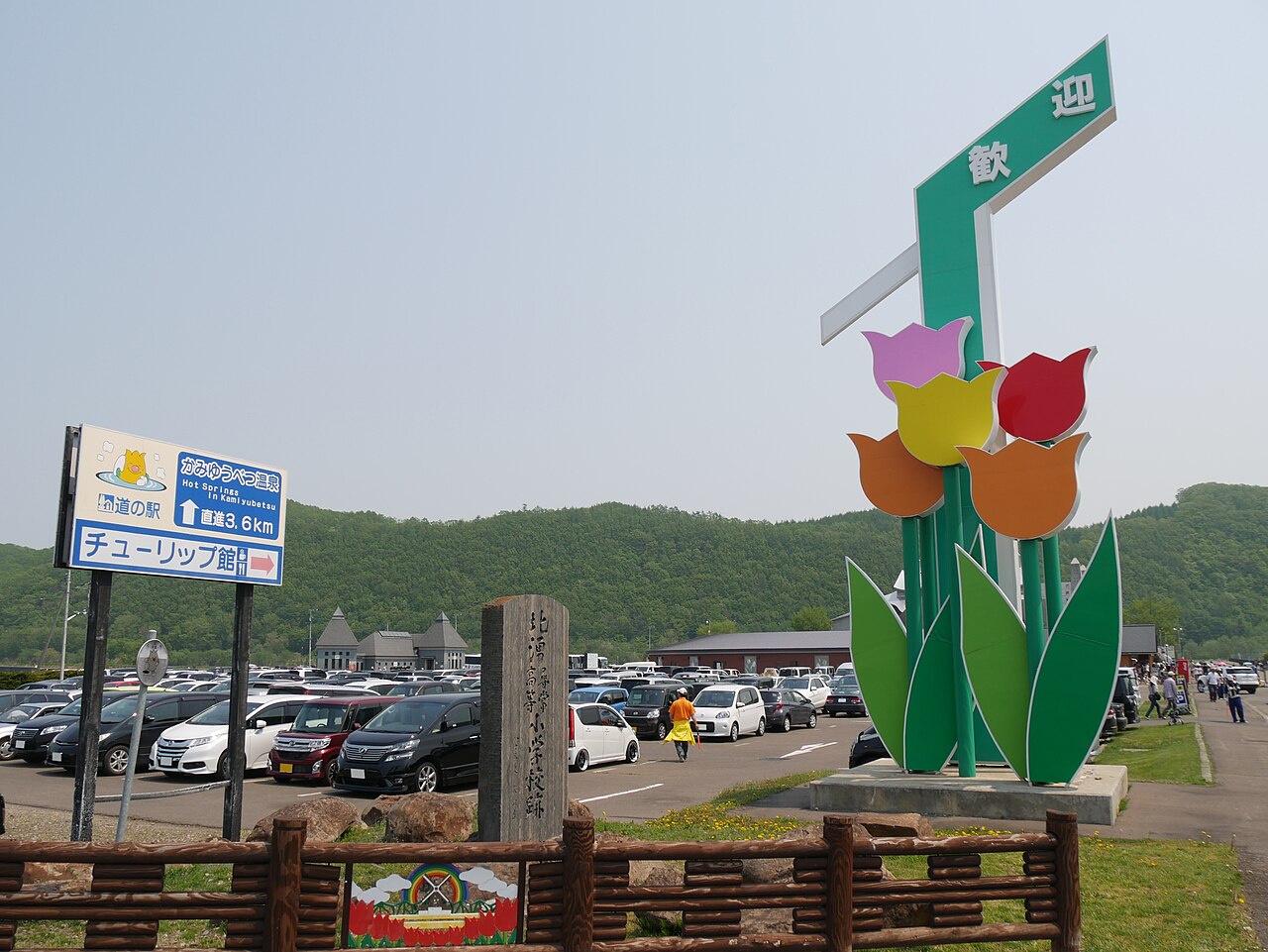
The Yubetsu municipal tourism board treats the park as more than just a garden; it is a vital utility for regional branding. According to local officials, the "Tulip no Yu" complex—a roadside station (michi-no-eki) combined with a hot-spring bath—is the primary strategic link to the park.
By integrating the garden with the michi-no-eki, the town ensures that the economic impact of the festival extends beyond the ticket gates. The hot spring provides a necessary year-round anchor for the local economy, while the garden provides the seasonal "hook." Officials note that the park’s design, which emphasizes a "wave" of blooming from lower to upper terraces, is intentionally managed to prolong the peak experience, preventing the "all-at-once" bloom that might shorten the festival’s commercial window.
The Horticultural Experience: Beyond the Bloom
For the serious gardener, the appeal of Kamiyubetsu lies in its specific cultivar groups:
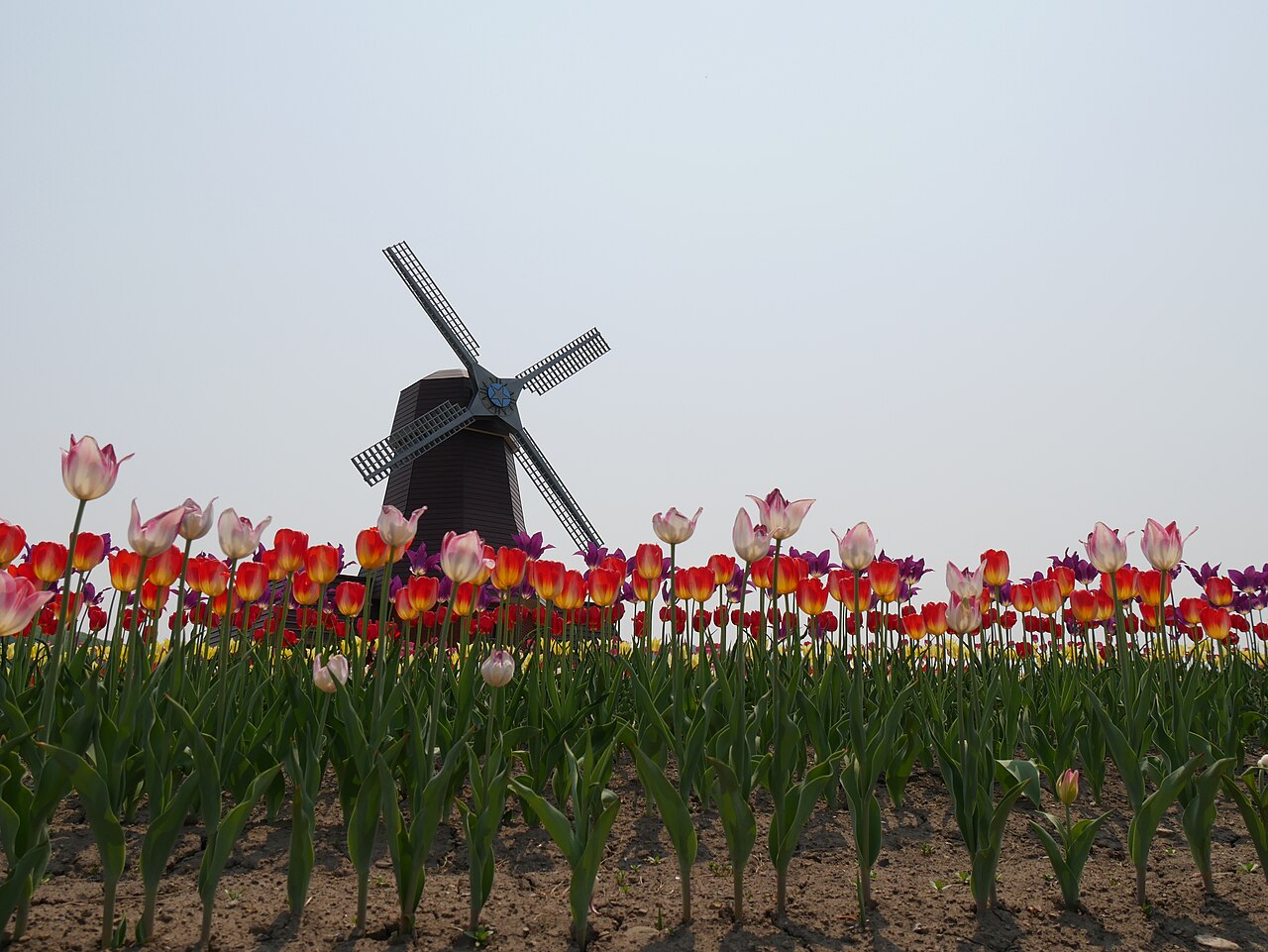
- Triumph Group: The backbone of the mid-season display, known for their sturdy stems and traditional shapes.
- Darwin Hybrids: Famous for their vibrant, saturated colors and resilience in northern climates.
- Parrot Tulips: Distinguished by their ruffled petals, providing a textural contrast to the smooth-edged varieties.
- Lily-Flowered Group: These late-bloomers add an elegant, pointed silhouette to the upper terraces.
- Fringed Tulips: Exotic, delicate blooms that serve as the "jewels" of the collection.
The park offers a "dig-your-own" event in the final week of the festival, a rare opportunity for hobbyists to acquire live, freshly dug Dutch bulbs. This activity serves as a bridge between the commercial tourism product and the personal, domestic sphere of the gardener.
Implications for Regional Tourism
The challenge of Kamiyubetsu is its geography. Situated in a remote corner of northern Hokkaido, it is not a destination for the casual traveler. It requires a 4-5 hour drive from Sapporo or a strategic flight to Okhotsk-Monbetsu Airport.
The "Eastern Hokkaido Circuit"
To combat the isolation of the park, tourism agencies promote the "Eastern Hokkaido Spring Circuit." This involves a multi-day itinerary that includes:
- Takinoue Shibazakura Park: Located just 30 minutes away, this park features massive fields of moss phlox that bloom in the same window, allowing for a "dual-bloom" itinerary.
- Saroma Lake: A natural contrast to the man-made floral beauty, offering maritime history and nature observation.
- Abashiri: A historical and cultural anchor point, providing the necessary infrastructure and hotel inventory that the small town of Yubetsu lacks.
The Future of the Park
As climate patterns in Hokkaido shift, the timing of the bloom has become a focus of intense management. With peak dates fluctuating between May 11 and May 27, the park’s reliance on accurate, real-time digital communication via their website has become paramount.
Furthermore, the park faces the ongoing challenge of remaining relevant to a changing demographic. The introduction of children’s programming, including stamp rallies and pony rides, aims to transition the park from a "photographer’s destination" to a "family-friendly day out."
Final Analysis: Is it Worth the Journey?
The consensus remains clear: for the general tourist, the distance is significant. However, for those already traversing the eastern coast of Hokkaido, or for the dedicated botanical enthusiast, Kamiyubetsu represents a pinnacle of Japanese garden management. It is a rare example of a community-run project that has managed to maintain an international standard of horticultural excellence without sacrificing its identity as a local, rural endeavor.
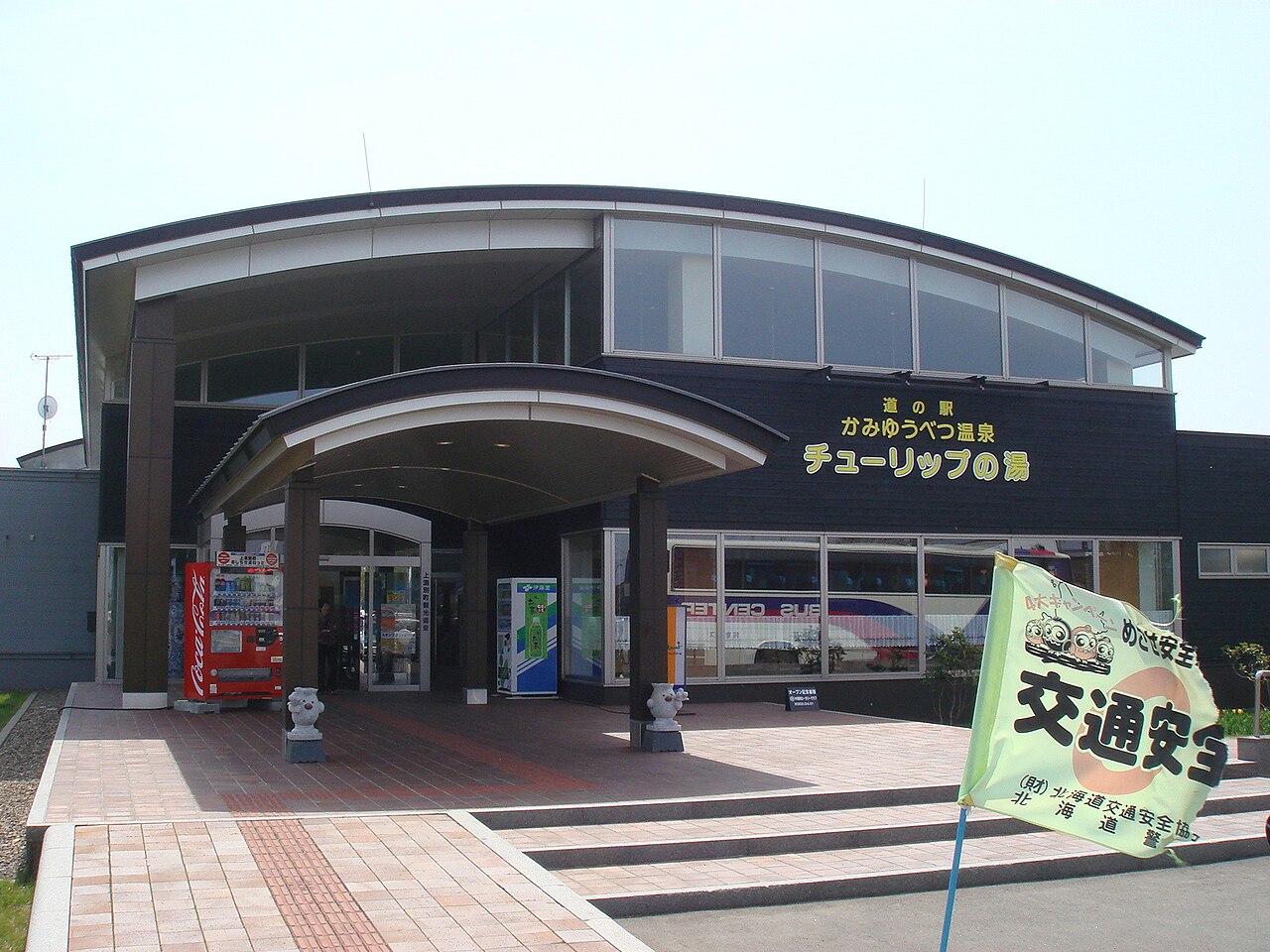
Whether one is there to climb the windmill observation deck, soak in the alkaline waters of the Tulip no Yu, or simply stand in the middle of a sea of 700,000 bulbs as they sway in the northern wind, Kamiyubetsu offers a sensory experience that justifies the long road north. It is a fleeting, ephemeral masterpiece—one that demands to be seen precisely when it is ready, and not a moment later.


 Neng Nana
 Asro
Asro