

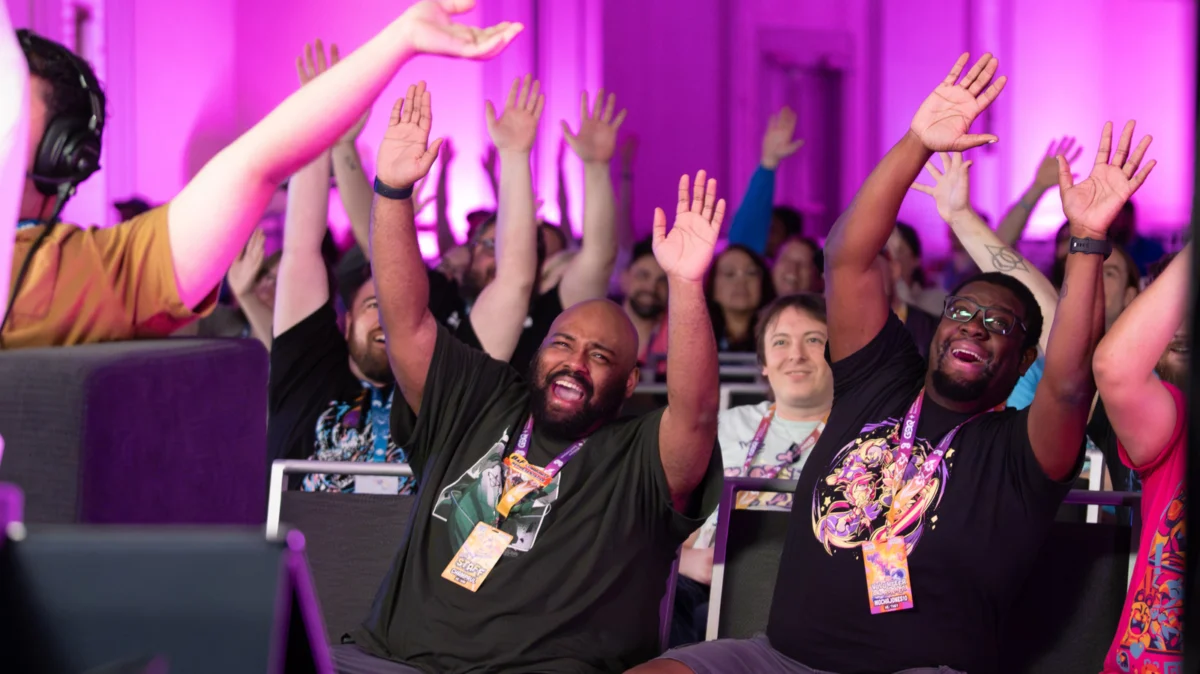
In the high-stakes world of competitive gaming, few events capture the spirit of community and altruism quite like Summer Games Done Quick (SGDQ). The annual speedrunning marathon, which concluded its latest installment in Minneapolis this past Sunday, once again demonstrated the formidable power of the gaming community. Between July 5 and July 11, the event brought together thousands of players, spectators, and donors to push the boundaries of virtual performance, ultimately raising an impressive $2,408,701 for Doctors Without Borders (Médecins Sans Frontières).
The marathon, which has become a staple in the gaming calendar, served as both a testament to human dexterity and a powerful engine for humanitarian aid. As the final tally was revealed, it underscored a consistent trend: the speedrunning community’s capacity to mobilize for global health initiatives remains as strong as ever.
The Anatomy of the Event: Main Facts and Figures
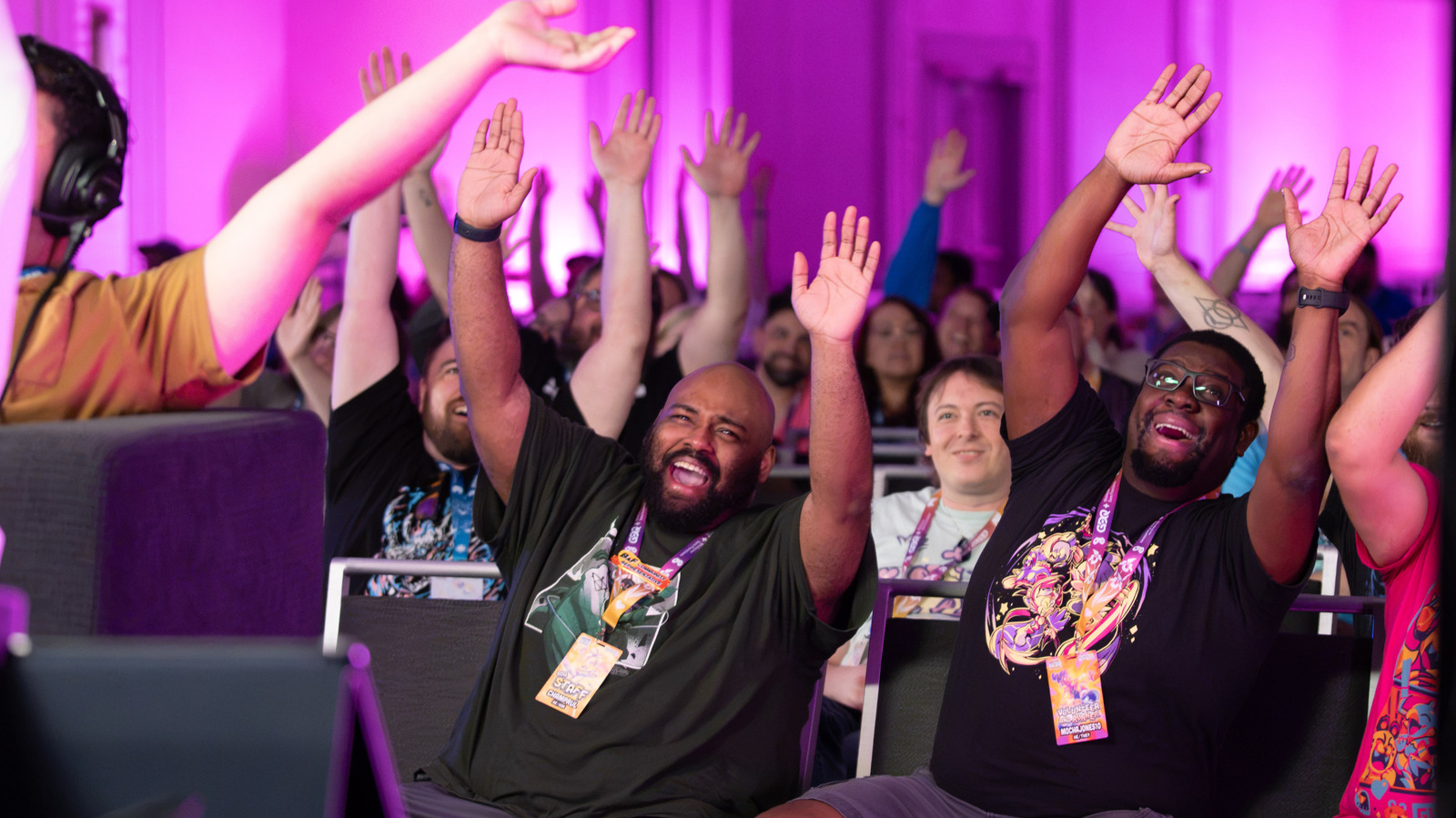
Summer Games Done Quick is more than just a series of gaming sessions; it is a meticulously organized logistical operation. This year, the event returned to an in-person format in Minneapolis, welcoming approximately 2,500 attendees who filled the venue with the electric energy that has defined the organization since its inception.
However, the physical audience was only a fraction of the total reach. Thousands of viewers tuned in via Twitch and YouTube, turning the week-long marathon into a global digital phenomenon. The $2.4 million figure is a significant achievement, particularly in a year where charitable giving faces increased economic scrutiny. This donation will go directly to Doctors Without Borders, providing essential medical care, emergency response, and surgical support to populations in crisis-stricken regions worldwide.
The success of SGDQ is rooted in its unique model: professional-grade broadcasting of "speedruns," where players attempt to complete video games in the shortest time possible, often utilizing complex glitches, frame-perfect inputs, and deep mechanical knowledge that the original developers never intended.
A Chronological Odyssey: The Week in Review
The event kicked off on July 5 with an atmosphere of palpable anticipation. From the opening ceremonies to the final, emotional sign-off on Sunday morning, the week was a non-stop barrage of high-octane gameplay.
The Opening Days (July 5–7)
The initial days of the marathon focused on establishing momentum. Classic titles and modern indie hits were balanced to appeal to a broad demographic of gamers. The energy in the Minneapolis venue was high as seasoned veterans and newcomers alike took to the stage. Early runs set the tone, with organizers noting that donation milestones were being hit at a rate that signaled a record-breaking week.
The Mid-Week Surge (July 8–9)
By Wednesday and Thursday, the marathon reached its "peak performance" phase. It was during this period that the most anticipated runs—those requiring extreme technical precision—were showcased. The community interaction, facilitated by the chat moderators and stream hosts, became a central pillar of the experience, as viewers donated to influence gameplay, unlock bonus runs, or simply offer tributes to the organization.
The Grand Finale (July 10–11)
The final 48 hours are traditionally reserved for the "marathon" portion, where longer, more complex games—often JRPGs or open-world titles—are tackled. The atmosphere grew increasingly celebratory as the $2 million goal was eclipsed. The closing ceremony on Sunday morning served as a moment of reflection, where the collective effort of the community was laid bare, and the final total of $2,408,701 was announced to thunderous applause.
Performance Highlights: Records and Unforgettable Moments
While the primary goal of SGDQ is charitable, the event is equally prized for its contribution to the speedrunning "meta." This year’s iteration was no exception, providing several moments that will likely be discussed in the gaming community for years to come.
The Bluekandy Record
The most significant technical achievement of the week came from the streamer known as Bluekandy. In a display of near-inhuman consistency, Bluekandy executed a "No Dupes" run of Kirby Air Ride. Finishing with an official time of 37 minutes and 54 seconds, the run was not only a personal victory but a new world record. The precision required for such a feat—navigating the game’s idiosyncratic physics engine without relying on common item duplication exploits—served as a masterclass in modern speedrunning.
Community Highlights
Beyond pure speed, the event provided "human" moments that define the GDQ culture:
- The Balatro Run: The rogue-like poker deck-builder Balatro saw a run that organizers described as "beating all odds." The volatility inherent in the game made for a thrilling spectacle that had the audience on the edge of their seats.
- Impromptu Performance: During a technical break in the Resident Evil: Requiem run, the event took an unexpected turn into performance art when the broadcast featured impromptu beatboxing. Such moments are emblematic of the GDQ atmosphere—a blend of intense focus and lighthearted camaraderie.
Official Responses and Humanitarian Impact
The partnership between Games Done Quick and Doctors Without Borders has evolved into one of the most successful collaborations in the non-profit gaming space.
In a statement following the event, representatives from Doctors Without Borders expressed deep gratitude for the continued support. "The funds raised during SGDQ are not just numbers on a screen," one spokesperson noted. "They represent vaccinations, clean water, surgical kits, and frontline medical staff in areas of the world that are currently experiencing extreme instability. The gaming community has once again proven that their passion for digital worlds can have a profound impact on the physical one."
The organizers at Games Done Quick emphasized that the success of the event is entirely dependent on the volunteers, the speedrunners who spend hundreds of hours practicing, and the donors who keep the momentum going. "We provide the stage, but the community provides the heart," said a lead organizer during the closing ceremony.
Implications: The Future of Charity Speedrunning
The success of the 2025 Summer Games Done Quick carries several implications for the future of digital philanthropy and the gaming industry at large.
A Validated Model
The consistent ability to raise multi-million dollar sums confirms that the "marathon broadcast" model is sustainable and scalable. As digital platforms like Twitch and YouTube continue to mature, SGDQ has proven that it can bridge the gap between niche hobbyist communities and mainstream philanthropic impact.
The Professionalization of Speedrunning
With each passing year, the production value of SGDQ increases. The professional lighting, high-fidelity capture, and sophisticated broadcast infrastructure have transformed speedrunning from a bedroom hobby into a spectator sport. This professionalization has attracted more sponsors and broader media coverage, which in turn facilitates higher donation totals.
Community Resilience
Perhaps the most significant implication is the resilience of the community. In an era often characterized by online toxicity, SGDQ serves as a beacon of what a digital community can achieve when focused on a common, altruistic goal. The event fosters a culture of inclusivity and support, where the primary objective is to help those in need, regardless of the game being played.
Looking Ahead
As the dust settles on the Minneapolis event, the focus shifts to the upcoming winter iteration of the marathon. The bar has been set high, but if history is any indication, the speedrunning community will rise to the challenge. For those who missed the live action, the full archive of runs is currently available on the Games Done Quick YouTube channel, offering a comprehensive look at the skill, dedication, and charity that defined this year’s event.
In summary, the 2025 Summer Games Done Quick was more than a display of gaming prowess; it was a powerful reminder that when talent, technology, and empathy converge, the impact can be truly global. With over $2.4 million secured for Doctors Without Borders, the community has once again proven that gamers are not just playing for the high score—they are playing for the world.











