

The 1980s represent a distinct era in Hollywood history, characterized by high-concept premises, aggressive marketing, and a relentless pursuit of the "buddy comedy" formula. While modern cinema often relies on established intellectual property, the studio system of the late 80s was obsessed with high-octane personality clashes. From the grit of 48 Hrs. to the surreal comedic genius of Twins, the industry believed that the secret to box-office gold was simple: take two diametrically opposed stars, force them into a high-stakes environment, and let the chemistry (or lack thereof) fuel the narrative.
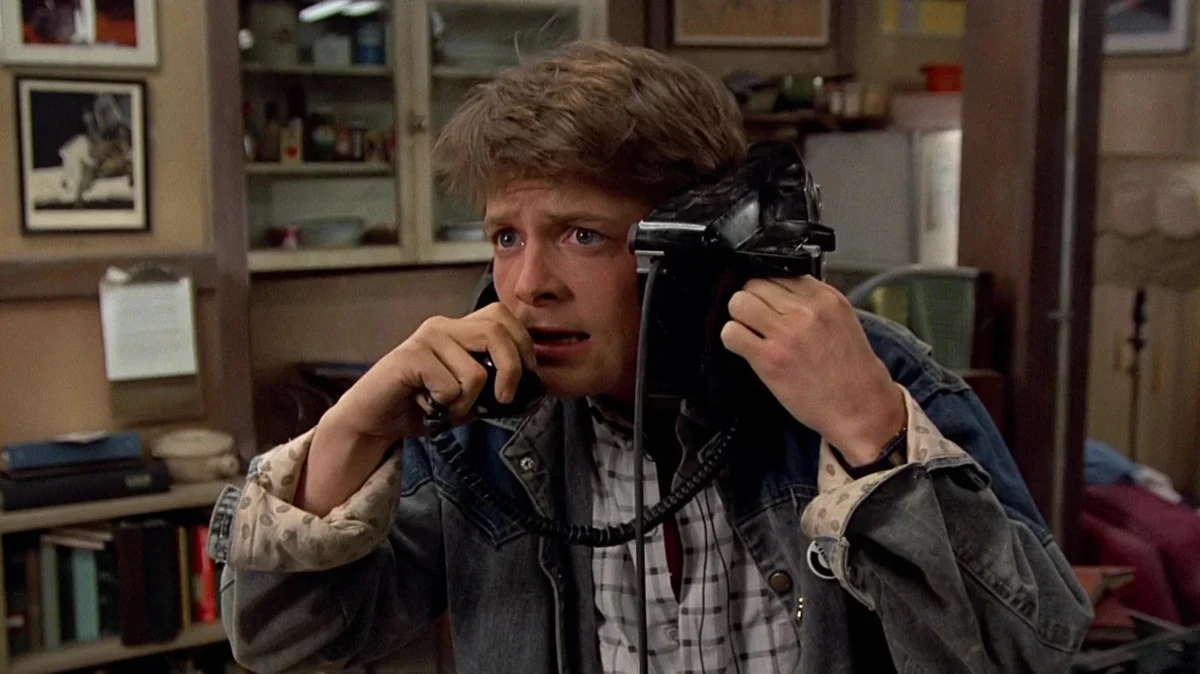
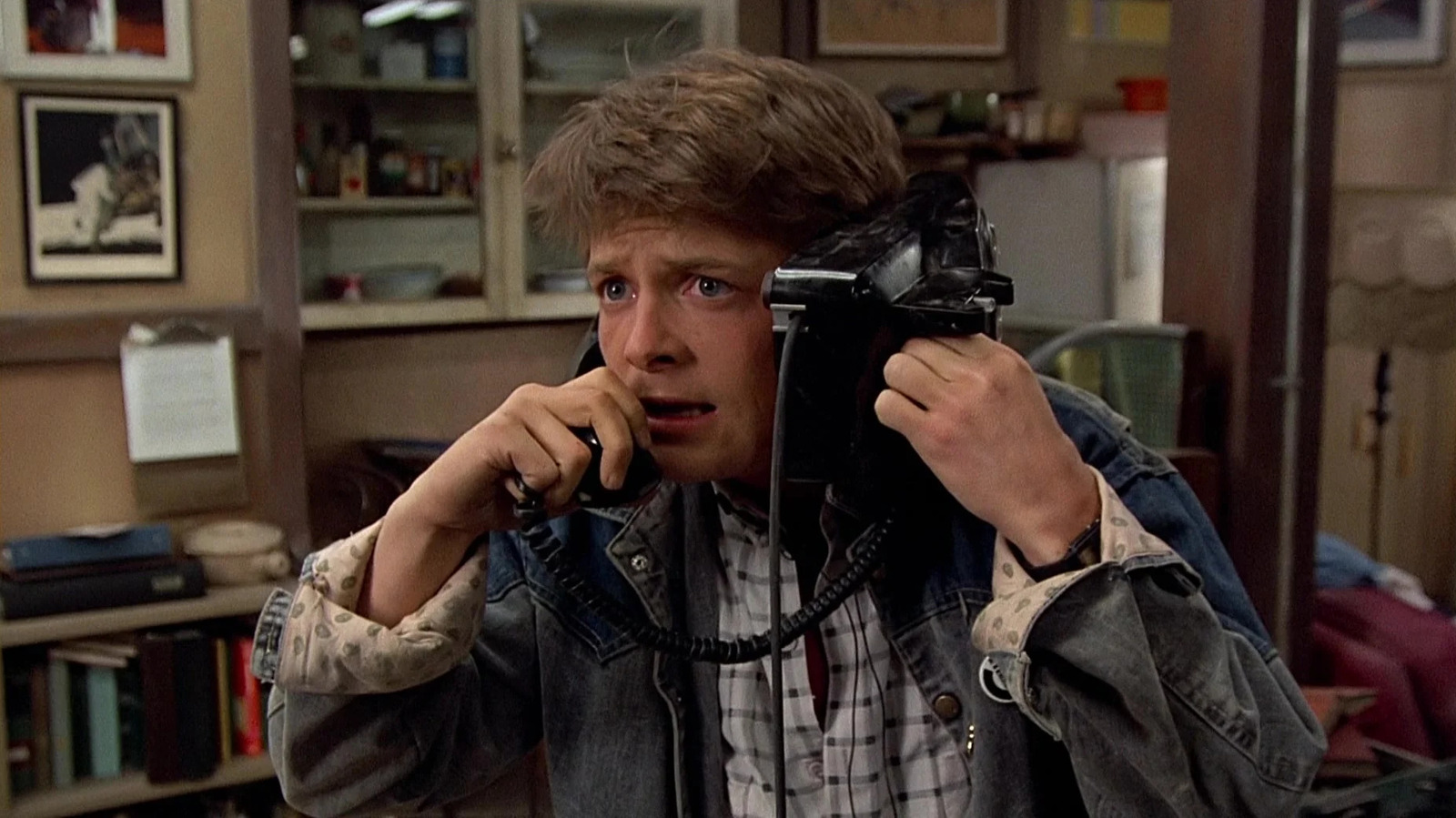
One of the most fascinating "what-ifs" of this era concerns Joe Dante’s 1987 science-fiction gem, Innerspace. While the film is now regarded as a cult classic, it was a significant commercial disappointment upon its initial release. Newly surfaced details reveal that the project’s development could have taken a drastically different path—one that would have paired the then-ubiquitous Michael J. Fox with the massive, muscle-bound Arnold Schwarzenegger.
The Genesis of a High-Concept Spec Script
Innerspace did not originate as the witty, fast-paced comedy that audiences eventually received. It began its life as a somber, serious science-fiction spec script penned by writer Chip Proser. Proser openly acknowledged that his early drafts were effectively a "rip-off" of the 1966 classic Fantastic Voyage.
The core premise was simple: a pilot is miniaturized and injected into the body of an unsuspecting civilian. In Proser’s original vision, the tone was clinical and tense, focusing on the survivalist aspects of being a microscopic entity inside a human host. When the project was first brought to director Joe Dante—who had recently achieved massive success with Gremlins—he turned it down. The script lacked the subversive, anarchic energy that would become a hallmark of Dante’s career.
The "Buddy" Casting Pitch: Fox and Schwarzenegger
Before the project found its final, balanced form, Warner Bros. executives were eager to capitalize on the "odd couple" trope that was dominating the box office. The studio’s initial pitch for Innerspace was startlingly literal: they envisioned a film where Michael J. Fox, the defining comedic star of the decade thanks to Back to the Future, would be the voice inside the body of a behemoth played by Arnold Schwarzenegger.
At the time, this made logical business sense to the executives. Schwarzenegger was proving that he could handle comedy, and Fox was arguably the most bankable actor in Hollywood. However, from a narrative standpoint, the concept was inherently flawed. The dynamic of Innerspace relies on the contrast between the cocky, adventurous pilot (Tuck Pendleton) and the neurotic, hypochondriacal civilian (Jack Putter). Pairing the hyper-kinetic, small-statured Fox with the stoic, imposing Schwarzenegger would have shifted the film into a broad, slapstick action-comedy, likely stripping away the nuanced physical humor that Martin Short and Dennis Quaid ultimately brought to the screen.
Jeffrey Boam and the Creative Pivot
The task of saving Innerspace from its own high-concept absurdity fell to screenwriter Jeffrey Boam. Boam, who would go on to have a legendary career writing for films like Indiana Jones and the Last Crusade, was initially skeptical of the project. In an interview conducted shortly before his death in 2000, Boam recalled his reluctance:
"The idea was kind of ridiculous… they originally thought it might be Michael J. Fox inside Arnold Schwarzenegger’s body. I actually kept turning it down, and they were persistent and kept coming back to me."
Boam’s eventual decision to accept the assignment proved to be the turning point. He realized that if the film couldn’t be a serious sci-fi epic, it should lean entirely into the "goofy" nature of the premise. Boam decided to stop fighting the absurdity and instead embrace it, writing a script that was "loony and far out there."
His approach caught the attention of the biggest names in Hollywood. Directors like Richard Donner, John Carpenter, and even Steven Spielberg expressed interest in the project. When Spielberg signed on as an executive producer, Warner Bros. was suddenly willing to provide an almost blank check for the production. Ultimately, Spielberg stepped back to a producer role, and Joe Dante returned to the project, finally finding a version of the script that resonated with his own idiosyncratic style.
The Final Product: Why the Casting Was Perfect
When Dante finally settled on the final cast, he made a decision that would define the film’s legacy. He replaced the hypothetical pairing of Fox and Schwarzenegger with Dennis Quaid and Martin Short.
Quaid brought a cocksure, daredevil charisma to Tuck Pendleton, while Martin Short delivered one of the greatest physical comedy performances of the decade as Jack Putter. The interplay between the two—with Quaid observing life through Putter’s eyes—created a unique layer of internal monologue that the Schwarzenegger-Fox pairing would have likely missed. By casting two actors who could balance vulnerability with bravado, Dante and Boam created a film that felt grounded despite its fantastical premise.
The Marketing Failure: A Post-Mortem
Despite the creative success of the film, Innerspace failed to find a broad audience upon its July 1, 1987 release. Historians and critics often point to the marketing campaign as the primary culprit. The film was sold heavily on the "Steven Spielberg Presents" brand, leading audiences to expect something more akin to E.T. or The Goonies.
The promotional materials, including a poster that featured a tiny pod held between two fingers, were cryptic and failed to explain the actual premise of the movie. The trailers were described as "hard sells" that ignored the film’s warmth and humor in favor of high-concept spectacle. Consequently, the film opened to modest numbers and failed to capture the summer zeitgeist, despite largely positive reviews.
Implications for Modern Hollywood
The story of Innerspace serves as a poignant reminder of how fragile the development process can be. Had Warner Bros. pushed forward with the Fox-Schwarzenegger pairing, Innerspace likely would have been a high-grossing, disposable action comedy, forgotten as quickly as many other 80s "buddy" films. Instead, by allowing the creative team to find the right tone and the right actors, they created a work that has endured for decades as a cult favorite.
The lesson for the modern film industry, which is often preoccupied with "bankable" pairings and focus-grouped concepts, is clear: the success of a film is rarely found in the raw star power of its leads, but in the alignment between the material and the people tasked with bringing it to life.
Innerspace remains a testament to the idea that a "flop" in the eyes of the box office can, with the passage of time, be recognized as a triumph of creative vision. While the thought of Michael J. Fox and Arnold Schwarzenegger sharing the screen in a miniaturized pod is a hilarious mental image, it is ultimately a relief that the film became the strange, wonderful, and uniquely human story that Joe Dante intended.











No comments yet. Be the first to join the conversation!