Ammar Sabilarrohman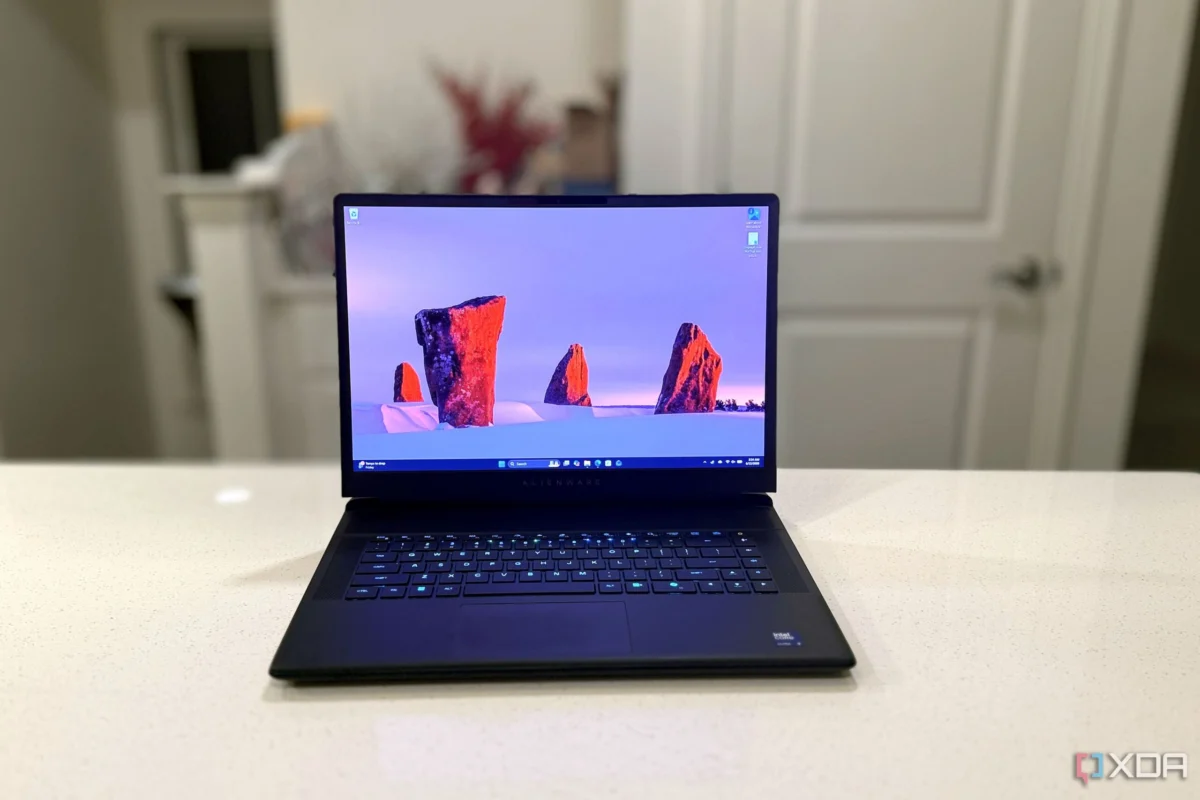
When Alienware revitalized the "Area-51" branding last year, it was met with a sigh of relief from enthusiasts. In an industry obsessed with "skinnification"—the relentless pursuit of making gaming laptops as thin as office ultrabooks—Alienware’s bold decision to prioritize thermal headroom, aggressive aesthetics, and uncompromised power was a refreshing return to form. The 2026 refresh of the Alienware 16 Area-51 builds on that foundation, integrating cutting-edge display technology and the latest silicon from Intel. However, as the gap between mobile and desktop performance narrows, one must ask: is this heavy-duty machine still relevant, or is it a relic of a bygone era?
Main Facts: The Powerhouse Reimagined
The Alienware 16 Area-51 remains a unapologetic desktop replacement. It is not designed to be slipped into a slim briefcase for a coffee shop sprint; it is designed to anchor a desk, offering performance that rivals custom-built gaming towers.
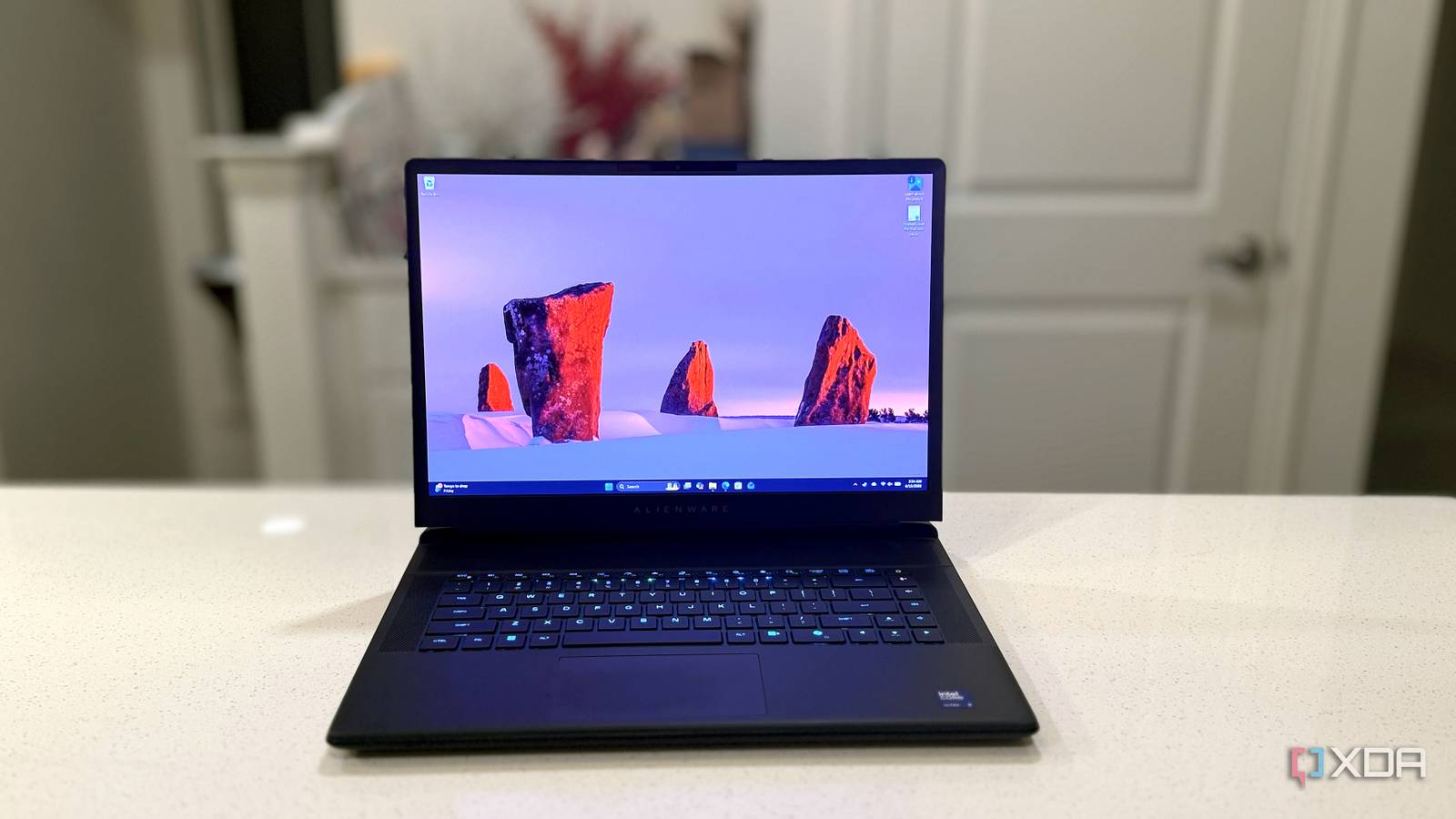
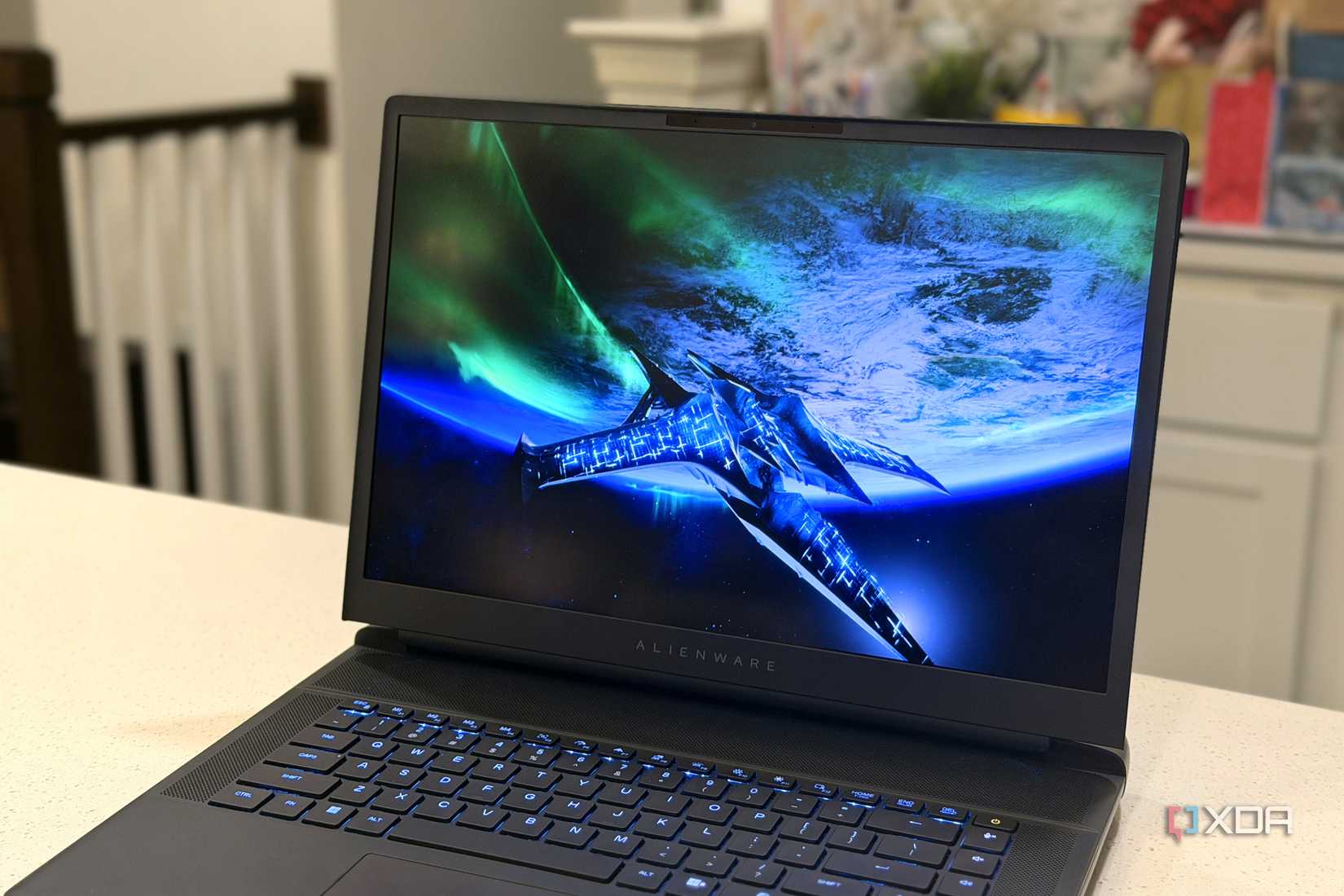
The headline feature of this year’s model is the introduction of a stunning 16-inch OLED panel. While previous iterations relied on standard IPS technology, the new display brings deep blacks, infinite contrast, and vibrant color reproduction to the table. It maintains a sensible 2,560 x 1,600 resolution with a 240Hz refresh rate, ensuring that gamers don’t sacrifice frame rates for pixel density. Under the hood, the laptop is powered by the Intel Core Ultra 9 290HX Plus and pairs with up to an Nvidia GeForce RTX 5090, making it a legitimate workstation-class machine disguised as a gaming rig.
A Chronology of the Area-51 Evolution
To understand the 2026 model, one must look at the trajectory of the series. The Area-51 nameplate has always been synonymous with "excess," dating back to the iconic desktop cases of the early 2000s.

- Summer 2025: The "return to form" launch. Dell reintroduced the Area-51 branding to laptops, focusing on large-scale cooling systems and a distinctive, sci-fi-inspired chassis. It was praised for its thermal performance but criticized for its reliance on standard IPS display technology.
- Early 2026: Supply chain shifts and component availability issues began to impact the MSRP, causing the base price of the lineup to climb significantly from the initial $2,000 entry point to a starting price of $3,250.
- June 2026: The official launch of the OLED-equipped refresh. Dell addressed the primary critique of the previous year by integrating the OLED panel and moving to the Arrow Lake Refresh CPU architecture, cementing the device’s position as a premium, high-cost flagship.
Supporting Data and Technical Performance
The performance of the 2026 Alienware 16 Area-51 is, in a word, formidable. In synthetic benchmarks, the machine consistently sits at the top of its class.
Benchmark Comparison
| Metric | Area-51 (2026 OLED) | Area-51 (2025 IPS) | HP Omen Max 16 |
|---|---|---|---|
| PCMark 10 | 10,387 | 8,451 | 8,555 |
| Geekbench 6 (Multi) | 19,823 | 19,559 | 19,467 |
| 3DMark Time Spy Extreme | 10,387 | 10,606 | 12,408 |
While the synthetic scores show a modest gain, the real-world gaming experience is where the machine shines. Running Cyberpunk 2077 at native 2,560 x 1,600 resolution with Ray Tracing set to "Low" and balanced DLSS, the system managed a rock-solid 122 fps. This performance removes the need for aggressive frame-generation tricks, providing a raw, native smoothness that is highly prized by competitive gamers.

However, this power comes at a cost. During peak performance testing, the CPU reached thermal temperatures of 108°C. While the system remained stable, it highlights a persistent challenge: even with the massive chassis, modern high-wattage mobile chips are pushing the limits of physical cooling physics.
The User Experience: Keyboard, Touchpad, and Design
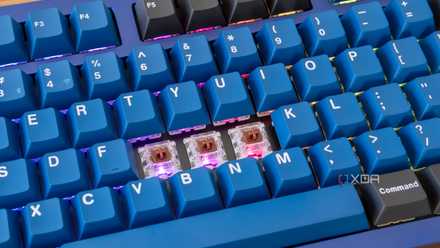
Alienware has continued its partnership with Cherry MX, offering a low-profile mechanical keyboard option that is arguably the best in the laptop industry. The tactile feedback and the "clacky" sound profile provide a satisfying typing experience that makes standard membrane laptop keyboards feel cheap by comparison.
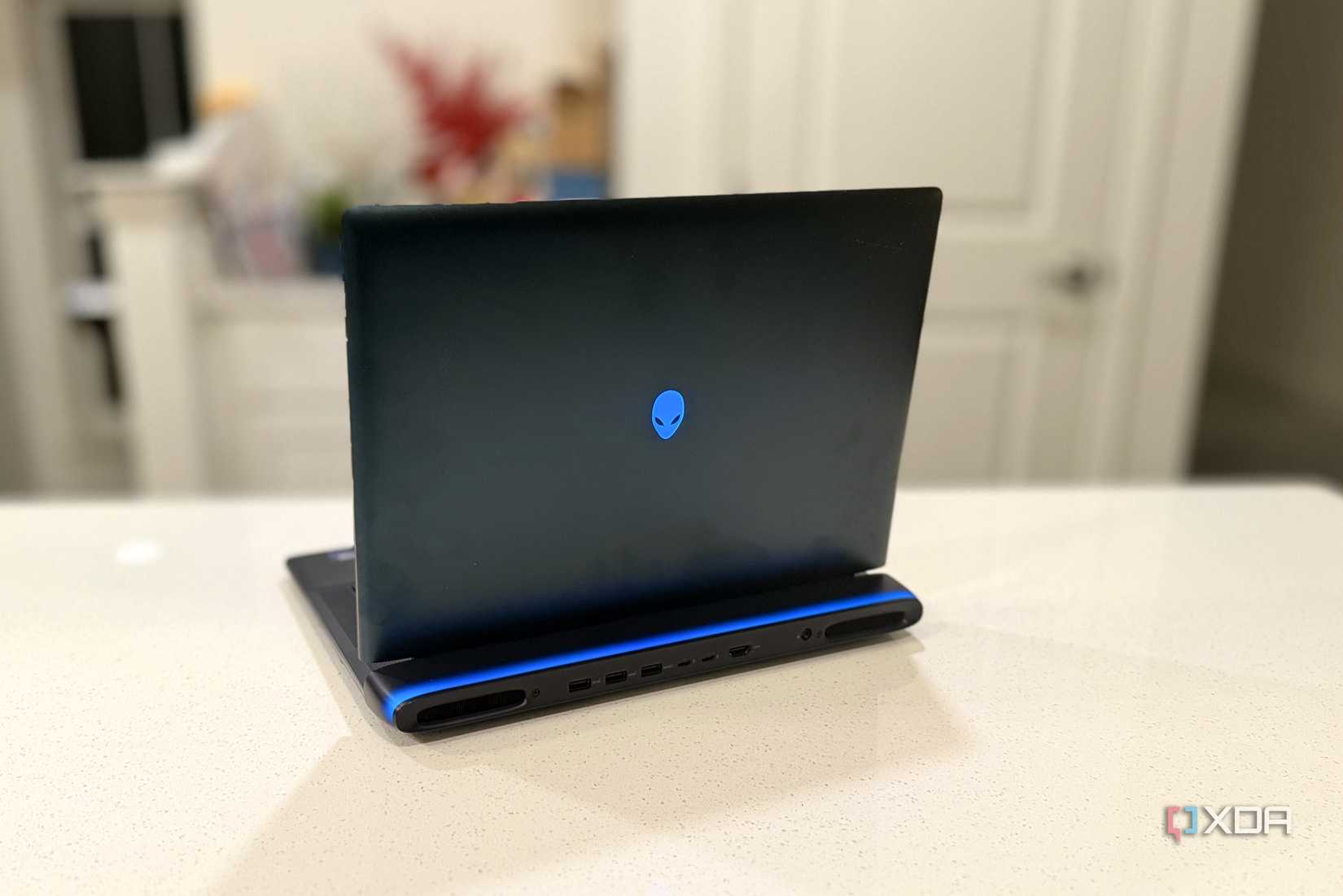
The touchpad, however, remains a point of contention. While the glass RGB-lit surface is visually striking, the palm rejection algorithm remains temperamental. In testing, the cursor occasionally stopped tracking during heavy multitasking sessions, forcing a reliance on an external mouse. Given that this is a gaming laptop, most users will likely have a mouse permanently connected, but for a machine at this price point, the input hardware should be flawless.
Official Responses and Manufacturer Positioning
Dell’s positioning of the 2026 Area-51 is clear: it is a "no-compromise" device. When asked about the high temperatures observed during testing, company representatives have consistently pointed to the "Boosted Performance" profile, which prioritizes raw clock speed over thermal throttling. Dell maintains that the internal components are rated for these temperatures and that the aggressive cooling system, while loud, is specifically tuned to sustain these high-power states during extended gaming sessions.
Regarding the price hike, Dell cites the global supply chain volatility affecting high-end DDR5 memory and Gen5 NVMe storage modules. The company argues that the premium paid for the Area-51 covers not just the raw specs, but the engineering required to house such components in a stable, reliable chassis.
Implications: The Future of the Desktop Replacement
The existence of the Alienware 16 Area-51 in 2026 carries several implications for the gaming laptop market:
- The Persistence of Bulk: As ultrabooks become more powerful, manufacturers are finding it increasingly difficult to justify the "thick" gaming laptop. The Area-51 is a defiance of this trend. It suggests that there is a dedicated market segment—enthusiasts, content creators, and competitive gamers—who do not care about portability and prioritize cooling and performance above all else.
- Display as the Key Differentiator: With silicon performance becoming more homogenized, the screen is the new battleground. The move to OLED is not just an aesthetic upgrade; it is a necessity for a flagship product. Manufacturers who fail to offer high-quality, high-refresh-rate OLED panels in their premium tiers will find it difficult to compete.
- The Thermal Ceiling: The fact that a flagship laptop with a massive cooling system is hitting 108°C suggests we are approaching the limit of what air-cooled mobile hardware can do. We may soon see a transition toward more exotic cooling solutions or a plateau in mobile CPU power consumption as the industry shifts toward efficiency-focused architectures.
Verdict: Should You Buy It?
The Alienware 16 Area-51 (2026) is a masterpiece of design, albeit one with a very specific audience.
Buy it if: You are looking for a desktop replacement that you rarely plan on moving. You value high-end aesthetics, an industry-leading mechanical keyboard, and the unparalleled visual fidelity of a 240Hz OLED display. It is for the user who wants the best of the best and is willing to pay for the privilege.
Avoid it if: You value portability, battery life, or silent operation. At over 7 pounds (plus the 2.2-pound charger), this machine is a logistical burden to travel with. Furthermore, if you are a casual gamer, the power ceiling offered by the 290HX Plus and RTX 5090 will likely be overkill for your needs.
Ultimately, the Alienware 16 Area-51 remains a "weird," bold, and exciting machine. In a market where many laptops are starting to look and feel the same, Dell has kept the spirit of the Area-51 alive: it is a heavy, hot, powerful, and beautiful spaceship for your desk. It is not perfect, but it is exactly what it promises to be, and in 2026, that is a rare commodity indeed.


 Asro
Asro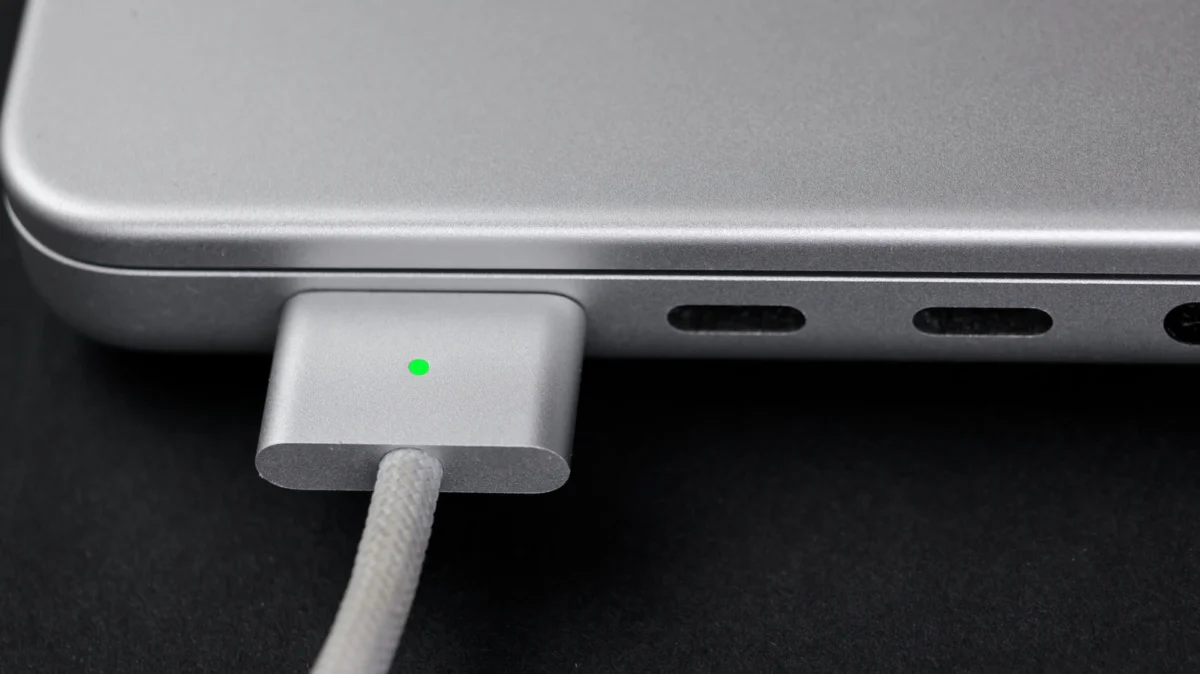
 Rifan Muazin