In an era where artificial intelligence is moving from the cloud to the physical edge, semiconductor giants are engaged in a high-stakes race to define the "brain" of future robotics. AMD has officially entered this arena with the launch of its X100 series of processors, a specialized line of Strix Halo APUs engineered specifically for the rugged, high-stakes demands of embedded systems and industrial robotics.
By repurposing the high-performance architecture of its consumer-grade Ryzen AI Max processors for 24/7 industrial duty, AMD is making a clear play for the burgeoning robotics market. This move represents a strategic departure from traditional PC-centric chip design, aiming to provide a decade-long lifecycle for hardware that powers everything from autonomous warehouse bots to complex humanoid assistants.
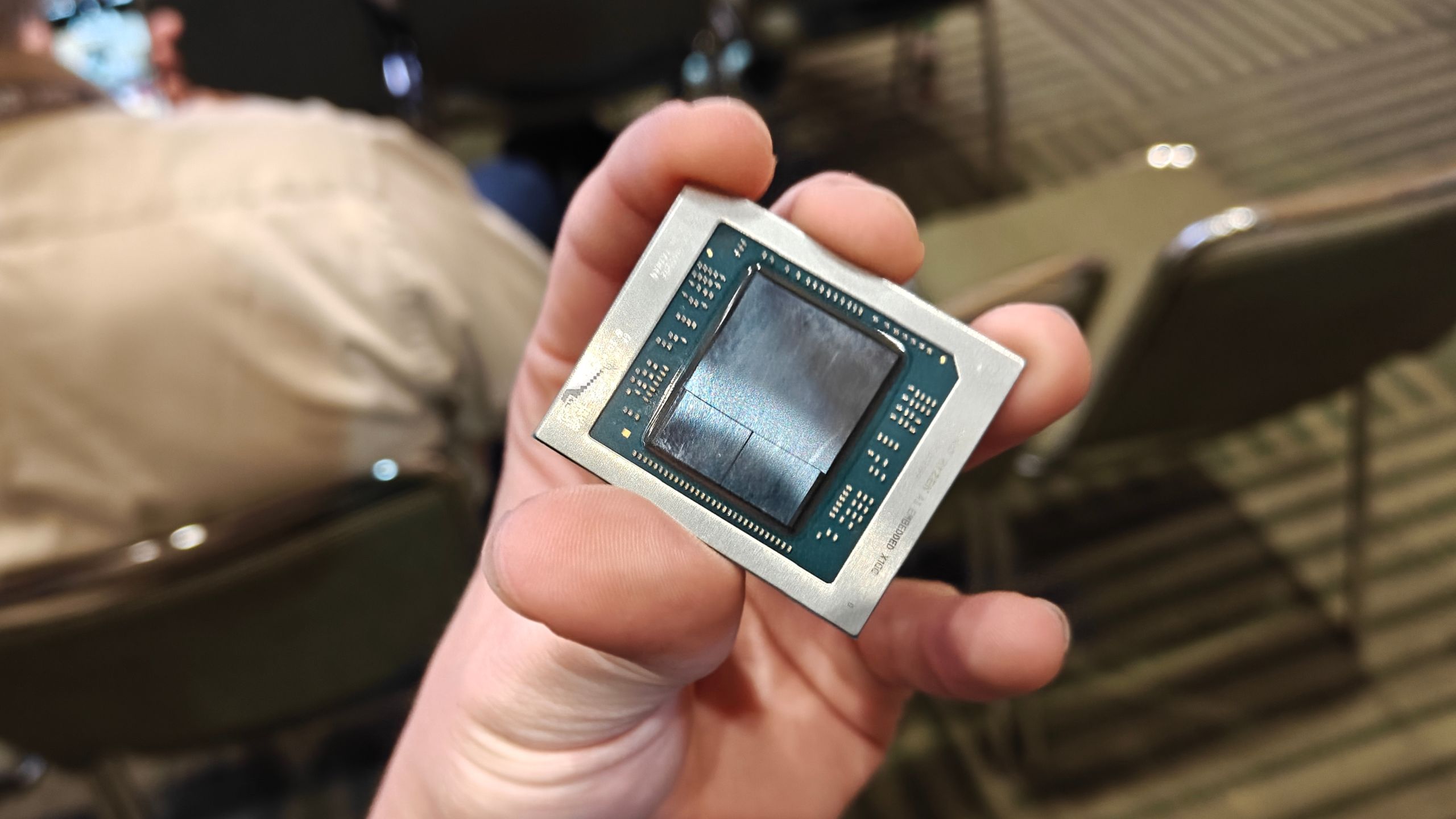
Main Facts: The X100 Series Architecture
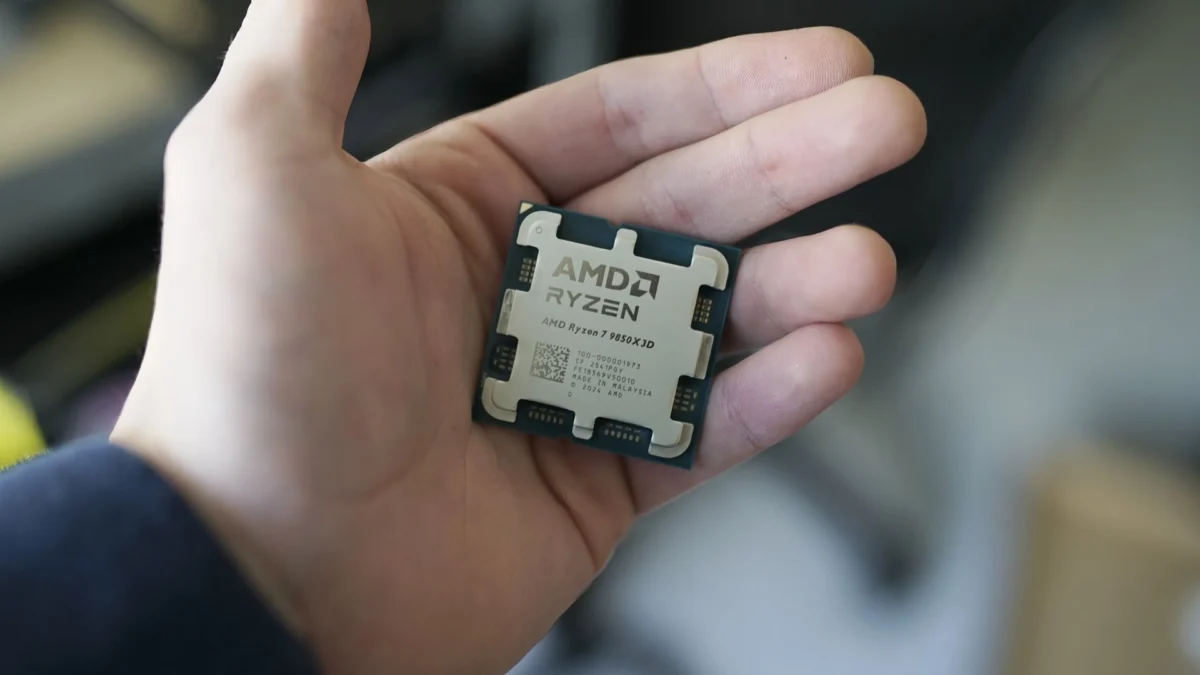
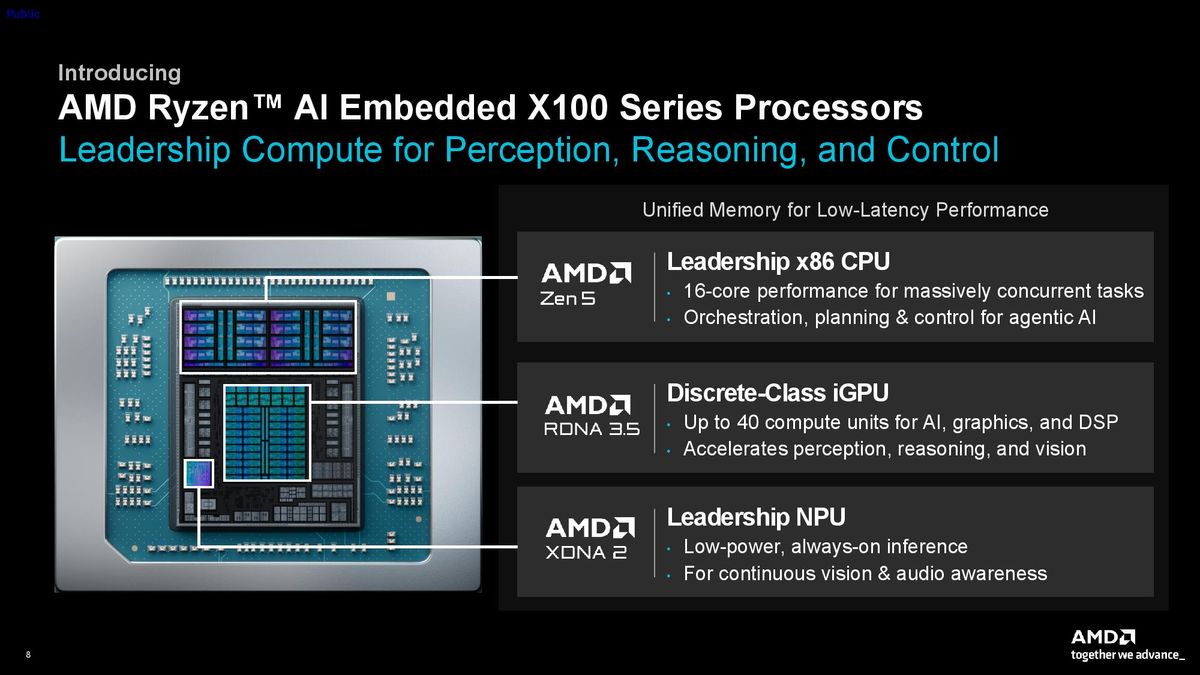
The new X100 lineup consists of three distinct SKUs, each designed to scale according to the computational density required by the application. These chips are built upon the original Strix Halo architecture, prioritizing a "System-on-Chip" (SoC) design that integrates the CPU, GPU, and NPU into a single, power-efficient package.
- The Flagship X199: The top-tier offering, featuring 16 Zen 5 processor cores and 40 RDNA 3.5 compute units.
- The Mid-Range X188: A 12-core variant paired with 32 RDNA 3.5 compute units.
- The Entry-Level X168: An 8-core model that retains the same 32-compute-unit graphics configuration as the X188.
Beyond core counts, these processors are defined by their adaptability. They boast up to 5.1 GHz boost clocks and support for up to 128 GB of unified memory, allowing for massive AI model processing directly on the device. Each chip integrates an XDNA 2 NPU capable of delivering 50 TOPS (trillions of operations per second) for dedicated AI tasks. Crucially, these processors offer a configurable Thermal Design Power (TDP) range between 45W and 120W, with a temperature tolerance ranging from a freezing -40 degrees Celsius to a scorching 105 degrees, making them suitable for deployments in extreme industrial environments.
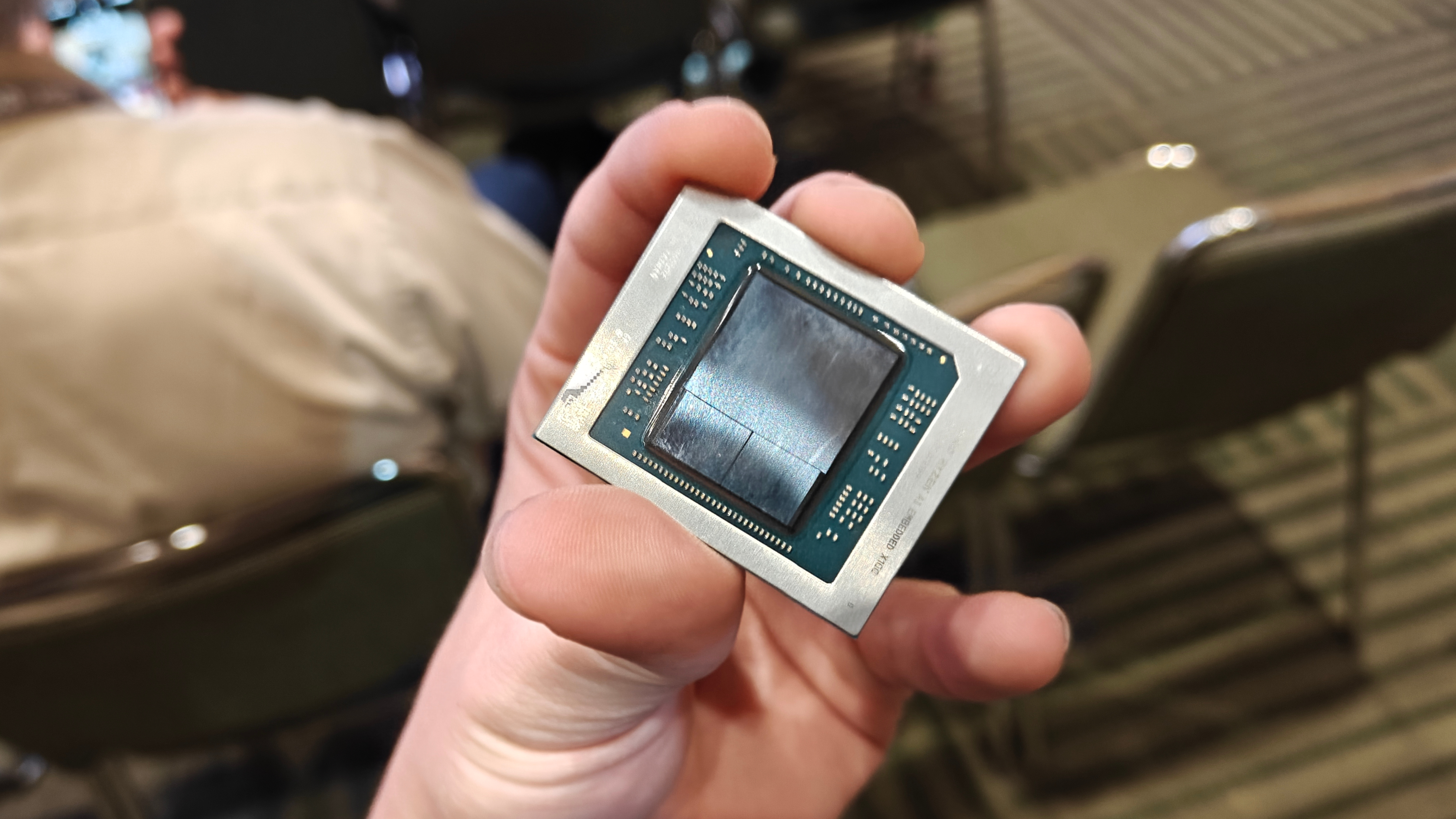
Chronology: From Consumer Silicon to Industrial Reliability
The development of the X100 series is the culmination of AMD’s "Strix" roadmap, which began in the consumer laptop segment.
- Phase One (Early 2024): Intel signaled its intent to dominate the embedded AI space with the launch of its Panther Lake SoCs. This forced the industry to reconsider the viability of integrated architectures in robotics, specifically highlighting the latency benefits of keeping CPU, GPU, and memory on a single die.
- Phase Two (Mid 2024): AMD finalized its Strix Halo designs for consumer notebooks, setting the stage for high-end AI capabilities in thin-and-light devices.
- Phase Three (Current Announcement): AMD pivoted its focus toward the embedded sector. By modifying the Strix Halo architecture to meet 10-year service life requirements, the company created the X100 series. This transition required significant validation for thermal cycling, voltage stability, and long-term reliability that typical consumer hardware is not subjected to.
- Phase Four (Upcoming): The rollout of the Kria SOM and the integrated robotics developer platform, scheduled for full production in Q4 of this year.
Supporting Data: A Competitive Landscape
AMD’s entry into the robotics market is characterized by a "chip-versus-chip" battle against both Intel and Nvidia. In its promotional materials, AMD has highlighted several benchmarks comparing the flagship X199 to Intel’s Core Ultra X7 358H.
According to AMD’s internal testing (conducted on a Maple reference board), the X199 demonstrated a 1.2X lead in GeekBench 6.1 and a 1.3X lead in PassMark over its Intel counterpart. More impressively, the company reported a 1.5X performance increase in integer-heavy workloads via SPECrate 2017. Graphics performance, a traditional AMD stronghold, showed even greater disparities: the X199 was 1.4X faster in Vulkan-based benchmarks and 1.7X faster in OpenGL testing.
However, these figures warrant careful scrutiny. As AMD openly disclosed, the comparison was not a direct "apples-to-apples" test. The Intel X7 358H was tested within an MSI Prestige 16 Flip AI+ laptop with a restricted 30W TDP, while the X199 was tested on an open reference board at 45W. AMD used "scaling factors" to project the Intel chip’s performance to a 45W level, introducing a layer of theoretical extrapolation that may not mirror real-world performance under sustained thermal load.
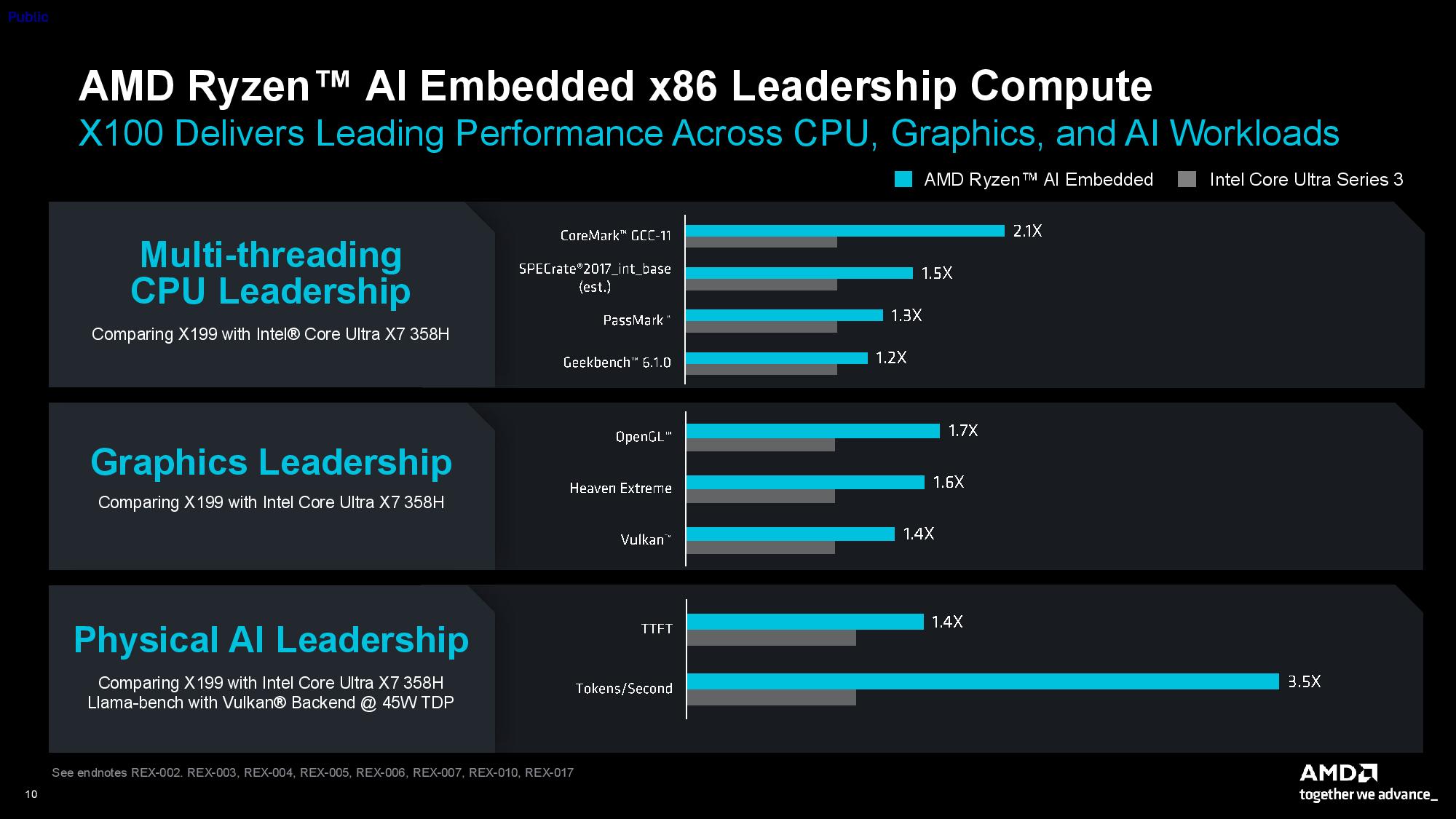
Furthermore, in the realm of physical AI, AMD reported a 1.4X improvement in Time to First Token (TTFT) and a 3.5X increase in tokens per second using the Llama-bench test, highlighting the efficiency of the XDNA 2 NPU architecture.
The Kria Ecosystem: A "Turnkey" Robotics Solution
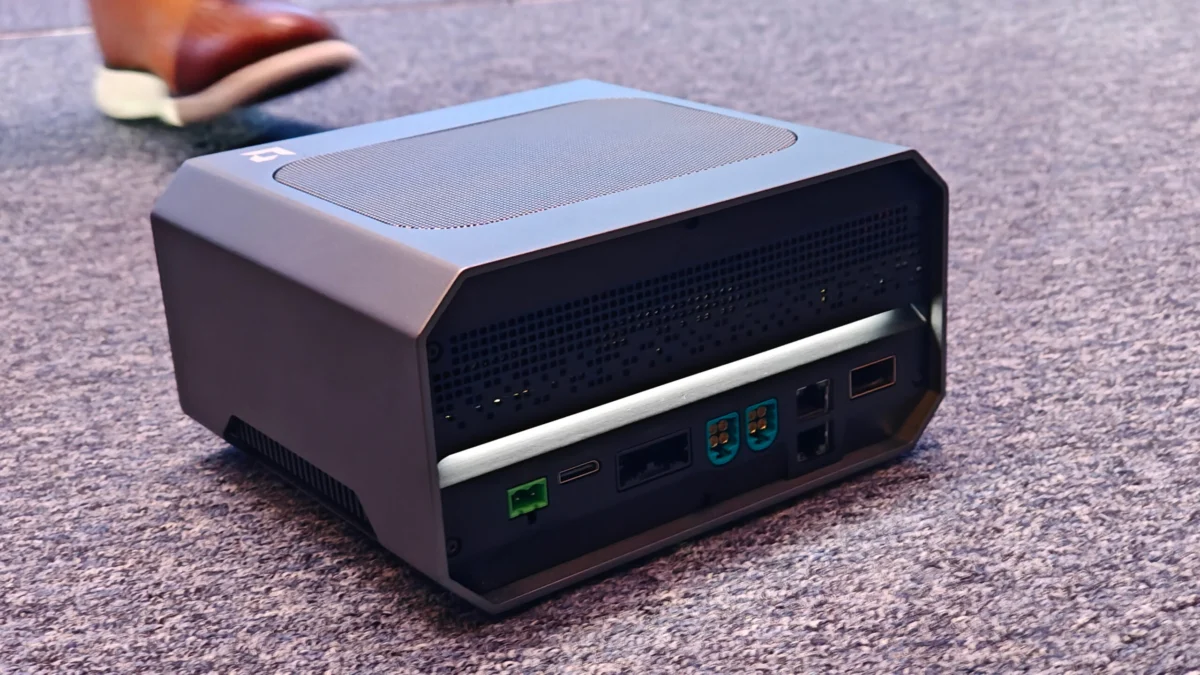
Hardware is only as useful as the software and support ecosystem surrounding it. To solve this, AMD is launching the Kria System on Module (SOM). Measuring just 120mm x 120mm, this module conforms to the industry-standard COM-HPC form factor, allowing manufacturers to integrate the chip into modular designs easily.
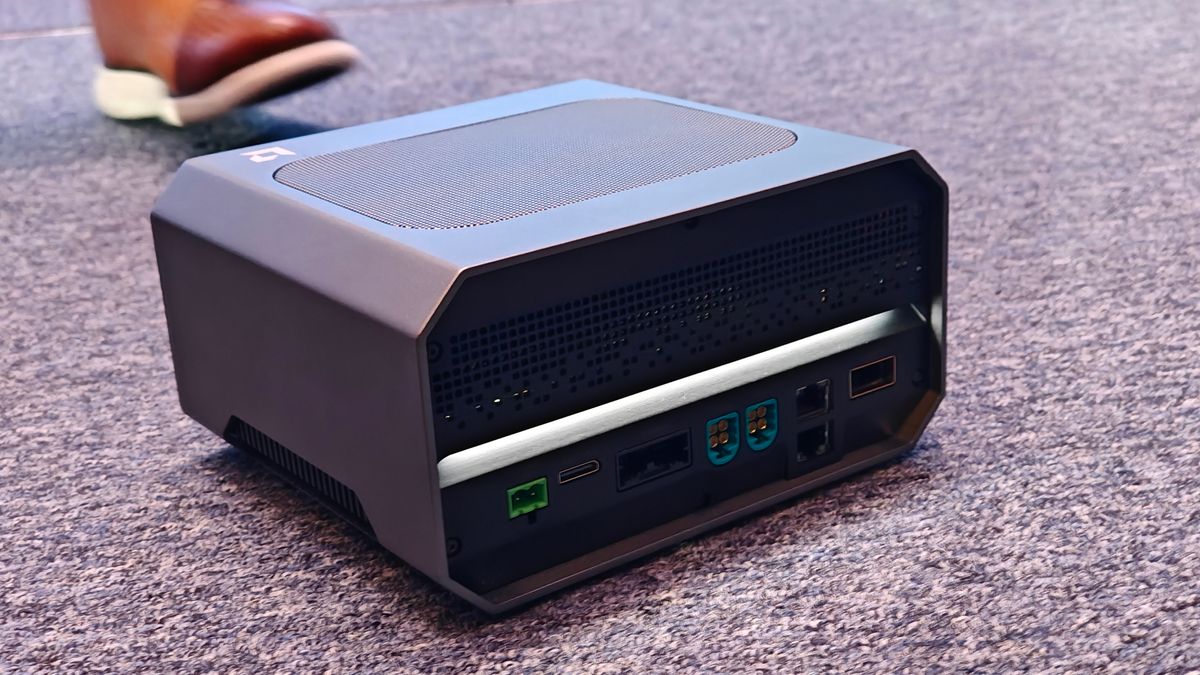
The crown jewel of this initiative is the Kria AI robotics developer platform. This "turnkey" solution combines the X100 Kria SOM with AMD’s Spartan UltraScale+ FPGA baseboard. This hybrid approach is a strategic masterstroke: it uses the X100 for high-level AI inference and compute, while the FPGA handles low-latency, deterministic sensor I/O and motor control—two things that are critical for smooth robotic movement. By offering this as an integrated package, AMD is attempting to lower the barrier to entry for robotics firms that might otherwise struggle with the complexity of custom PCB design.
Implications: The War on CUDA and the Future of Robotics
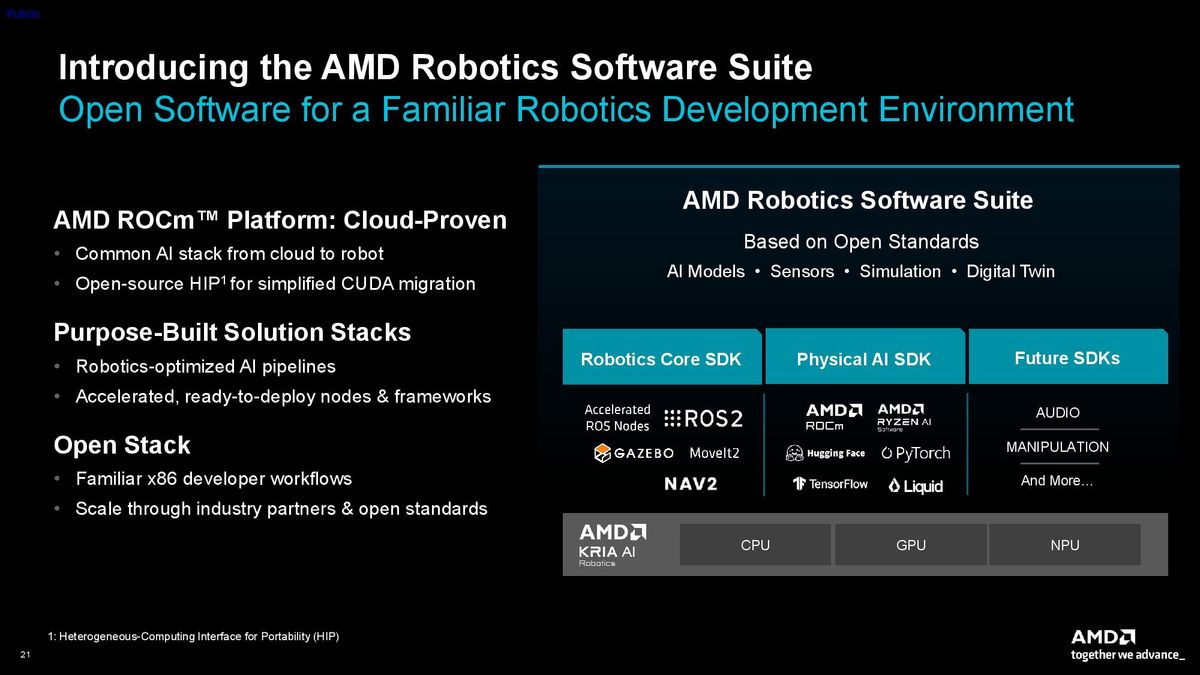
Perhaps the most significant implication of the X100 release is its potential to erode Nvidia’s dominance in the robotics software space. Nvidia’s CUDA platform has long been the "golden handcuff" for developers; once a codebase is built on CUDA, it is notoriously difficult to port to other hardware.
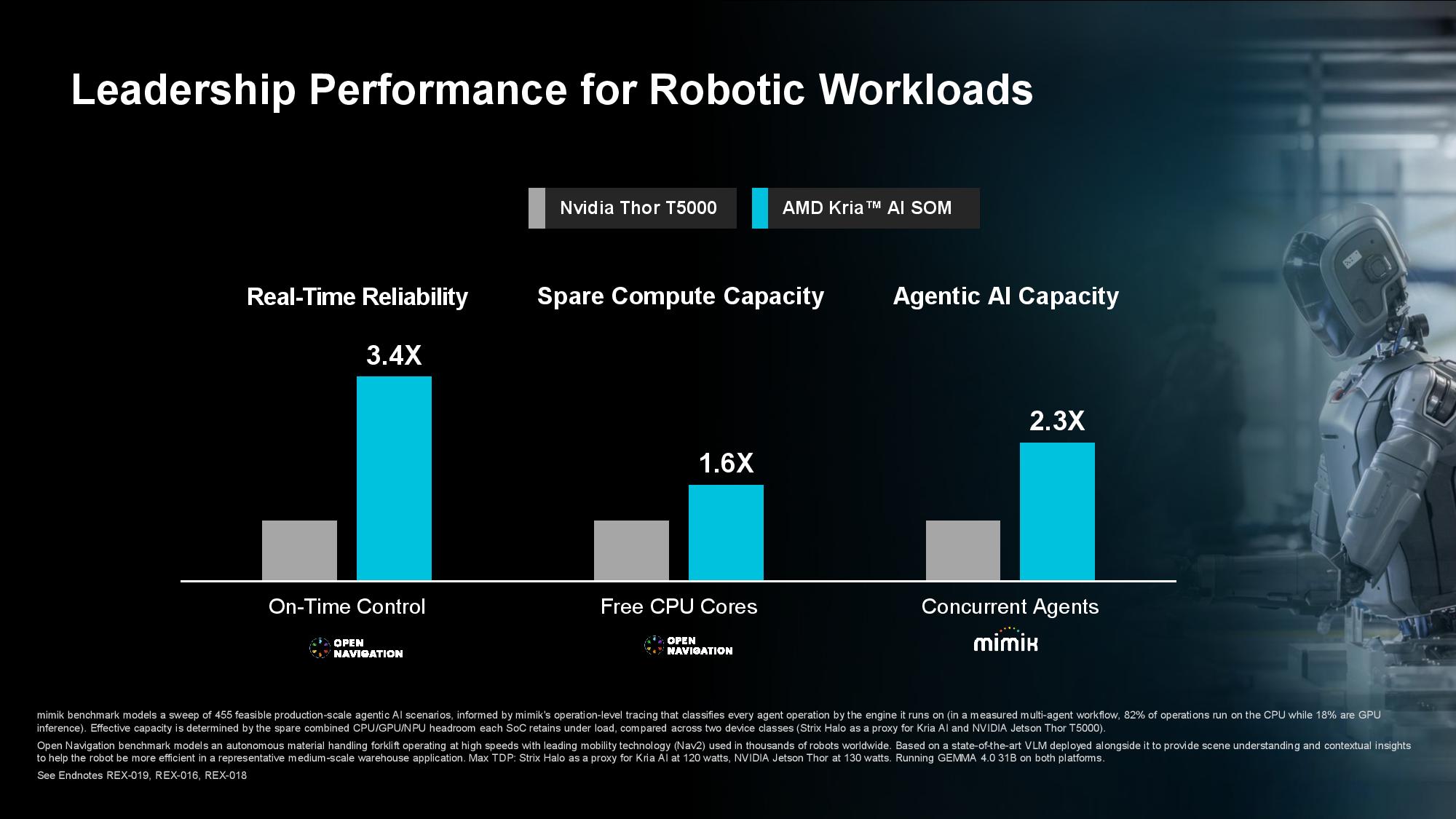
AMD is tackling this with its HIPIFY tool, which attempts to automate the conversion of CUDA code into AMD’s open-source HIP C++ portable code. AMD claims the tool can now automate 70% to 80% of the porting effort. While this is a bold claim, its success will depend on the stability of the remaining 20%—the manual tuning that often decides whether a robot crashes or operates flawlessly.
Industry Impact
- For Robotics Manufacturers: The shift toward X100 series SoCs means faster development cycles. The ability to use a single, high-performance chip for both the "brain" (AI) and the "nerves" (sensors/actuators) reduces the physical footprint of the onboard computer.
- For the Embedded Market: AMD’s commitment to a 10-year lifecycle is a critical differentiator. It signals to industrial clients that they will not face the premature obsolescence common in the fast-moving consumer electronics market.
- For the AI Industry: The focus on "physical AI"—the intersection of large language models and robotic motion—is the next frontier. By integrating high-bandwidth memory and powerful NPUs, AMD is positioning itself as a foundational player in the move toward autonomous humanoid robots.
Conclusion
The AMD X100 series is more than just a recycled consumer APU; it is a calculated entry into the backbone of future automation. While the performance benchmarks are currently buoyed by projected data, the underlying architecture—combining Zen 5, RDNA 3.5, and XDNA 2 with the flexibility of the Kria FPGA ecosystem—is formidable.
Whether AMD can successfully lure developers away from the entrenched CUDA ecosystem remains the multi-billion-dollar question. However, by providing a "turnkey" solution that addresses the specific, high-reliability needs of industrial robotics, AMD has effectively laid the groundwork for a serious challenge to the current status quo in edge AI. As we look toward Q4 and beyond, the success of the Kria platform will likely serve as a litmus test for AMD’s broader ambitions to become the primary architect of the physical AI revolution.