Nila Kartika Wati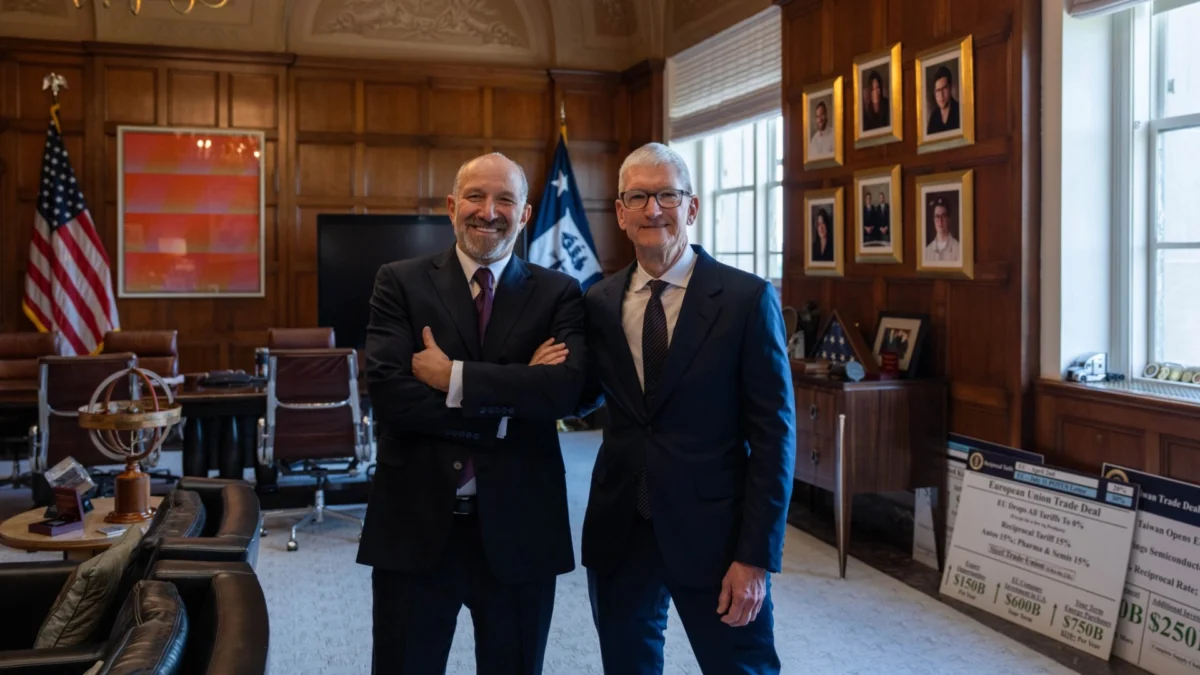
In a high-stakes effort to mitigate the crushing financial burden of a global memory supply shortage, Apple has launched an aggressive lobbying campaign to secure clearance from the Trump administration. The tech giant is seeking authorization to procure critical memory chips from ChangXin Memory Technologies (CXMT), a Chinese manufacturer currently flagged on a sensitive Pentagon blacklist due to alleged ties to the People’s Liberation Army (PLA).
The initiative, first reported by The Financial Times, highlights the precarious position Apple finds itself in as it attempts to balance national security compliance with the economic necessity of keeping production costs manageable. As component prices skyrocket, the company is testing the boundaries of U.S. foreign policy and trade restrictions.
The Core Conflict: Security vs. Supply Chain
At the heart of this controversy is the "1260H list," a Pentagon-maintained registry of Chinese companies deemed to be operating in tandem with the Chinese military. Both CXMT and another major Chinese chipmaker, YMTC, are currently designated as "Chinese Military Companies." While these designations do not technically constitute a total ban on all commercial interactions, they create significant regulatory hurdles that effectively discourage American firms from entering into supply agreements.
For Apple, these restrictions have become a bottleneck. The company is currently grappling with a severe global shortage of high-performance memory (RAM) and storage modules. With limited alternative suppliers able to meet Apple’s massive volume and quality requirements, the company is looking toward China’s "national champions"—firms like CXMT that have received significant state backing to ramp up domestic production.

By securing a license or a specific exemption from the Department of Commerce, Apple hopes to bypass the "security stigma" attached to these firms, allowing it to tap into a more affordable and accessible supply chain to stabilize its margins.
A Chronology of Escalation
The progression of this issue over the last several weeks suggests a shift from private inquiry to urgent public advocacy:
- Early May 2026: Sensing a potential crisis in the memory market, Apple representatives initiated preliminary discussions with the U.S. Department of Commerce to explore the feasibility of sourcing components from restricted Chinese entities.
- Mid-June 2026: Apple CEO Tim Cook publicly acknowledged the mounting pressure on the company’s bottom line during an interview with the Wall Street Journal. When pressed on whether the U.S. should relax restrictions on Chinese chipmakers to alleviate the shortage, Cook famously remarked, "I think everything needs to be on the table. I think we should look at all supply."
- Late June 2026 (The Price Hike): Failing to secure immediate relief, Apple implemented significant price increases across its hardware portfolio, including the Mac and iPad lineups. This move served as a signal to investors—and perhaps the White House—that the current status quo of the supply chain is unsustainable.
- Current Status: Apple has now expanded its lobbying efforts beyond the Commerce Department, directly engaging with the White House and other administration officials to advocate for a formal policy shift or a specific license for CXMT.
The Economic Impact: Why Prices Are Soaring
The urgency behind Apple’s lobbying efforts is rooted in data. Over the past six months, the cost of DRAM and NAND flash memory has seen a double-digit percentage increase. For a company like Apple, which ships millions of devices annually, even a small increase in the per-unit cost of a memory chip aggregates into billions of dollars in lost revenue.
The ripple effect is now being felt by the consumer. By raising the price of Macs and iPads, Apple is effectively offloading the cost of this supply chain friction to the end user. However, this strategy carries the risk of dampening consumer demand, particularly in a macroeconomic environment where discretionary spending is already being squeezed by inflationary pressures.
Industry analysts note that if Apple cannot secure cheaper chips, it faces a lose-lose scenario: continue raising prices and risk market share loss to competitors, or absorb the costs and face declining margins that will alienate shareholders.
The Geopolitical Tightrope
The Trump administration’s response to Apple’s request will be a defining test of its "America First" technology policy. On one hand, the administration has been vocal about the need to decouple from Chinese technology, citing the risk of intellectual property theft and national security vulnerabilities. On the other hand, Apple represents the pinnacle of American industrial power. A weakened Apple—due to supply chain constraints—is not necessarily in the administration’s interest.
The Pentagon’s Stance
The Department of Defense remains the primary obstacle. Their inclusion of CXMT on the 1260H list is based on classified intelligence reports suggesting that the company’s advancements in memory technology could eventually bolster the capabilities of the Chinese military. Any move by the Commerce Department to grant Apple a waiver would likely trigger an internal bureaucratic battle between those prioritizing economic stability and those emphasizing long-term defense strategy.
The Chinese Perspective
For Beijing, having a company as prominent as Apple seeking a relationship with a "national champion" like CXMT is a significant validation. It provides China with leverage in trade negotiations and undermines the effectiveness of U.S. sanctions. If Apple succeeds, it could set a precedent for other American companies, potentially unraveling the efficacy of the Pentagon’s blacklist.

Implications for the Future of Tech
The implications of this lobbying effort extend far beyond the balance sheets of a single company.
1. The End of Globalized Supply Chains:
The situation underscores the death of the "borderless" technology supply chain. For decades, companies like Apple operated on the assumption that they could source the best parts from the most efficient providers regardless of national borders. Today, the "geography of the chip" has become a matter of national policy.
2. The "National Champion" Arms Race:
If Apple is forced to turn to domestic Chinese suppliers, it may accelerate the development of those suppliers. By integrating CXMT into the Apple ecosystem, the Chinese firm gains invaluable experience in quality control, yield management, and production scale—skills that are essential to dominating the global semiconductor market.
3. The Consumer Burden:
Ultimately, the consumer stands in the crosshairs. If the U.S. government refuses to grant Apple’s request, the "supply chain tax" will continue to manifest in the form of higher price tags for smartphones, laptops, and tablets. If the government approves it, it risks long-term security trade-offs for short-term retail price stability.

Looking Ahead
As of this writing, there has been no official word from the White House regarding whether a license will be granted. The silence from the administration is telling; it suggests that the request is being subjected to intense inter-agency review.
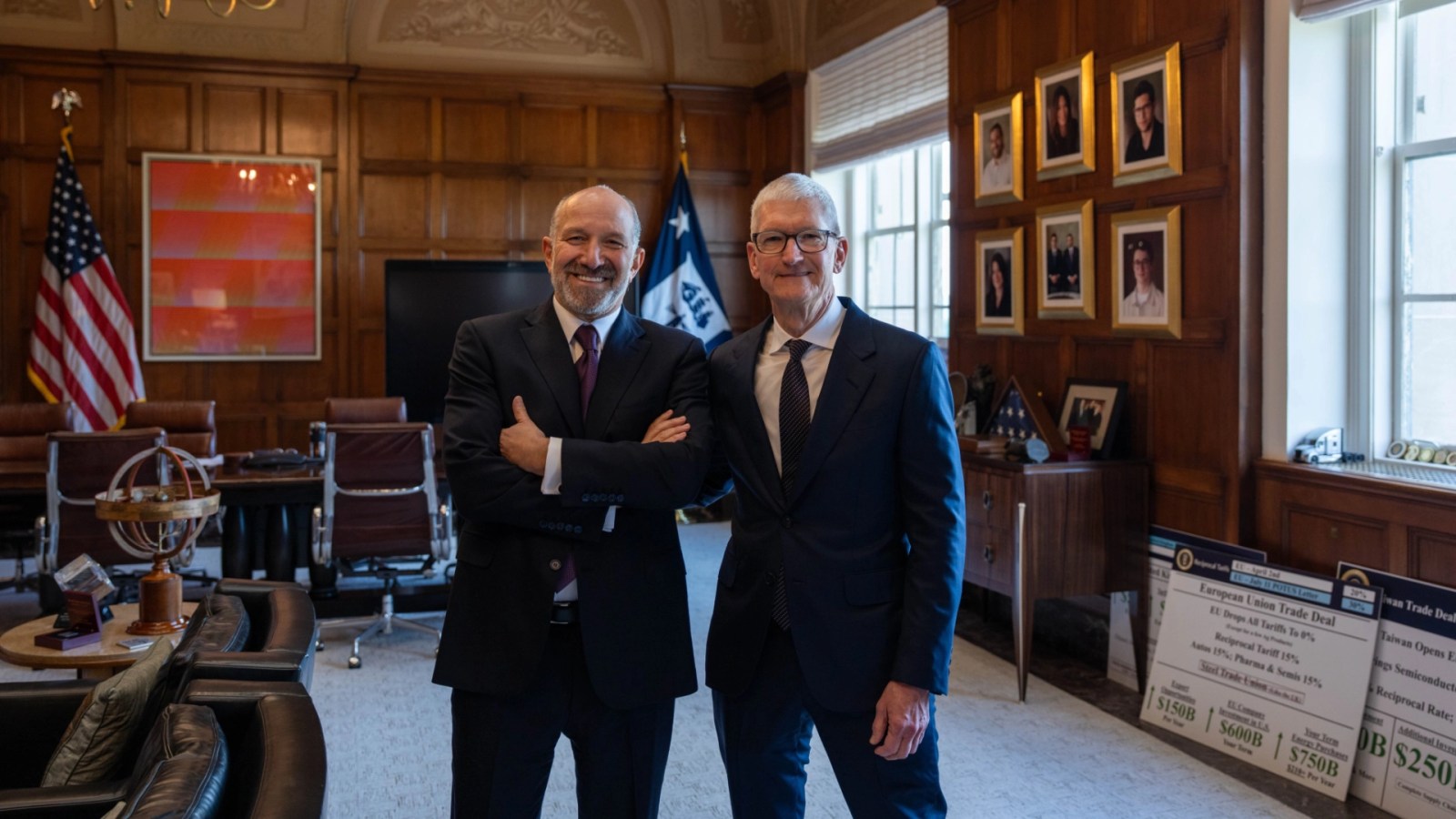
For Tim Cook, this is a moment that tests his diplomacy. Having successfully navigated U.S.-China tensions for over a decade, the current administration’s hardline stance presents a new category of risk. The industry is watching closely. If Apple, with its unparalleled lobbying power and economic influence, cannot secure a waiver, it will signal to the rest of the technology sector that the "Blacklist Era" is permanent, and that companies must either localize their supply chains or prepare for a future of perpetual price volatility.
In the coming months, the results of this lobbying campaign will likely manifest in either a quiet regulatory approval—or a further tightening of hardware pricing. For now, the global tech market remains in a state of suspended animation, waiting to see if the world’s most valuable company can negotiate its way through the most complex geopolitical maze of the 21st century.


 Ali Ikhwan
 Sagoh
Sagoh