

For marketing leaders, the perennial challenge has always been a paradox: how to scale impact while shrinking resource dependency, and how to maintain premium quality while accelerating output. In an era of infinite digital noise, the “quiet hours” are no longer spent wondering how to do more—they are spent wondering how to be more relevant.
Artificial Intelligence (AI) has moved beyond the experimental phase to become the definitive catalyst for this transition. Today, AI in marketing is not merely a collection of tools; it is the infrastructure for a new operational model that enables brands to move from reactive content creation to proactive strategic intelligence.
Main Facts: The New Standard of Marketing
The core of modern AI adoption lies in its ability to bridge the gap between massive data sets and actionable insights. Unlike traditional software, which executes static commands, AI systems learn from patterns, enabling them to handle complex tasks like customer segmentation, predictive analytics, and real-time reporting.
The most effective AI implementation is unequivocally human-led. Machines sharpen strategy and accelerate the speed of execution, but the creative judgment, brand voice, and emotional resonance remain firmly in the hands of the human team. By offloading routine publishing, listening, and triage to automation, marketers can finally dedicate their cognitive bandwidth to the high-level decision-making that no machine can emulate.
A Chronology of the AI Integration
The trajectory of AI in marketing can be mapped across three distinct phases:
- The Predictive Era (Early 2010s): Initial adoption was limited to basic machine learning, primarily focused on recommendation engines and behavioral targeting (e.g., Netflix’s early content suggestions).
- The Automation Surge (2020–2024): Brands began adopting chatbots and automated email sequences to manage high-volume customer inquiries, shifting the focus from manual handling to efficiency-driven workflows.
- The Strategic Intelligence Era (2025–Present): We are currently in a phase where AI serves as a strategic engine. Marketing teams are now leveraging generative AI and deep social listening to interpret market shifts in real-time, allowing them to preemptively adjust strategies before a campaign even launches.
Supporting Data: Why the Shift is Essential
The urgency for this transition is backed by compelling industry data. According to the 2026 Social Media Content Strategy Report, real-time audience insights are now considered the single most impactful resource for content strategy. Yet, there remains a disconnect: only 40% of marketers currently utilize AI for performance reporting and analysis.
Furthermore, the 2025 Impact of Social Media Report indicates that 56% of marketing leaders acknowledge social media as a direct revenue driver. However, many teams struggle with measurement; the 2025 Sprout Social Index™ highlights that only 44% of marketing leaders rate their teams as “expert” at measuring the business impact of social media. AI is the critical technology closing this gap by connecting disparate data points—engagement, conversion, and sentiment—into a unified ROI narrative.
Official Industry Perspectives and Case Studies
The brands currently winning in the market are those that use AI to understand their audience with clinical precision.
Netflix: Aesthetic Visual Analysis (AVA)
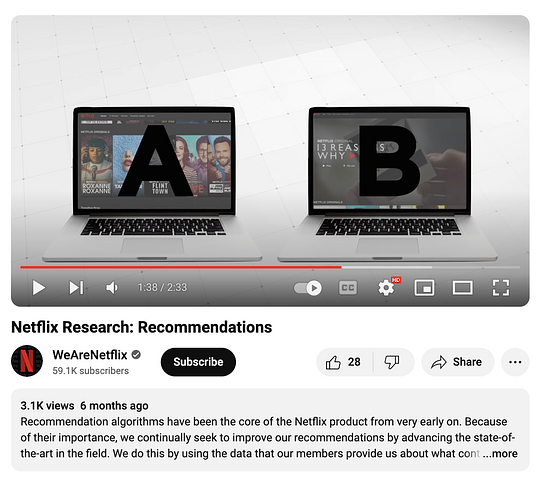
Netflix remains the gold standard for personalized experiences. By utilizing AVA, the company does not just recommend movies; it dynamically adjusts the thumbnail artwork displayed to each user based on their historical preferences and viewing habits. This is AI as a tool for conversion, turning raw behavioral data into a bespoke user interface.
Nike: The Intersection of Data and Physicality
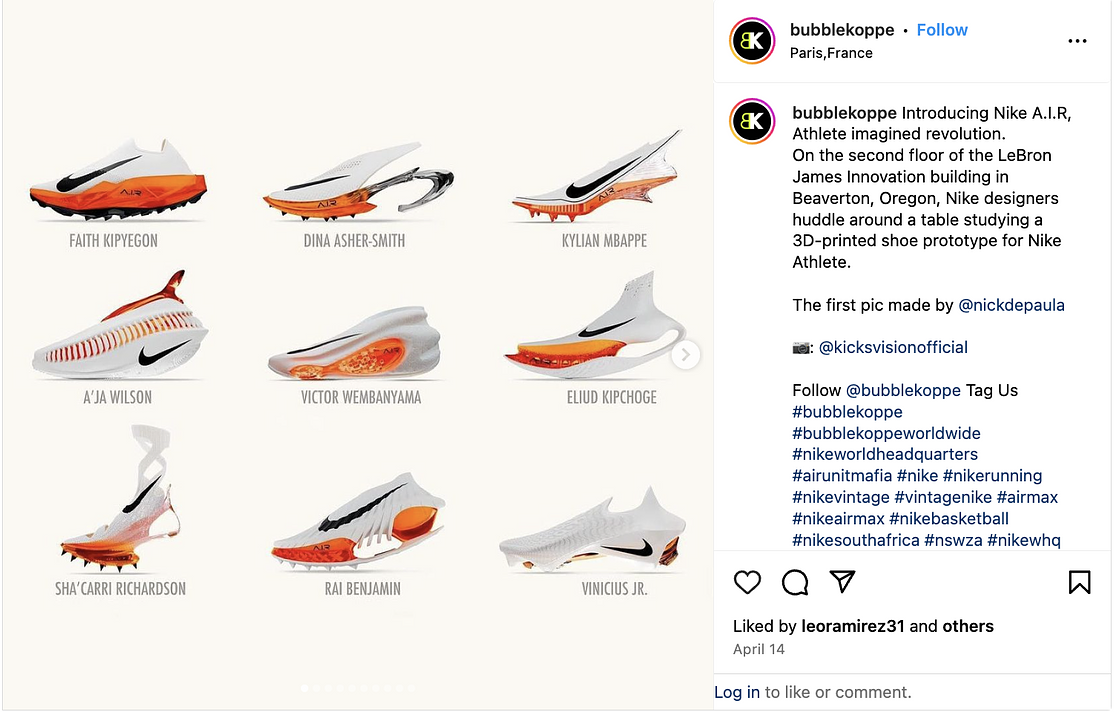
Nike’s approach with Nike Fit demonstrates how AI transcends the digital screen. By utilizing smartphone scanning to create 3D models of feet, Nike reduced the industry-wide issue of incorrect sizing—a major pain point in e-commerce. Their use of generative AI in product design, specifically through the Athlete Imagined Revolution (AIR) project, highlights how AI can accelerate R&D cycles.
Salesforce and Sprout Social: The Unified Ecosystem
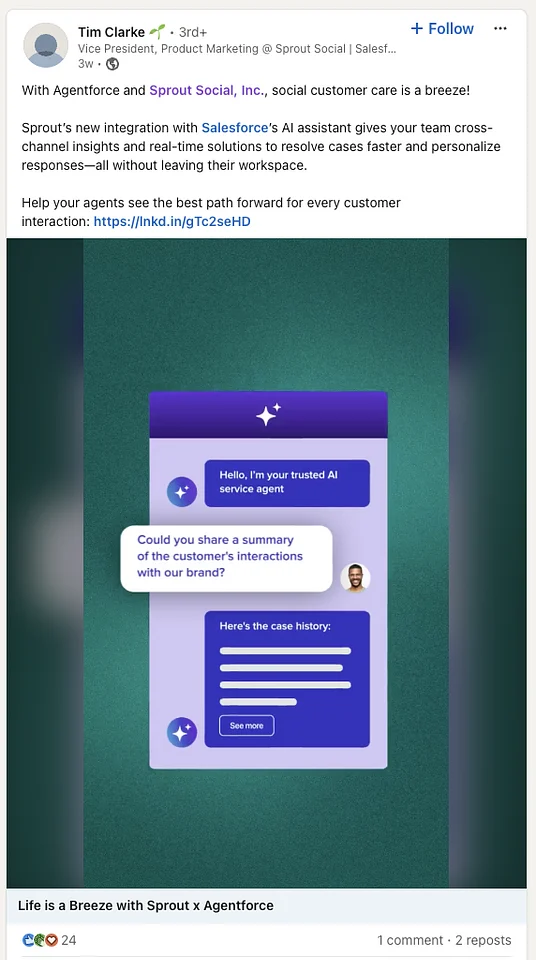
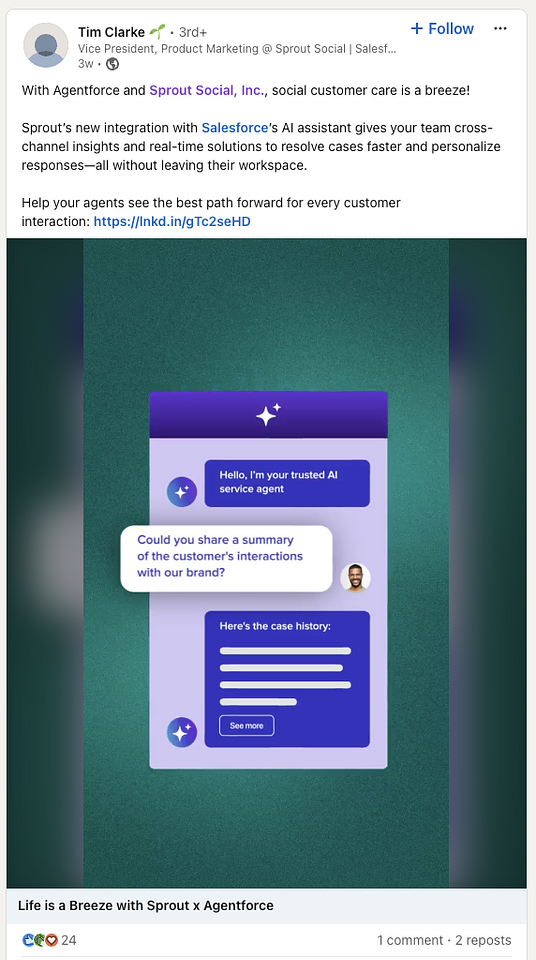
The integration between Sprout Social and Salesforce Agentforce represents the future of customer care. By surfacing real-time social data within the Salesforce CRM, service agents no longer have to dig for context. They are presented with a complete picture of the customer’s brand journey, enabling faster, more personalized resolution. This is not just about speed; it is about maintaining a human connection at an impossible scale.
The Implications: Moving Beyond Volume
The most significant implication of the AI shift is the death of the "volume-first" strategy. In the past, marketers were pressured to publish as much content as possible to stay relevant. Today, the competitive advantage belongs to those who understand the market faster.

Faster, Smarter Decision-Making
AI processes data at a speed that renders manual analysis obsolete. By spotting trend shifts and sentiment changes in real-time, teams stop reacting to "yesterday’s news" and start shaping the conversation of tomorrow.
Accurate KPI Measurement
AI connects patterns across the entire marketing funnel. By linking social engagement to business outcomes, AI-driven platforms allow teams to report on what truly drives revenue rather than focusing on vanity metrics that are easy to track but impossible to monetize.
Enhanced Customer Relationships
AI-driven chatbots and virtual assistants provide 24/7 support, answering common queries and routing complex issues to human agents. This creates a "present" brand that is responsive and reliable, building loyalty through consistency.
Emerging Trends: The Strategic Engine
As we move deeper into 2026 and beyond, the trend is moving away from generative content for the sake of volume and toward "Strategic Intelligence."
- Contextual Social Listening: AI is now being used to detect subtle sentiment shifts in global conversations, allowing brands to tailor their messaging to the cultural zeitgeist before it peaks.
- Predictive Churn Analysis: Tools like Salesforce Einstein are being used to identify at-risk customers by analyzing interaction patterns, enabling proactive retention efforts.
- Unified Workflows: The most advanced teams are consolidating their tech stacks. Using platforms like Sprout Social, teams ensure there is no gap between data analysis and campaign execution, eliminating the "context switching" that often drains creative energy.
Conclusion: How to Start Your AI Journey
The danger in adopting AI is falling into the trap of using it for every task simply because it exists. Instead, marketing leaders should follow a measured approach:
- Identify the Drain: Pick one workflow that consistently drains time or slows down decision-making.
- Test and Measure: Pilot an AI tool—such as an automated sentiment analysis or a generative copywriting assistant—and track the specific ROI.
- Human-Centric Implementation: Ensure that your AI strategy is designed to amplify your team’s voice, not replace it. The strongest AI strategy is one that enables your team to produce marketing that moves faster but feels unmistakably human.
The future of marketing does not belong to the brands with the biggest AI budget; it belongs to the brands that use AI to know their customers better and act on that knowledge with unmatched speed. As the divide between the informed and the uninformed grows, the choice is clear: treat AI as a core strategic engine, or risk becoming a legacy player in an increasingly intelligent market.
To see these tools in action, explore Sprout Social’s AI and automation capabilities and begin the shift from manual execution to strategic impact.












No comments yet. Be the first to join the conversation!