

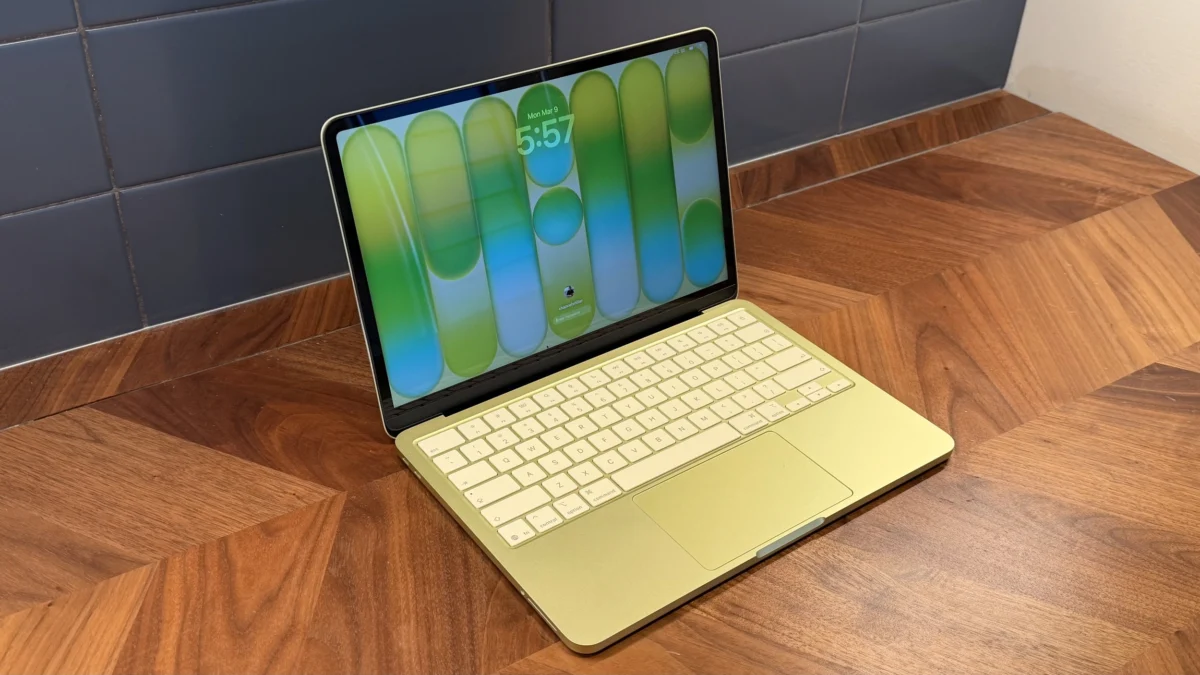
In a move that has sent shockwaves through the consumer electronics market, Apple has implemented a significant, widespread increase in the manufacturer’s suggested retail price (MSRP) for its flagship Mac and iPad lineups. This abrupt adjustment, which took effect this week, marks one of the most aggressive pricing realignments in recent years, affecting everything from the entry-level MacBook Neo to the high-performance M5-series MacBook Pros.
For consumers, the timing could not be more critical. As these new, higher price tags propagate across Apple’s official storefronts, the secondary market—specifically retail giants like Amazon—is currently in a state of flux. While Amazon has not yet synchronized its inventory with Apple’s updated pricing, the window of opportunity to secure current-generation hardware at previous rates is rapidly closing.
The Core Facts: A Broad Revision of the Ecosystem
The latest pricing update is not a minor adjustment; it is a fundamental shift in the cost of entry for Apple’s computing hardware. The MacBook Neo, Apple’s latest foray into the ultralight market, has seen a base price increase of $100. The impact is felt more severely at the top end of the spectrum, where the MacBook Pro lineup has seen price jumps of up to $300, depending on the configuration. The M5-powered MacBook Air, a perennial favorite for students and professionals alike, has been hit with a $200 increase.
This adjustment appears to be a global strategy, though the current impact is most visible in North American retail channels. For the average buyer, these increases mean that the "cost of admission" to the Apple silicon ecosystem has risen significantly overnight, forcing many to reconsider their budgets or search for remaining inventory in the third-party retail pipeline.
A Chronology of the Adjustment
To understand how we reached this point, one must look at the last several weeks of market activity.

- Early June 2026: Rumors of supply chain constraints and inflationary pressures began circulating among industry analysts, hinting that Apple might be forced to re-evaluate its pricing structures to maintain margins.
- June 23, 2026: Amazon and other major retailers kicked off their Prime Day-adjacent promotional events. At this stage, prices were consistent with established MSRPs, and consumers were enjoying standard holiday-period discounts.
- June 25, 2026: Apple formally updated its official website to reflect the new, higher MSRPs. This update occurred without a formal press conference, manifesting instead as a silent change to product landing pages.
- Present Day: We are currently in a "lag phase." Because retail giants like Amazon hold existing inventory purchased at the older wholesale rates, their listed prices have not yet caught up to Apple’s new MSRP. This creates a temporary but significant price delta that savvy consumers are currently leveraging.
Supporting Data: The Cost Breakdown
The delta between the new Apple pricing and the current retail pricing on platforms like Amazon is substantial. Below is a summary of the current market discrepancy:
The MacBook Neo and Air Shift
The MacBook Neo, which previously served as an accessible entry point for those needing a compact machine, now sits $100 higher. When compared to remaining stock on Amazon, buyers can currently save this margin if they act before the retail algorithm adjusts. The M5 MacBook Air’s $200 increase is even more pronounced; because the Air is a high-volume product, it is expected that Amazon’s inventory will be the first to sell out or see price re-alignment.
The Pro Performance Gap
The $300 increase on the MacBook Pro line is arguably the most significant. This affects the M5 Pro and M5 Max configurations, which are typically purchased by creative professionals and developers. Because these are high-ticket items, the $300 buffer currently available at third-party retailers represents a considerable saving for those who need to upgrade their workstations immediately.
The iPad Landscape
The iPad segment has been more resilient to these changes, largely because the release cycles for tablets are distinct from the Mac roadmap. However, some specific high-storage configurations have seen a quiet climb in price. While the deals are fewer and further between, there are still instances where current retail pricing sits significantly below Apple’s new baseline, particularly on older inventory that is being cleared to make room for newer, higher-priced models.
Official Responses and Corporate Strategy
Apple has, thus far, remained characteristically tight-lipped regarding the specific macroeconomic drivers behind these increases. However, industry insiders suggest a confluence of factors: rising costs of advanced silicon fabrication (specifically the 2nm and 3nm processes utilized for M5 chips), global logistics costs, and a strategic move to insulate the company’s profit margins against volatile currency fluctuations.
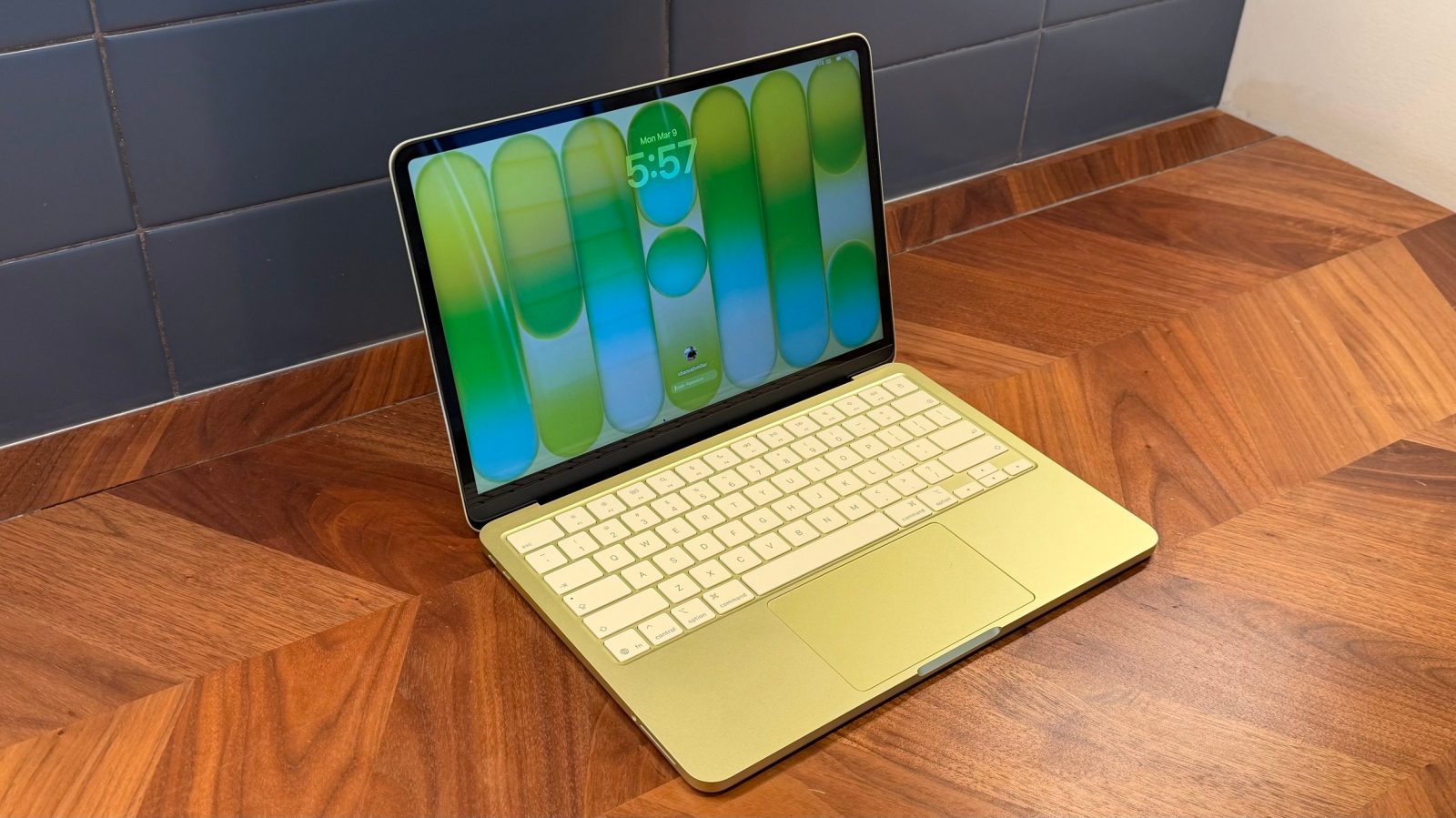
When asked for comment regarding the pricing discrepancy between their direct store and retail partners, an Apple spokesperson noted that "pricing is subject to change based on regional market conditions and distribution strategies." They did not provide a timeline for when third-party retailers would be expected to adopt the new pricing.
Market analysts suggest that this is a classic "margin preservation" tactic. By raising the MSRP, Apple effectively raises the floor for the entire market. Even when third-party retailers offer "discounts," those discounts will now be applied to a higher base, meaning the consumer will still pay more than they would have two weeks ago.
Economic Implications: What This Means for the Consumer
The immediate implication of this price hike is a cooling effect on the consumer electronics sector. Historically, when Apple raises prices, there is a measurable dip in unit sales for the first two quarters as the market adjusts to the "new normal."
1. The Death of the "Value" Configuration
With the MacBook Air now $200 more expensive, the entry-level price point for a modern Mac has shifted upward. This effectively eliminates the "budget-friendly" tier that once made the Mac platform accessible to a wider demographic of students and entry-level employees.
2. Increased Reliance on the Secondary Market
We anticipate a surge in activity on the refurbished and open-box markets. As new units become prohibitively expensive, consumers will likely look toward the Apple Certified Refurbished store or reputable third-party sellers. However, the price increase on new units often leads to a subsequent rise in the resale value of used hardware, meaning even the secondary market may become more expensive in the coming months.

3. The Urgency of "Lag Time"
The current window—where Amazon prices are lower than Apple’s—is an anomaly. Automated pricing algorithms at major retailers are designed to monitor competitor pricing. Once these algorithms detect the change on Apple.com, they will likely match the new MSRP within hours, if not minutes. For consumers, this means the current "Prime Day" deals are the last chance to buy at the old price points.
Navigating the Future: A Strategy for Buyers
If you are currently in the market for a new Mac or iPad, the strategy is simple: Do not wait.
If you find a model that meets your needs at the current, lower price on Amazon or another major retailer, there is no strategic advantage to waiting for a further price drop. Given the current upward trend in Apple’s pricing, it is highly improbable that we will see these devices return to their old price points. In fact, if inflation and component costs continue to rise, the current "new" prices may eventually be viewed as a baseline.
Furthermore, we recommend keeping a close eye on the "full roundup" of sales, as retailers often shift inventory to clear out specific configurations. Focus on the specifications you need rather than waiting for a specific deal, as the availability of base-model units is expected to plummet as the new pricing takes hold.
Conclusion
The recent price hike across the Mac and iPad lineups serves as a stark reminder of the influence Apple wields over the broader hardware market. While the move is undoubtedly frustrating for consumers, it reflects the reality of a complex global supply chain and a company intent on protecting its bottom line.

As the retail market eventually reconciles with these new figures, the window for securing current-generation technology at pre-hike pricing is narrowing by the hour. Whether this move signals a broader trend in the tech industry or is a localized response to Apple’s specific manufacturing costs remains to be seen. For now, the best advice remains clear: navigate the remaining retail gaps with urgency, be diligent about checking current pricing versus the new MSRP, and recognize that the era of lower pricing on current-generation Apple hardware has, for the time being, come to an end.











