

In the fast-paced, often bewildering world of American telecommunications, consumer fatigue has become the silent enemy of major carriers. For years, the industry has relied on complex, multi-tiered subscription models—riddled with confusing surcharges, hidden requirements, and “perk-based” marketing—that left the average subscriber feeling more like an actuary than a customer.
Verizon, long regarded as the premium incumbent of the U.S. wireless market, has finally acknowledged this friction. With the launch of its new "Simplicity" plan, the carrier is effectively tearing up its own rulebook. By pushing a streamlined, low-cost offering to the forefront of its digital storefront, Verizon is signaling a fundamental shift in how it intends to compete for market share in the latter half of the 2020s.
The Core Facts: What is the Simplicity Plan?
At its heart, the Simplicity plan is an attempt to bridge the gap between the budget-friendly world of prepaid carriers and the high-end, feature-rich experience of traditional postpaid service. Unlike previous attempts at entry-level plans that often felt like "punishment" tiers—complete with throttled speeds and restricted network access—Simplicity is designed to be the new default entry point for the Verizon ecosystem.
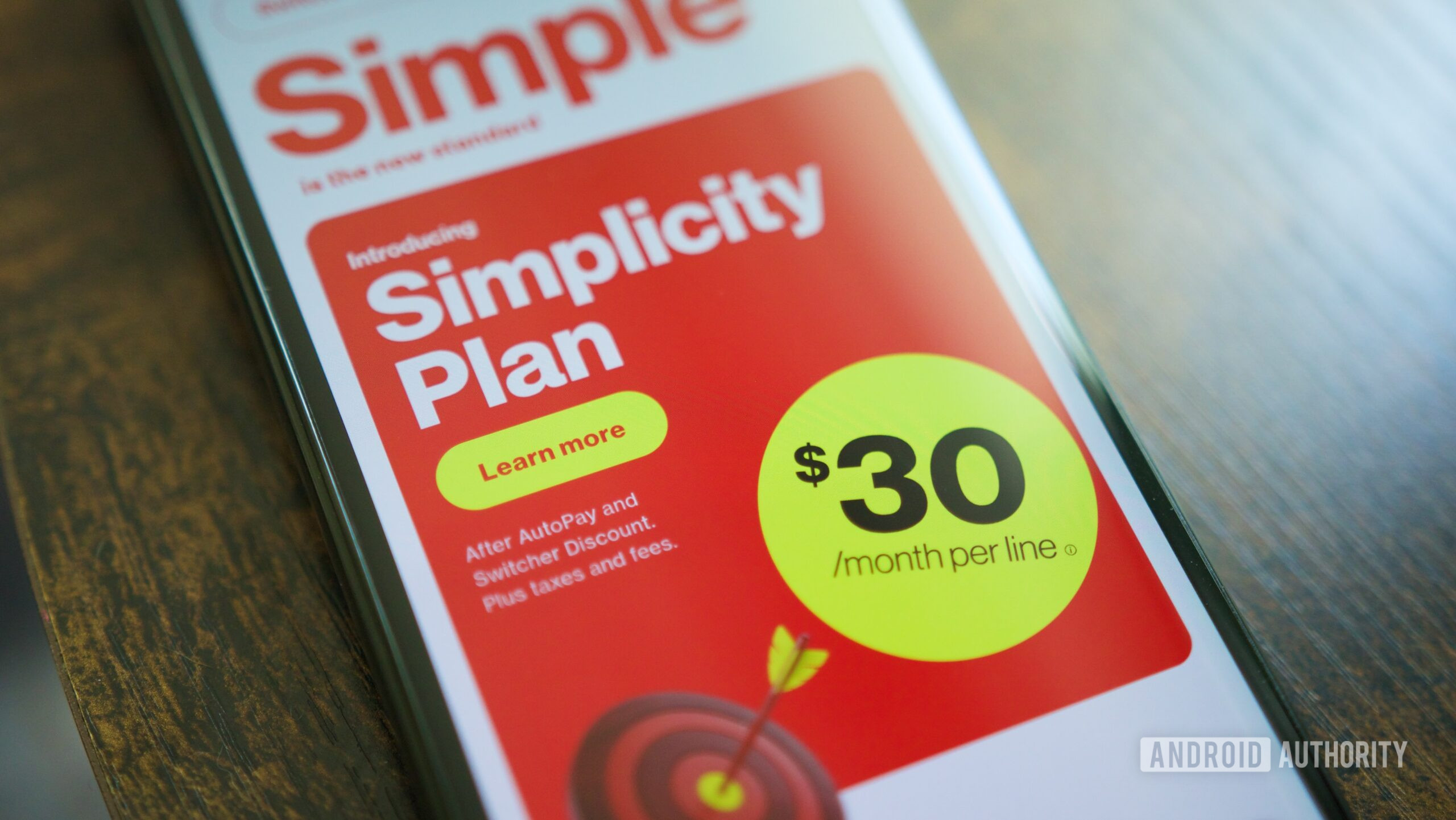
The headline figure is a clean $30 per line. This price point, while aggressive, is strategically positioned to stop the bleeding of customers who have been defecting to mobile virtual network operators (MVNOs) and prepaid competitors. The plan includes prioritized access to Verizon’s renowned network and, crucially, includes hotspot access, a feature often gated behind more expensive tiers.
However, the "simplicity" of the name belies a nuanced execution. The $30 price is contingent on specific conditions, such as porting a line from a competing carrier or providing proof of a previous bill for those switching from prepaid. For existing customers, or those who don’t meet these specific criteria, the price point climbs to $45 per month (plus taxes and fees). This nuance suggests that Verizon is using the plan as a surgical tool for customer acquisition rather than a broad-spectrum price cut for its existing base.
A Chronology of the Shift
To understand why Verizon is making this move now, one must look at the recent history of the company’s market strategy.
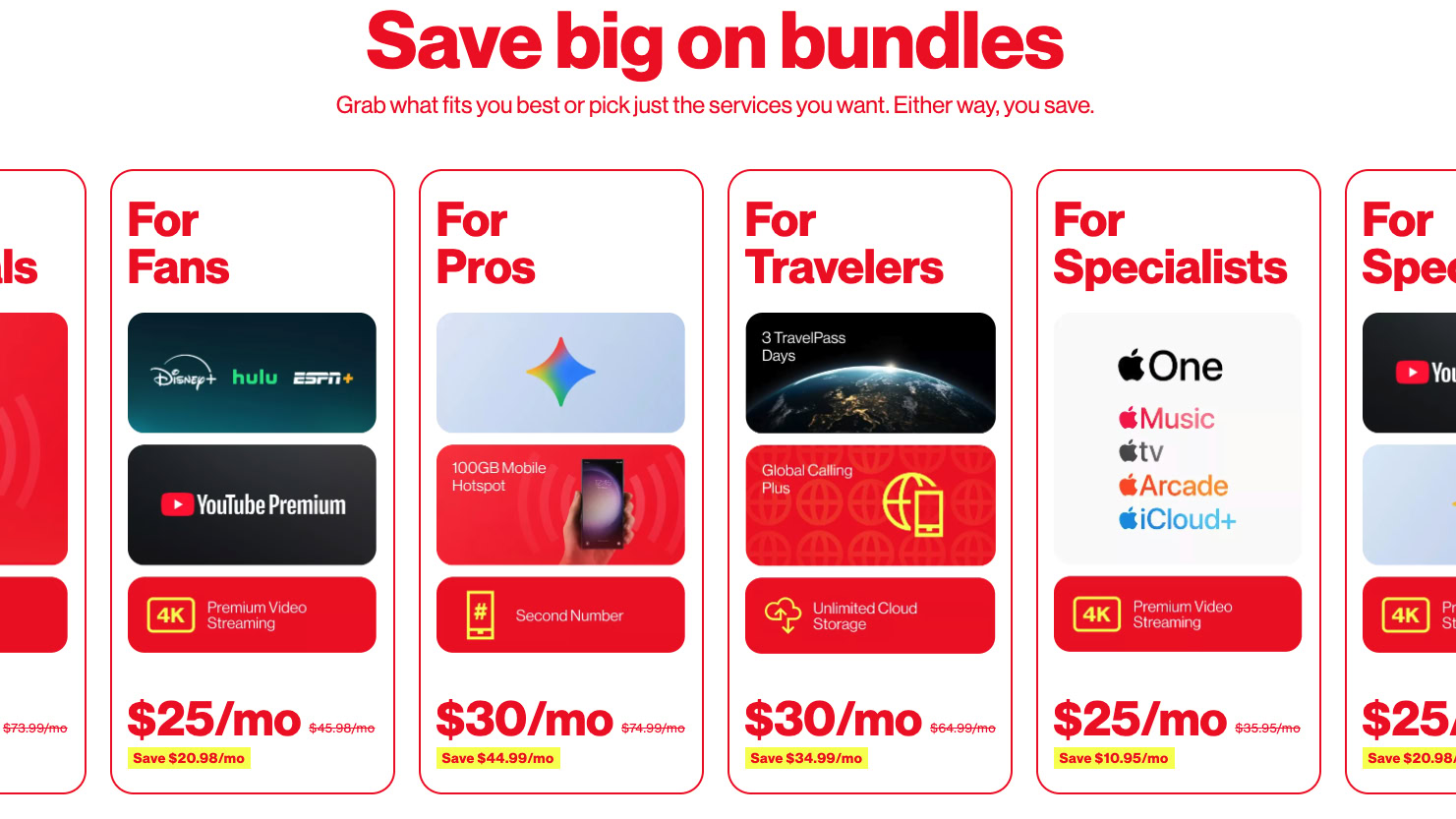
- 2023–2024 (The Era of Complexity): Verizon, like its competitors, leaned heavily into the "myPlan" model. While customizable, it required users to pick and choose from a laundry list of services (Disney+, Apple Music, cloud storage, etc.), leading to "choice paralysis" among consumers.
- Early 2025 (The Market Correction): Internal data showed a steady decline in new postpaid activations, as consumers sought out simpler, cheaper alternatives from flanker brands.
- May 2026 (The Reveal): Verizon officially pivots its digital interface. The "Simplicity" plan moves from a background offering to the primary call-to-action on the company’s landing page.
- June 2026 (The Ecosystem Launch): Alongside the plan, Verizon introduces the "Verizon Shine" loyalty program, a gamified rewards system aimed at increasing retention and customer lifetime value (CLV) by offering incremental perks for continued service.
Supporting Data: Why Change Was Inevitable
The shift is not purely aesthetic; it is a calculated response to shifting consumer behavior. Market analysis from the first quarter of 2026 indicates that the "premium" label no longer carries the same weight it did in the 2010s. With 5G infrastructure reaching maturity across the U.S., the gap in network quality between the "Big Three" carriers (Verizon, AT&T, and T-Mobile) has narrowed significantly.
When the network is a commodity, price and user experience become the primary differentiators. Internal metrics from Verizon have reportedly highlighted that customers who struggle to navigate plan selection on the website are 40% more likely to abandon their cart before checkout. By hiding the complex "myPlan" options under an "Other Plans" tab and placing the $30 Simplicity plan front and center, Verizon is reducing the "cognitive load" on the potential subscriber, thereby increasing the conversion rate at the top of the sales funnel.
Furthermore, the introduction of the "Verizon Shine" program suggests the company is looking to monetize engagement. By offering 3% cash back in "Verizon Dollars" and waiving activation fees for those who join the loyalty ecosystem, the carrier is effectively creating a walled garden that rewards longevity over simple transactional usage.
Official Stance and Corporate Strategy
While Verizon has not issued a singular manifesto regarding the change, executive communications during recent investor calls have focused on "customer-centricity" and "frictionless entry." The prevailing sentiment from the carrier’s leadership is that the future of wireless is not just about connectivity, but about the integration of services.
The company is effectively moving toward a "subscription-as-a-service" model. By separating the cost of the service (the Simplicity plan) from the cost of the hardware (the phone upgrade model), Verizon is attempting to mimic the subscription success of companies like Apple or Microsoft. The phone, once a barrier to entry due to its high upfront cost, is being transitioned into a monthly, upgradable add-on. This ensures that the user remains "hooked" to the Verizon network for the duration of the hardware lifecycle.
Broader Industry Implications: A New Standard?
The ripple effects of this move could be seismic. If Verizon successfully stabilizes its subscriber growth through this strategy, it is almost certain that AT&T and T-Mobile will follow suit. The industry has a long history of "copycat" pricing strategies; once one major player establishes a new baseline for "value," the others are forced to respond to remain competitive in the eyes of price-sensitive consumers.
1. The Death of the Traditional Contract
We are witnessing the final gasps of the old-school two-year contract model. In its place, we are seeing a fragmented landscape of "subscription-style" hardware access. This is a double-edged sword: while it makes the latest technology more accessible, it keeps the consumer in a state of perpetual debt to the carrier.
2. The Rise of Gamified Loyalty
"Verizon Shine" is the latest attempt to bring the "T-Mobile Tuesdays" model to the rest of the industry. Expect to see more gamification, more "freebies," and more loyalty tiers as carriers fight to keep their churn rates low. These programs are essentially data-mining operations, allowing the carriers to better understand their customers’ habits and tailor future upsells accordingly.
3. The Future of the "Budget" Plan
The success of Simplicity may dictate whether the industry moves toward a "one-size-fits-all" base plan. If Verizon can prove that a single, clear, low-cost entry point attracts more users than a menu of options, we could see a massive simplification of the entire U.S. wireless market.
Conclusion: A Calculated Risk
Verizon is at a crossroads. The Simplicity plan is a bold attempt to modernize a legacy business model that has become bloated and difficult to navigate. By lowering the barrier to entry, the company is successfully casting a wider net, but it is also tethering its future to a subscription-based hardware model that may alienate those who prefer the traditional, ownership-based path.
For the consumer, the immediate impact is positive: cheaper, more accessible, and more straightforward pricing. For the industry, the implications are more profound. If this shift signals a permanent move toward subscription-based, gamified, and simplified mobile service, the days of the "complicated carrier" may finally be numbered.
However, one must remain cautious. As with any strategy that aims to "simplify" a complex product, the devil remains in the details. While the $30 price point is an attractive headline, the long-term cost of being an "upgraded" subscriber in a system designed to keep you on a perpetual hardware treadmill may eventually prove to be just as expensive as the old system it replaced. For now, Verizon is betting that customers will gladly trade some of their independence for a simpler, shinier experience. Whether that bet pays off will be the defining story of the next few years in American telecommunications.











