

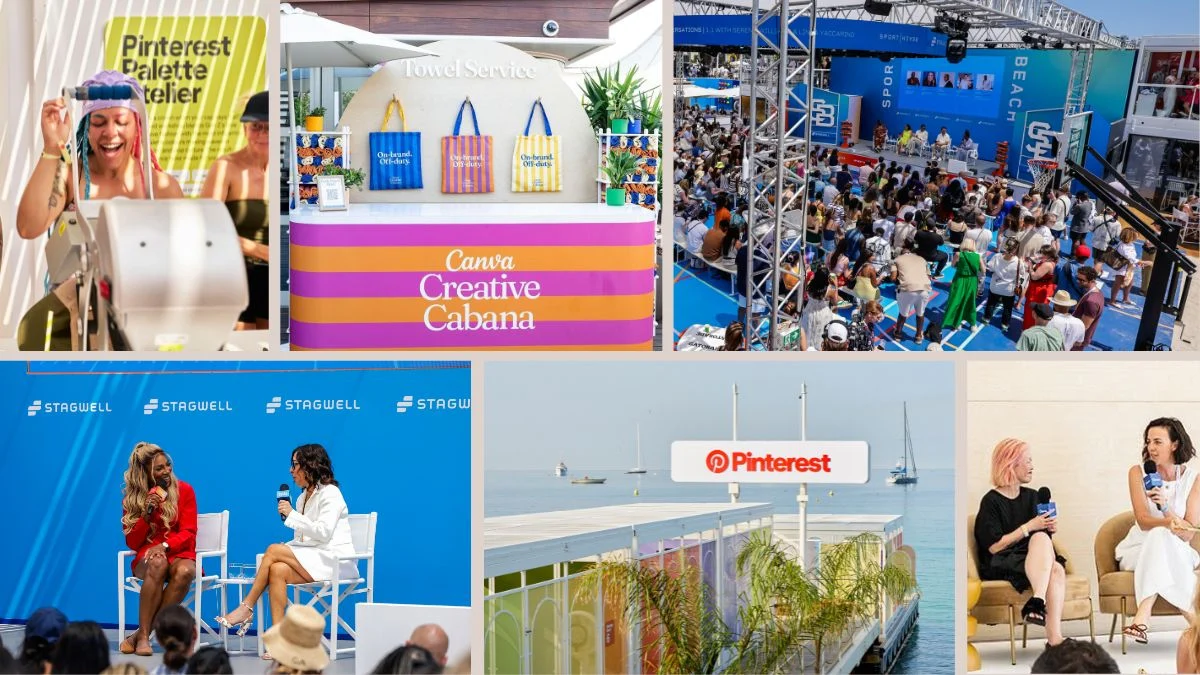
The Cannes Lions International Festival of Creativity is no longer just a destination for ad agencies hoping to collect a gold trophy for a thirty-second spot. Over the past seven decades, the festival has undergone a profound metamorphosis, evolving from a niche film festival into the definitive global summit for the intersection of culture, technology, and commerce. Today, the "Cannes experience" is a high-stakes, multi-million-dollar convergence where CMOs, tech titans, and media moguls negotiate the future of global brand strategy.
The Main Facts: A Global Nexus of Influence
At its core, Cannes Lions remains the world’s most prestigious awards program for creative excellence. However, the event has expanded its mandate significantly. It is now a sprawling ecosystem where the boundary between "creative content" and "business performance" has effectively dissolved.
The modern festival occupies the Palais des Festivals et des Congrès, but its true influence is felt across the entire town of Cannes, France. From the docked yachts serving as floating boardrooms to the branded beach pavilions that transform the shoreline, the event has become the industry’s annual barometer. Attendance is no longer just about receiving accolades; it is about signaling market relevance. In an era where consumer attention is fragmented across infinite digital platforms, Cannes provides the rare physical space where the decision-makers of the world’s largest brands—from P&G and Unilever to Apple and Amazon—convene to align on the strategies that will define the next fiscal year.
A Chronology of Transformation: From Film to Fintech
To understand the current state of Cannes, one must look at its trajectory through the decades:
1954–1980: The Age of the Silver Screen
Inspired by the Venice Film Festival, the inaugural Cannes Lions (then the International Advertising Film Festival) focused almost exclusively on cinema commercials. It was an era of high-production, narrative-driven storytelling. The focus was on the craft of the film itself, with a limited group of advertising agency "creatives" as the primary audience.
1980–2000: The Expansion of Scope
As television became the dominant medium for mass-market consumption, the festival expanded to include print, outdoor, and direct marketing. This period saw the professionalization of the industry, as marketing became increasingly data-informed. The "creative" was still king, but the "strategy" began to gain a seat at the table.
2000–2015: The Digital Disruption
The turn of the millennium marked the arrival of the tech giants. Google, Meta (then Facebook), and their peers recognized that Cannes was the heartbeat of the advertising spend they coveted. They moved into the harbor with yachts, transforming the festival into a tech-forward venue. This era saw the introduction of categories like "Cyber Lions," signaling a shift from traditional media to digital interaction.
2015–Present: The Era of Creative Commerce
Today, the festival focuses on the entire customer journey. With the introduction of Creative Commerce Lions, the festival now rewards campaigns that move the needle on actual sales—whether that’s in the grocery aisle, through an app, or in a drive-thru. The focus has shifted from "Did the ad look good?" to "Did the ad work?"
Supporting Data: The Economic Impact of the Croisette
The scale of the festival is difficult to overstate. While exact figures are tightly held, industry estimates suggest the economic impact of the festival on the city of Cannes exceeds $100 million annually.
- Attendance Growth: In the early 2000s, attendance hovered around 6,000–8,000 delegates. Recent years have seen figures swell to over 15,000, with a broader demographic mix including CEOs, venture capitalists, and data scientists.
- The Yacht Economy: It is estimated that more than 100 yachts are chartered for the week, with rental costs often exceeding $500,000 per vessel for the duration of the festival. These are not merely for leisure; they are essential infrastructure for private meetings and high-level negotiations.
- Submission Volume: The number of entries into the awards has grown from a few hundred in the mid-20th century to nearly 30,000 across 30+ categories today. This reflects a diversification of marketing disciplines, including PR, social media, sustainable development, and experiential marketing.
Official Responses: The Industry Perspective
The shift in the festival’s identity has been met with both applause and critical scrutiny from industry leaders.
"The festival has evolved because the definition of ‘creativity’ has evolved," says a spokesperson for the festival. "We are no longer just looking at the execution of an idea; we are looking at the effectiveness, the technology behind the delivery, and the tangible business impact. The market demanded this shift, and the festival has responded by creating categories that reward commercial ingenuity as much as artistic brilliance."
However, some traditionalists argue that the influx of tech companies has diluted the festival’s soul. "When you spend more time in meetings with adtech platform reps than you do watching the work, the festival loses a bit of its magic," notes a longtime creative director from a global agency network. "Yet, we keep coming back because you simply cannot afford to be absent from the conversation."
Implications for the Future: What Brands Must Know
The "Cannes experience" today is a testament to the fact that creativity is now a business imperative. The implications for brands looking to succeed at this level are profound:
1. Creativity as a Performance Metric
The era of the "art-for-art’s-sake" campaign is fading. Brands that succeed at Cannes today are those that can demonstrate how their creative output directly influenced consumer behavior and drove sales. The "Creative Commerce" and "Creative Strategy" tracks are now the most watched by the C-suite.
2. The Requirement of Deep Pockets and Strategy
The article notes that "bringing a brand to life in Cannes requires more than deep pockets." While the budget is a barrier to entry, the strategy is the barrier to success. Merely having a yacht or a beach pavilion is no longer enough to generate buzz. Brands must provide intellectual value—panels, workshops, and data-driven insights that contribute to the industry discourse—to be taken seriously.
3. Integration is Mandatory
The silos between PR, advertising, data analytics, and product development have collapsed. The winning work at Cannes is increasingly multi-disciplinary. It isn’t just about an ad; it’s about a product innovation, a loyalty program, or a sustainable supply chain initiative that is communicated through compelling creative storytelling.
4. The Rise of Purpose-Led Commerce
Social and environmental impact has moved from the periphery to the center of the festival. The Sustainable Development Goals (SDG) Lions have become a benchmark for how brands align their commercial objectives with global social responsibilities. This is not just "virtue signaling"; it is an acknowledgment that modern consumers, particularly Gen Z, purchase from brands that mirror their own values.
Conclusion: The Perpetual Iteration
The Cannes Lions International Festival of Creativity stands as a mirror to the advertising industry itself. Just as the industry has been forced to adapt to the rise of the internet, the fall of traditional broadcast television, and the dominance of the algorithm, so too has the festival changed its shape.
For brands, the lesson is clear: relevance in the modern market is not static. Whether in the boardroom or the grocery aisle, the entities that thrive are those that view their creative output as a dynamic, evolving asset. As we look toward future iterations of the festival, one thing remains certain: the Croisette will continue to be the place where the industry debates, defines, and delivers the future of commerce.
To join the industry’s top marketers at the next installment of Brandweek or to prepare for the upcoming Cannes season, one must understand that the festival is no longer a destination—it is a continuous, year-round conversation about the power of ideas to change the world. The era of the "ad agency carnival" is dead; the era of the "global commerce summit" is here to stay.












No comments yet. Be the first to join the conversation!