

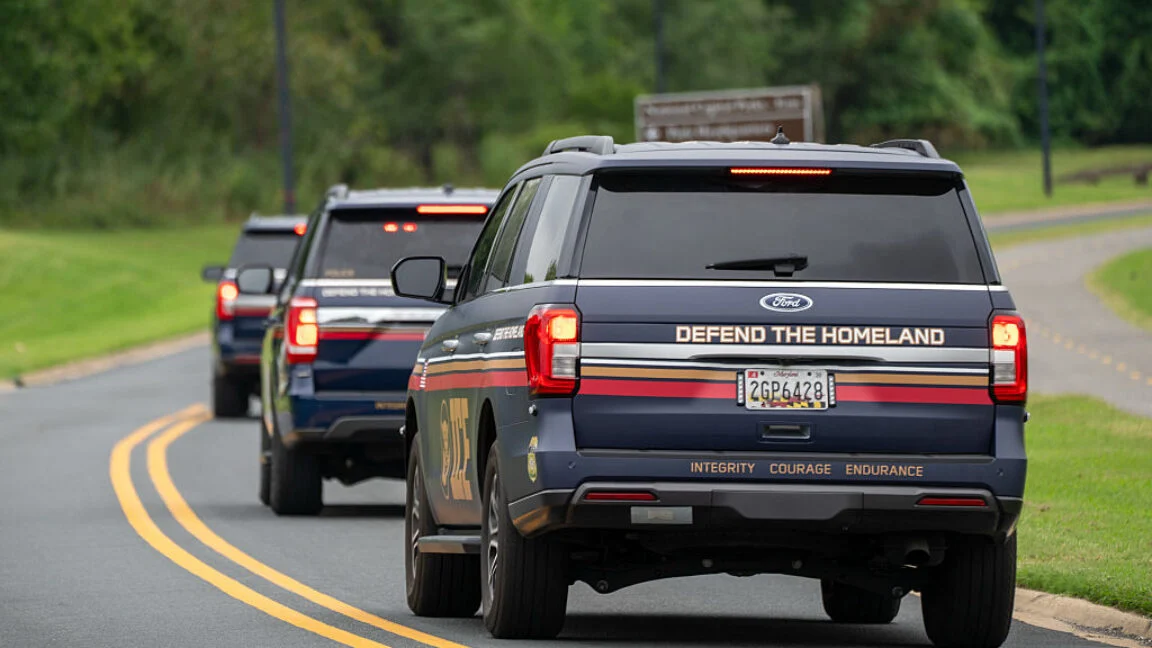
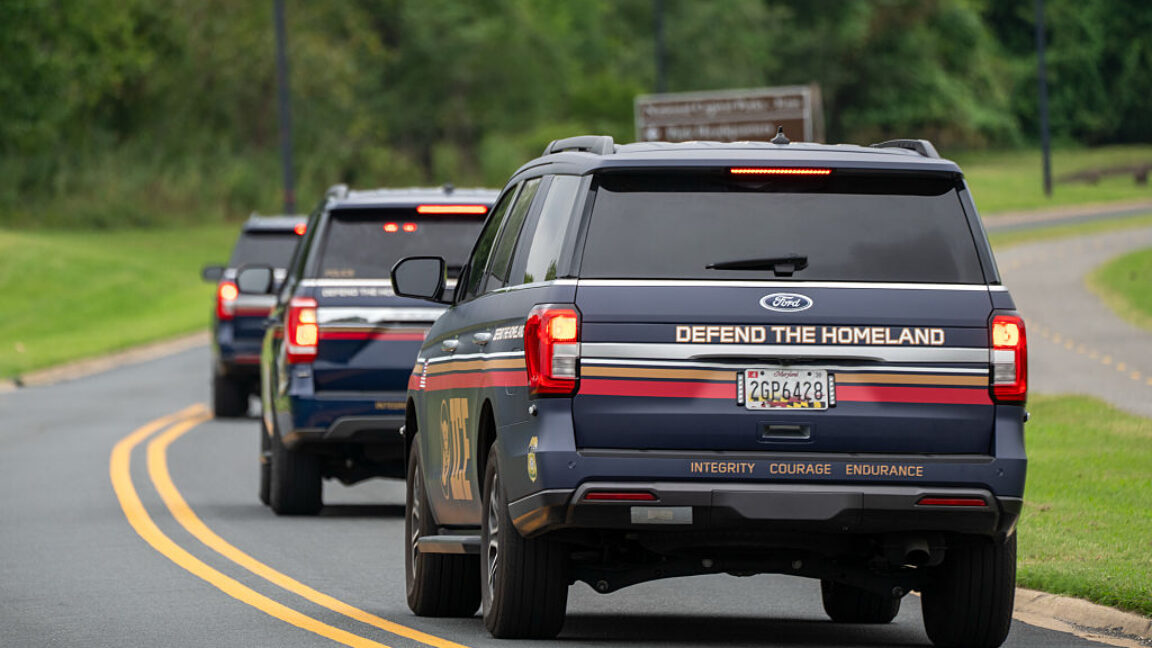
In a escalating legal confrontation that pits federal authority against state-level resistance, the U.S. Department of Justice (DOJ) has launched a series of lawsuits against four states—Maine, Massachusetts, Oregon, and Washington. At the heart of the litigation is a demand for access to undercover license plates for Immigration and Customs Enforcement (ICE) agents. The Trump administration asserts that these states are unconstitutionally obstructing federal law enforcement, thereby endangering the lives of agents. However, critics and state officials argue that the push for anonymity is a pretext for shielding an agency they view as operating with little oversight or adherence to local law.
The Core Dispute: Safety vs. Accountability
The DOJ’s legal filings paint a picture of a beleaguered federal agency under siege. According to the federal government, denying ICE agents access to state-issued undercover license plates exposes them to heightened risks of harassment, "doxing," and physical harm. The DOJ contends that by requiring federal officers to register vehicles under their own names or in a manner that makes them publicly identifiable, states are effectively stripping them of the ability to conduct safe, discreet surveillance.
The federal argument rests heavily on the Constitution’s Supremacy Clause, which mandates that federal law takes precedence over conflicting state regulations. The DOJ maintains that ICE agents, as federal officers, should be entitled to the same privileges as their state-level counterparts. Without these protections, the administration claims, targets of immigration enforcement can more easily identify and evade federal officers, and the officers themselves become vulnerable to the ire of protesters and activists who monitor and document ICE activity online.
A Chronology of Escalation
The friction between the federal government and these specific states did not emerge overnight; it is the result of years of widening ideological and policy gaps regarding civil immigration enforcement.
- October 2025: Washington state halts the issuance and renewal of confidential license plates for federal agencies, signaling a departure from previous cooperation protocols.
- Early 2026: Massachusetts follows suit, effectively cutting off ICE and Customs and Border Protection (CBP) from access to confidential registration privileges.
- January 2026: The Department of Homeland Security (DHS) releases a high-profile report claiming an 8,000 percent increase in death threats against ICE officers and their families. This figure, while alarming, is later scrutinized for a lack of transparent methodology or substantiation.
- April 2026: Oregon implements a temporary pause on confidential plate registrations for all federal agencies, with plans to permanently exclude civil immigration enforcement from such privileges.
- May 22, 2026: A critical deadline set by the DOJ for the states to rescind their restrictive policies passes without compliance.
- Late May 2026: The DOJ officially files lawsuits against the four states, seeking permanent injunctions to force the restoration of access to undercover plates.
The "Doxing" Narrative Under the Microscope
A central pillar of the DOJ’s argument is the claim that ICE agents are the targets of an organized doxing campaign facilitated by digital monitoring sites such as ICEList.info and ICESpy.org. The DOJ suggests these platforms enable the harassment of federal employees by aggregating their professional information and movements.
However, an analysis of these sites reveals a more complex reality. ICEList.info operates as a community-driven database, tracking enforcement events and public records. Its administrators emphasize that the site explicitly prohibits the posting of private information, such as home addresses or personal phone numbers, and that it deletes any content violating these rules. Similarly, ICESpy.org utilizes publicly available professional data, such as LinkedIn profiles, to identify agents involved in public enforcement activities.
The DOJ’s own definition of "doxing"—sharing a victim’s Social Security number, home address, and personal contact details—is rarely supported by the evidence they present. In a review of 100 profiles on ICE List, researchers found only publicly available professional information. Furthermore, the single instance of a "doxing" arrest cited by the DOJ—the case of Gregory John Curcio—involved a long-standing personal vendetta against an ICE lawyer, rather than a systemic, platform-based campaign targeting agents in the field.
Official Responses and State Rationales
State officials have been vocal in their refusal to comply with the DOJ’s demands, framing their decisions as a matter of state sovereignty and the protection of their residents from what they characterize as "lawless" federal conduct.
Maine’s Secretary of State, Shenna Bellows, has been particularly outspoken, citing concerns over "abuses of power" in Minnesota and other regions. Her office has maintained that Maine will only grant confidential plates if federal agencies can attest that they will not be used for civil immigration enforcement—a condition the DOJ views as an unconstitutional encroachment on federal jurisdiction.
Massachusetts Governor Maura Healey has taken a similar stance, arguing that while legitimate criminal law enforcement agencies deserve confidential plates, ICE’s role in civil immigration is fundamentally different. Healey has questioned the lack of transparency in ICE’s operations, noting that the agency often fails to provide sufficient information regarding the nature and legality of its arrests. "We are not going to enable their tactics," Healey stated, reflecting a sentiment shared by many state-level policymakers who worry that their infrastructure is being used to facilitate activities they believe violate the rights of their constituents.

Implications for Federalism and Civil Liberties
The outcome of these lawsuits will likely have profound implications for the balance of power between state and federal governments. Should the courts rule in favor of the DOJ, it would reaffirm the primacy of federal operations over state-level administrative hurdles, potentially stripping states of the ability to regulate the use of their own motor vehicle databases when federal agencies are involved.
Conversely, a victory for the states could embolden other jurisdictions to limit their cooperation with federal immigration efforts. It would signal that states can effectively exert influence over federal agencies by controlling access to the administrative tools—like license plates—that those agencies rely upon for routine operations.
Beyond the legal technicalities, the case highlights a deepening crisis of trust. The administration’s reliance on "credible intelligence" regarding threats from international actors and street gangs—without publicly sharing the evidentiary basis for these claims—has failed to convince critics that the push for undercover plates is solely about officer safety. For the states involved, the issue is not merely one of vehicle registration, but of accountability. They argue that if an agency acts in a manner that is perceived as secretive or abusive, it should not be granted the tools to operate with further anonymity.
As the litigation proceeds, the tension between the federal government’s mandate to enforce immigration law and the states’ desire to provide oversight to their residents’ environments remains at a breaking point. With both sides digging in, the courtroom will serve as the final arbiter in a struggle that encompasses not just the privacy of license plates, but the fundamental nature of federalism in the modern era. Whether the DOJ can provide the concrete evidence of threats it so far lacks, or whether the states can successfully argue that their policies are a legitimate exercise of local governance, will shape the landscape of immigration enforcement for years to come.












No comments yet. Be the first to join the conversation!