Sagoh
Sagoh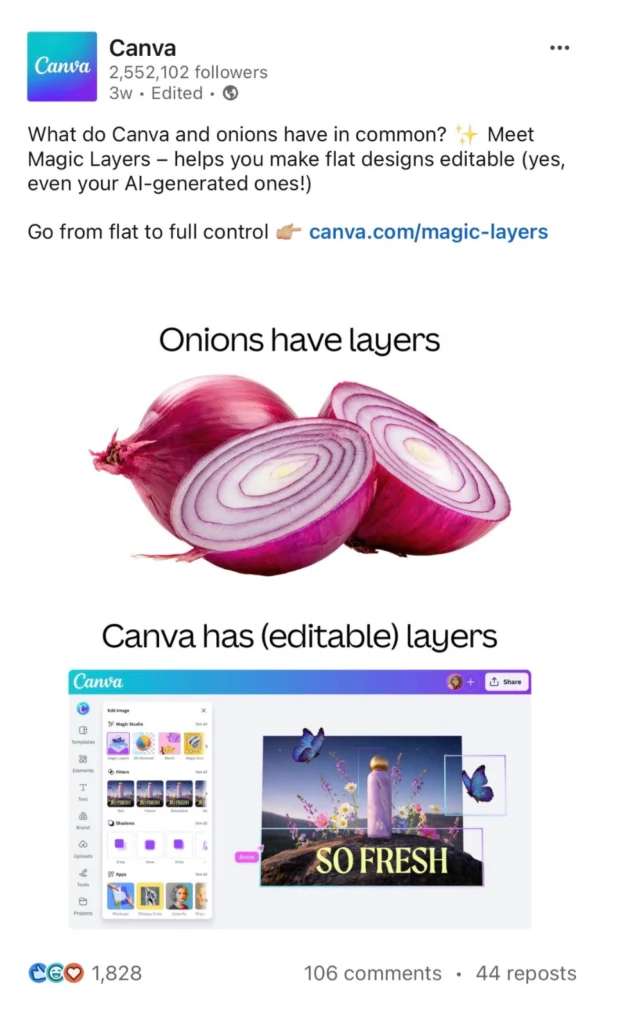
In the high-stakes world of global branding, the common pitfall for tech giants is the "homogenized middle"—a marketing approach so broad and sanitized that it loses the ability to resonate with the individual user. Canva, the design juggernaut with over 265 million monthly active users across 190 countries, has managed to evade this trap by executing a counterintuitive strategy: making a global titan feel like a neighborhood fixture.
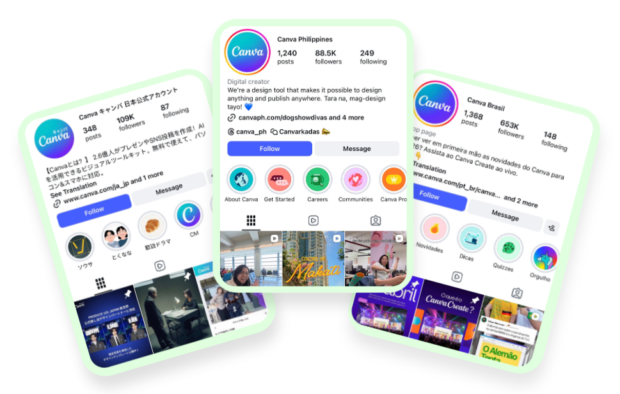
Lachlan Stewart, Canva’s Social Lead, describes this approach not as a top-down mandate, but as a commitment to "being truly local." In an era where digital fatigue is at an all-time high, Canva is proving that the secret to massive scale is not generic content, but rather the surgical application of cultural nuance.
The Strategy: Moving Beyond Global Templates
For most multinational corporations, the "global-local" dilemma is resolved by creating a master campaign and translating it into 20 languages. Canva, however, has flipped the script. By empowering regional teams to tap into specific cultural insights, the brand has transformed its social media presence into a mosaic of local experiences.

"If you look at Canva in different countries, you’ll see real people and real stories from those markets," Stewart explains. This decentralization allows for campaigns that aren’t just translated; they are culturally translated. When the brand shows up on social media in Japan, Brazil, or the Philippines, it does so with a local flair that feels authentic rather than corporate.
This localized success has recently informed the brand’s global channel strategy. By applying the same "local-first" mentality to its global audience, Canva has successfully humanized its presence, turning a tool-based product into a lifestyle brand.
Chronology of a Viral Pivot: From Product to Personality
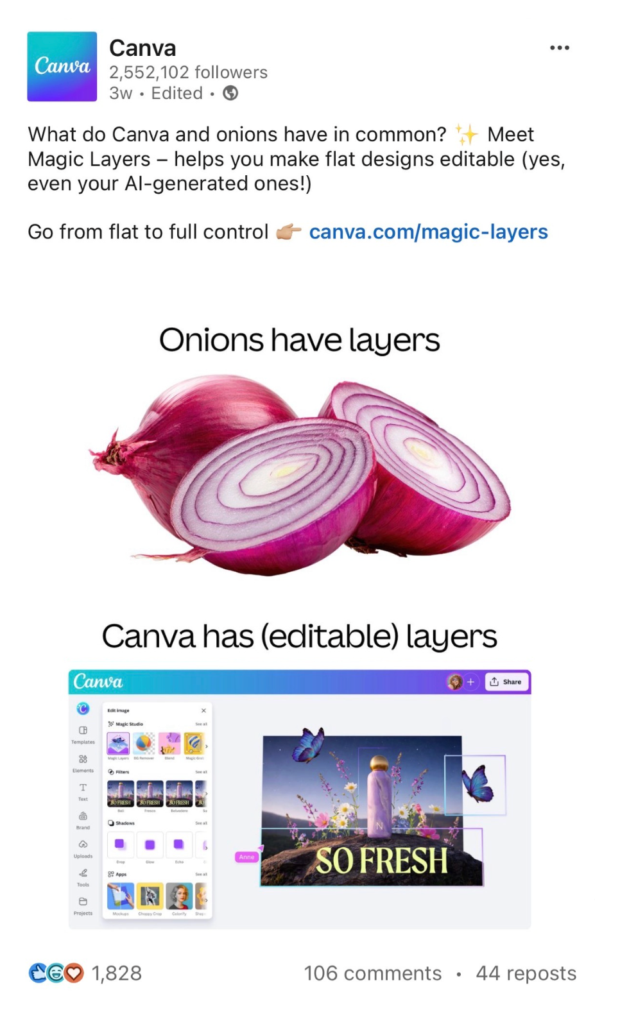
The evolution of Canva’s social strategy is best illustrated by its recent pivot toward entertainment-first content. The company has moved away from the dry, educational tone that characterizes much of the SaaS (Software as a Service) sector, opting instead for a "cheeky" and disruptive voice.

The Brazil MasterChef Collaboration
A primary case study in this strategy is Canva’s campaign in Brazil. Recognizing that a popular local MasterChef judge, who is French, often required subtitles for the Portuguese-speaking audience, the team saw a golden opportunity. They collaborated with the judge to showcase Canva’s auto-captioning feature. The result was not just an advertisement for a feature, but a celebration of a pre-existing cultural joke. By leaning into the humor of the situation, Canva turned a functional product demo into a viral social moment.
The Gemma Collins "Chief Creative Director" Saga
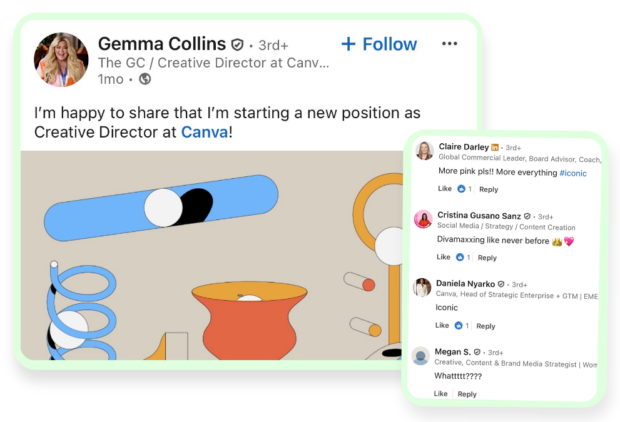
In the United Kingdom, Canva took a bolder step. They partnered with reality television icon Gemma Collins, appointing her as the UK Creative Director. The campaign was multifaceted: they integrated her voice into the Canva product and, most notably, created a LinkedIn profile for her as if she were a legitimate employee of the company.
This move—blurring the lines between brand ambassador and internal staff—was a watershed moment in B2B social media. It was an experimental, high-risk maneuver that paid off, generating widespread engagement and setting a precedent that other global brands are now rushing to emulate.
Supporting Data: Why "First-Mover" Status Matters
Canva’s success isn’t based on mere guesswork. The brand’s philosophy hinges on being the one to start the conversation, rather than jumping on existing trends. While the latter is a common tactic, Stewart argues that it often leaves brands looking like followers.
"Our sweet spot is when we’re driving cultural conversation," Stewart notes. "When we’re the first to do something, that’s when we know we’re hitting the spot."
The data behind their engagement—measured through a sophisticated, objective-based approach—supports this. Rather than focusing on vanity metrics like "likes," Canva’s team evaluates success based on the intent of the content:
- For entertainment-led videos: Success is measured by view-through rates and shares.
- For educational content: Success is measured by saves and re-shares, indicating utility.
- For experimental campaigns: Success is measured by the ripple effect in industry conversation and "share of voice" in local markets.
Official Insights: The Integration of Social into Strategy
A central theme in Canva’s operational success is the early inclusion of the social team in strategic planning. In many organizations, social media is treated as the "distribution arm" that receives the finished product at the end of the marketing cycle. At Canva, the social team is involved at the ideation stage.
"I come from a creative agency background where it took a lot of convincing to be included early," Stewart reflects. "But at Canva, we have a really collaborative structure that empowers the entire social team to put forward suggestions from the very beginning of a campaign."
This structure allows the brand to build momentum through "pre-campaign" content. By teasing the Gemma Collins partnership on LinkedIn before the official announcement, the team primed their audience, turning the campaign launch into an event rather than a static announcement.

Implications for the Future of Marketing
The implications of Canva’s strategy for the wider marketing landscape are profound. As B2B brands move toward "B2H" (Business-to-Human) communication, the lines between personal and professional content are blurring.
The Death of Dry B2B
Canva is proof that enterprise and professional tools can—and should—be entertaining. The success of their LinkedIn initiatives suggests that professionals are just as interested in creative, fun, and provocative content as they are in white papers and product updates.
Experimentation as a Strategy
For marketing leaders, the takeaway is clear: safety is the enemy of impact. Stewart encourages leaders to embrace the "experimental" nature of social media. "If you continue to just create content that your audience is comfortable with, you’re not going to make an impact beyond them," he warns.
The Role of Data Nuance
Canva’s approach to metrics serves as a blueprint for modern marketing teams. By rejecting the "one-size-fits-all" approach to KPIs, they ensure that every piece of creative is judged by its ability to fulfill its specific purpose. This granular focus allows them to iterate faster than competitors who remain tied to superficial engagement metrics.
Conclusion: Looking Ahead
As Canva continues to scale, the role of social media will likely become even more central to the brand’s identity. The future of the company’s marketing, according to Stewart, will focus on "testing." With a massive, global, and highly engaged audience, Canva possesses the perfect laboratory to test creative concepts, iterate in real-time, and refine its message.
For companies aiming to emulate this level of engagement, the path forward requires a shift in mindset: moving from a focus on "broadcasting" to a focus on "conversing." By treating every market as a unique cultural ecosystem and every campaign as a potential cultural milestone, Canva has managed to do what many brands only dream of: it has made a digital tool feel like a local, human, and essential part of the modern creative experience.

In a world where algorithms shift and trends fade in hours, Canva’s focus on long-term brand building through local authenticity offers a sustainable path to growth that transcends the platform of the day.


 Azzam Bilal Chamdy