Neng Nana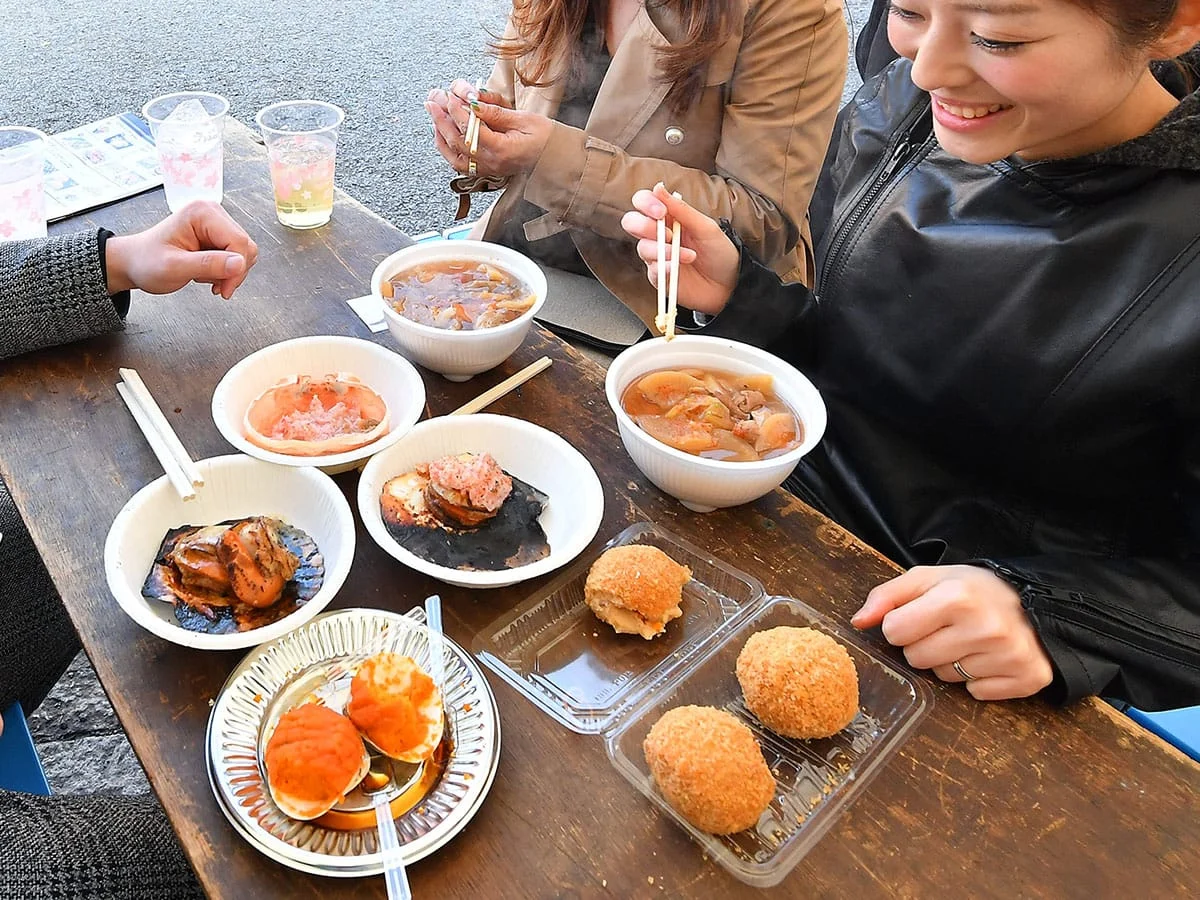
The air in Tokyo’s Shibuya Ward is set to become filled with the savory, salt-kissed aroma of the ocean as the 4th annual Sakana & Japan Festival returns to the capital. Scheduled to take place in Yoyogi Park from February 23rd to 26th, 2023, the event marks a significant milestone for Japan’s gastronomic calendar. Following a forced four-year hiatus due to the global COVID-19 pandemic, the festival—often described as the "sister event" to the massive Japan Fisherman’s Festival held annually at Hibiya Park—is poised to re-establish itself as a premier destination for seafood aficionados from across the globe.
Main Facts: A Celebration of Japan’s Maritime Bounty
The Sakana & Japan Festival is not merely a food fair; it is a sprawling, immersive celebration of Japan’s deep-rooted fishing culture. For four days, Yoyogi Park will transform into a culinary crossroads where the best of the nation’s coastline converges in one central location. Featuring approximately 70 specialized booths, the festival offers an unparalleled survey of the Japanese archipelago’s aquatic diversity.
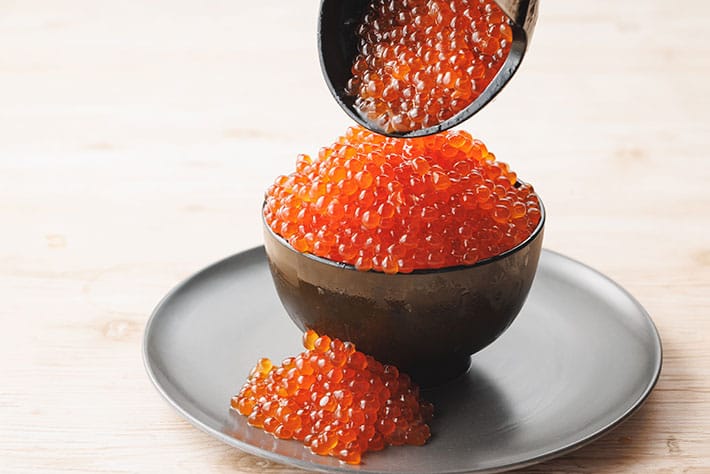
Attendees can expect a staggering array of dishes, ranging from the delicate simplicity of sashimi to the complex, hearty profiles of regional seafood stews. The festival is designed to showcase the versatility of seafood, offering everything from fresh, raw tuna and premium salmon roe (ikura) to robust sea urchin (uni) and succulent crab. Whether it is a quick, street-food style grilled oyster or a sophisticated seafood paella that highlights the fusion of Japanese ingredients with international techniques, the event aims to bridge the gap between rural fishing ports and the urban consumer.
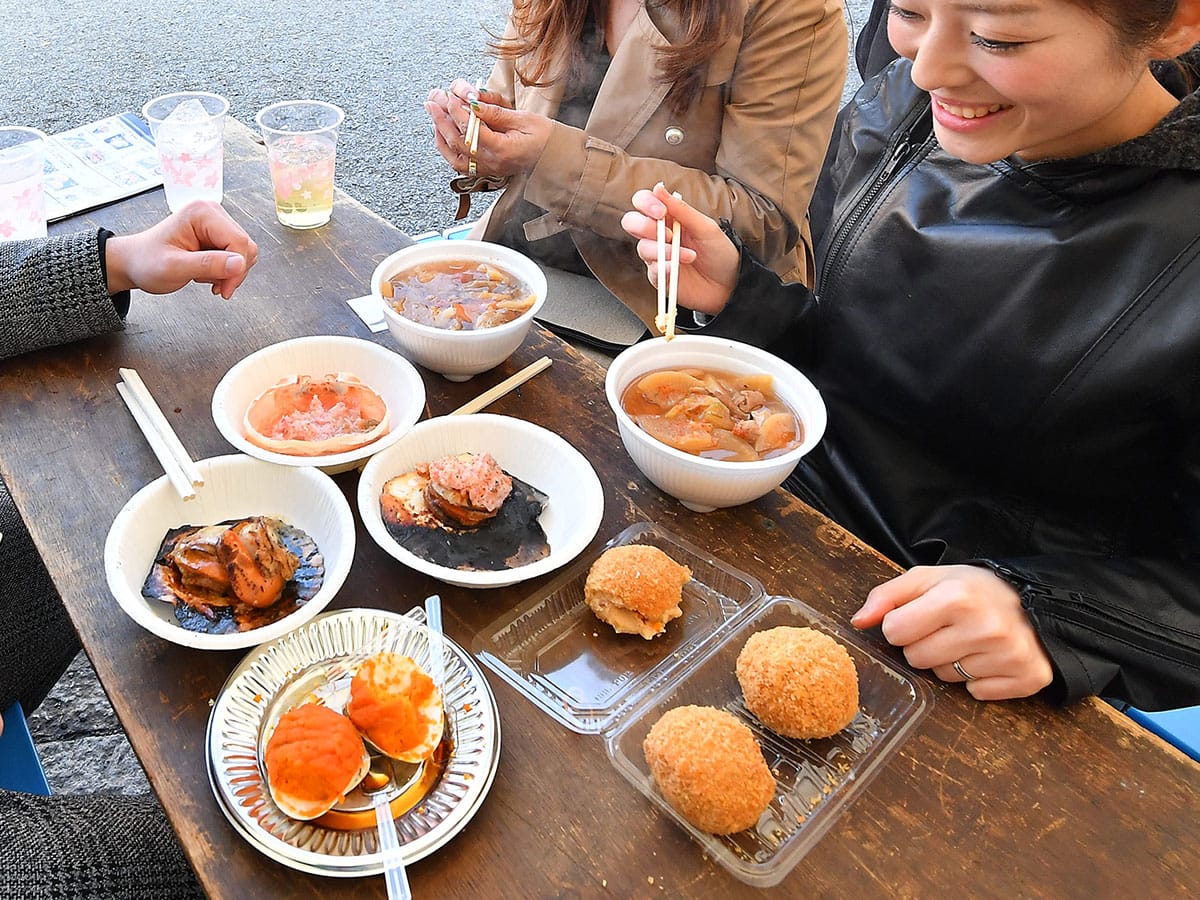
Entry to the festival is entirely free, ensuring that the event remains accessible to all, from curious tourists to budget-conscious foodies. While the entrance is complimentary, the culinary offerings are sold on an individual basis, allowing visitors to curate their own tasting menus as they navigate the rows of vendors.
A Chronology of Resilience: From 2019 to the Present
The return of the Sakana & Japan Festival in 2023 carries a weight of sentimentality and resilience. To understand the significance of this year’s event, one must look at the timeline of its recent history.
- 2019: The 3rd Sakana & Japan Festival was held, building on the momentum of previous years and solidifying its reputation as a must-visit winter event in Tokyo.
- 2020–2022: The onset of the COVID-19 pandemic forced the total cancellation of the event for three consecutive years. During this period, the local fishing industry, which relies heavily on these festivals for direct-to-consumer sales, faced significant economic strain.
- February 2023: The festival’s triumphant return marks the end of the four-year drought. By choosing the end of February, the organizers aim to kickstart the spring season with a boost to the local tourism and food sectors, signaling a return to the vibrant public life that characterized Tokyo before 2020.
The planning committee has viewed this hiatus as a period of reflection. The return is not simply a resumption of business as usual; it is a re-introduction of the importance of the Japanese fishing industry to the public consciousness.
Culinary Highlights: A Curated Tasting Tour
While the full roster of exhibitors is finalized closer to the event dates, early releases have already highlighted several "must-try" items that encapsulate the theme of regional specialty. These dishes represent the intersection of sustainable sourcing and artisanal preparation:
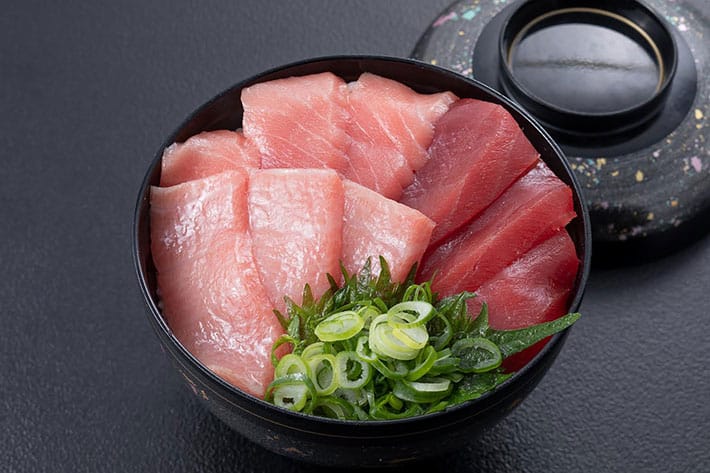
1. The Kuroshio Market’s Three-Type Tuna Bowl
Tuna remains the crown jewel of Japanese seafood. This specific offering from the Kuroshio Market is a masterclass in texture, featuring three distinct cuts of tuna served over perfectly seasoned vinegared rice. It provides a visual and sensory exploration of why Japan’s obsession with tuna remains unmatched.
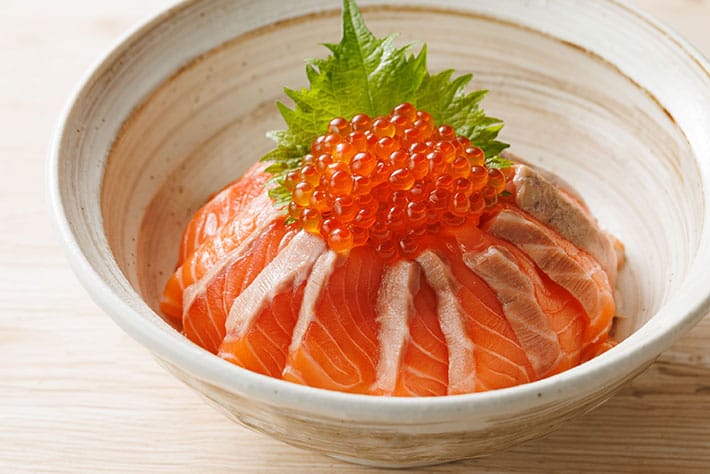
2. The "Maple Salmon" and Roe Bowl
Perhaps the most intriguing addition this year is the Maple Salmon. This brand of salmon trout, developed in Fukushima Prefecture, is a fascinating case study in agricultural innovation. Originally derived from Canadian rainbow trout roe, the stock has been bred over several generations to suit the delicate palate of Japanese consumers. The name "Maple" serves as a nod to its Canadian heritage, while the taste profile is distinctly Japanese—firm, buttery, and rich in umami.
3. Fukushima Seafood Bowls and Grilled Oysters
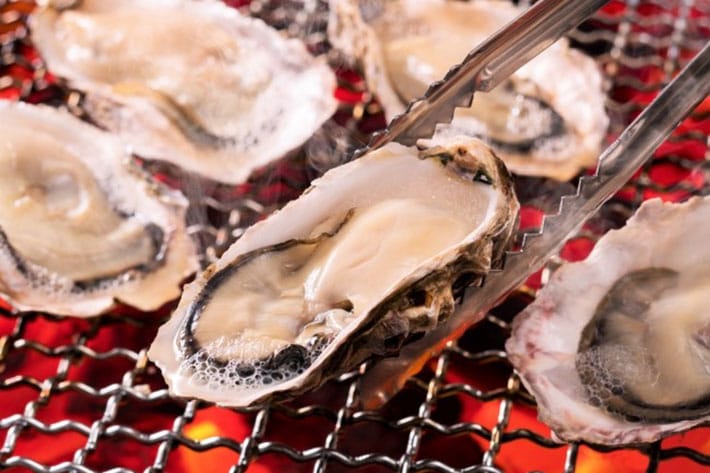
Representing the revitalization efforts of the Tohoku region, the Fukushima seafood bowls offer a fresh, vibrant selection of the day’s catch. Complementing these are the charcoal-grilled oysters—a staple of winter festivals. Served piping hot directly from the grill, these oysters capture the essence of the cold-water harvest, providing a salty, creamy contrast to the more refined rice bowls.
Supporting Data: Why This Festival Matters
The importance of the Sakana & Japan Festival extends far beyond the plate. The fishing industry in Japan is currently navigating a complex landscape of shifting ocean temperatures, aging demographics in coastal towns, and changing consumer habits.
- Economic Impact: Events like this generate significant revenue for regional producers who may otherwise struggle to reach the high-density Tokyo market. By providing a platform for these producers to speak directly with consumers, the festival encourages a greater appreciation for the provenance of food.
- Tourism and Cultural Exchange: For foreign visitors, the festival serves as an accessible "crash course" in Japanese food culture. It removes the intimidation factor of high-end sushi bars, allowing tourists to experience the breadth of Japanese seafood in a casual, park-based setting.
- Sustainability Awareness: Many of the booths are hosted by fishermen’s cooperatives, providing an educational component regarding seasonal fishing and the necessity of protecting marine biodiversity.
Official Responses and Strategic Implications
In the official press release regarding the 2023 festival, the organizers emphasized that the goal is to "reconnect the consumer with the source." After years of social distancing, the festival is being positioned as a return to "communal eating"—a central pillar of Japanese social culture.
Industry analysts suggest that the return of such large-scale events is a bellwether for the recovery of the Japanese event economy. By successfully managing a crowd-heavy food festival, the organizers are helping to rebuild public confidence in large-scale social gatherings. Furthermore, the emphasis on regional brands—like the Fukushima-born Maple Salmon—suggests a strategic push to promote regional revitalization through gastronomy.
For the organizers, the mission is long-term. If the 2023 iteration proves successful, it will serve as the template for future years. As stated by the planning staff, the intent is for the festival to remain an annual fixture, immune to the disruptions that plagued the early 2020s.
Conclusion: An Invitation to Experience the Sea
The 4th annual Sakana & Japan Festival represents more than just a place to eat; it is an invitation to celebrate the endurance of Japanese food culture. As Tokyo prepares to welcome thousands of visitors to Yoyogi Park, the message is clear: the sea’s bounty is back, and the city is ready to feast.
For those planning to attend, keep a close watch on the official website and social media channels. As the event approaches, organizers will release detailed floor maps, vendor lists, and special event schedules. Whether you are a connoisseur of fine sashimi or someone who simply enjoys the bustling atmosphere of a Japanese festival, the 2023 event promises to be an essential highlight of the winter season.
If you find yourself unable to make the trip this February, rest assured—the organizers are committed to making this an annual tradition. The tides of the Sakana & Japan Festival are flowing once more, and they will continue to bring the best of Japan’s waters to the heart of the capital for years to come.



 Asro
Asro