SEO Keywords: Astro Arena, PUBG Studios, KRAFTON, mobile game, 3v3 PvP, MOBA, arcade action, roguelike, anime style, free-to-play, Android, Google Play Store, Season 1, Vermilion Desert, Neon Syndicate, battle pass, limited-time events.
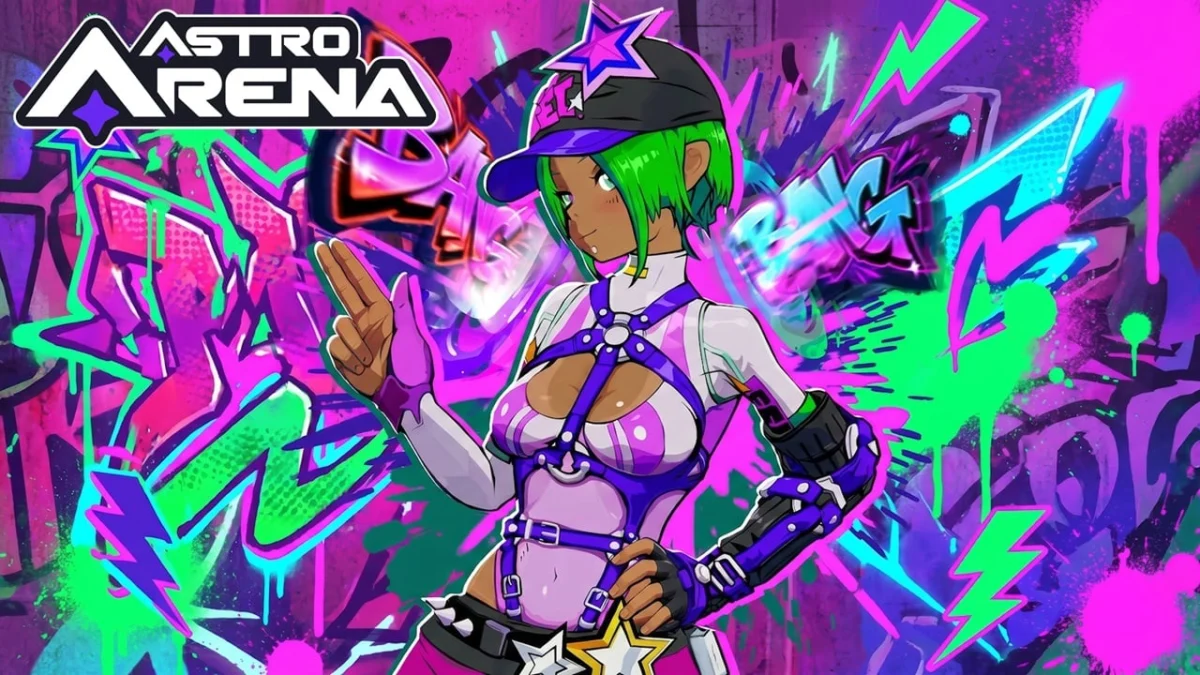
In a bold strategic move, PUBG Studios, a subsidiary of the global gaming giant KRAFTON, has officially launched its latest title, Astro Arena: 3vs3 Battle PvP. This innovative mobile game marks a significant departure from the studio’s renowned battle royale roots, venturing into the vibrant, fast-paced world of anime-inspired multiplayer online battle arena (MOBA) action. Astro Arena promises a unique blend of classic MOBA mechanics, arcade-style combat, and dynamic roguelike elements, all encapsulated within exhilarating five-minute matches designed for on-the-go play.
The game’s release signals KRAFTON’s continued ambition to diversify its portfolio, tapping into new genres and aesthetic styles to capture a broader audience in the fiercely competitive mobile gaming market. With its distinctive art direction, engaging gameplay loop, and a plethora of launch content, Astro Arena is poised to carve out its own niche in the burgeoning mobile PvP landscape.
Main Facts
Introduction to Astro Arena: A New Era for PUBG Studios
Astro Arena: 3vs3 Battle PvP represents a fascinating evolution for PUBG Studios, known globally for the seminal PUBG: Battlegrounds. This new title showcases the studio’s versatility and willingness to innovate beyond its established flagship, delivering an experience that is fresh, vibrant, and distinctly different. At its core, Astro Arena is an anime-style multiplayer game that expertly fuses the strategic depth of MOBAs with the immediate gratification of arcade action. Players are thrust into 3v3 battles where quick reflexes and tactical decision-making are paramount, all within a compressed timeframe that keeps the adrenaline pumping. The visual aesthetic, characterized by its colorful anime design, immediately distinguishes it from the more realistic, gritty visuals typically associated with PUBG titles, appealing to a different demographic and offering a refreshing visual treat.
Core Gameplay Loop: Speed, Strategy, and Roguelike Evolution
The defining characteristic of Astro Arena is its incredibly fast-paced gameplay. Every match is designed to last approximately five minutes, making it an ideal choice for quick gaming sessions during commutes or short breaks. This brevity, however, does not come at the expense of strategic depth. A groundbreaking feature integrated into the core gameplay is the inclusion of roguelike power-ups that appear dynamically during battles. As players engage in combat, they are presented with choices for ability enhancements, allowing them to adapt their hero’s build on the fly. These "ability picks" can dramatically alter a hero’s playstyle, leading to diverse combat scenarios and ensuring that no two rounds feel exactly alike. The constant flux of available abilities injects a layer of unpredictability and strategic adaptation, compelling players to think on their feet and make crucial decisions that can swing the tide of battle. This dynamic system fosters high replayability, as players constantly experiment with new builds and strategies for their favorite heroes.
Diverse Roster and Strategic Team Composition
At launch, Astro Arena boasts a substantial roster of anime-style heroes, each meticulously designed with unique abilities, backstories, and visual flair. These characters span a variety of classic MOBA roles, including formidable Tanks capable of soaking up damage, high-impact Damage Dealers specialized in dishing out punishment, and crucial Supporters who provide healing and utility to their teammates. Beyond these archetypes, the roster also includes specialists with unique mechanics, ensuring a rich tactical palette. The emphasis on team composition is paramount; assembling the right trio of heroes is not merely about individual power but about unlocking potent "synergies." These synergies can manifest as devastating ability combinations, enhanced defensive formations, or overwhelming offensive pushes, encouraging players to explore different team dynamics and fostering a deep layer of strategic planning even before a match begins. Mastering these hero interactions and understanding counter-picks will be key to ascending the ranks in Astro Arena.
Multi-Modal Mayhem: A Plethora of Launch PvP Modes
To cater to diverse player preferences and ensure long-term engagement, Astro Arena launched with a robust suite of game modes. The initial offering includes four primary 3v3 PvP modes, each presenting a distinct objective and gameplay experience:
- Energy Stone Rush: A capture-the-flag style mode where teams vie for control of vital energy stones.
- Team Deathmatch: A classic brawl focused purely on eliminating opposing players to reach a score limit.
- Zone Control: A strategic mode requiring teams to capture and hold designated areas on the map.
- Boss Raid: A unique blend of PvP and PvE, where teams must defeat a powerful boss while simultaneously fending off enemy players.
Beyond these core modes, the game also introduced other exciting options to further diversify the gameplay experience, such as:
- Monster Hunt: Likely a PvE-focused mode where teams cooperate to take down powerful creatures.
- Duo Battle Royale: A scaled-down version of the popular battle royale format, adapted for pairs.
- 3v3 Team Escape: A mode focused on objectives and extraction, adding a thrilling chase element.
The development team has also explicitly stated its commitment to expanding this already impressive lineup, with "even more modes for future updates" firmly on the roadmap, indicating a sustained effort to keep the game fresh and engaging for its community.
Chronology
Pre-Launch Anticipation and KRAFTON’s Strategic Shift
The journey to Astro Arena‘s launch was characterized by a gradual build-up of anticipation within the mobile gaming community. While specific pre-launch marketing details are often held close, industry observers understood that a new title from PUBG Studios would invariably draw attention. What made Astro Arena particularly noteworthy was its stark departure from the studio’s established genre. For years, PUBG Studios had been synonymous with the realistic military shooter genre, particularly with PUBG: Battlegrounds. The decision to pivot towards an anime-style, fast-paced MOBA brawler signaled a strategic shift for KRAFTON as a whole, indicating a clear intention to broaden its creative horizons and appeal to a wider demographic beyond its core battle royale audience. This move was likely informed by market trends showing strong growth in anime-styled games and the evergreen popularity of competitive mobile MOBAs. Development would have involved assembling a dedicated team to craft the distinct art style, design the intricate hero abilities, and fine-tune the innovative roguelike power-up system, all while optimizing for mobile performance and accessibility.
Launch Day and Initial Player Engagement
Astro Arena officially launched on Android devices via the Google Play Store, immediately becoming a free-to-play option for millions of potential players. The launch was accompanied by a flurry of initial content designed to immerse players instantly. First-day impressions from early adopters likely focused on the game’s vibrant aesthetics, the novelty of its roguelike ability system, and the sheer speed of its matches. The free-to-play model naturally facilitates rapid adoption, allowing a broad spectrum of players to experience the game without an upfront investment. The simultaneous rollout of major seasonal content and numerous limited-time events (detailed below) was a strategic decision to ensure that new players had ample reasons to dive deep into the game from day one, fostering immediate engagement and providing clear progression paths.
The Inaugural Frontier Season: Vermilion Desert
Coinciding with the global launch, Astro Arena immediately kicked off its first major seasonal content cycle, known as Frontier Season 1, titled "Vermilion Desert." This season introduces players to a rich thematic experience, complete with narrative elements and exclusive rewards. A key highlight of Vermilion Desert is the opportunity to "uncover Skull’s story," suggesting that the game will weave character-driven narratives into its seasonal progression, adding depth beyond pure combat. For dedicated players, the ultimate reward of this season is the acquisition of the "Ultimate skin called Hyper Pulse Skull," a premium cosmetic item that showcases mastery and dedication. Seasonal content, like Vermilion Desert, is crucial for retaining player interest and providing a continuous stream of goals and achievements beyond regular gameplay.
Concurrent Launch Events: A Player’s Bonanza
To further sweeten the launch and provide immediate value to its burgeoning player base, Astro Arena rolled out an impressive array of concurrent events and promotions:
- Season Pass 1: Neon Syndicate: This premium pass became live alongside the game, offering a structured progression system filled with "exclusive skins and growth rewards." Season Passes are a common and highly effective monetization and retention tool in free-to-play games, encouraging consistent play to unlock tiers of rewards. The "Neon Syndicate" theme suggests a futuristic, cyberpunk aesthetic for its cosmetics.
- Limited-Time Ultimate Battle Pass Promotion: Running until August 6th, this promotion offered a more direct path to specific high-value rewards. Its "main attraction is the Street Groove Fei skin," an exclusive cosmetic for one of the heroes, often a significant draw for players. Additionally, the pass included "Character Tokens" (likely used to unlock or upgrade heroes), "Wonder Stones" (a premium currency or resource), and "a bunch of premium rewards," designed to give players a substantial boost in their initial progression.
- First Purchase Event: Also active until August 6th, this event incentivized new players to make their inaugural in-game purchase. The reward was immediate: unlocking the character "Fran." Furthermore, by "logging in over the next three days," players could complete "the full Fran set," which included a profile icon, a unique frame, and the "Disco Fran skin." This tiered reward system effectively encourages both initial spending and continued daily engagement.
- Street Boss Olga Event: This mission-based event, also concluding on August 6th, allowed players to earn the "limited Street Boss Olga skin" simply by "completing a series of event missions." This type of event encourages active gameplay and provides a free path to desirable cosmetic items, catering to both paying and non-paying players. Additionally, participants received "daily rewards" while progressing towards the ultimate prize, reinforcing habitual logins.
These multiple, overlapping events demonstrate a comprehensive strategy to maximize player acquisition, engagement, and monetization during the critical launch window.
Post-Launch Roadmap and Future Expectations
The developers at PUBG Studios have made it clear that the launch of Astro Arena is just the beginning. The explicit mention of "planning even more modes for future updates" underscores a commitment to long-term content support and evolution. This proactive approach is vital for the longevity of any competitive online game, ensuring that the meta remains fresh, new challenges emerge, and players always have something new to look forward to. Future updates are expected to introduce new heroes, maps, game modes, balance adjustments, and seasonal content, all crucial elements for maintaining a thriving player base and a competitive ecosystem.
Supporting Data
The Booming Mobile Gaming Landscape and Free-to-Play PvP
Astro Arena enters a mobile gaming market that continues its exponential growth, particularly within the free-to-play (F2P) PvP segment. This sector is characterized by intense competition, with titles like Mobile Legends: Bang Bang, Arena of Valor, and Brawl Stars dominating millions of active users. The success of F2P PvP hinges on accessibility, strong monetization through cosmetics and battle passes, and a constant stream of engaging content. Astro Arena‘s F2P model on Android positions it to capitalize on this vast market, offering a low barrier to entry. The game’s five-minute match duration is particularly well-suited for mobile players who often engage in shorter, more frequent gaming sessions, aligning perfectly with modern lifestyle demands. Data consistently shows that games optimized for quick, satisfying bursts of gameplay tend to perform exceptionally well on mobile platforms.
KRAFTON’s Strategic Diversification Beyond PUBG
For KRAFTON, the parent company of PUBG Studios, Astro Arena represents a significant pillar in its broader diversification strategy. While PUBG: Battlegrounds remains a global phenomenon and a massive revenue generator, KRAFTON has openly expressed its ambition to expand beyond its flagship title and explore new genres, intellectual properties, and creative directions. This strategy is not merely about growth but also about mitigating risks associated with relying on a single blockbuster. By investing in games like Astro Arena, KRAFTON demonstrates its capacity for innovation and its desire to capture segments of the gaming market that might not be traditionally drawn to the battle royale genre. The anime aesthetic and MOBA-lite gameplay of Astro Arena are clear indicators of this strategic pivot, aiming to attract a younger, more diverse audience. This diversification is crucial for KRAFTON’s long-term sustainability and global market presence.
The Enduring Appeal of Anime and Roguelike Elements
The choice of an anime art style for Astro Arena is a shrewd one, tapping into a global cultural phenomenon that resonates strongly with a vast gaming audience. Anime-styled games consistently perform well, appealing to players who appreciate vibrant visuals, expressive character designs, and often, compelling narratives. This aesthetic choice provides Astro Arena with a distinct identity in a crowded market, making it immediately recognizable and appealing to fans of the genre.
Furthermore, the integration of roguelike elements into the PvP combat is a relatively novel concept for a MOBA. Roguelike mechanics, characterized by procedural generation, permanent death (or in this case, temporary build changes), and high replayability, have seen a massive surge in popularity across various genres. In Astro Arena, these "roguelike power-ups" introduce an element of dynamic adaptation and strategic improvisation that keeps each match fresh and unpredictable. This system ensures that even if players encounter the same heroes or maps, the shifting ability choices prevent repetitive meta-strategies from dominating, enhancing the game’s strategic depth and longevity. This blend capitalizes on two proven trends in modern game design.
Monetization Model: Free-to-Play and Cosmetics
Astro Arena‘s free-to-play model is complemented by a standard, yet effective, monetization strategy centered around cosmetic items and progression accelerators. The inclusion of Season Passes (Neon Syndicate), Battle Pass promotions (Ultimate Battle Pass), and limited-time skin events (Street Groove Fei, Disco Fran, Street Boss Olga) aligns with industry best practices for F2P titles. These mechanisms provide players with optional purchases that enhance their visual experience or accelerate their progression without creating a "pay-to-win" scenario, which is critical for maintaining a fair and competitive PvP environment. The focus on character skins, profile icons, and frames allows players to personalize their experience and express themselves, driving engagement and providing a sustainable revenue stream for ongoing development and content updates.
Official Responses
Developer Vision and Design Philosophy: A Fresh Take on PvP
While specific, named executive quotes were not provided in the initial launch announcement, the design philosophy behind Astro Arena strongly suggests a clear vision from PUBG Studios. It is evident that the developers aimed to create an accessible yet strategically deep multiplayer experience that stands apart from the typical MOBA fare. A hypothetical statement from a lead developer might articulate: "With Astro Arena, our goal was to distil the essence of competitive multiplayer into incredibly fast, five-minute bursts of fun. We wanted to blend the strategic depth of hero-based combat with the unpredictability and excitement of roguelike elements, ensuring that every match feels fresh and every decision matters. Our anime aesthetic is a deliberate choice to welcome a broader audience and offer a vibrant, visually engaging world for players to explore. We believe this unique fusion provides a truly innovative and refreshing take on mobile PvP, moving beyond the traditional expectations of our studio." This emphasizes their commitment to innovation, player accessibility, and a distinct artistic direction.
The studio’s intent was likely to craft a game that could be easily picked up by casual players due to its simplified controls and quick match times, while simultaneously offering enough strategic complexity through hero synergies and dynamic ability choices to satisfy seasoned competitive players. The emphasis on "choices as the game goes on" and "every round ends up feeling a little different" highlights a core design tenet focused on dynamic gameplay and high replayability.
Community Engagement and Future-Proofing
Successful online multiplayer games thrive on active community engagement and responsive development. PUBG Studios, with its extensive experience managing a global player base for PUBG: Battlegrounds, undoubtedly understands the importance of this. While direct statements on community interaction post-launch were not detailed, it is reasonable to infer that the developers will be closely monitoring player feedback, analytics, and competitive trends. This ongoing dialogue with the community will be crucial for balance adjustments, bug fixes, and prioritizing future content. The commitment to "planning even more modes for future updates" serves as an official assurance to the player base that their investment of time and potentially money will be supported with continuous new experiences. The studio’s strategy will likely involve leveraging social media channels, official forums, and in-game surveys to gather insights, ensuring that Astro Arena evolves in a way that resonates with its players and maintains a healthy, competitive environment.
Implications
Impact on KRAFTON’s Portfolio and Brand Identity
Astro Arena‘s performance will have significant implications for KRAFTON’s overall portfolio and its evolving brand identity. A successful launch and sustained growth would validate KRAFTON’s strategy of diversification, demonstrating its ability to incubate and launch successful titles across varied genres and aesthetics. This could pave the way for more experimental and genre-bending projects from its studios, solidifying KRAFTON’s reputation as a multifaceted global publisher rather than solely "the PUBG company." Conversely, if Astro Arena struggles to gain traction, it might lead to a re-evaluation of future diversification efforts or a refinement of their approach to new IP development outside of the battle royale space. The anime art style also expands KRAFTON’s visual brand, potentially attracting new partnerships and licensing opportunities in the entertainment sector.
Potential for Esports and Competitive Play
Given its 3v3 PvP nature, diverse hero roster, and strategic depth, Astro Arena possesses considerable potential for competitive esports. The fast-paced, five-minute matches are particularly well-suited for spectator appeal, offering quick, intense bursts of action that are easy to follow. The roguelike ability system adds an intriguing layer of unpredictability, requiring players to adapt on the fly, which could lead to exciting comeback stories and dynamic meta-shifts in competitive tournaments. If the game fosters a strong competitive community, KRAFTON might invest in organized esports leagues, mirroring the success seen in other mobile MOBAs. This would not only enhance the game’s longevity but also significantly boost its global visibility and appeal, attracting top-tier players and dedicated viewership.
Future of Mobile Multiplayer Gaming: Setting New Trends?
Astro Arena‘s innovative blend of MOBA, arcade, and roguelike elements could potentially set new trends in the mobile multiplayer gaming space. Its success might inspire other developers to experiment with similar genre fusions, moving beyond traditional definitions. The emphasis on short, impactful matches combined with dynamic, in-game strategic choices offers a blueprint for how mobile games can deliver deep experiences without demanding extensive time commitments. If Astro Arena proves that such a model can thrive, it could influence the design philosophy of future mobile PvP titles, pushing boundaries in accessibility, replayability, and dynamic gameplay.
Player Experience and Longevity
The longevity of Astro Arena will ultimately depend on its ability to consistently deliver a compelling player experience. This includes robust content updates (new heroes, modes, maps), meticulous balance adjustments to ensure fair play, and a strong commitment to community management and anti-cheat measures. The array of launch events and the promise of future modes are positive indicators, suggesting a long-term vision. However, maintaining player engagement in the highly competitive mobile market requires continuous innovation and responsiveness to player feedback. The success of its monetization strategy, primarily through cosmetic sales, will also be crucial for funding ongoing development without alienating the free-to-play audience.
Comparison to Competitors
Astro Arena enters a market populated by established giants like Mobile Legends: Bang Bang, Arena of Valor, and Brawl Stars. While it shares the MOBA DNA with the former two, its distinct anime aesthetic, roguelike elements, and ultra-fast match times position it closer to the arcade-style brawling of Brawl Stars. Astro Arena‘s challenge will be to differentiate itself sufficiently to capture a significant share of the audience. Its unique blend offers a fresh alternative, potentially appealing to players seeking a faster, more unpredictable MOBA experience than its more traditional competitors. The backing of PUBG Studios and KRAFTON provides a substantial marketing and development advantage, giving Astro Arena a strong foundation to compete effectively in this crowded but lucrative market.