

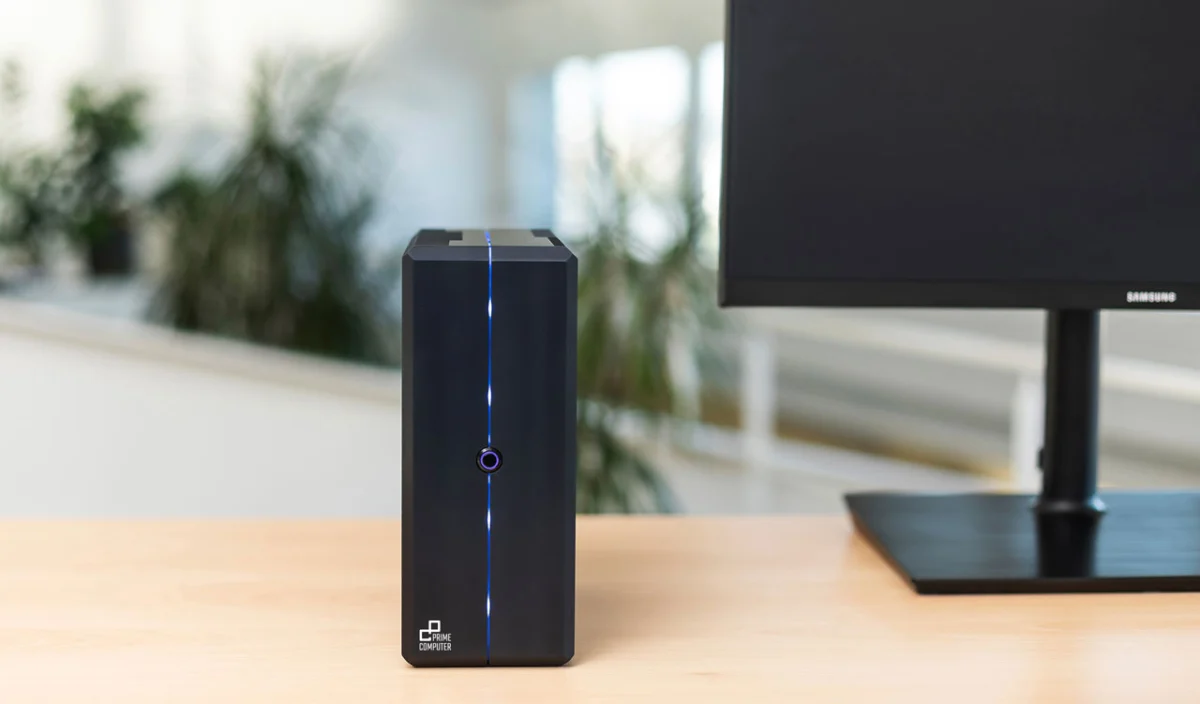
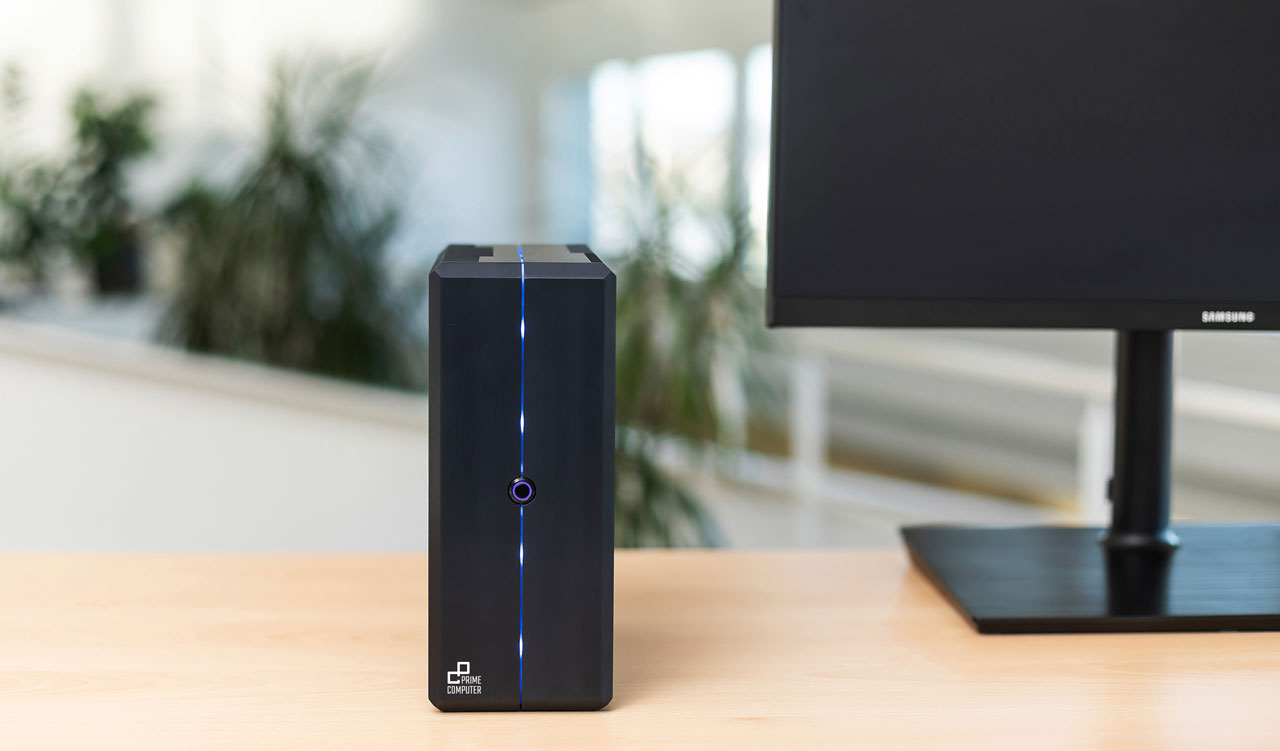
In an era where high-performance computing is often synonymous with roaring fans, liquid cooling loops, and high power consumption, Swiss manufacturer Prime Computer has taken a bold step in the opposite direction. Their latest offering, the PrimeStation Pulsar, challenges the industry status quo by proving that workstation-grade performance does not require an audible footprint or a heavy carbon debt. By combining an AMD Ryzen 7 Pro processor with a sophisticated, fanless thermal management system, Prime Computer has introduced a machine that is as environmentally conscious as it is technically intriguing.
Main Facts: A Paradigm Shift in Mini-PC Design
The PrimeStation Pulsar is not merely another entry in the crowded mini-PC market; it is a meticulously engineered "climate-neutral" workstation. The core design philosophy centers on passive cooling. Instead of relying on mechanical fans that draw in dust and generate noise, the Pulsar utilizes its robust, industrial-grade aluminum chassis as a giant heatsink. This design choice serves two purposes: it ensures complete silence—a critical requirement for audio engineers, creative professionals, and high-end office environments—and it eliminates the mechanical failure points associated with moving parts.
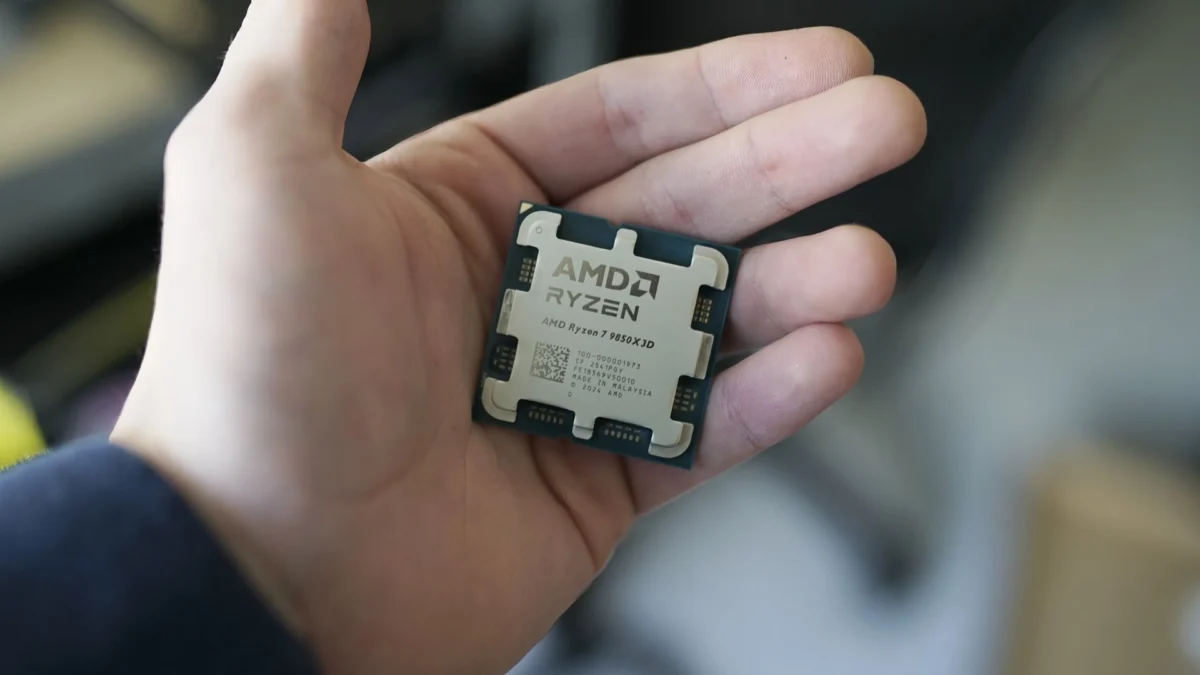
At the heart of this machine lies the AMD Ryzen 7 Pro 5750G. This 65W APU (Accelerated Processing Unit) is a powerhouse, offering 8 cores and 16 threads, with a base clock of 3.8GHz and a boost capability of up to 4.6GHz. With 16MB of L3 cache and integrated Radeon Vega graphics cores clocked at 2.0GHz, the Pulsar is capable of handling heavy multitasking, complex data analysis, and professional-grade content creation without breaking a sweat, all while remaining entirely silent.
Chronology: From Concept to Silent Reality
The development of the Pulsar represents the culmination of Prime Computer’s multi-year mission to reduce the ecological impact of the IT sector. While fanless PCs have existed for decades, they were historically limited to low-power embedded systems or underpowered Intel Celeron configurations.
The timeline of the Pulsar’s emergence began with the shift toward higher TDP (Thermal Design Power) mobile-to-desktop chips. As AMD’s 7nm FinFET architecture matured, the thermal efficiency of their Ryzen Pro lineup became the catalyst Prime Computer needed. By the third quarter of 2021, the company successfully optimized their proprietary aluminum thermal-transfer internal architecture to handle the 65W output of the 5750G, a feat that many industry observers previously deemed impractical for a passively cooled, consumer-available enclosure.
The official launch in October 2021 marked a significant milestone, moving the Pulsar from a specialized internal project to a commercially available workstation. This release followed a strict "cradle-to-grave" climate-neutral protocol, where every gram of CO2 emitted during manufacturing, transport, and operation is offset through verified environmental projects.

Supporting Data: The Technical Architecture
To understand why the Pulsar is an engineering feat, one must look closely at its specifications. The system is designed for longevity and flexibility, offering configurations that cater to various professional workflows.
Core Specifications
- Processor: AMD Ryzen 7 Pro 5750G (8C/16T, up to 4.6GHz).
- Graphics: Integrated Radeon Vega 8 cores (2.0GHz).
- Memory: Dual DIMM slots supporting 8GB to 64GB of DDR4-3200 RAM.
- Storage: 1 x NVMe M.2 slot for high-speed boot drives and 1 x 2.5-inch SATA III bay for bulk storage.
- Connectivity: Intel Wireless AX200 (Wi-Fi 6) + Bluetooth 5.2, 2.5Gbps Ethernet.
- I/O Ports: HDMI 2.1, DisplayPort 1.4, 3 x USB 3.2 Type-A, 1 x USB 3.2 Type-C, 1 x USB 2.0, dedicated audio USB-C, and 3 x analog audio jacks.
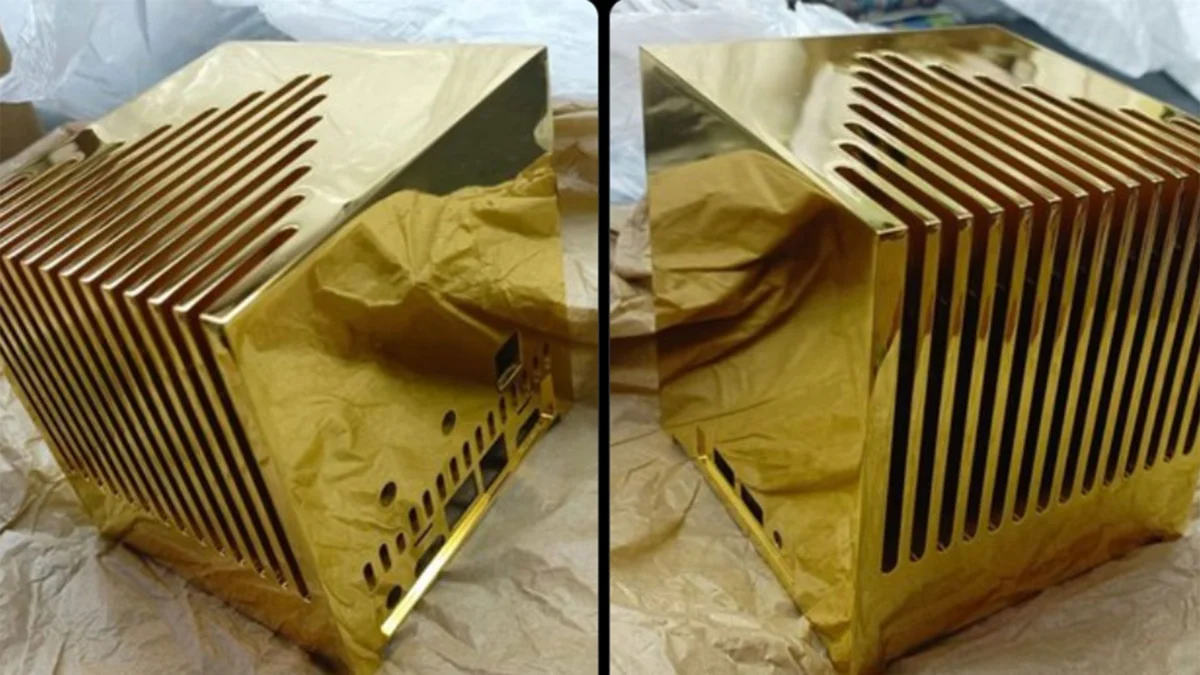
The physical dimensions of the device—9.1cm x 22.5cm x 20.3cm—make it incredibly dense. Weighing in at 4.3kg, the chassis is effectively a solid block of metal designed to dissipate heat through external finning. This mass is a testament to the amount of aluminum required to draw heat away from the processor core without the aid of forced airflow.
Official Responses and Market Positioning
Prime Computer’s positioning of the Pulsar as a "climate-neutral" workstation is a calculated move to appeal to the growing number of corporate clients mandated to meet ESG (Environmental, Social, and Governance) targets. By purchasing the Pulsar, companies are not just buying a computer; they are buying an offset certificate for the carbon cost of the machine’s entire lifecycle.
Industry critics, such as Fanless Tech, have noted the significant price tag—$2,179. While high, the pricing reflects the specialized nature of the assembly. Unlike mass-produced PCs, the Pulsar requires precision machining of the heatsink-chassis and a thermal coupling process that ensures the APU makes perfect contact with the internal heat pipes.
When compared to alternatives like The Beast from MonsterLabo—a much larger, DIY-oriented fanless chassis—the Pulsar is clearly targeted at the "prosumer" and enterprise markets. It is a "turnkey" solution; it works out of the box, is backed by professional support, and avoids the complexities of sourcing proprietary heatsinks or custom mounting hardware.
Implications for the Future of Computing
The PrimeStation Pulsar is more than a niche device for silence-seekers; it is a proof-of-concept for the future of sustainable hardware. The implications of this release are threefold:
1. The Death of Planned Obsolescence
By utilizing high-quality aluminum and modular components (DIMM slots and standard SATA/NVMe mounts), Prime Computer is pushing back against the trend of soldered, disposable computing. The Pulsar is designed to be repaired and upgraded, which is a fundamental tenet of sustainable technology.
2. Silent Workflows as a Productivity Multiplier
In professional environments—recording studios, medical imaging, or high-focus coding environments—noise pollution is a significant factor in fatigue. The Pulsar removes the "white noise" of PC fans, which, while subtle, contributes to a less stressful working environment.
3. Energy Efficiency vs. Performance
The 65W TDP of the Ryzen 7 Pro 5750G represents a "sweet spot." It provides enough power for modern software suites while remaining manageable for passive cooling. As silicon manufacturing continues to shrink, we may see even more powerful chips finding their way into fanless configurations, eventually rendering the mechanical cooling fan a relic of the early 21st century.
Conclusion: A Price Worth Paying?
The PrimeStation Pulsar is, admittedly, an expensive investment. For the price, a DIY enthusiast could build a machine with significantly more raw power, perhaps even including a dedicated GPU. However, the Pulsar is not intended for the budget-conscious gamer or the tinkerer who enjoys modifying their cooling loop.
It is designed for the professional who values time, silence, and environmental responsibility. It is for the architect who wants a clean desk without the hum of a tower, or the software developer who wants a machine that will last for years without the failure of mechanical fans.
In the grand scope of the tech industry, the Pulsar serves as a necessary reminder that we have the technology to make computers quieter, cleaner, and more durable. While it may not replace the high-performance gaming rig anytime soon, it sets a gold standard for the modern, professional workstation. Prime Computer has proven that by marrying Swiss precision with climate-conscious engineering, they can create a machine that is as silent as it is powerful—a rare combination in an industry that too often prioritizes flashing lights and high-RPM fans over thoughtful, sustainable design.










No comments yet. Be the first to join the conversation!