Basiran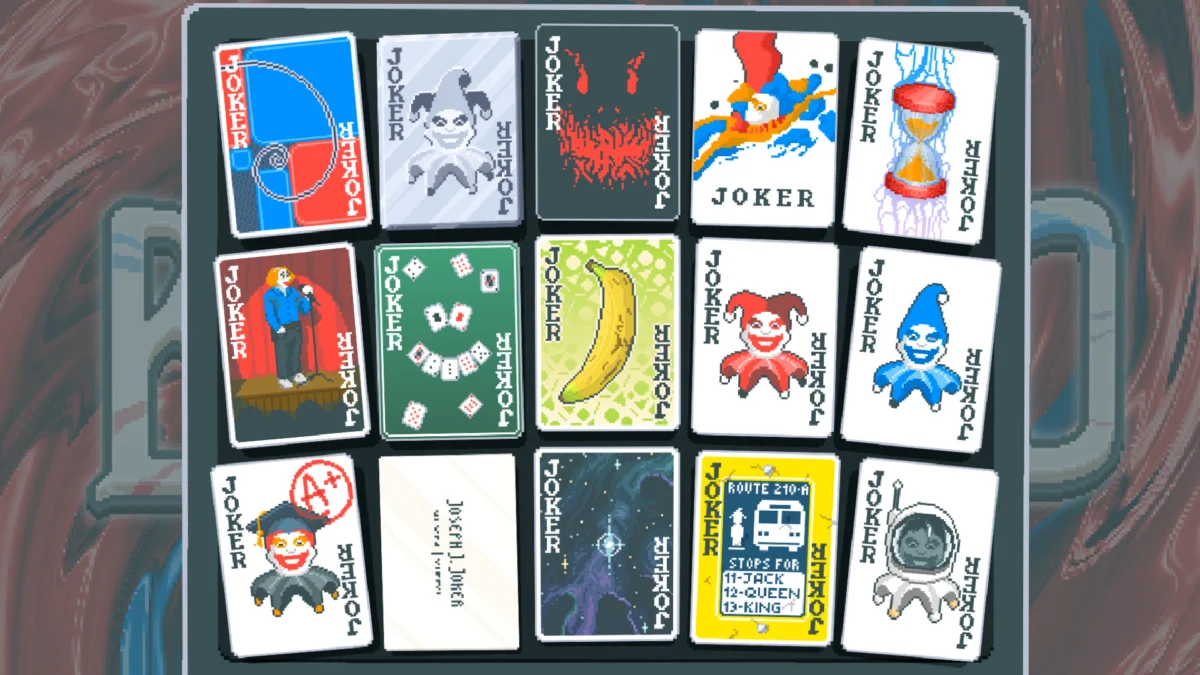
London, UK – Playstack, the acclaimed publisher behind indie sensations like Balatro and Abiotic Factor, has affirmed its unwavering commitment to its distinctive "eclectic" publishing strategy following its recent acquisition by Integrated Media Company (IMC), owners of prominent media outlets Fandom and GameSpot. CEO Harvey Elliott has provided robust assurances that the change in ownership will not disrupt the company’s operational autonomy or its developer-first ethos, confidently outlining a robust lineup of titles extending through 2028.
The acquisition marks a significant new chapter for Playstack, transitioning from its previous parent company, TruFin, to a larger, more diversified media conglomerate. Despite IMC’s extensive holdings in gaming-related media, Elliott stresses that Playstack will operate as a distinct and independent entity, free from forced integration or operational overhauls. This strategic move is poised to empower Playstack with greater financial scale and reduced external pressures, enabling it to further champion diverse, innovative game titles across various genres.
The Acquisition: A New Chapter for Playstack
The gaming industry recently buzzed with the news of Playstack’s sale to Integrated Media Company (IMC). This transaction saw the highly successful indie publisher, known for its discerning eye for unique and impactful titles, move under the umbrella of a group with substantial interests in gaming media, including the widely recognized Fandom and GameSpot platforms. For many observers, such a move often raises questions about potential shifts in strategy, autonomy, and even company culture. However, Harvey Elliott, Playstack’s outspoken CEO, has been quick to allay any such concerns, portraying the acquisition not as a merger but as a strategic partnership designed to enhance Playstack’s existing strengths.
Elliott revealed that the decision to explore sale options began last year, a period during which Playstack’s remarkable growth and success, particularly propelled by breakout hits like the roguelike deck-builder Balatro and the cooperative survival horror Abiotic Factor, had inadvertently reshaped its position within TruFin, its former owner. While TruFin had provided a supportive environment for Playstack’s initial growth, the publisher’s burgeoning success meant it had become "proportionally quite a large part of the TruFin portfolio." Elliott elaborated on the implications of this scenario, explaining, "If you’re 80% of what your organization does, then decisions I make affect them a lot." This situation presented a dilemma: for Playstack to continue its ambitious growth trajectory and make significant, independent decisions, it required an owner with a much larger operational scale, one where its activities would constitute a smaller fraction of the overall business.
IMC emerged as the ideal suitor, not merely for its financial muscle but for its explicit commitment to Playstack’s distinct identity and operational independence. Unlike many acquisitions that involve sweeping integrations and structural overhauls, the IMC deal was structured to preserve Playstack’s unique operational model. This distinction was a crucial factor in the decision-making process, ensuring that the essence of what made Playstack successful would remain intact. The move is indicative of a broader trend in the industry where larger entities seek to acquire proven creative engines while granting them the autonomy necessary to continue their success, recognizing that the value lies in their established operational model and creative freedom.
Assurances Amidst Change: Playstack’s Autonomy Preserved
A central pillar of Harvey Elliott’s post-acquisition messaging has been the emphatic assurance of Playstack’s continued autonomy. In an interview with GamesIndustry.biz, Elliott unequivocally stated that the sale to IMC would not lead to the kind of systemic or personnel integration often associated with corporate takeovers. This commitment to maintaining Playstack as a distinct entity, separate from IMC’s broader media investments, was a key factor in the deal’s appeal and execution.
Elliott meticulously detailed the rationale behind this non-integration strategy, emphasizing IMC’s own organizational structure. "IMC is not a huge organization themselves," he clarified. "They’ve invested in multiple businesses. They’ve got four verticals which operate in different sectors, and we’re in games publishing; we’re a completely different sector to everything they do." This inherent diversification within IMC’s portfolio means there’s no logical or operational imperative to merge Playstack’s functions with other IMC subsidiaries. The lack of overlap in core operational areas is critical; IMC, despite owning gaming-related media platforms, does not possess the infrastructure for game development, quality assurance, localization, or even the day-to-day financial operations specific to a game publisher.
"There’s no financial systems to integrate with. They certainly don’t have any QA or localization teams, finance functions, [they’re] really very much around fund finance, not operational. So there’s nothing to integrate," Elliott explained. This clear delineation ensures that Playstack will continue to manage its own development pipelines, marketing campaigns, and financial dealings without external interference. Crucially, Elliott confirmed that no staff would be leaving the business as a result of the acquisition, and Playstack would continue to operate with its existing team and structure. This stability is vital for maintaining morale, preserving institutional knowledge, and ensuring uninterrupted project execution.
Furthermore, Elliott highlighted IMC’s respectful approach to Playstack’s creative and strategic decisions. While IMC undoubtedly understands and appreciates the gaming landscape, their role as owners will not extend to dictating creative direction or operational specifics. "They play and understand games, but they’re not offering us design choices and opinions," Elliott affirmed. "They’re very respectful of the choices that we make, and I think that’s what they’ve bought." This hands-off philosophy is a testament to IMC’s confidence in Playstack’s proven track record and expertise, recognizing that the publisher’s success stems from its internal processes and strategic insights. This autonomy allows Playstack to preserve its unique identity and continue fostering the innovative, developer-centric environment that has defined its operations and led to its string of successful titles.
A "Variety Publisher" with an Eclectic Lineup
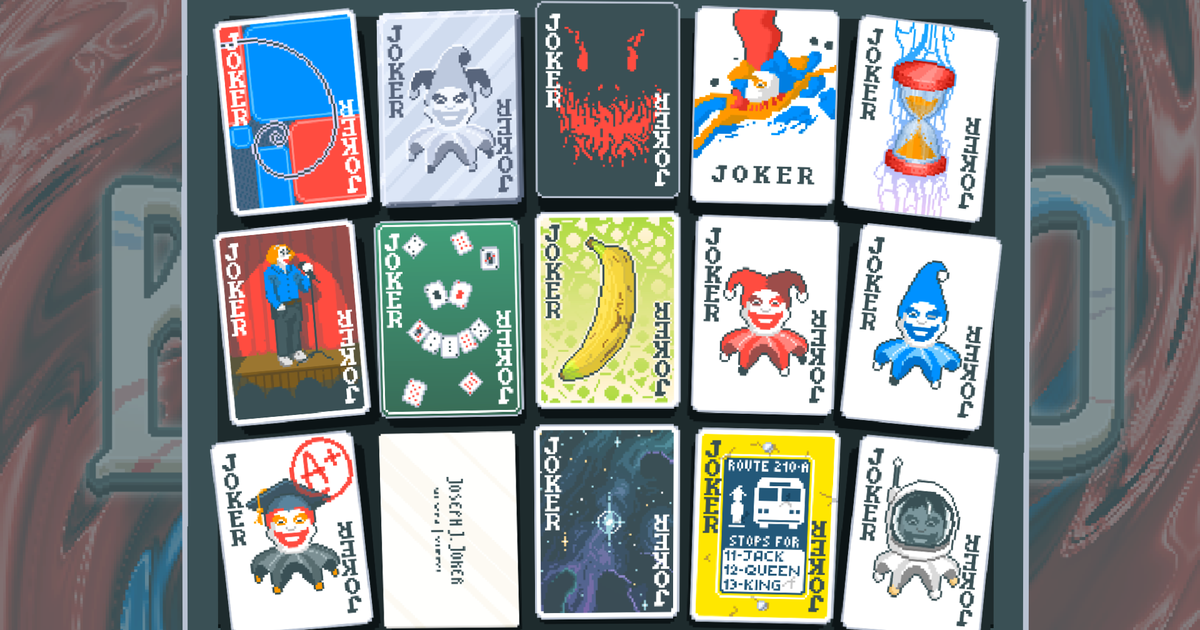
At the heart of Playstack’s identity, as articulated by Harvey Elliott, is its self-proclaimed role as a "variety publisher." This ethos underpins its strategy of curating an "eclectic" lineup of games, resisting the urge to specialize in a single genre or niche. This commitment to diversity has been a cornerstone of their success, allowing them to tap into varied player bases and market segments. The recent string of hits, from the card-battling roguelike Balatro to the intricate cooperative survival game Abiotic Factor, and the charming coin-pushing simulator Raccoin, exemplifies this wide-ranging approach.
Elliott proudly outlined the publisher’s robust future pipeline, demonstrating a significant degree of foresight and planning. "The firm has nine releases planned for this year, and knows ‘everything but perhaps one game for next year, and we’ve got a really good slate for 2028,’" he stated. This long-term visibility into their publishing schedule speaks volumes about the company’s proactive engagement with developers and its confidence in identifying promising projects early on. A significant portion of this upcoming slate, Elliott noted, will comprise original IP, a testament to Playstack’s dedication to fostering new ideas and fresh experiences rather than solely relying on established franchises. While they have successfully delivered sequels for popular series like The Last Case of Benedict Fox (formerly Golden Idol) and Mortal Shell, the emphasis remains firmly on innovation.
The "eclectic" nature of their upcoming titles will continue to be a defining characteristic. "The range is going to be eclectic, and that’s what we like, the variety publisher angle," Elliott reiterated, emphasizing that this diversity is not merely a byproduct but a deliberate strategic choice. This approach not only caters to a broader audience but also mitigates risks by diversifying their portfolio across different genres and market trends. Furthermore, Playstack is not resting on its laurels with its current blockbusters. Elliott stressed, "We’re also not losing sight of games like Balatro and Abiotic Factor, which have such phenomenal reach already, and there’s more we can do helping those games reach more and more players." This indicates ongoing support, potential content updates, and continued marketing efforts for their established successes, maximizing their long-term value.
Playstack’s remarkable track record, which includes TruFin’s previous claim of an over 85% return on investment for backed titles, is not accidental. Elliott attributes this success to a combination of rigorous data and analytics, coupled with a deeply ingrained "people business" approach. The company employs sophisticated market understanding to identify "what might be the start of a new genre or category or subcategory." However, Elliott emphasized that technology alone isn’t sufficient. "This is a people business, and people on the ground talking to developers is generally how you find out about things," he explained. This human element, fostering direct relationships with creators, is crucial for discovering hidden gems and truly understanding the potential of a project. The recent success of Raccoin, which sold over 650,000 copies and was signed after developer Doraccoon approached Playstack directly, serves as a prime example of this philosophy in action. This blend of analytical rigor and personal connection allows Playstack to identify, nurture, and successfully launch a diverse array of games, reinforcing its reputation as a leading "variety publisher."
Strategic Investment and Sustainable Growth
Playstack’s approach to investment and financial partnerships with developers is a cornerstone of its business model, reflecting a deep commitment to sustainable growth and ethical publishing practices. Harvey Elliott highlighted one of the "fundamental rules of the business": "we won’t make a penny out of a game until the developers are making money from the game." This developer-first philosophy is not merely a marketing slogan but a practical, foundational principle that shapes Playstack’s entire investment strategy. It places the financial success of the creative teams at the forefront, fostering trust and aligning incentives between publisher and developer.

To uphold this commitment, Playstack relies on an exceptionally "rigorous forecasting process" for every title it considers. This involves in-depth market analysis, audience segmentation, competitive landscaping, and meticulous financial modeling. The goal is to accurately predict a game’s commercial viability and ensure that the investment made by Playstack has a high probability of generating returns for both parties. This stringent due diligence is a key factor behind the impressive success rate previously touted by TruFin, where over 85% of backed titles generated a return on investment. It’s a testament to Playstack’s ability to identify promising projects and manage financial risks effectively, even in the highly volatile indie games market.
In terms of investment scale, Playstack currently operates with a diversified portfolio. Elliott clarified their typical investment structure: supporting "games that are sub a million dollars investment spend, but we have every year one or two, possibly a couple more, that are a bit beyond that." These larger bets are not arbitrary but are made when "the numbers support it, the justification is there, the team are passionate about it, we believe in the game and the creative." This balanced approach allows Playstack to nurture a broad range of smaller, innovative projects while also having the capacity to back more ambitious titles that demonstrate exceptional potential.
The acquisition by IMC, with its significantly greater scale and financial backing, introduces new possibilities for Playstack’s investment capacity. Elliott acknowledged this enhanced capability, stating, "the capacity’s definitely there" with the new owner to make bigger bets. However, he also tempered this with his characteristic prudence: "I’m always going to work from the numbers. Just because you can do something doesn’t mean you should do something." This pragmatic stance underscores Playstack’s commitment to data-driven decision-making, ensuring that any increase in investment size is justified by thorough analysis rather than simply by newfound financial muscle. The immediate implication of this backing, Elliott suggested, could be "maybe investing in titles for a slightly longer timescale, but not a fundamental change" to their core investment philosophy. This means Playstack could offer developers more flexibility in development timelines, allowing for greater polish and scope without immediate financial pressure, further strengthening its appeal as a developer-friendly publisher.
Looking Ahead: Expansion and Uncharted Territories
With the foundational stability provided by IMC and the reaffirmed autonomy, Playstack is now poised to explore an array of future growth avenues, expanding its influence and reach within the global gaming landscape. Harvey Elliott articulated a vision of boundless potential, unencumbered by the financial constraints that might have previously limited the company’s ambitions.
"I think there’s lots of potential for us, whether that’s growing PlayStack, whether we look at opening up in new markets or growing other opportunities," Elliott mused, highlighting a multifaceted approach to expansion. Growing Playstack itself could involve an organic increase in its publishing output, potentially taking on more projects annually while maintaining its rigorous selection process. It could also mean a strategic expansion of its internal teams, bolstering capabilities in areas like marketing, business development, or even exploring new technological frontiers within game publishing. The newfound scale and financial capacity under IMC provide the bedrock for such organic growth, allowing Playstack to scale its operations without compromising its core values or developer support.
Beyond internal growth, the prospect of "opening up in new markets" represents a significant opportunity. The global gaming market is incredibly diverse, with distinct regional preferences, cultural nuances, and distribution channels. Playstack, currently strong in Western markets, could leverage IMC’s resources and connections to establish a more robust presence in emerging markets across Asia, South America, or other regions. This could involve localized marketing strategies, partnerships with regional distributors, or even identifying developers within these markets to publish games tailored for local audiences. Such geographical expansion would not only diversify Playstack’s revenue streams but also reinforce its image as a truly global "variety publisher."
Furthermore, the phrase "growing other opportunities" is deliberately broad, hinting at a willingness to explore innovative ventures beyond traditional game publishing. This could encompass investing in new forms of interactive entertainment, exploring cutting-edge technologies like VR/AR gaming, or even delving into transmedia projects that extend the life and lore of their successful game IPs into other forms of media. While Elliott has been clear about the lack of integration with IMC’s media arms like Fandom and GameSpot, the sheer proximity and potential for cross-pollination of ideas and insights could naturally lead to exploring such synergistic opportunities in the future.

The most significant takeaway from Elliott’s forward-looking statements is the removal of previous barriers. "What we don’t feel now, which we might have felt before, is that there’s a barrier on whether we choose to do something, whether we’ve got the ability to do it," he affirmed. This sentiment underscores a newfound sense of liberation and empowerment. Under TruFin, while successful, Playstack’s growth was pushing the limits of what its parent company could comfortably support, creating implicit barriers to making larger, more ambitious strategic moves. IMC’s scale effectively dismantles these limitations, granting Playstack the freedom to pursue its strategic goals with greater confidence and fewer financial or logistical inhibitions. This freedom is critical for a company that prides itself on backing innovation and taking calculated risks.
Elliott’s confident outlook, particularly his assurance of a strong game slate through 2028, paints a picture of a company ready not just to maintain its current trajectory but to accelerate it. The combination of sustained autonomy, enhanced financial backing, and a clear strategic vision positions Playstack for continued success and an exciting future at the forefront of indie game publishing.
Conclusion
The acquisition of Playstack by Integrated Media Company marks a pivotal moment for the dynamic indie publisher, yet one that promises continuity and enhanced potential rather than disruptive change. Harvey Elliott’s clear and consistent messaging underscores a future where Playstack retains its unique identity, operational autonomy, and developer-first ethos. The transition, driven by Playstack’s remarkable growth under TruFin, strategically positions the company within a larger entity that can provide the necessary scale without dictating creative direction or demanding operational integration.
Playstack’s commitment to its "eclectic" lineup, supported by rigorous data analysis and a "people business" approach, remains unwavering. With a robust pipeline extending through 2028, a steadfast dedication to its successful titles like Balatro and Abiotic Factor, and an investment strategy that prioritizes developer success, Playstack is set to continue its influential role in the indie gaming landscape. The new ownership provides the capacity for larger, longer-term investments, and crucially, removes previous financial barriers, opening doors to new markets and unexplored opportunities. As Playstack embarks on this new chapter, it does so with confidence, fortified by its proven track record and a clear vision for an expansive, diverse, and sustainable future.


 Lina Irawan
 Sagoh
Sagoh