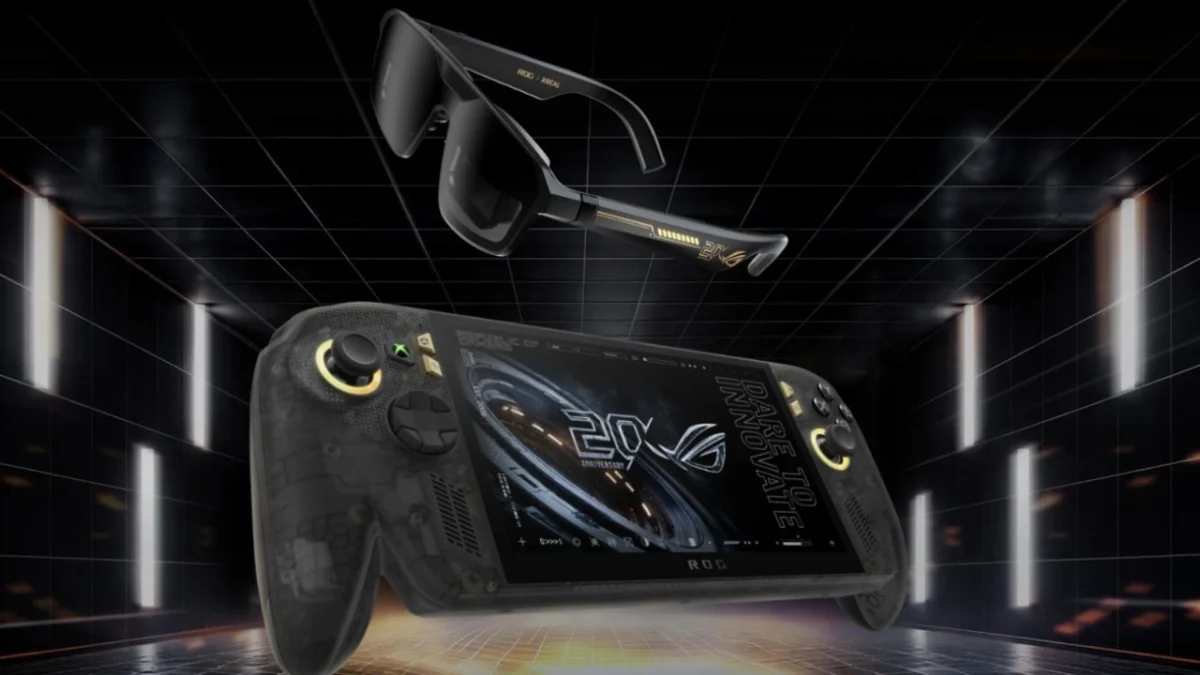
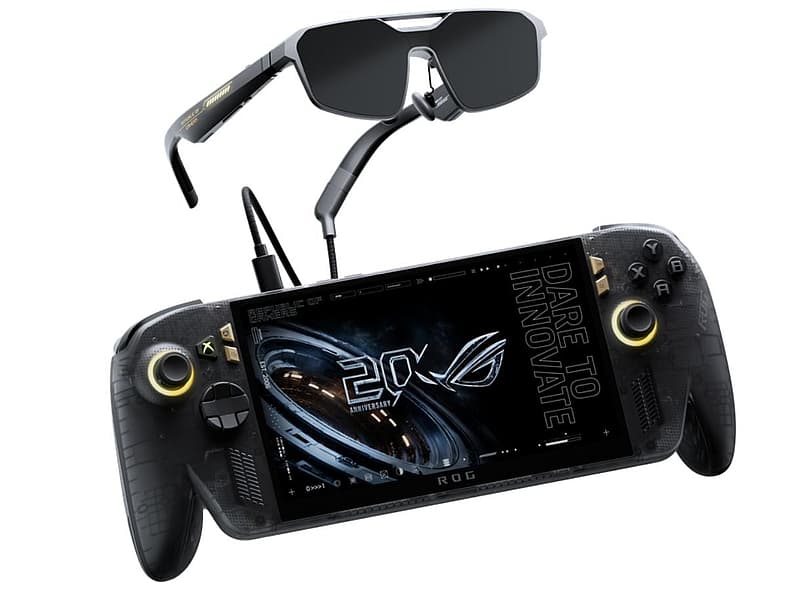
The portable gaming landscape is undergoing a radical transformation, and ASUS is positioning itself at the very forefront of this shift. Following the high-profile reveal of its latest handheld iteration—the OLED ROG Ally X20—alongside a suite of augmented reality (AR) hardware last month, the company has officially confirmed that the device will be available as a standalone purchase.
For many enthusiasts, this news comes as a significant relief. While the initial unveiling tied the cutting-edge handheld to a bundle featuring premium AR glasses, the decision to decouple the two products signals a more consumer-friendly approach, allowing gamers to invest in the hardware they want without the financial burden of high-end peripherals they might not need.
The Evolution of the ROG Ally: Main Facts and Technical Specifications
The ROG Ally X20 represents a substantial leap forward for ASUS’s Republic of Gamers (ROG) handheld division. Moving beyond the iterative updates seen in previous generations, the X20 is engineered to compete directly with the highest-tier mobile gaming devices on the market.
At its core, the device is powered by the cutting-edge AMD Ryzen AI Z2 Extreme chip. This processor, designed specifically for high-performance portable gaming and AI-accelerated tasks, promises a significant boost in both frame rate stability and power efficiency. Complementing this processing power is a robust 24GB of LPDDR5X RAM, ensuring that even the most demanding AAA titles can run with smooth multitasking and minimal latency.
Perhaps the most striking upgrade is the display. The transition to an OLED panel addresses one of the primary criticisms of the original ROG Ally—color accuracy and black levels. The new OLED screen provides deeper blacks, vibrant color saturation, and improved power management, making it an essential upgrade for users who prioritize visual fidelity. Furthermore, the device boasts a generous 1TB of onboard storage, a welcome standard in an era where modern game file sizes frequently exceed 100GB.
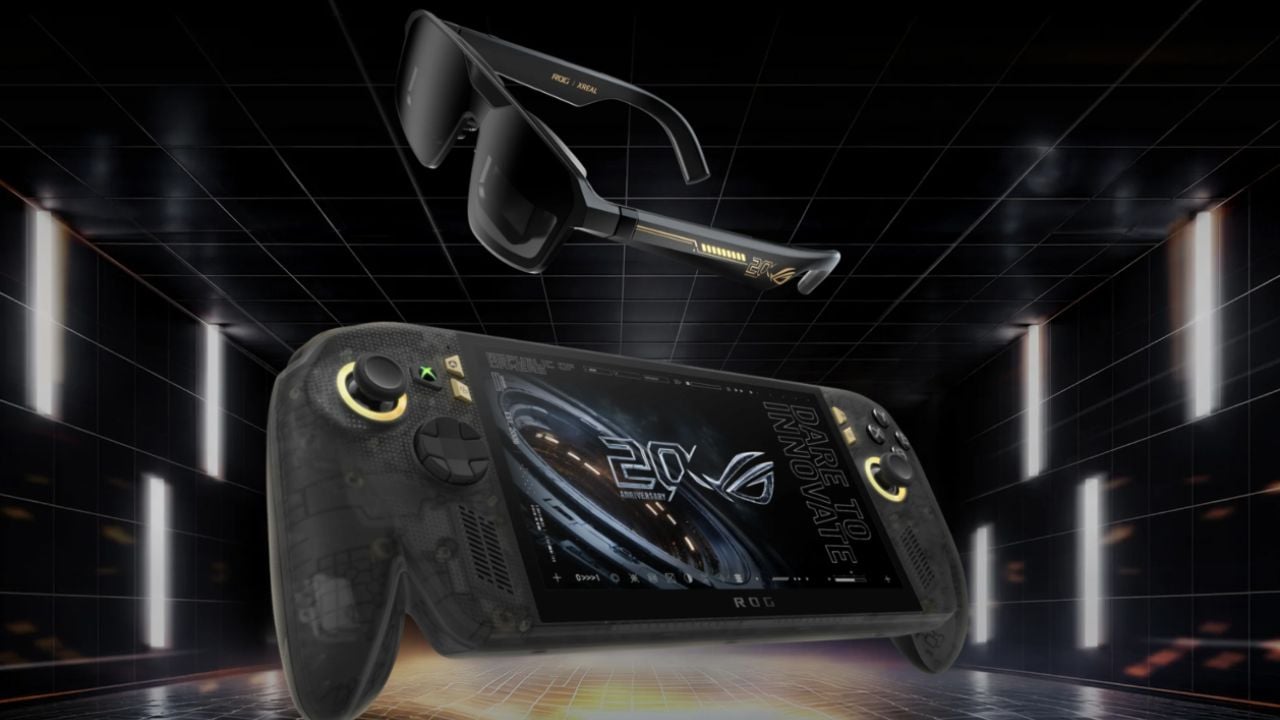
Beyond the internal silicon, ASUS has refined the physical ergonomics of the device. Feedback from the original Ally has been integrated into the X20’s design, resulting in improved face buttons and an adjustable D-pad. These refinements are intended to enhance tactile feedback and precision, particularly in fighting games and platformers that demand rapid, accurate inputs.
A Chronology of the Announcement
The trajectory of the ROG Ally X20 has been marked by rapid development and strategic marketing.
- Initial Teasers: Rumors regarding an "Ally X" successor began circulating in late spring, with enthusiasts speculating on battery life improvements and panel upgrades.
- The Reveal: Last month, ASUS officially debuted the Ally X20 during a global product showcase. At the time, the focus was heavily on the "ecosystem" approach, pairing the console with new AR glasses to create a portable "theatre-like" experience.
- Market Reception: While the tech press praised the specifications, the bundling strategy was met with skepticism. Given that the AR glasses alone carry an MSRP of approximately $850, the potential total cost of the bundle threatened to push the price into the $1,500–$2,000 range—placing it well outside the impulse-buy category for most gamers.
- The Pivot: Recognizing the market demand for a pure gaming machine, ASUS representatives confirmed to media outlets, including The Verge, that a standalone version of the Ally X20 is currently in development.
Official Responses: What ASUS Is Saying
ASUS has maintained a cautious but transparent stance regarding the standalone release. In a recent statement provided to The Verge, an ASUS spokesperson confirmed that the company is actively working to bring the device to shelves as a separate SKU.
"We are actively discussing the release schedule for a standalone version of the new Ally," the spokesperson noted. "Please stay tuned for upcoming announcements."
While the company has stopped short of providing a firm launch date or specific pricing, the confirmation serves as a vital signal to the market. It indicates that ASUS is listening to its user base, which has consistently lobbied for hardware-first, accessory-optional purchasing models. By acknowledging the demand, ASUS is effectively managing the hype cycle, preventing potential customers from defecting to competitors like the Valve Steam Deck or the Lenovo Legion Go.
The Economic Context: Implications of Pricing and Availability
The question of price remains the most significant variable in the Ally X20’s success. The current market for handheld PCs is highly sensitive to price-to-performance ratios.
When the original ROG Ally launched, it was praised for its aggressive $600 starting price, with the top-tier model landing at $1,000. The X20, with its superior OLED screen and advanced Z2 Extreme chip, faces a challenging economic climate. Component costs—specifically for high-quality OLED panels and advanced memory modules—have seen a rise in volatility due to ongoing global hardware supply chain issues.
If the standalone Ally X20 is priced too close to the $1,000 mark, it risks alienating the core demographic of portable gamers who are already accustomed to the more affordable pricing of the Steam Deck. However, if ASUS can successfully market the device as a "premium" alternative that replaces the need for a dedicated gaming laptop, they may justify a higher price point.
The inclusion of the Z2 Extreme chip also suggests that ASUS is looking toward the future of local AI gaming. As developers begin to implement AI-driven upscaling and frame generation that runs locally on the handheld, the X20 could potentially offer a longevity that cheaper, aging hardware cannot match.
Looking Ahead: The Future of Handheld Ecosystems
The shift toward a standalone model suggests that ASUS is attempting to balance two competing strategies: building a "Republic of Gamers" ecosystem that includes AR, displays, and peripherals, and satisfying the "PC gamer" desire for modular, high-performance hardware.
For the industry at large, the ROG Ally X20 represents a maturing of the handheld market. We have moved past the "proof of concept" phase, where manufacturers were simply trying to make x86 architecture fit into a small chassis. We are now in the "refinement phase," where features like OLED panels, refined D-pads, and AI-optimized chips are becoming the expected standard.
As we await further announcements from ASUS, the focus for potential buyers will remain on two things: the exact release date and the final price point. If ASUS can land the standalone X20 at a competitive price—ideally bridging the gap between the mid-range and high-end handhelds—it could solidify the company’s position as the dominant player in the Windows-based handheld market.
For now, the message to consumers is clear: ASUS is listening. Whether you are a fan of the AR experience or simply looking for the most powerful handheld gaming machine on the market, the ROG Ally X20 is shaping up to be one of the most important hardware releases of the year. Stay tuned to our coverage as we continue to track the official pricing and availability dates for this highly anticipated device.