

Introduction: A New Frontier for Earth’s Mightiest Heroes
The landscape of global comic book publishing underwent a significant shift when Marvel Entertainment, in collaboration with Disney Korea and the prominent South Korean digital platform Daum, unveiled Avengers: Electric Rain. This project represents more than just a localized translation of American source material; it is a bespoke, original webtoon series crafted specifically for the Korean market. Featuring the iconic Avengers roster integrated into the heart of Seoul, the series introduces a brand-new character to the Marvel canon, signaling a strategic pivot toward localized content in one of the world’s most robust digital comics markets. At the center of this creative endeavor is the acclaimed Korean artist Younghoon Ko, whose distinct visual style brings a manhwa-inspired energy to the legendary heroes.
The Genesis of the Collaboration
The Rise of the Webtoon Format
Webtoons—manhwa-style comics serialized for vertical scrolling on digital platforms—have become a dominant cultural force in South Korea. Platforms like Daum and Naver have revolutionized how stories are consumed, prioritizing accessibility and high-frequency updates. Recognizing the immense popularity of these platforms, Marvel Entertainment sought to bridge the gap between their global intellectual property and the hyper-localized habits of Korean readers.

Avengers: Electric Rain was conceived not merely as a translated American book, but as a culturally immersive narrative. By setting the action in Seoul, the creators utilized the city’s dense urban geography to provide a backdrop that feels grounded and relevant to the local audience. This collaboration, facilitated by Disney Korea, serves as a high-profile case study in how Western media giants can successfully adapt their "Big Two" superhero brands for non-Western digital ecosystems.
Younghoon Ko: The Artistic Visionary
The selection of Younghoon Ko as the lead artist was a calculated move to ensure the series resonated with the aesthetic expectations of the manhwa audience. Ko’s work on Electric Rain manages to preserve the core visual identities of characters like Iron Man, Captain America, and Thor while adapting their designs to fit the fluid, high-octane pacing characteristic of top-tier Korean webtoons. The result is a fusion of Western character design and Eastern visual storytelling techniques, creating a unique aesthetic that feels both familiar to long-time Marvel fans and fresh to the local webtoon demographic.

Chronology of the Project
The development of Avengers: Electric Rain can be categorized into three distinct phases:
- Phase I: Strategic Planning and Licensing (Early 2014): Marvel and Disney Korea initiate negotiations with Daum to develop an original IP. The goal is to provide a "Korean-centric" Marvel experience, moving away from the standard practice of merely republishing domestic US content.
- Phase II: Creative Integration and Production: Artist Younghoon Ko begins the development of the script and storyboards. The creative team focuses on integrating the Avengers into the South Korean capital, incorporating local landmarks and cultural nuances into the narrative arc.
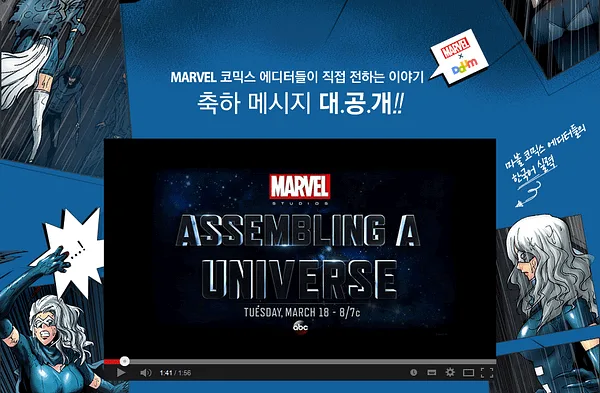
- Phase III: The Global Reveal and Launch: The project is announced to the wider comic community. The launch is accompanied by a series of promotional interviews featuring Marvel’s top editorial brass, including C.B. Cebulski, Axel Alonso, and Tom Brevoort, highlighting the importance of the project to the Marvel brand’s international expansion.
Supporting Data: Why Korea Matters
The decision to launch an original Marvel webtoon in Korea is backed by significant market data. South Korea boasts one of the most sophisticated digital infrastructure networks in the world, facilitating a massive adoption of mobile-first content consumption.

- Market Penetration: Daum and its competitor platforms command millions of daily active users, a demographic that is heavily invested in episodic storytelling.
- Cultural Export: South Korean webtoons have begun to transcend national borders, finding massive success in international markets. By investing in this format, Marvel is not only capturing the Korean market but also experimenting with a medium that is rapidly gaining traction in the West.
- Brand Synergy: The "Avengers" brand, bolstered by the success of the Marvel Cinematic Universe (MCU), holds immense brand recognition in Korea. Electric Rain capitalizes on this by providing a gateway for moviegoers to enter the world of comics through a format they already prefer.
Official Responses and Editorial Perspectives
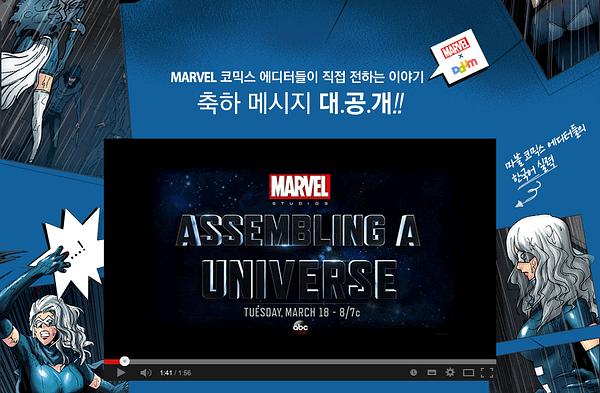
The announcement of Electric Rain drew significant attention from the Marvel editorial team. In a series of promotional clips, heavy hitters including Axel Alonso (then Editor-in-Chief), Tom Brevoort (Executive Editor), and C.B. Cebulski (who would later become Editor-in-Chief) discussed the project.
The commentary from these industry veterans highlighted a genuine enthusiasm for the project, though it was not without its moments of levity. The editorial staff’s attempts to engage with the Korean language during these promotional interviews became a minor point of amusement within the industry—a testament to the challenge of bridging linguistic and cultural barriers.

However, the core message remained clear: Marvel was committed to "getting it right." As noted by the editors, the success of Electric Rain relied heavily on the autonomy granted to local creators. Younghoon Ko’s role was described as pivotal, as he was entrusted with the responsibility of ensuring the characters acted and interacted within a setting that felt authentic to a Korean readership, rather than a forced or stereotypical depiction of Korea through a Western lens.
The Introduction of a New Avenger
Perhaps the most significant narrative implication of Electric Rain is the introduction of an entirely new character to the Avengers roster. This original character, crafted specifically for the webtoon, serves as the audience surrogate and the bridge between the traditional Avengers team and the Korean setting.

This creative choice serves two purposes:
- Narrative Freshness: It provides a new perspective through which veteran readers can view the Avengers, avoiding the stagnation that can sometimes plague long-running franchises.
- Market Appeal: By creating a character that represents the Korean audience, Marvel fosters a sense of ownership and local pride, which is essential for the long-term viability of international comic properties.
Implications: The Future of Global Comics
The success of Avengers: Electric Rain poses broader questions about the future of global comic book publishing.

Decentralization of Content
Marvel has traditionally operated from a centralized creative hub in New York. Electric Rain proves that the company is capable of decentralizing production, allowing regional branches and local talent to drive the creative process. This model could be replicated in other key markets like China, Japan, or Southeast Asia, where digital comics are thriving.
The Death of the "One-Size-Fits-All" Strategy
The days of pushing a single US-centric product globally are likely numbered. The success of this collaboration suggests that the future of comic book intellectual property lies in hybridization—taking globally recognized brands and filtering them through local creative sensibilities and formats.
The Evolution of the Webtoon Format
As webtoons continue to gain popularity in the West, major publishers are increasingly looking at the vertical-scrolling format as a viable alternative to the traditional printed page. Electric Rain stands as an early, successful experiment in this space, demonstrating that the format is perfectly suited for high-action, superhero storytelling.
Conclusion: A Testament to Creative Exchange
Avengers: Electric Rain remains a landmark project that highlights the benefits of cross-cultural creative exchange. Through the partnership between Marvel and Daum, and the stellar work of artist Younghoon Ko, the project has successfully navigated the complexities of international licensing, artistic adaptation, and local market preferences.

For the comic industry, this project serves as a roadmap. It shows that when global intellectual property is placed in the hands of talented local creators, the result is not a dilution of the brand, but an enrichment of it. As Marvel continues to navigate a changing global landscape, the lessons learned from the streets of Seoul in Electric Rain will undoubtedly influence how the Avengers—and their counterparts—are told in the years to come. The series is a clear signal that the future of comics is not just in the pages of a printed book, but on the screens of millions, evolving in real-time, and speaking the language of a global audience.










No comments yet. Be the first to join the conversation!