Neng Nana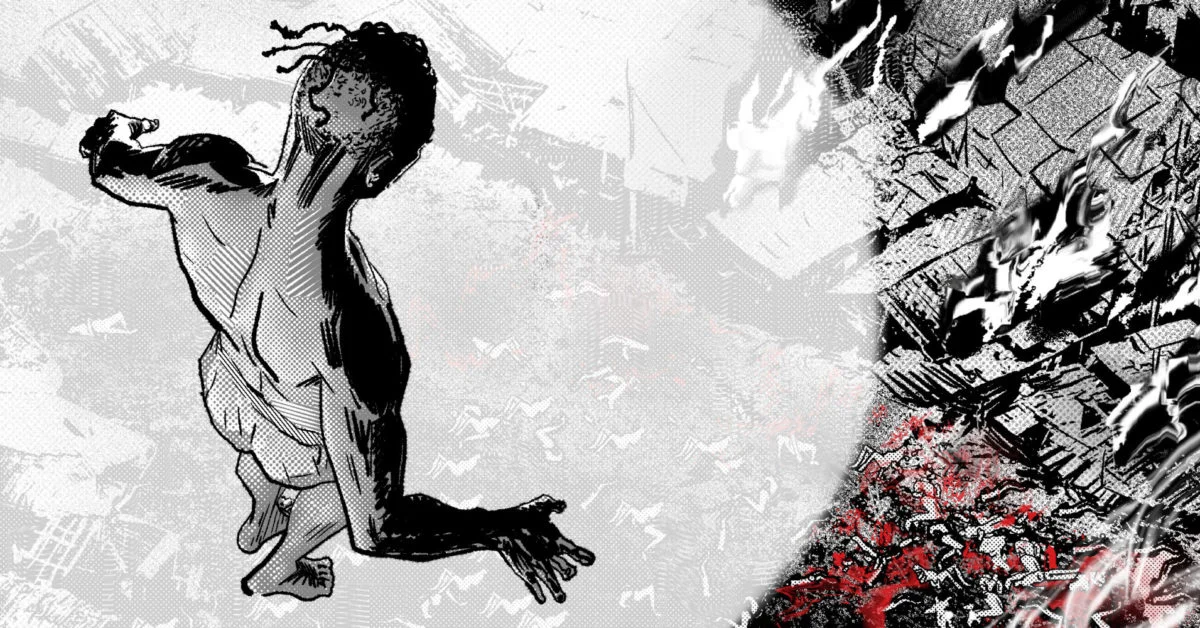
In the landscape of modern comic book storytelling, few titles have managed to capture the zeitgeist of the early 2020s with as much chilling, accidental precision as AWA Studios’ The Resistance. As the world grappled with the unprecedented reality of a global pandemic, J. Michael Straczynski’s narrative of a society shattered by a viral catastrophe—and the subsequent emergence of a superpowered populace—transitioned from high-concept science fiction to something uncomfortably resonant. Now, AWA Studios and their Upshot imprint are set to peel back the layers of this world with The Resistance: Reborns, a digital-first mini-series that promises to illuminate the darkest corners of their shared universe.
Launching on Wednesday, June 17, The Resistance: Reborns arrives on the heels of the success of the flagship title, offering fans an intimate look at the individual tragedies and transformations that defined the "Great Death."
The Genesis of a Superpowered World
At the heart of the Resistance universe is a premise that functions as a dark reflection of our own reality. In the main series, a global pandemic strikes, resulting in the deaths of hundreds of millions of people. In the wake of this mass casualty event, a tiny fraction of the survivors—the "Reborn"—suddenly manifest superhuman abilities. This is not a story of capes and altruistic crusades, but one of societal collapse, governmental overreach, and the terrifying ambiguity of power in the hands of the traumatized.
The Resistance: Reborns functions as a thematic expansion, moving away from the macro-political maneuvering of the flagship title to focus on the micro-level experiences of the newly powered. By utilizing a "vignette" format, creator J. Michael Straczynski aims to flesh out characters who were originally glimpsed only for a fleeting moment in the background of the main series’ second issue.
Chronology and Narrative Structure: The "Comic Book Haiku"
The structure of The Resistance: Reborns represents a departure from traditional monthly floppy releases. Straczynski, known for his masterful world-building in projects like Sense8 and Superman: Earth One, describes the format of this series as a "comic book haiku."
The series is composed of five distinct vignettes, each focusing on the origin of a specific survivor. These narratives are categorized by the archetypes of their transformation:
- The Mad: Exploring the psychological cost of sudden, uncontrolled power.
- The Lost: Focusing on the isolation and identity crises faced by those who no longer fit into a broken society.
- The Dangerous: Examining the volatile intersection of trauma and lethal ability.
- The Hidden: Dealing with those who must suppress their newfound nature to survive a fearful public.
- The Transcendent: Looking at the philosophical implications of evolving beyond humanity.
These stories serve to bridge the gap between the onset of the "Great Death" and the ongoing geopolitical tensions depicted in the flagship Resistance title. By focusing on these five stories, AWA Studios is laying the groundwork for a much larger, interconnected web of characters that will likely play pivotal roles in the future of the franchise.
Artistic Collaboration: C.P. Smith’s Visual Language
The success of such an intimate, character-driven project relies heavily on the synergy between writer and artist. Joining Straczynski on this project is the acclaimed artist C.P. Smith, known for his work on Archangel 8. Smith’s aesthetic, characterized by sharp, moody lines and a gritty, atmospheric use of shadow, fits perfectly with the grounded, post-apocalyptic tone of the AWA universe.
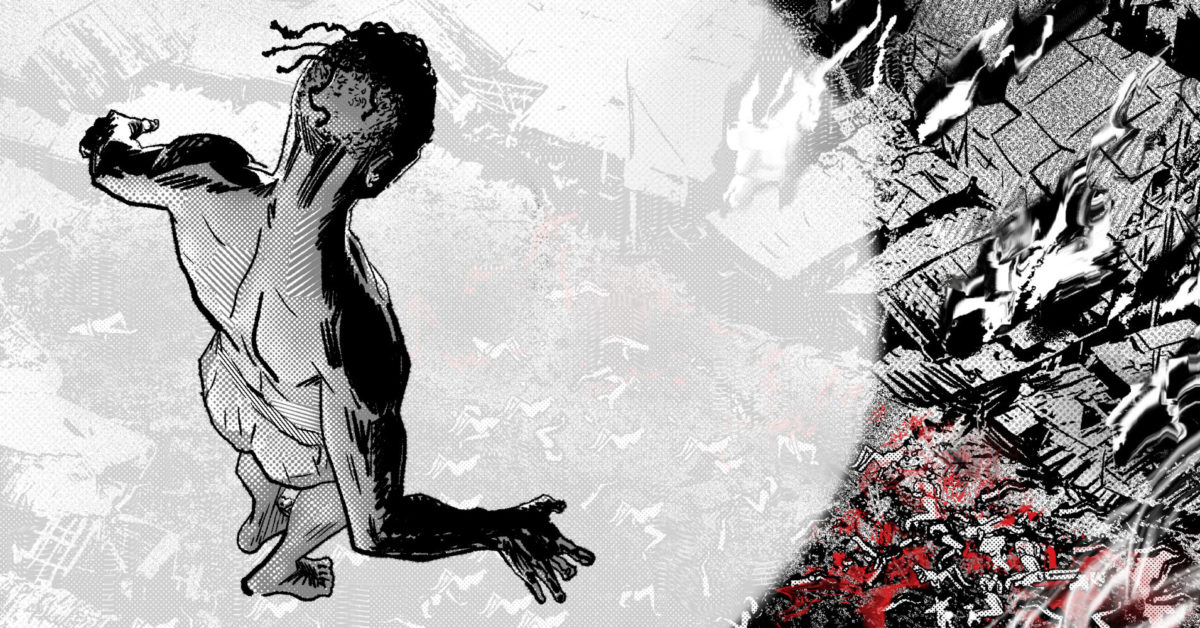
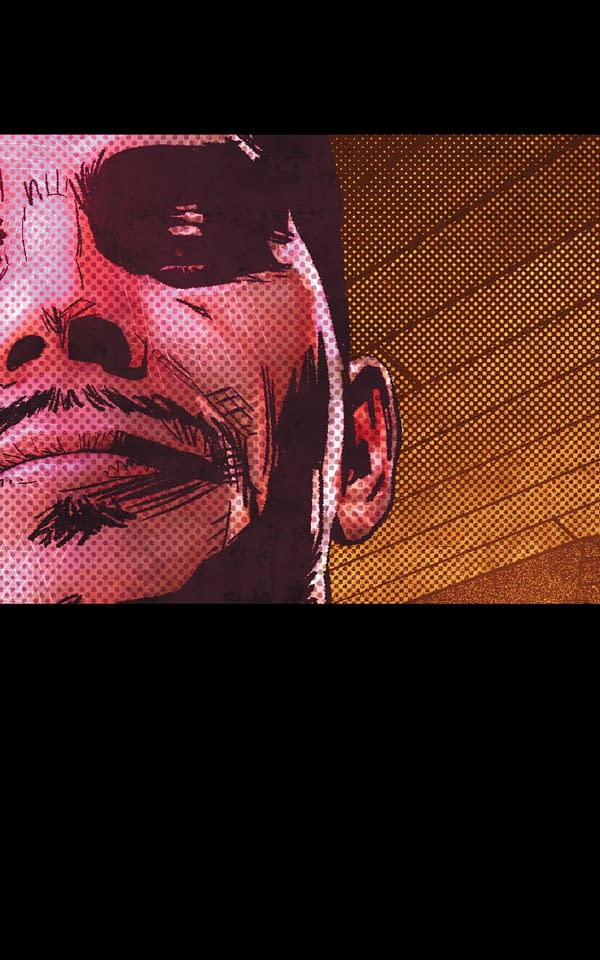
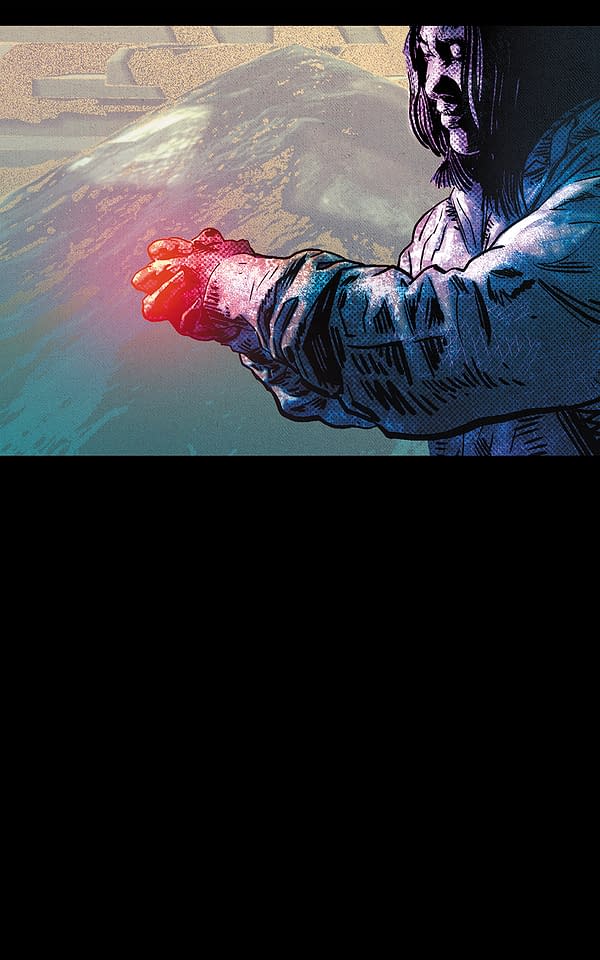
Smith’s ability to translate "strange and sad and demented and scary" concepts into visual storytelling is central to the project’s success. The panels released ahead of the debut demonstrate a focus on environmental storytelling—the wreckage of a world in decline, the isolation of the individuals within it, and the visceral, often unsettling nature of the "Reborn" powers.
Official Responses and Creative Intent
The creative team behind the series has been vocal about the unusual timing of the book’s release. Axel Alonso, AWA Studios’ Editor-in-Chief, noted the eerie parallels between the fiction and the real world.
"When The Resistance #1 hit stores in March, who could have predicted that the story it told would mirror reality so starkly?" Alonso remarked during the announcement. "Who could have guessed that a global pandemic would grip the world by its throat?"
For Straczynski, the project is a dream scenario for a world-builder. "The great thing about having the privilege of writing The Resistance," he stated, "is that I get to go way deep into the characters, the history of all this, the politics, how the powers work… and for a world-builder, there’s not much better than that."
Straczynski’s enthusiasm for the project is tempered by a hint of foreshadowing. When asked about the longevity of these new characters, he offered a cryptic promise: "And we may be seeing some of them again rather soon…"
Digital Accessibility and Industry Implications
One of the most significant aspects of The Resistance: Reborns is its distribution strategy. AWA Studios has positioned itself as a pioneer in the "digital-first" space, ensuring that the title is available not just on their proprietary platform, AWAStudios.net, but also on major webcomic aggregators like Webtoons and Tapas.
This approach acknowledges a fundamental shift in how comic readers consume media. By leveraging platforms that cater to a younger, mobile-first demographic, AWA is attempting to bridge the gap between traditional direct-market comics and the burgeoning webtoon market. This strategy is essential for the growth of independent studios, as it lowers the barrier to entry for readers who might be intimidated by the legacy continuity of the "Big Two" (Marvel and DC) but are eager for high-quality, creator-owned speculative fiction.
The Broader Impact: Why This Matters
The release of The Resistance: Reborns is more than just a spinoff; it is a proof-of-concept for the AWA Upshot model. By building a shared universe that is as reactive to real-world trauma as it is to genre tropes, the studio is creating a distinct identity in a crowded market.
The focus on "The Great Death" and the subsequent rise of the superpowered population allows the series to explore themes of government surveillance, social inequality, and the ethics of public safety—themes that remain at the forefront of the cultural conversation. By choosing to tell these stories as vignettes, Straczynski and Smith avoid the "event fatigue" that often plagues large-scale superhero sagas, choosing instead to prioritize the human element.
As The Resistance: Reborns hits digital shelves this June, it represents a bold step forward for AWA Studios. Whether it will succeed in capturing the imagination of a global audience remains to be seen, but the intent—to produce smart, challenging, and visually striking science fiction—is clear. For those following the evolution of the independent comic book industry, this series will likely be seen as a bellwether for the success of digital-first, high-concept storytelling.
Conclusion: Looking Ahead
With the Resistance universe rapidly expanding, the addition of The Resistance: Reborns ensures that the world remains vibrant, dangerous, and deeply human. As readers prepare to delve into these five origin stories, they are invited not just to read a comic, but to witness a study of what happens when the foundation of civilization is swept away and something new—something potentially more dangerous—is left in its place.
For the team at AWA Studios, the journey has only just begun. With the creative backing of industry titans like Straczynski and the keen editorial eye of Axel Alonso, the studio is well-positioned to turn this spinoff into a foundational pillar of their growing library of stories. As the "Reborn" continue to emerge from the ashes of the pandemic, audiences can expect the stakes to continue to rise, both for the characters on the page and the industry that produces them.

 Pevita Pearce