In the rapidly evolving landscape of global entertainment, the boundary between static sequential art and dynamic screen performance is dissolving. The latest proof of this shift comes from Lezhin Entertainment, which recently announced that its critically acclaimed webtoon, Big See, is set to receive a groundbreaking digital drama adaptation. Produced in collaboration with the South Korean media powerhouse Kakao M, the project promises to marry live-action performance with avant-garde animation, signaling a new era for mobile-first storytelling.
The Convergence of Mediums: The Rise of the Webtoon
To understand the significance of the Big See adaptation, one must first appreciate the cultural dominance of the webtoon format. Originating in South Korea, webtoons have revolutionized the traditional comic book experience. By leveraging a vertical-scrolling, mobile-optimized format, these digital comics have transcended geographical and linguistic barriers, amassing tens of millions of readers across the globe.
Unlike traditional print comics, which are constrained by page turns and static panels, webtoons offer an immersive, seamless reading experience perfectly tailored for the smartphone generation. This accessibility has made them a goldmine for television and film production companies seeking intellectual property with a built-in, fervent fanbase. Big See stands at the forefront of this trend, serving as a testament to the emotional depth and narrative complexity that modern digital comics can achieve.
The Narrative Core of ‘Big See’
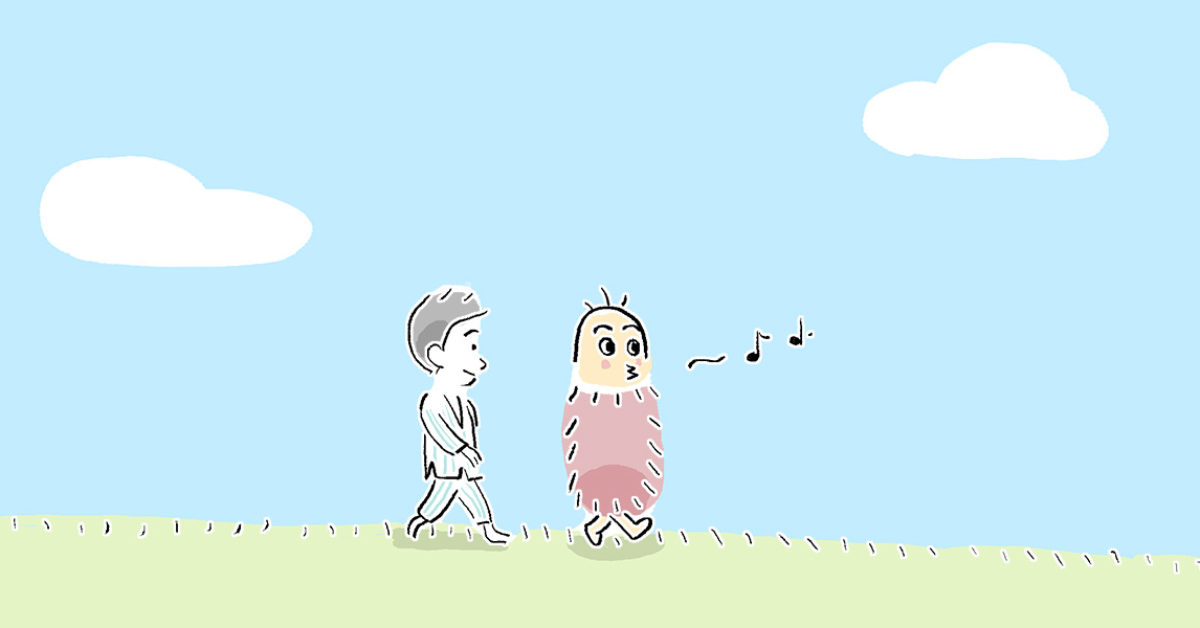
At the heart of this adaptation is the work of visionary creator Kim Botong. Big See is a poignant, somber exploration of the human condition, centered on a young man navigating the harrowing final stages of a terminal cancer diagnosis. It is a story of introspection, the fragility of life, and the blurred lines between reality and the subconscious.
The source material is not merely a popular comic; it is a cultural landmark. It holds the distinction of being the first title to ever receive South Korea’s prestigious "Manhwa of the Day" prize—a recognition that solidified its status as a piece of high-quality literature. With over 20 million views worldwide, the webtoon has resonated deeply with audiences by treating its heavy subject matter with grace, dignity, and a unique visual language.
Chronology: From Digital Page to Screen
The path from a successful digital comic to a televised drama is rarely a straight line. For Big See, the journey began with its breakout success on the Lezhin Comics platform, where it garnered a massive following. Following the commercial and critical success of his other work, D.P. Dog’s Day—which is currently being adapted into a highly anticipated Netflix original series—Kim Botong’s profile as a writer of significant weight grew.
Lezhin Entertainment, led by CEO Lee Sung Eob, recognized the potential for a multimedia experience early on. In 2018, the company acquired Lezhin Studio, a film production entity specifically designed to bridge the gap between their library of webtoons and the global screen market. This strategic acquisition allowed for the development of projects like Method and Chomi’s Interest.
The formal announcement regarding the Big See adaptation was made on August 4th, marking the commencement of a production timeline that aims for a release in the latter half of 2020. This schedule is tight, reflecting the agile nature of digital-first production models designed for quick consumption on platforms like KakaoTalk.
The Technical Vision: A Hybrid Approach
Perhaps the most intriguing aspect of the Big See adaptation is its stylistic commitment to hybridity. The production team, under the guidance of director Kim Dong-ha, is tasked with blending live-action footage with animated sequences. This is not merely a stylistic choice; it is a thematic necessity.

The narrative explores the protagonist’s descent into the final stages of his illness, a process that inherently involves a fading connection to reality. To represent this, the producers have enlisted the help of Korea’s foremost animator, Han Ji-won. The goal is to create a "new reality," one that visually manifests the dreams, hallucinations, and memories of the protagonist. By utilizing animation to represent the subjective experience of the character, the show intends to explore the horizon between the physical world and the internal landscape of the dying.
The series is structured for the modern viewer: ten episodes, each clocking in at under 15 minutes. This "bite-sized" format is optimized for mobile viewing, ensuring that the audience can engage with the emotional weight of the story during a commute, a break, or in the quiet moments of their day.
Official Responses and Creative Direction
The production team behind Big See has expressed significant enthusiasm for the project’s potential to redefine the digital drama space. A representative from Lezhin Studio stated, "We’re excited to see the performances by Lee Seol and Ji Soo combined with the fantastic atmospheres and environments only possible through animation to create a new reality that dives deep into the horizon between the real world and dreams."
The casting of Ji Soo, known for his work in My First First Love, alongside Lee Seol, provides the project with the acting pedigree necessary to carry such an emotionally demanding script. For the producers, the challenge lies in ensuring that the transition from a 2D webtoon to a 3D/animated hybrid does not lose the intimate, "quiet" soul of the original comic. By hiring top-tier talent in both directing and animation, Lezhin Studio is betting on the idea that high-concept storytelling can be just as effective in a mobile-optimized format as it is on a traditional television screen.
Industry Implications: The Future of Webtoon Adaptations
The success of Big See will likely serve as a bellwether for the future of the entertainment industry. As production companies continue to pivot toward mobile-first consumption, the "webtoon-to-screen" pipeline is becoming increasingly efficient.
1. The Monetization of Digital Comics
The move by Kakao M to host this content on their own video platform signals a broader trend: vertical integration. Media conglomerates are no longer satisfied with merely licensing IP; they want to control the entire ecosystem, from the initial comic publication to the final streaming delivery. This ensures that the fanbase built on the webtoon platform is seamlessly transitioned to the drama platform.
2. Diversification of Visual Language
By experimenting with animation in a live-action setting, Big See is pushing the boundaries of what a "drama" can be. If this approach proves successful, we may see a surge in experimental productions that move away from the traditional, rigid constraints of standard television drama. It encourages creators to take risks with visual storytelling, knowing that the audience for web-based media is generally more receptive to non-linear and surrealist narratives.
3. The Global Expansion of South Korean Media
South Korean media has long been a powerhouse, but the digitalization of comics has provided a new, incredibly effective entry point into international markets. Because webtoons are inherently visual, they translate easily across borders. The success of Hell (the Netflix original produced by Lezhin Studio) and now the Big See adaptation suggests that South Korean studios are becoming the global leaders in translating serialized digital content into prestige television.
Conclusion
As we look toward the latter half of 2020 and beyond, the adaptation of Big See represents more than just another screen entry in a crowded market. It represents a maturation of the medium. By treating a webtoon with the same reverence and production value usually reserved for big-budget cinema, Lezhin Entertainment and Kakao M are validating the work of creators like Kim Botong and setting a high bar for future adaptations.
The story of a terminal patient confronting his end through a lens of dreams and animation is inherently fragile, yet the industry surrounding it is robust. As the lines between comics, animation, and live-action continue to blur, audiences are the ultimate winners, gaining access to more complex, emotionally resonant, and visually daring stories than ever before. Whether Big See succeeds as a defining moment in digital drama remains to be seen, but the ambition behind the project is undeniable. It is a bold step forward in the digital age, proving that even on the smallest screens, the most profound human stories can be told.