


The cinematic experience is designed to be immersive. When the lights dim and the studio logo flashes across the screen, the audience is invited to suspend disbelief and step into a world of curated wonder. However, behind this veneer of glamour and artistry lies a highly calculated, bottom-line-driven machine. Hollywood is not merely a creative hub; it is a complex industrial engine where psychology, international finance, and logistical warfare dictate every frame you see.
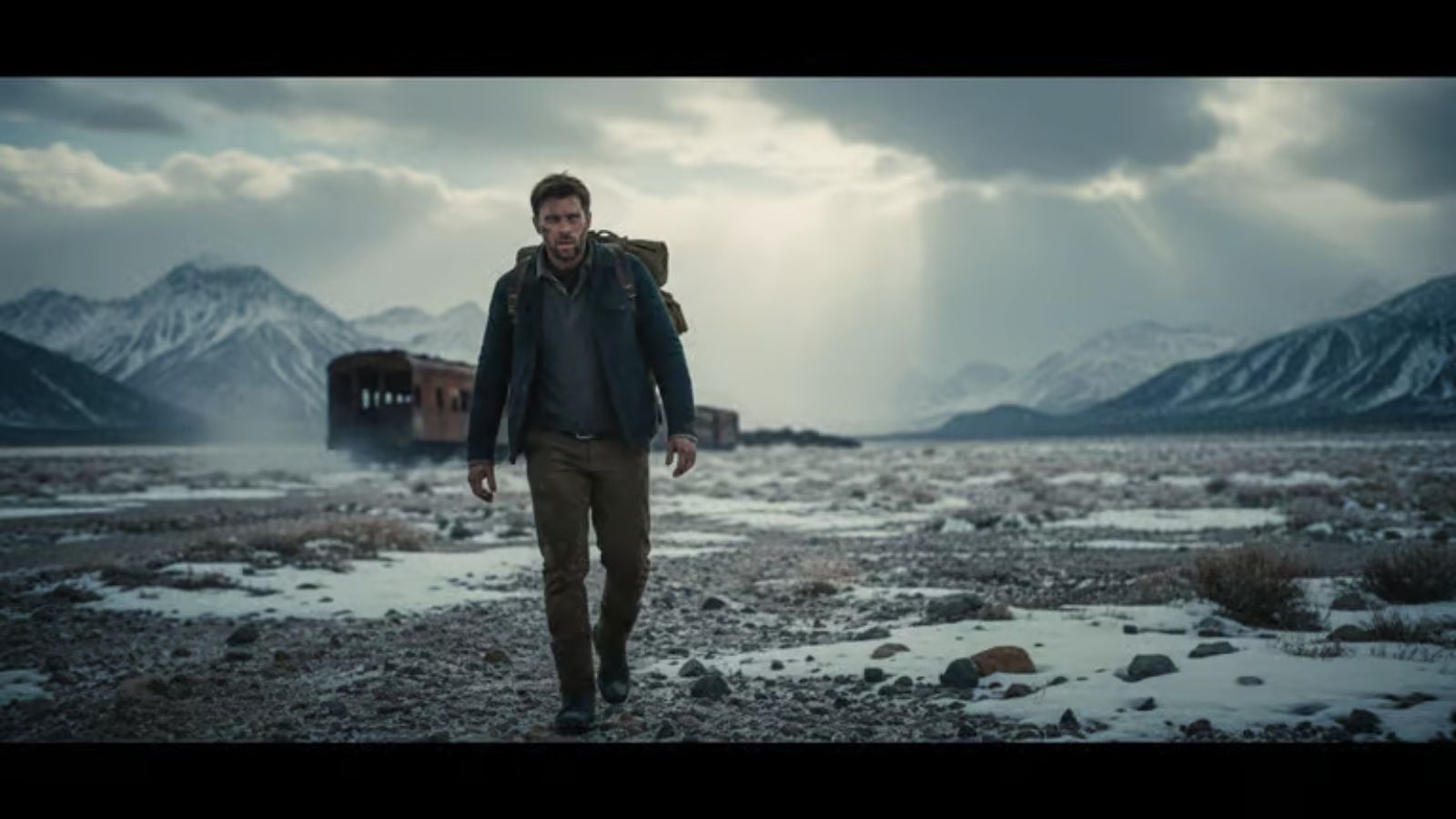
While marketing campaigns sell us on the "magic of the movies," the reality of the business is far more granular and often prosaic. From the heated water pipes beneath a rainy street set to the high-stakes boardroom battles over international distribution, the industry is built on a foundation of secrets that studios rarely discuss. Understanding these realities doesn’t just offer a "peek behind the curtain"—it fundamentally changes how we consume film.

The Financial Architecture of Blockbusters
1. The Hidden Cost of Marketing
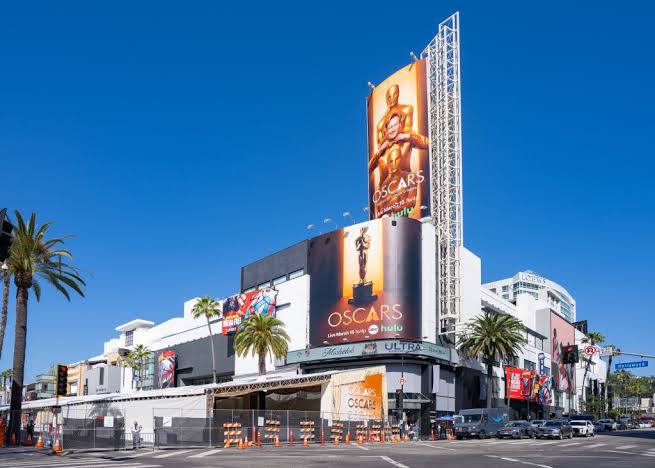
The public often equates the success of a film with its production budget, but this is a dangerous misconception. In the modern studio system, marketing is a behemoth that rivals production costs. For a major blockbuster, studios frequently spend an amount equal to or exceeding the production budget on global advertising, press junkets, and digital promotion. This "P&A" (Prints and Advertising) cost is the primary reason why a movie must perform exceptionally well at the box office just to break even.
2. The Myth of Profitability
It is a common headline: "Film X earns $500 million, becoming a massive hit." Yet, that same film may be labeled a "financial disappointment" by the studio. This is due to the opaque nature of Hollywood accounting. When you factor in distribution fees, the percentage of ticket sales kept by theater chains, the massive marketing spend, and the interest on production loans, a film that clears $500 million in raw revenue might still be in the red. Success in Hollywood is not measured by gross income, but by the complex interplay of long-term residuals and net profit calculations.

3. Product Placement as a Lifeblood
If you notice a protagonist drinking a specific brand of soda or driving a very particular model of luxury car, it is rarely a coincidence. Product placement has become an essential pillar of production financing. By integrating commercial brands into the narrative, studios can offset significant production costs. In some instances, the revenue generated from these partnerships determines whether a mid-budget film gets the green light at all.

The Creative Process: A Study in Controlled Chaos
4. Scripts: The "Living" Document
One of the most persistent myths in cinema is that a film is fully "written" before cameras roll. In reality, especially regarding high-budget franchise films, the script is often treated as a fluid, evolving document. Studios frequently move forward with production before the final act is even fully realized, forcing writers and directors to improvise on set or during the post-production phase to meet release dates.

5. The Invisible Hand of VFX
The public often assumes that Visual Effects (VFX) are reserved for caped crusaders and space operas. In truth, digital manipulation is ubiquitous. From the subtle removal of safety wires and skin blemishes to the complete replacement of backgrounds, modern filmmaking relies on digital tools to polish reality. The "realism" you see on screen is often a highly synthetic construct.

6. The Psychology of the Poster
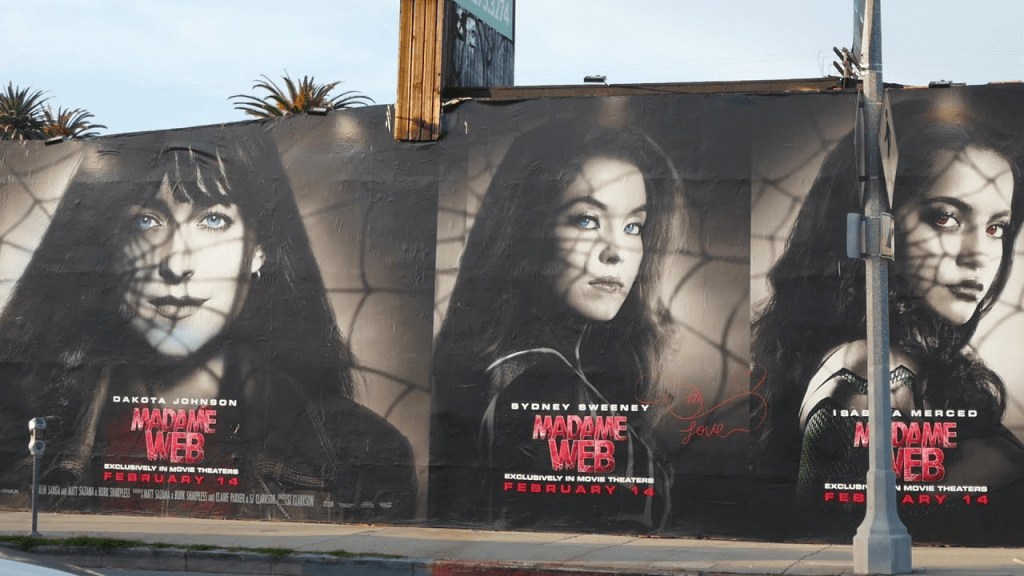
The movie poster is not merely an artistic representation of a film; it is a weapon of behavioral psychology. Every color palette, actor position, and font choice is tested against focus groups to trigger specific emotional responses. Studios know exactly which visual cues will appeal to the "four-quadrant" audience (men and women, over and under 25) and design their marketing assets to manipulate those preferences.

7. The Power of Test Audiences
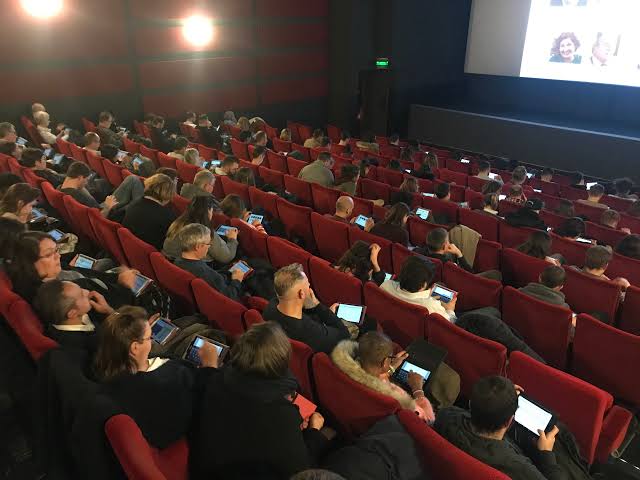
Before a film hits theaters, it is usually shown to a test audience. These screenings are the final, high-stakes arbiter of a film’s content. If test audiences dislike an ending, a character arc, or the pacing of a scene, studios will often mandate expensive reshoots. This is why many films feel narratively "safe"—they have been sanded down to appeal to the lowest common denominator of a representative sample group.
Chronology: From Concept to Consumer
The lifespan of a film is a marathon of strategic decisions:

- Development Phase: Market research determines the "franchise potential" of an idea. Actors are often chosen only after the concept is proven to be marketable.
- Pre-Production: Logistics take center stage. This includes securing tax incentives, child labor compliance, and product placement contracts.
- Principal Photography: The "controlled chaos" phase where variables—like weather or script changes—are managed. This is where "hot water" for rain scenes is deployed to keep the production on schedule.
- Post-Production: The era of the editor and VFX artist. This is where the narrative is "finalized" based on feedback from early test screenings.
- Marketing & Distribution: The final push. The film is tailored for international markets, and trailers are cut, often including footage that won’t make the final cut to generate "hype."
Supporting Data: The Global Shift
The most profound shift in the movie business over the last two decades is the pivot toward international audiences. In the 1990s, the domestic (U.S./Canada) market was the primary engine of revenue. Today, blockbusters are engineered specifically for global appeal. This means prioritizing visual storytelling over dialogue-heavy scripts, as visual sequences are more easily translated and understood across diverse cultural landscapes. This international reliance has fundamentally changed the tone, pace, and casting decisions of the modern blockbuster.

Official Responses and Industry Defense
Industry insiders often defend these practices as necessary evils. When asked about the lack of script completion or the prevalence of reshoots, studio executives argue that the "agile" nature of filmmaking is a response to the volatile nature of audience tastes. They maintain that the goal is to provide a consistent product that fulfills the promises made in the marketing material.

"We aren’t just selling art," one anonymous producer noted. "We are managing risk. When you have $200 million on the line, you don’t bet on a finished script; you bet on a system that can adapt to changing data."
The Implications for the Viewer
What does this mean for the cinephile? It implies that the "purity" of a film is often an illusion. Understanding that a "true story" may have completely altered its timeline for dramatic effect, or that a trailer may contain scenes that don’t exist in the final movie, shifts the viewer from a passive participant to an informed observer.

The implications are clear:

- Critical Literacy: Audiences should view marketing materials—trailers, posters, and interviews—with healthy skepticism. They are advertisements, not accurate reflections of the product.
- Appreciation for the Craft: While the business side is cold, the technical feats are extraordinary. The ability to manipulate light, sound, and digital imagery to create a coherent experience despite constant on-set revisions is a testament to the talent of the crew, if not the studio.
- The "Residual" Reality: It is important to remember that for the thousands of people who work in the industry, the "success" of a film is measured in their ability to continue working. Residual payments are not just technicalities; they are the bedrock of a sustainable career for those who don’t reach the "A-list."
Conclusion
The movie business remains a complex, often contradictory industry. It is a space where billions of dollars are spent on the hope of capturing human emotion, yet where every decision is vetted by risk-averse committees. By pulling back the curtain on these 15 facts—from the hot water in the rain to the cold math of the box office—we see that cinema is not just a dream factory. It is a highly engineered, globally dependent industry that mirrors the very world it seeks to entertain. As viewers, recognizing the machinery behind the magic does not diminish the experience; it enriches it, turning every film into a fascinating puzzle of art, commerce, and compromise.










