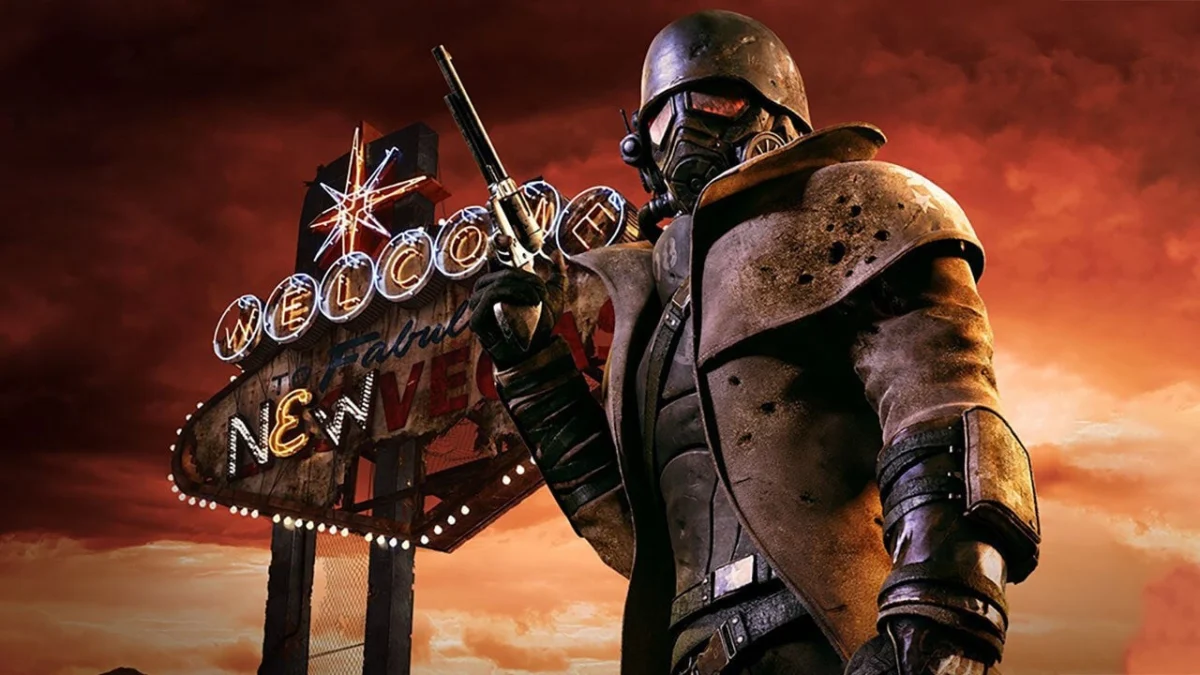
The iconic post-apocalyptic worlds of Fallout 3 and Fallout: New Vegas are set to receive modern makeovers, Bethesda Game Studios has officially confirmed, sending ripples of excitement through the gaming community. While details remain scarce, the announcement signals a significant moment for fans eager to revisit these beloved RPGs with enhanced visuals and potentially improved gameplay for contemporary platforms.
A Long-Awaited Revelation: Remasters on the Horizon
In a significant announcement delivered via a "Note from Bethesda Game Studios" on their official website, the developer revealed that remasters of both Fallout 3 and Fallout: New Vegas are in development. This confirmation arrives after a prolonged period of fervent speculation among players who have long clamored for updated versions of these critically acclaimed titles. The statement from Bethesda underscores the enduring legacy and importance of the Fallout franchise, declaring it "one of our biggest priorities today."
This revelation comes at a pivotal time for Bethesda. The studio is currently engaged in the pre-production phase for the highly anticipated Fallout 5, while simultaneously dedicating full production resources to The Elder Scrolls VI. The confirmation of these remasters, delivered with characteristic subtlety, suggests a strategic approach to revitalizing the Fallout IP while building towards its future.
The official statement read: "We also know many players want to revisit previous Fallout experiences. While we’re not announcing any dates today, we have been working on remasters for both Fallout 3 and Fallout: New Vegas." This measured wording, while lacking specific release windows, provides a definitive assurance that these projects are actively underway.

A Journey Through Time: The Legacy of Fallout 3 and New Vegas
Fallout 3, originally released in 2008, was a monumental step for the franchise, transitioning it from a critically acclaimed isometric RPG series into a first-person, open-world experience. Developed by Bethesda Game Studios, it transported players to the irradiated ruins of Washington D.C., offering a sprawling environment filled with emergent gameplay, compelling narrative choices, and a palpable sense of desolation and hope. The game’s release was a critical and commercial success, lauded for its atmospheric world-building, mature storytelling, and the freedom it afforded players in exploring its ravaged landscape. Its impact on the RPG genre cannot be overstated, influencing countless open-world titles that followed.
Following the success of Fallout 3, Obsidian Entertainment, a studio comprised of many original creators from the classic Fallout games, took the reins for Fallout: New Vegas, released in 2010. Set in the Mojave Wasteland, the game offered a different perspective on the Fallout universe, focusing on the intricate political machinations and factional conflicts surrounding the Hoover Dam. New Vegas was celebrated for its deep role-playing mechanics, complex branching narratives, and the return of familiar gameplay elements that resonated with long-time fans. Its emphasis on player choice and consequence, coupled with its richly written characters and intricate quest design, cemented its status as a fan-favorite entry in the series.
The prospect of revisiting these games, each a cornerstone of the Fallout legacy, with modern graphical fidelity and potential quality-of-life improvements, has understandably ignited a significant wave of enthusiasm. Players are eager to experience the familiar yet now potentially breathtaking vistas of the Capital Wasteland and the sun-baked expanses of the Mojave once more.
Supporting Data: A Pattern of Revitalization
The confirmation of Fallout 3 and New Vegas remasters aligns with a broader trend of revitalizing classic titles for contemporary gaming hardware. Bethesda and its parent company, Xbox, have a history of re-releasing and remastering beloved games to reach new audiences and satisfy existing fanbases.

The existence of titles like the Fallout 4: Anniversary Edition, The Elder Scrolls V: Skyrim Anniversary Edition, and The Elder Scrolls IV: Oblivion Remastered on current-generation platforms, including Nintendo’s hybrid console, provides a strong precedent. These re-releases have often included enhanced visuals, new content, and bug fixes, breathing new life into established franchises. Given this established pattern, the likelihood of Fallout 3 and New Vegas remasters eventually gracing platforms such as the Nintendo Switch 2 appears exceptionally high.
Furthermore, the strategic decision to remaster these titles can be seen as a means to bridge the gap between the current generation of gaming and the upcoming installments in both the Fallout and Elder Scrolls sagas. By offering players a chance to engage with the foundational elements of the Fallout universe, Bethesda can cultivate a renewed appreciation for the series’ rich history while simultaneously building anticipation for its future.
The move also makes strategic sense in the broader gaming landscape. While Xbox has historically leaned towards platform exclusivity, the gaming industry is in a constant state of flux. Broadening the availability of beloved RPGs across multiple platforms, particularly on a console as popular as the Nintendo Switch, can significantly expand their reach and commercial success. While recent years have seen shifts in Xbox’s exclusive strategy, the potential for these remasters to appear on non-Xbox platforms remains a strong possibility, driven by market logic and player demand.
Official Responses and Future Implications
The official statement from Bethesda is a clear indicator of their commitment to the Fallout franchise. The acknowledgement that Fallout 3 and Fallout: New Vegas remasters are in development, alongside the ongoing pre-production of Fallout 5 and full production of The Elder Scrolls VI, paints a picture of a studio with a clear, long-term vision for its most popular IPs.

The quote: "We also know many players want to revisit previous Fallout experiences. While we’re not announcing any dates today, we have been working on remasters for both Fallout 3 and Fallout: New Vegas," is significant. It not only confirms the remasters but also implies a direct response to player feedback and demand. This suggests a more player-centric approach to franchise management, where the desires of the community are being actively considered in development pipelines.
The mention of Obsidian Entertainment working on a new Fallout game in collaboration with Bethesda is another crucial piece of information. This partnership, reminiscent of the acclaimed Fallout: New Vegas, is particularly noteworthy. It signals a potential return to the nuanced storytelling and deep RPG mechanics that characterized that entry, a move that will undoubtedly be welcomed by fans who have long cherished Obsidian’s contribution to the series. The article notes, "It’s been a long time since New Vegas, so let’s hope the team still has it in them to put out another banger, especially with morale at such a low point right now." This sentiment, while speculative, highlights the high expectations placed upon this collaboration.
The implications of these announcements are far-reaching:
- Nostalgia Reimagined: For long-time fans, the remasters offer a chance to relive cherished memories with enhanced visuals and potentially smoother gameplay. This can rekindle a passion for the series and introduce its classic entries to a new generation of players.
- Bridging the Gap: The remasters serve as a vital link between the beloved past of Fallout and its promising future. They can reacquaint players with the core themes and gameplay loops of the franchise, preparing them for the scale and ambition of Fallout 5.
- Strategic Platform Expansion: The potential release of these remasters on multiple platforms, including Nintendo consoles, signifies a smart business strategy. It maximizes audience reach and revenue potential, demonstrating a willingness to adapt to the evolving gaming market.
- Revitalized Franchise Momentum: The confirmation of remasters, alongside the development of Fallout 5 and the collaboration with Obsidian, suggests a robust and dynamic future for the Fallout universe. This multifaceted approach is likely to invigorate the franchise and solidify its position as a cornerstone of the RPG genre.
- Player Engagement: The direct acknowledgement of player desire for these remasters reinforces the importance of community feedback. It suggests that Bethesda is listening to its fanbase, fostering a stronger connection and building trust for future endeavors.
While the absence of release dates and specific platform confirmations leaves room for anticipation and speculation, the official word from Bethesda Game Studios has unequivocally confirmed that the era of Fallout 3 and Fallout: New Vegas is far from over. These remasters represent not just a nostalgic trip down memory lane, but a strategic investment in the enduring legacy and exciting future of one of gaming’s most cherished post-apocalyptic sagas. The wasteland is calling once more, and this time, it promises to be more visually stunning and accessible than ever before.