Raul Delapena Setiawan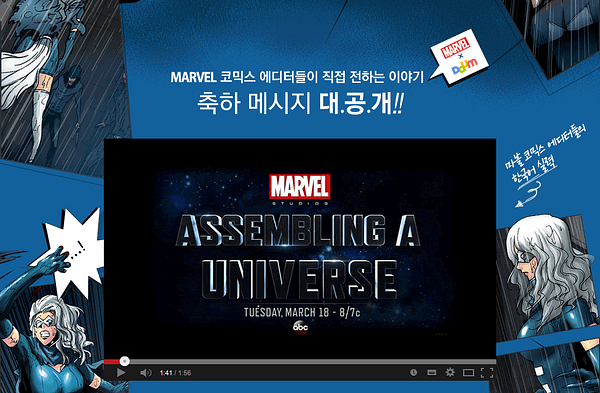
In a historic convergence of Western superhero iconography and Eastern digital storytelling, Marvel Entertainment partnered with the prominent Korean platform Daum to produce Avengers: Electric Rain. This groundbreaking project, brought to life by acclaimed Korean artist Younghoon Ko, serves as a testament to the global reach of the Marvel Cinematic Universe and the surging popularity of the webtoon format. By embedding Earth’s Mightiest Heroes into the heart of Seoul, Avengers: Electric Rain did more than just expand the Marvel mythos; it signaled a new era of cross-cultural collaboration in the graphic novel industry.

The Genesis of a Global Crossover
Webtoons—scrolling, manhwa-style digital comics optimized for mobile devices—have become a dominant cultural force in South Korea. Platforms like Daum have cultivated a massive, digitally native audience, providing a high-speed, interactive medium that differs significantly from the traditional American comic book format. When Marvel, working in conjunction with Disney Korea, decided to tap into this market, the goal was not merely a translation of existing stories, but the creation of an original, localized experience.

Avengers: Electric Rain features the core Avengers roster navigating the urban landscape of Seoul. However, the narrative is punctuated by the introduction of a brand-new character specifically designed to anchor the story within the Korean cultural context. Younghoon Ko, tasked with the artistic direction, brought a dynamic, high-octane aesthetic to the series that bridged the gap between Western superhero aesthetics and the fluid, cinematic pacing characteristic of top-tier manhwa.

Chronology of a Cross-Platform Expansion
The development of Electric Rain did not happen in a vacuum. It was the result of a deliberate, multi-year strategy to integrate Marvel’s intellectual properties into international markets through localized creative talent.

- Early 2010s: Marvel began aggressively expanding its international footprint, recognizing that the box office success of the Avengers films in Asia necessitated a stronger local presence in the print and digital publishing sectors.
- The Partnership Announcement: The collaboration between Marvel, Disney Korea, and Daum was formalized to leverage Daum’s massive webtoon infrastructure. This was a strategic move to bypass traditional print distribution hurdles in Korea.
- Creative Development: Younghoon Ko was selected to lead the art team. His challenge was to reinterpret established characters like Iron Man, Captain America, and Thor, ensuring they remained recognizable while existing within a narrative framework that felt authentically Korean.
- Release and Reception: Upon its debut on the Daum webtoon portal, the series experienced immediate success, drawing in both long-time Marvel fans and local readers who were already deeply invested in the webtoon ecosystem.
- Global Awareness: While initially a domestic project, the buzz surrounding Electric Rain eventually caught the attention of Marvel’s editorial brass in New York, leading to increased coverage and promotional efforts from the publisher’s Western divisions.
Supporting Data and Industry Context
The move to serialize Avengers: Electric Rain on a digital-first platform like Daum reflects a broader industry shift. Traditional comic book sales have faced increasing competition from digital platforms, particularly those that offer "freemium" or subscription-based models.

According to market analysts, the webtoon market in Korea has seen exponential growth, often outpacing print media in terms of daily active users. By opting for a vertical-scrolling format, Avengers: Electric Rain tapped into the mobile-first behavior of modern consumers. This accessibility allowed the Avengers to reach demographics that might not typically visit a traditional brick-and-mortar comic book shop. The project proved that the "Marvel formula"—a blend of high-stakes action, character-driven drama, and consistent serialized updates—translates seamlessly into the digital scroll format.

Official Responses and Editorial Perspectives
The reception of Avengers: Electric Rain within Marvel’s internal hierarchy was notable for the level of enthusiasm it generated among the publisher’s top editors. Figures such as CB Cebulski, Axel Alonso, Tom Brevoort, Ellie Pye, Jordan White, and Nick Lowe have all, at various times, publicly discussed the project.
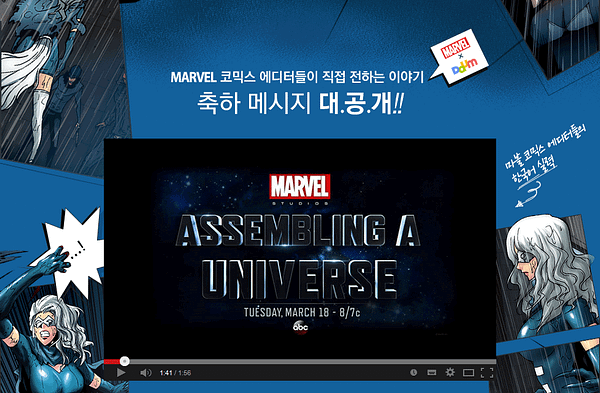
In promotional footage and interviews, these editors expressed a mix of awe and admiration for the technical execution of the project. There was a notable, albeit lighthearted, focus on the linguistic challenges faced by the editorial team as they worked to facilitate a project where the source language and primary creative output were Korean. While the editors joked about their attempts to bridge the language gap, the underlying message was clear: the creative autonomy granted to Younghoon Ko and the local team was not only necessary but was the primary driver of the project’s success.

Younghoon Ko’s own contribution to the project was widely praised. His ability to maintain the "Marvel house style" while incorporating the visual language of Korean manhwa created a unique aesthetic signature that set Electric Rain apart from the standard American output of the time.

Implications for the Future of Comics
The success of Avengers: Electric Rain serves as a case study for future international collaborations. It demonstrated that Western comic book giants do not have to rely on mere translations of existing books to reach foreign markets; instead, they can empower local creators to build stories that resonate more deeply with regional audiences.

1. Cultural Localization
The project proved that the "Avengers" brand is malleable. By setting the story in Korea and introducing a Korean character, Marvel avoided the "outsider" trope that often plagues American comics set in foreign countries. The integration of local geography, language, and cultural nuances made the series a point of pride for the local audience.
2. Digital-First Publishing Models
The success of this collaboration validated the webtoon model for Western publishers. Following the path paved by Electric Rain, many other publishers have since experimented with vertical-scrolling, mobile-first comics. It has forced a reevaluation of how a "comic book" is defined in the 21st century.

3. Collaborative Editorial Processes
The project established a blueprint for how an American parent company can manage creative output in a different time zone and language. The reliance on local talent—rather than simply "outsourcing" the work—has become a more standard practice for global media corporations looking to maintain quality control while fostering local creativity.

Conclusion
Avengers: Electric Rain remains a landmark in the history of international comics. It bridged the divide between the traditional American comic book industry and the booming Korean webtoon market, proving that when diverse creative voices are given the platform to tell their own stories within a global franchise, the results can be both commercially viable and culturally significant.

Younghoon Ko’s work on the series stands as a testament to the power of artistic collaboration, showing that even the most established superhero teams can find new life, new challenges, and a new audience when they step out of their comfort zone and into the electric rain of a globalized, digital world. As the industry continues to evolve, the lessons learned from this partnership—flexibility, cultural respect, and the embrace of new technologies—will undoubtedly continue to shape how we experience stories in the years to come.

 Lina Irawan
 Asep Darmawan