The Godzilla franchise is currently navigating an unprecedented golden age. Following the Academy Award-winning success of Godzilla Minus One and the continued box-office dominance of Legendary Entertainment’s MonsterVerse, the "King of the Monsters" has never been more culturally relevant or financially formidable. However, while Godzilla reigns supreme in live-action cinema, his ventures into the realm of Japanese animation (anime) continue to be fraught with complexity, divisiveness, and—most recently—reports of behind-the-scenes turmoil.
For fans of the 2021 Netflix original series Godzilla Singular Point, the long-awaited return of the series appears to be in jeopardy. Despite a cliffhanger ending that promised a showdown with a redesigned Mechagodzilla, recent reports suggest that production on a second season has collapsed. This development marks a potential turning point for Toho Co., Ltd.’s strategy regarding its most valuable intellectual property.
Main Facts: The Stalled Momentum of ‘Singular Point’
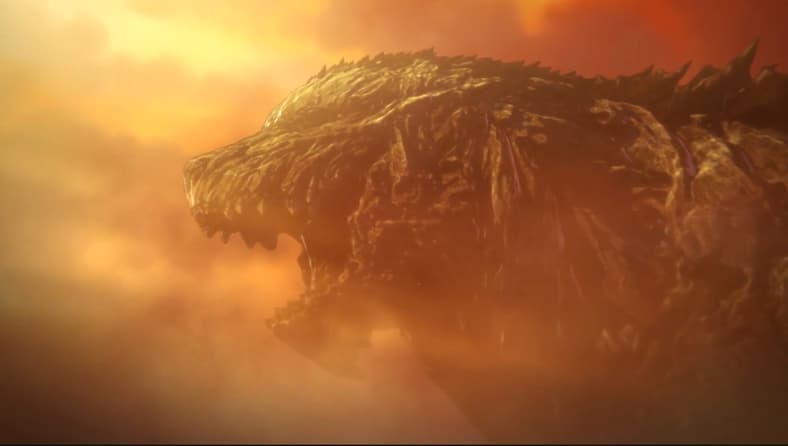
Godzilla Singular Point (GSP) debuted in 2021 as a prestigious collaboration between two powerhouse animation studios: Studio Bones (My Hero Academia) and Studio Orange (Beastars). Directed by Atsushi Takahashi and written by acclaimed sci-fi novelist Toh EnJoe, the series was a radical departure from traditional kaiju storytelling. It traded city-leveling brawls for high-concept theoretical physics, non-linear time travel, and a narrative centered on the "Red Dust" and the "Orthogonal Diagonalizer."
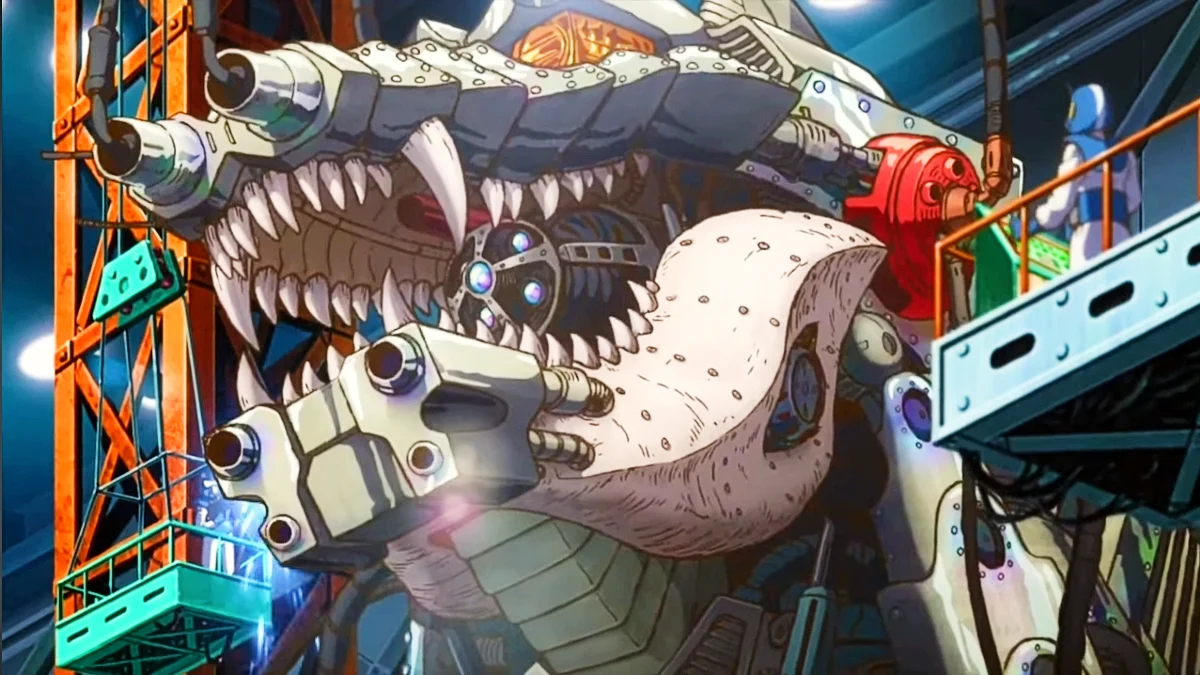
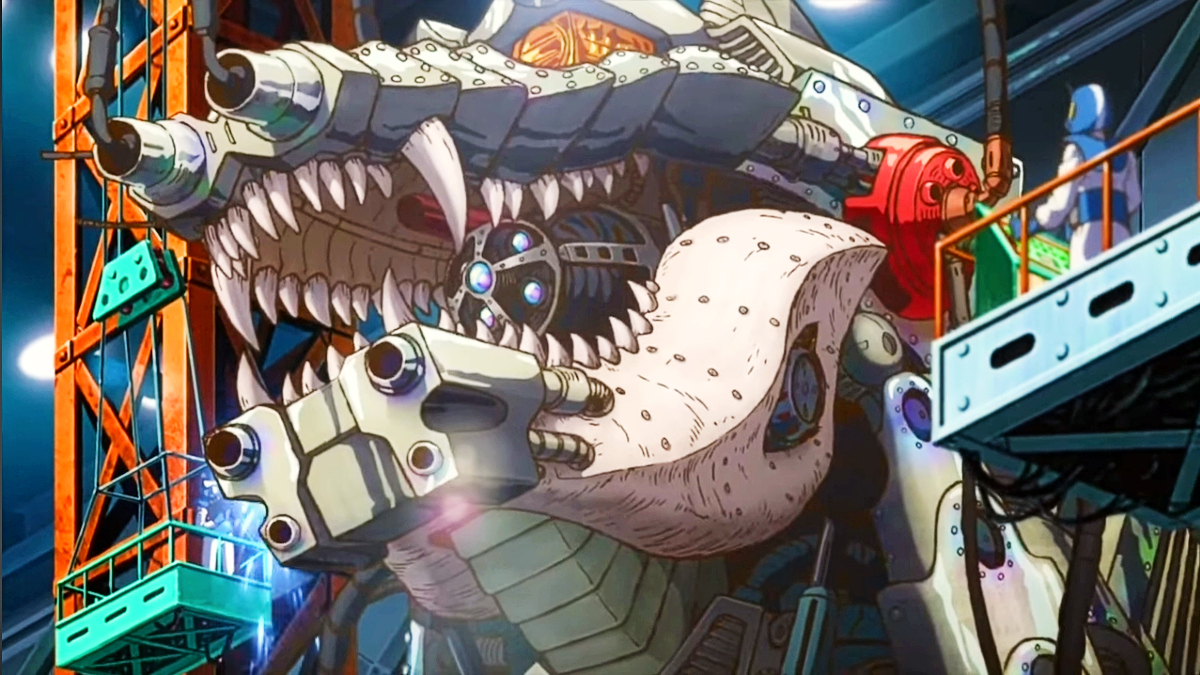
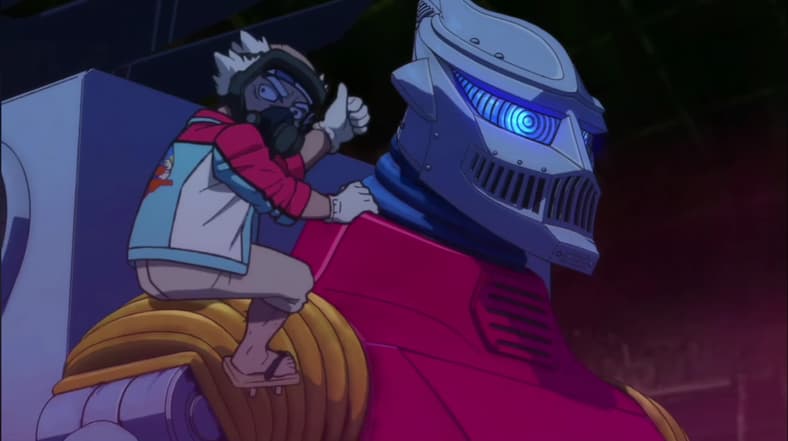
Despite its dense script, the series found a dedicated niche audience and ended its 13-episode run with a post-credits sting showing a version of Mechagodzilla being constructed by the mysterious Shiva Consortium. For three years, fans assumed a second season was a matter of "when," not "if."
However, the narrative has shifted. Kaiju chronicler and industry insider D Man1954 recently released an update suggesting that the internal gears for Season 2 have ground to a halt. According to his sources, a second season was not merely a hypothetical idea but was actively planned and prioritized by Toho. Somewhere during the development phase, the project reportedly collapsed. While the specific reasons for this failure remain under a "non-disclosure" cloud, the consensus among insiders is that the project is, for all intents and purposes, dead in its current form.
Chronology: A Decade of Animated Experiments
To understand the precarious position of Godzilla Singular Point, one must examine the timeline of Toho’s animated endeavors, which have been characterized by a desire to reinvent the monster for a modern, global audience.
2017–2018: The Polygon Pictures Trilogy
Toho first ventured into feature-length anime with a trilogy of films: Planet of the Monsters, City on the Edge of Battle, and The Planet Eater. Produced by Polygon Pictures, these films utilized 3D CGI and presented a radical "Earth-as-a-monster-ecosystem" premise set 20,000 years in the future. While visually striking, the trilogy was polarizing. Fans criticized the lack of traditional monster combat and the focus on existential philosophy over spectacle.
2021: The Launch of ‘Singular Point’
In an attempt to pivot, Toho commissioned Singular Point. This series attempted to bridge the gap between the philosophical "hard sci-fi" of the previous trilogy and the traditional "Showsa-era" charm, reintroducing classic monsters like Jet Jaguar, Anguirus, and Rodan in mutated, evolving forms. The series was a critical success among sci-fi aficionados but remained a "difficult" watch for casual fans due to its reliance on quantum physics jargon.
2022–2023: The Live-Action Pivot
During the silence following Singular Point, the franchise’s live-action branch exploded. Godzilla Minus One (2023) became a global phenomenon, proving that a return to serious, grounded, and emotionally resonant storytelling was what the broader market craved. Simultaneously, the MonsterVerse expanded onto television with Monarch: Legacy of Monsters.
2024: The Collapse of Season 2
As 2024 progressed, the lack of news regarding a Singular Point follow-up became a point of concern. The recent revelations from industry commentators suggest that while Toho is still interested in anime, they may be moving away from the "Singular Point" continuity entirely in favor of a new, more accessible project.
Supporting Data: Why the Anime Strategy is Shifting
The potential cancellation of Godzilla Singular Point Season 2 can be attributed to several data-driven factors, ranging from viewership metrics to brand synergy.
1. The Complexity Barrier
While Godzilla Singular Point holds a respectable 7.0/10 on IMDb and high scores on Rotten Tomatoes, its "barrier to entry" was significantly higher than other Godzilla media. Data from streaming platforms often indicates that shows requiring high levels of "homework" or repeat viewings to understand basic plot points suffer from lower "completion rates"—a metric Netflix uses heavily to determine renewals.
2. Merchandising and Brand Identity
Godzilla is a merchandising powerhouse. While the Singular Point designs (particularly the "Godzilla Ultima" form and the modular Jet Jaguar) were popular with collectors, the show’s abstract nature made it difficult to market to younger demographics. In contrast, the MonsterVerse and the classic "Heisei" designs continue to dominate toy aisles. Toho’s internal strategy, often referred to as "The World of Godzilla," aims for a cohesive brand identity that might be hindered by the hyper-specific, alternate-reality physics of Singular Point.
3. Production Costs vs. Return on Investment
High-end anime production involving two top-tier studios like Bones and Orange is prohibitively expensive. If the viewership numbers did not justify the premium cost of blending 2D and 3D animation at that scale, Toho might have viewed the project as a financial "dead end" compared to the massive ROI seen with Godzilla Minus One.
Official Responses and Studio Silence
As is typical with Toho’s corporate communications, there has been no official press release regarding the "cancellation" of Godzilla Singular Point. Toho tends to operate with a "silence is the answer" policy regarding projects that fail to move past pre-production.
Netflix, the global distributor, has also remained quiet. Typically, if a series is a runaway hit, Netflix is quick to announce renewals to bolster its stock value and subscriber retention. The three-year gap without a renewal announcement is, in the world of modern streaming, often a de facto confirmation of a project’s demise.
Studio Bones and Studio Orange have moved on to other high-profile projects. Orange, in particular, has been focused on the Trigun Stampede series and the final season of Beastars, leaving little room in their production pipeline for a massive kaiju undertaking unless a contract was already firmly in place.
Implications: A New Era of Animated Kaiju?
The collapse of Godzilla Singular Point Season 2 does not mean the end of Godzilla in anime. Rather, it suggests a tactical retreat and a rebranding.
The "Dragon Ball" Rumors
Recent industry leaks have hinted at a new Godzilla anime project that takes a "shonen" approach—referencing the fast-paced, action-heavy style of Dragon Ball or My Hero Academia. This would likely involve more traditional monster battles, a younger protagonist, and a narrative that prioritizes "cool factor" over quantum mechanics. If true, this indicates that Toho wants to capture the demographic that currently fuels the success of Kaiju No. 8.
The Legacy of Mechagodzilla
The loss of the GSP cliffhanger is perhaps the most painful point for fans. The "Singular Point" version of Mechagodzilla was teased as a construct built from the bones of a previous Godzilla—a nod to the 2002 film Godzilla Against Mechagodzilla (Kiryu). By abandoning this storyline, Toho is essentially leaving a unique, high-tech reimagining of a fan-favorite icon on the cutting room floor.
Conclusion: The Cost of Ambition
Godzilla Singular Point was an ambitious experiment that attempted to treat the kaiju genre with the intellectual rigor of hard science fiction. While it may have failed to secure a long-term future, its existence proved that the Godzilla IP is flexible enough to handle radical reinvention.
As the franchise moves forward, the lesson of Singular Point will likely be one of balance. Toho has seen that while the "King of the Monsters" can survive in the world of theoretical physics, he thrives best when he is allowed to be what he has always been: a force of nature that needs no explanation. For the fans of Mei, Yun, and the AI-driven Jet Jaguar, the story may have ended prematurely, but the shadow of their Godzilla remains a testament to a time when the franchise wasn’t afraid to be "deliriously convoluted."