Before he was redefining the wizarding world in the corridors of Hogwarts, and long before he was sweeping the Academy Awards with intimate, monochromatic epics like Roma, Alfonso Cuarón was a visionary director searching for his foothold in Hollywood. While cinephiles today recognize him as a pillar of the “Three Amigos”—the triumvirate of Mexican directors alongside Alejandro González Iñárritu and Guillermo del Toro who reshaped modern cinema—his path to international superstardom began with a quiet, visually arresting fable that many have overlooked.
Released in 1995, A Little Princess remains one of the most significant, yet under-appreciated, milestones in Cuarón’s illustrious career. It is a film that captures the exact moment a singular directorial voice transitioned from the indie circuit to the grand stage of studio filmmaking, all while maintaining a heart-wrenching, magical sincerity that feels timeless.
The Architect of Modern Visual Language
To understand the brilliance of A Little Princess, one must contextualize the director’s trajectory. The "Three Amigos" collective has collectively garnered an staggering 107 Academy Award nominations, a testament to their profound impact on the industry. Cuarón’s own contribution to this legacy includes 28 nominations, with films like Gravity and Roma showcasing his technical mastery.
However, in the early 90s, Cuarón was still finding his footing. After his 1991 debut, Sólo Con tu Pareja, a biting, sophisticated drama about love in the age of AIDS, he made a sharp pivot to the world of children’s literature. Adapting Frances Hodgson Burnett’s 1905 novel was a bold departure. It was a "thematic 180," moving away from adult cynicism toward a gentle, fable-like exploration of resilience. This film didn’t just showcase Cuarón’s ability to handle a larger budget; it demonstrated his unique ability to marry high-concept visual storytelling with deeply human emotional stakes.
A Narrative of Resilience and Imagination
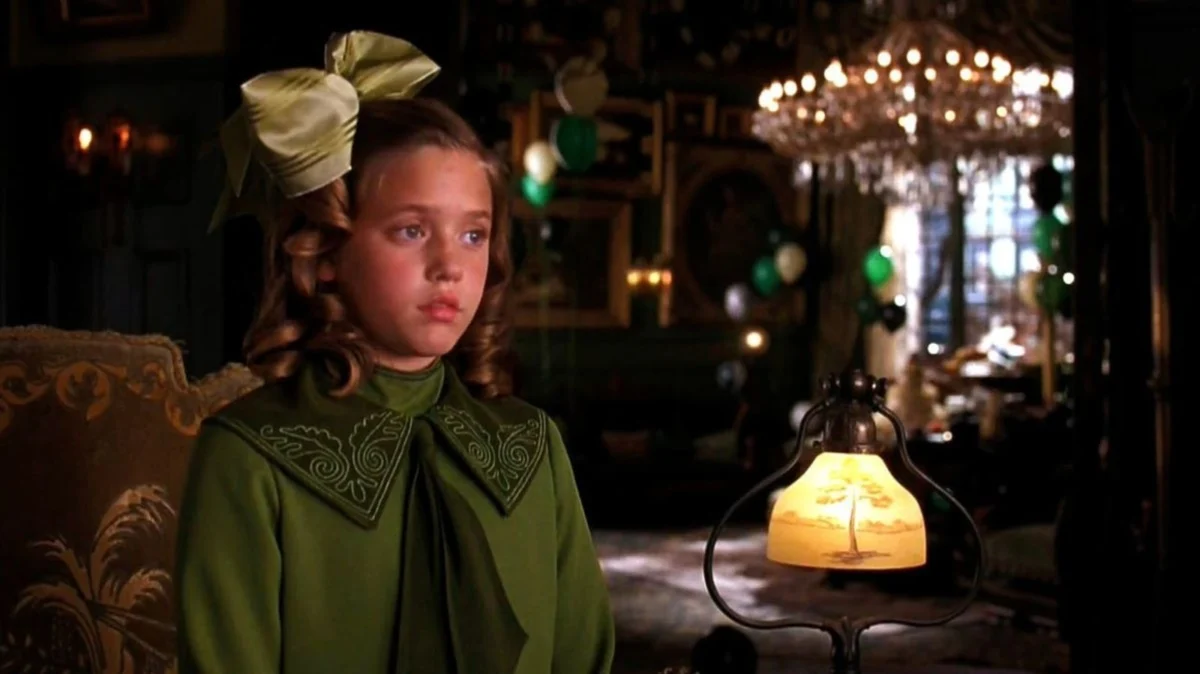
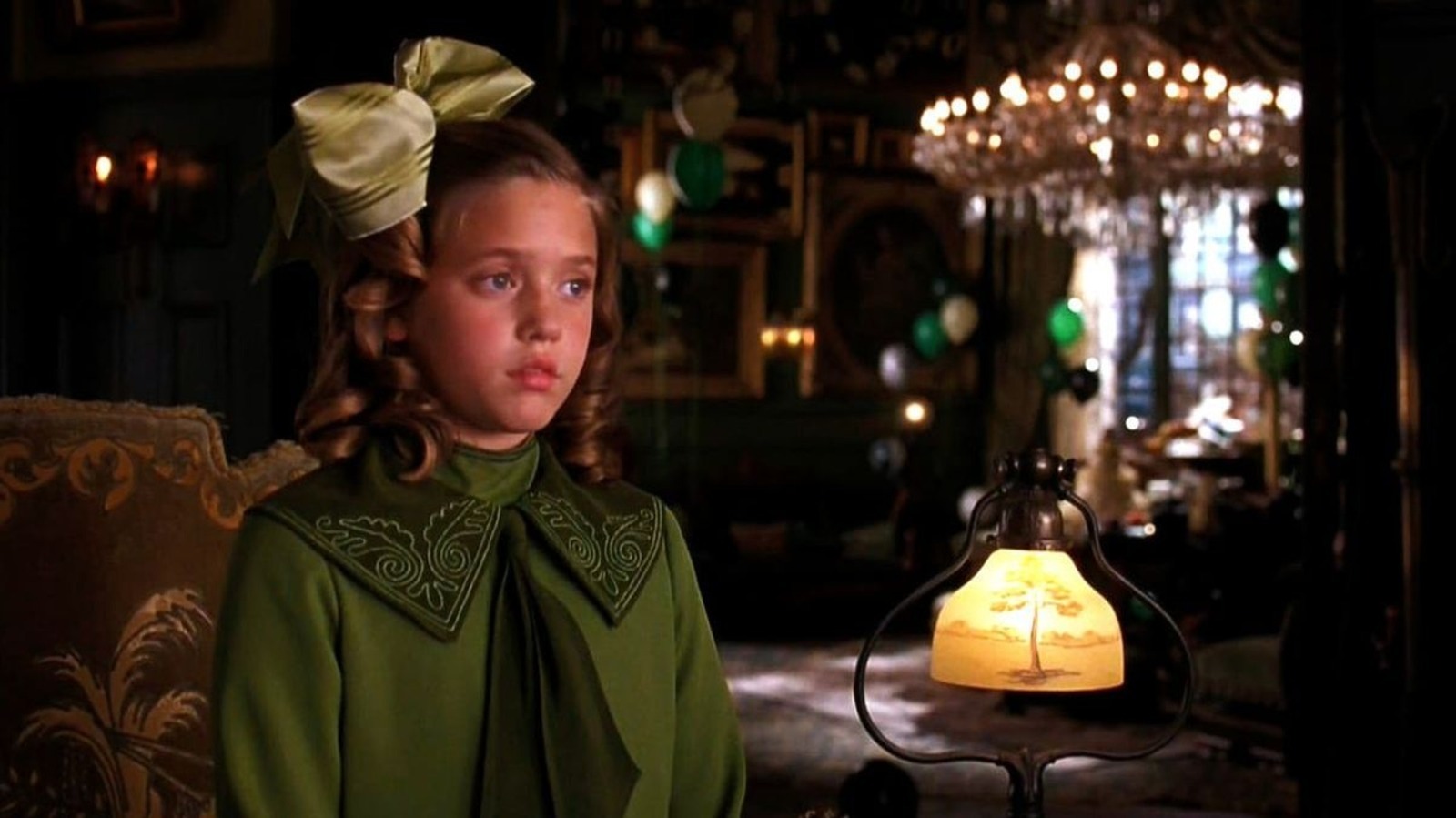
The film introduces us to Sara Crewe, played with profound maturity by Liesel Matthews. Set against the backdrop of 1914, the story follows Sara as she is uprooted from her life in India by her father, Richard (Liam Cunningham), who has been called to serve in World War I. He leaves her at a prestigious but stifling New York boarding school run by the formidable, rule-obsessed Ms. Minchin (Eleanor Bron).
The film’s central conflict is not merely one of survival, but of identity. When news arrives that Richard has been killed in the war and the family fortune seized, Sara’s life shifts from privilege to servitude. She is forced to work as a scullery maid, living in a cold attic. Yet, the film’s thesis—a mantra repeated throughout—remains: "I am a princess. All girls are."
This is not a story about royalty in the literal sense; it is an exploration of the inherent dignity and power of the human spirit. Cuarón treats the narrative with a reverence usually reserved for high-brow drama, refusing to "dumb down" the material for his younger audience. By doing so, he created a film that resonates just as deeply with adults as it does with children.
Technical Prowess: The Lubezki Collaboration
One cannot discuss A Little Princess without acknowledging the legendary cinematographer Emmanuel Lubezki. The film marked an early, crucial collaboration between the two men, who would go on to change the visual language of modern cinema.
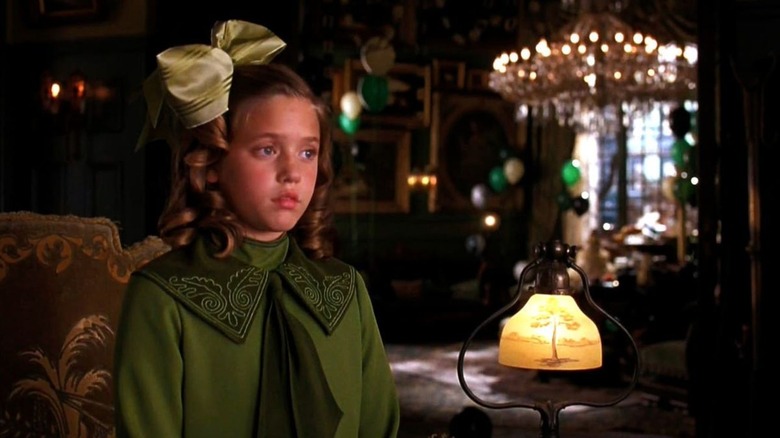
In A Little Princess, their partnership is already in full bloom. The cinematography is deliberate, utilizing camera angles to communicate character status and internal growth. In the climactic confrontation between Sara and the cruel Ms. Minchin, the camera work is masterful; Cuarón and Lubezki frame Sara to look as though she is expanding in stature, while Minchin appears to shrink, visually representing the moral victory of the child over the tyrant.
This visual sophistication, combined with Patrick Doyle’s evocative, sweeping score, earned the film two well-deserved Academy Award nominations: one for Best Cinematography and another for Best Art Direction (Bo Welch and Cheryl Carasik). The film was not a massive blockbuster at the box office, but it was a critical darling, with legends like Roger Ebert praising its "magical realism" and its rare ability to treat a child’s inner life with genuine seriousness.
The Chronology of a Career Evolution
Cuarón’s career path is a study in calculated risks and artistic evolution:
- 1991: Sólo Con tu Pareja – The breakout debut that established his talent for wit and social commentary.
- 1995: A Little Princess – His Hollywood debut, proving he could manage scale and emotional depth.
- 1998: Great Expectations – An ambitious, star-studded adaptation that faltered under its own stylistic weight, often cited as his weakest outing.
- 2001: Y Tu Mamá También – A return to his roots that propelled him back into the global spotlight.
- 2004: Harry Potter and the Prisoner of Azkaban – The defining moment of his mainstream career.
When Cuarón took the helm of Prisoner of Azkaban, he transformed the franchise. He stripped away the polished, Oxfordian aesthetics of the previous two films, opting instead for a world of mud, street clothes, and moody, atmospheric dread. Many critics and fans alike consider this the high-water mark of the Harry Potter series, a shift that only makes sense when viewed through the lens of his earlier work. He brought the same emotional intelligence to the Wizarding World that he had previously applied to the attic of a New York boarding school.
Implications for Today’s Filmmakers
The legacy of A Little Princess serves as a lesson for the modern film industry. In an era often dominated by franchise fatigue and hyper-stylized digital spectacles, the 1995 film stands as a reminder that "family entertainment" does not have to be simplistic.
The film’s influence is subtle but persistent. It encouraged a generation of filmmakers to trust in the intelligence of their audience, regardless of age. Furthermore, it proved that a director’s "voice"—that specific way of framing a shot or pacing a scene—is not something that should be discarded when working within the confines of a studio system. Whether he is working on a $100 million blockbuster or a intimate black-and-white drama, Cuarón’s commitment to visual storytelling remains consistent.
Conclusion: A Legacy of Magic
Why does A Little Princess fly under the radar today? Perhaps because it lacks the explosive action of his later films or the controversy of his earlier works. It is a quiet film, a piece of cinema that demands patience and emotional vulnerability.
However, for those who take the time to revisit it, the film offers a masterclass in tone. It is a testament to the power of imagination and the resilience of the human spirit. For Alfonso Cuarón, it was the stepping stone that allowed him to eventually master the magic of Hogwarts and the soul of Mexico City. It remains, nearly thirty years later, a beautiful, haunting, and necessary chapter in one of the most important filmographies of the 21st century. It is, quite simply, a film that deserves to be seen, felt, and remembered.