

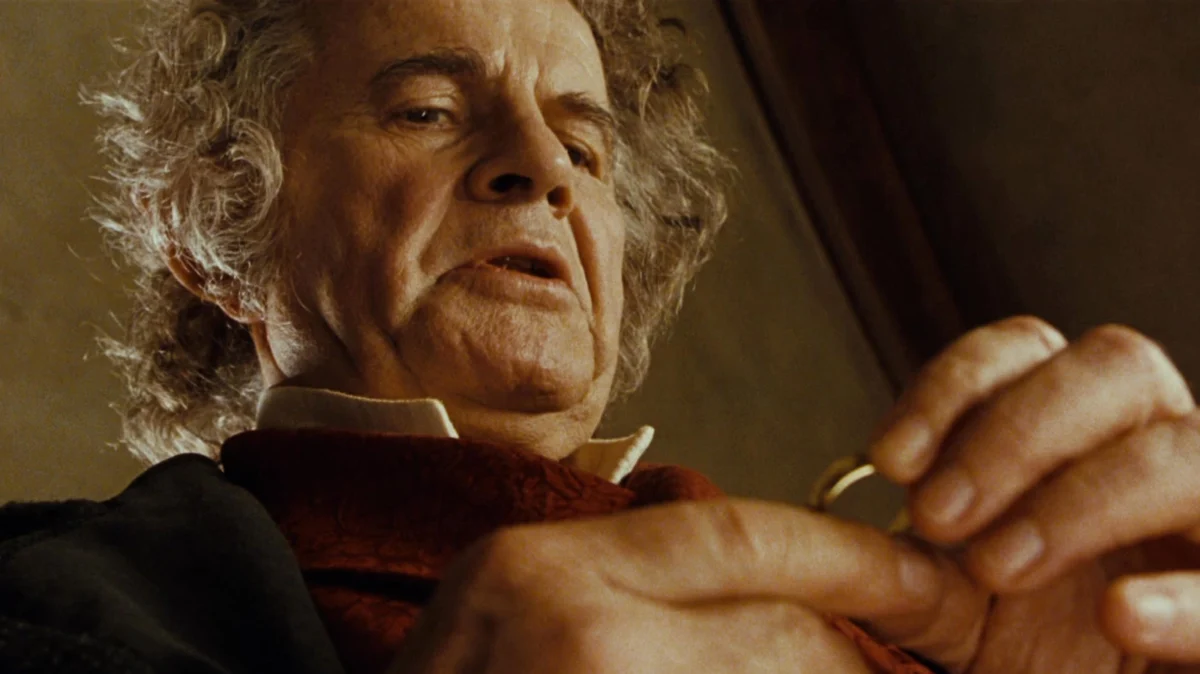
The year 2026 has proven to be a watershed moment for the sprawling, multi-generational fandom of J.R.R. Tolkien’s legendarium. As the cinematic and streaming landscape of Middle-earth continues to expand—with the third season of Amazon Studios’ The Rings of Power arriving this November and the highly anticipated return of Andy Serkis in The Hunt for Gollum slated for late 2027—a new, seismic shift has emerged. Behind the scenes, the architect of modern Middle-earth, Peter Jackson, is engaged in high-level discussions that could fundamentally change the scope of future adaptations.
In a recent revelation that has sent shockwaves through the industry, Jackson disclosed that he and Warner Bros. are actively pursuing licensing rights for J.R.R. Tolkien’s deeper, more complex works: The Silmarillion and Unfinished Tales. This move signals a desire to move beyond the limited appendices of The Lord of the Rings and into the "meaty" foundations of Tolkien’s mythology.
The Quest for Rights: Why the "Meaty" Stories Matter
For years, the legal landscape surrounding Middle-earth has been notoriously fractured. Major projects, including The Rings of Power and various film iterations, have been largely confined to the source material found in The Hobbit and The Lord of the Rings. While these texts provide the backbone of the Third Age, they are mere glimpses into the vast history of Middle-earth.
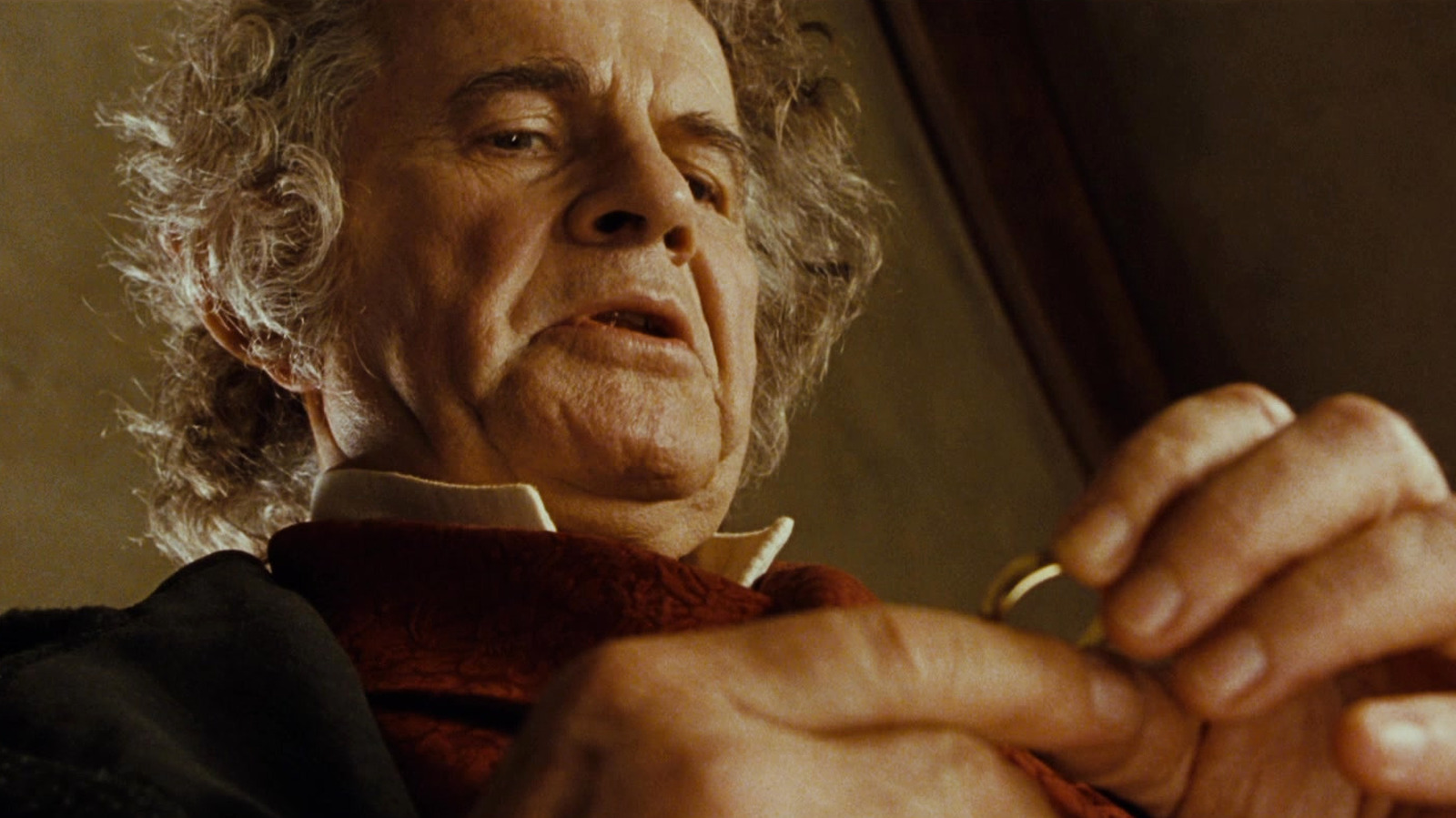
"A combination of Warner’s and us have been talking to some of the younger Tolkien members who are now part of the board about the possibility of actually licensing some of the rights to the other books," Jackson noted in an interview with Deadline. "It would be nice to get away from the appendices and get something a bit more meaty."
The limitation of current adaptations is not a lack of vision, but a lack of access. The stories contained within The Silmarillion offer a cohesive, mythic, and grander scale of storytelling that bridges the gap between simple adventure and epic tragedy. By securing these rights, Jackson and Warner Bros. could potentially unlock an entirely new cinematic universe.
Chronological Tapestry: The First and Second Ages
To understand the potential of these new acquisitions, one must look at the chronology of Tolkien’s world. While The Lord of the Rings occupies the waning years of the Third Age, the material in The Silmarillion spans the vast, cataclysmic events of the First and Second Ages.
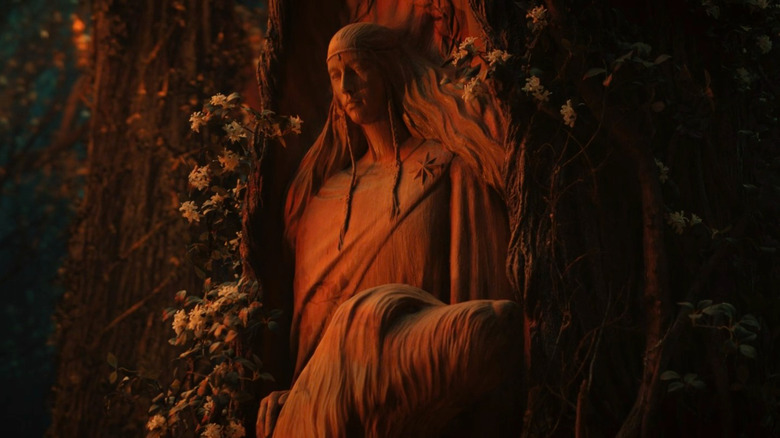
1. The Tragic Romance of Beren and Lúthien
Perhaps the most iconic tale from the First Age is the story of Beren, a mortal man, and Lúthien, an immortal Elf-maiden. Their romance is the heart of Tolkien’s mythos. The narrative structure is one of high-stakes fantasy: Lúthien’s father, King Thingol, demands an impossible price for her hand—a Silmaril, a holy jewel held in the crown of the Dark Lord Morgoth.
This story offers a perfect blend of grounded emotional stakes and high-fantasy spectacle. It features the legendary wolf Carcharoth, the aid of Huan the hound, and the magical influence of Lúthien herself. Unlike many traditional hero-centric narratives, Lúthien stands as the primary agent of change, providing a modern, character-driven focus that would resonate with contemporary audiences.
2. The Dark Descent: The Children of Húrin
For those seeking a departure from the "good vs. evil" tone of the Hobbit films, The Children of Húrin presents a grim, Shakespearean tragedy. It follows the life of Turin Turambar, a hero cursed by the Dark Lord Morgoth to witness the destruction of his family.
This narrative is notably darker and more cynical than other Middle-earth stories. It explores themes of hubris, trauma, and the inevitability of fate. Adapting this would require a shift in tone toward a more mature, perhaps "Game of Thrones-esque" aesthetic. It is a story of profound loss and accidental catastrophe, offering a visceral look at the cost of war that the lighter films never fully explored.
3. The Fall of Gondolin: A Heroic Tragedy
Parallel to the tragedy of Húrin is the tale of Tuor and the Fall of Gondolin. Tuor, guided by the Vala Ulmo, discovers the hidden city of Gondolin and attempts to warn its king, Turgon, of the impending doom brought by Morgoth.
The story is a "feel-good tragedy"—it contains moments of profound beauty and victory, even as it marches toward an inevitable, heartbreaking conclusion. It also introduces crucial figures like Eärendil the Mariner, the father of Elrond. A film adaptation here would provide a spectacle of grand architectural wonder—the city of Gondolin—and a climax involving one of the most famous duels in history: Glorfindel versus a Balrog.
Second Age Narratives: Beyond the Current Scope
While The Rings of Power has begun exploring the Second Age, Unfinished Tales contains deeper, more intimate character studies that remain untouched.
The Mariner’s Wife: Aldarion and Erendis
The story of Aldarion and Erendis is a high-concept drama that would serve as a welcome change of pace from the typical "quest" structure. It is a love triangle involving a prince, a woman, and the sea. It explores the cultural evolution of Númenor, the maritime empire of Men, and the strain that ambition and duty place on interpersonal relationships. This is a story of internal conflict rather than battlefield warfare, offering a "deep cut" that could provide an intellectual and emotional anchor for future projects.
The Friendship of Gondor and Rohan: Cirion and Eorl
For fans who enjoyed the recent The War of the Rohirrim, the story of Cirion and Eorl acts as a definitive prequel. It explains how the horse-lords of Rohan came to inhabit the plains they now defend. It is a quintessential Tolkienian tale: a desperate alliance, a hopeless battle against an overwhelming horde, and a timely intervention that seals an eternal bond between two kingdoms.
Implications for the Future of Middle-earth
The potential acquisition of these rights would allow Warner Bros. to move away from the "appendices-only" strategy, which has frequently left writers and directors struggling to fill in narrative gaps with conjecture. With the full text of The Silmarillion and Unfinished Tales, the creative team would have a roadmap for hundreds of years of history.
The Role of the Tolkien Estate
The fact that Jackson is negotiating with "the younger Tolkien members" on the board suggests a shift in the Estate’s relationship with filmmakers. Historically, the Tolkien family was protective to the point of litigation regarding adaptations. The newfound cooperation indicates that a new generation of stewards is more willing to see their ancestor’s work expanded upon, provided the quality remains high.
Industry Impact
If these projects move forward, they would solidify Warner Bros.’ hold on the fantasy market, effectively creating a "Cinematic Middle-earth Universe" that could rival the interconnected storytelling of the Marvel Cinematic Universe or Star Wars. It would also ensure that Peter Jackson, despite his occasional reservations about returning to the director’s chair for long-term projects, remains the central authority on the aesthetic and tone of Middle-earth.
Conclusion: A New Dawn?
The prospect of seeing the First Age brought to life with the budget and technical mastery of a modern production is the "Holy Grail" for Tolkien fans. While the Lord of the Rings trilogy remains a high-water mark for fantasy cinema, it only scratched the surface of the world J.R.R. Tolkien created. By moving into the deeper, more complex histories of The Silmarillion, Peter Jackson and his partners are not just making more movies—they are attempting to complete the picture of a legendarium that has captivated the world for nearly a century. Whether these stories appear as high-budget films or serialized epics, one thing is clear: the road goes ever on.











No comments yet. Be the first to join the conversation!