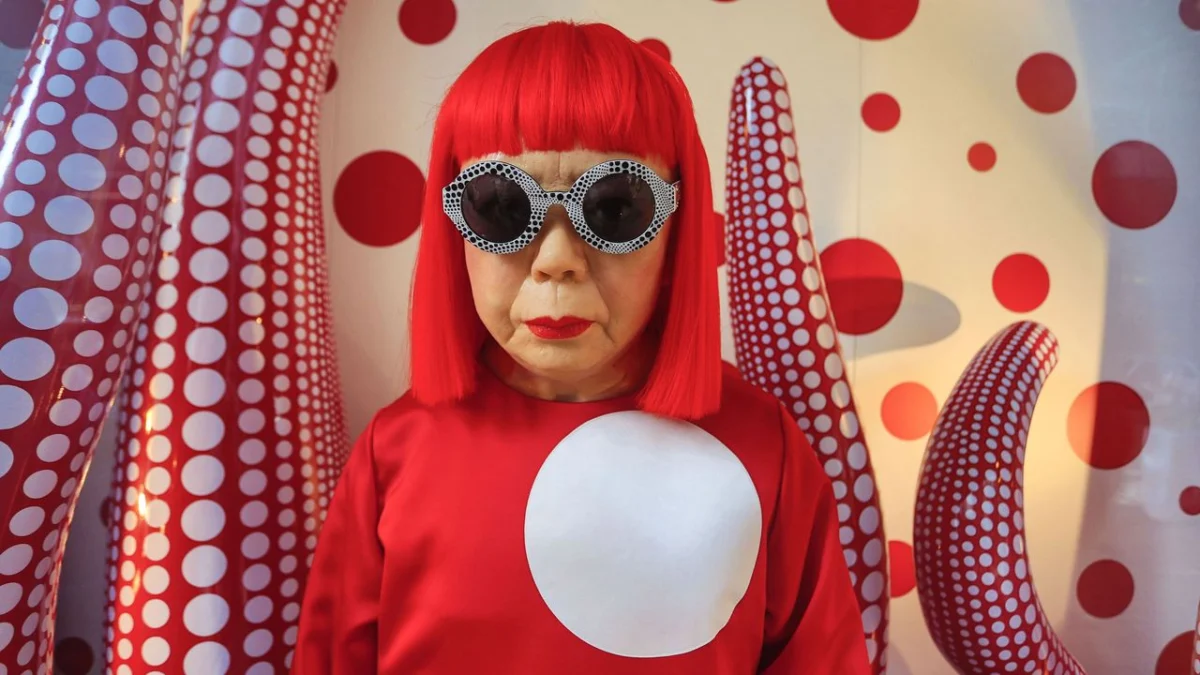
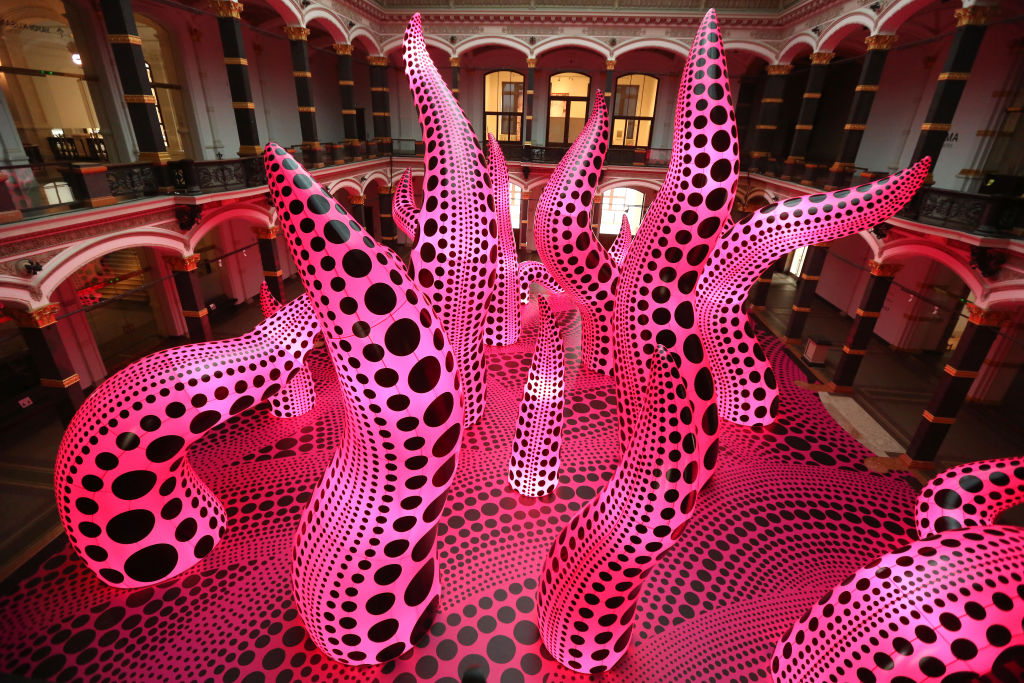
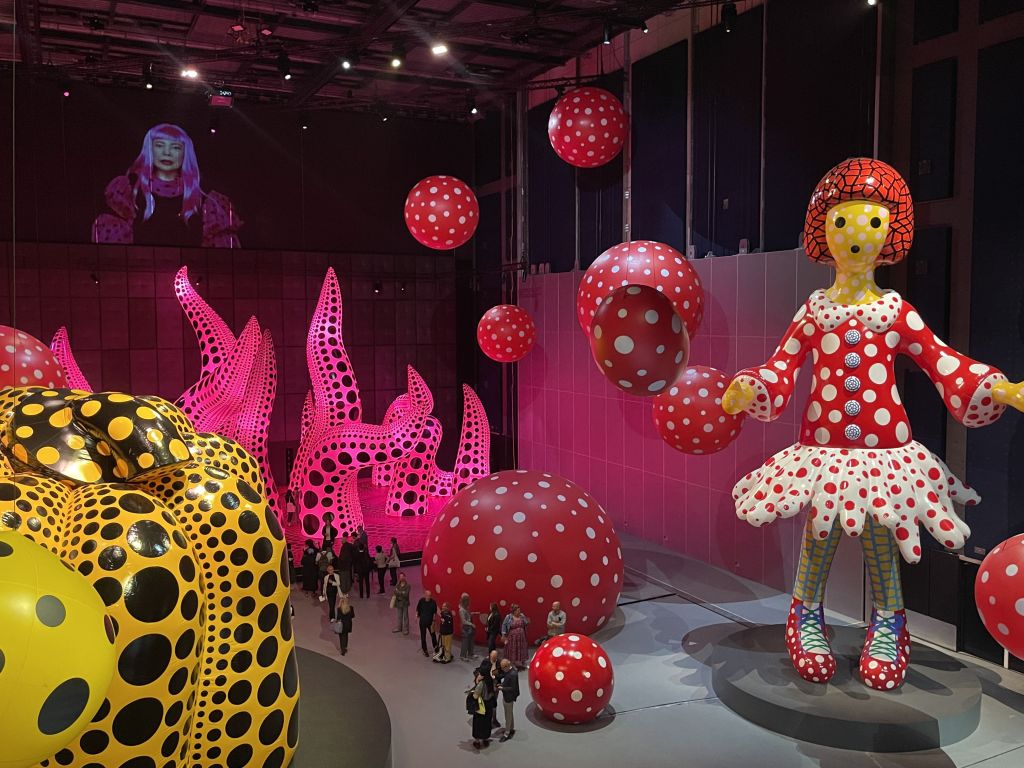
The art world is in mourning following the passing of Yayoi Kusama, the visionary Japanese artist whose hypnotic polka dots and immersive "Infinity Mirror Rooms" transformed the landscape of contemporary art. Her studio confirmed this week that the iconic artist died in a hospital on August 14 at the age of 97. Kusama, often referred to as the "Princess of Polka Dots," leaves behind a monumental legacy that bridges the gap between avant-garde performance art, pop art, and minimalism, all while maintaining a deeply personal narrative of survival through creation.
For over five decades, Kusama lived voluntarily in a Tokyo psychiatric facility, maintaining a studio just across the street. Her life was defined by an unrelenting, almost mechanical dedication to her craft—a practice she described not merely as a profession, but as a physiological necessity. For Kusama, art was the singular tether that kept her psychological pain, profound anxiety, and existential fear at bay.
A Life Dedicated to the Canvas: A Chronology of Artistic Survival
Yayoi Kusama’s journey began in Matsumoto, Japan, in 1929. Her early life was marked by the severe, authoritarian nature of her mother and a fractured family environment, which served as the crucible for her early artistic expressions. She began experiencing hallucinations at a young age, often seeing flashes of light, auras, or dense fields of dots—the very motifs that would later define her global aesthetic.
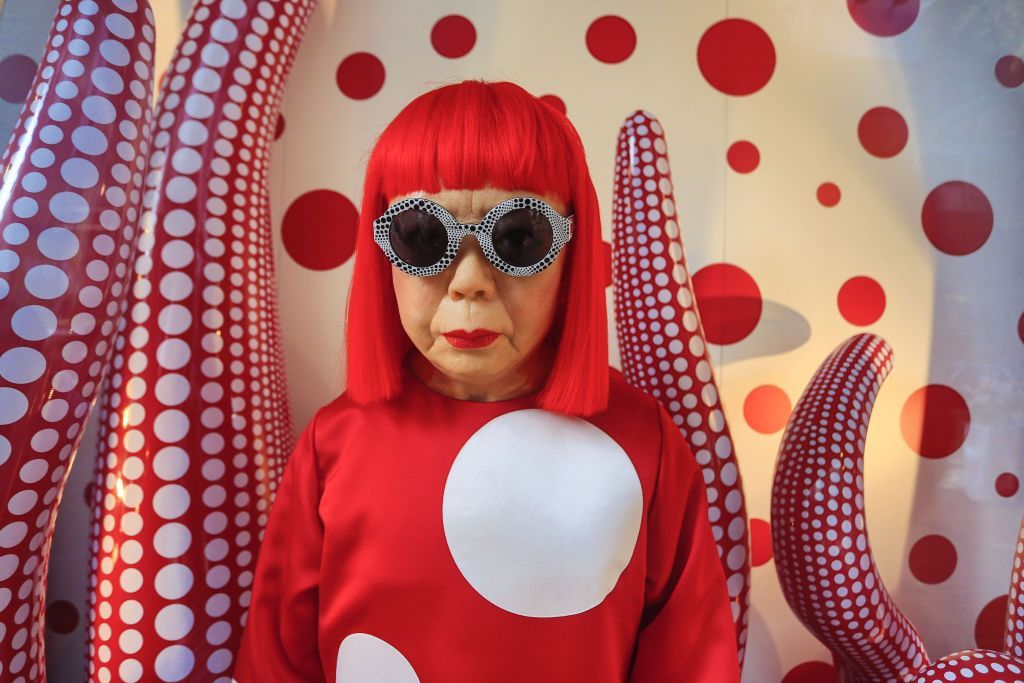
- The Early Years (1929–1957): Kusama began painting as a child to escape the turmoil of her home life. Her early work focused on the "obliteration" of the self through the repetition of patterns.
- The New York Era (1958–1973): Seeking an escape from the conservative art scene in Japan, she moved to New York City. During this time, she became a central figure in the avant-garde movement, staging "happenings," anti-war protests, and creating her famous "Infinity Nets"—vast, repetitive paintings that signaled her obsession with the infinite.
- The Return to Tokyo (1973–1990s): Following a period of declining health and exhaustion, Kusama returned to Japan, where she checked herself into a psychiatric facility. It was here that she found the stability to continue her work, entering a period of prolific production that continues to influence the world today.
- Global Recognition (2000s–2024): The 21st century saw a massive resurgence in interest in her work. From collaborations with luxury fashion houses like Louis Vuitton to record-breaking exhibition attendance at institutions like the Tate Modern and the Hirshhorn Museum, Kusama became a household name.
The Philosophy of the Infinite: Art as Survival
To understand Kusama’s work is to understand her internal struggle. She famously noted in her autobiography, Infinity Net: "I fight pain, anxiety, and fear every day, and the only method I have found that relieves my illness is to keep creating art."
This perspective shifts the lens through which we view her "polka dots." While the public often views her installations as playful, whimsical, or decorative, for Kusama, they were a rigorous, disciplined form of self-medication. The repetition of dots allowed her to lose her identity within the work—a concept she termed "self-obliteration." By covering surfaces, objects, and eventually her own body in these patterns, she sought to dissolve her anxiety into the infinite.
In a 2015 interview with the Tate, she articulated the ambition that drove her through her late nineties: "I’ve sought for the truth of art with an ambition and fought like hell all my life to accomplish my purpose as a human being."
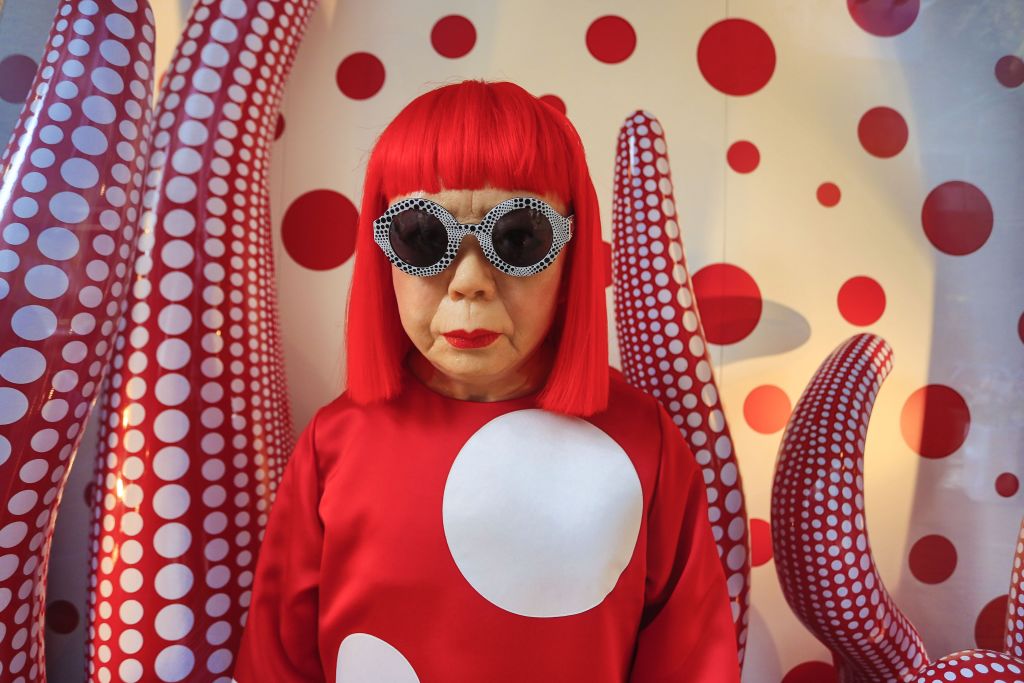
Official Responses and Industry Impact
The global art community has responded with profound respect for a career that spanned nearly a century. Museum directors, curators, and fellow artists have praised her for her unwavering consistency.
"Kusama was not just an artist; she was a force of nature who taught us that creativity is the most potent form of resilience," said a spokesperson for one of the major galleries that represented her. Her ability to remain relevant across generations—from the radical 1960s to the digital age of the 2020s—is cited by critics as a testament to the universality of her themes. Her work, which initially struggled for recognition in a male-dominated art world, eventually broke through every glass ceiling, proving that her unique, obsessive vision held more weight than the trends of the day.
The Enduring Creative Spark: Producing Until the Final Hour
One of the most remarkable aspects of Kusama’s life was her refusal to slow down. Even into her nineties, she maintained a rigorous schedule, painting daily. In a 2023 interview with The Art Newspaper, she stated with characteristic defiance: "I do not feel the difference between my earlier creation and now. I never run out of ideas so I shall continue to show new things."
This work ethic was not fueled by a desire for fame, but by an internal compulsion. She viewed her output as a race against time, once remarking, "I will keep on making my art until the day I die. And even after I die, my spirit will keep creating new art."
Her focus on "creating a world in awe of life" remained central to her message. She used her platform to advocate for love, peace, and an appreciation for the cosmos. When asked about her legacy, she often shifted the focus back to the present moment, emphasizing that she was "giving all I have so that many people will continue to be interested in my art, even after I am dead."
Implications: A New Era for Contemporary Art
The death of Yayoi Kusama marks the end of an era, but it also signals a shift in how we perceive the role of the artist in mental health and societal discourse. Kusama was a pioneer in using her own struggles as the subject matter of her work long before it was socially acceptable to discuss mental health openly.
Her life challenges the traditional "starving artist" trope, replacing it with the image of the "surviving artist." She demonstrated that institutional support and creative practice could exist in tandem, even for those grappling with severe mental health challenges.
As we look toward the future of art, the "Kusama effect"—the marriage of immersive technology with deeply personal, repetitive, and meditative patterns—will undoubtedly continue to influence how galleries structure exhibitions. Her work has turned art into an experience, moving it from the wall to the space around the viewer, encouraging a sense of wonder that transcends language and culture.
Conclusion: The Dots Live On
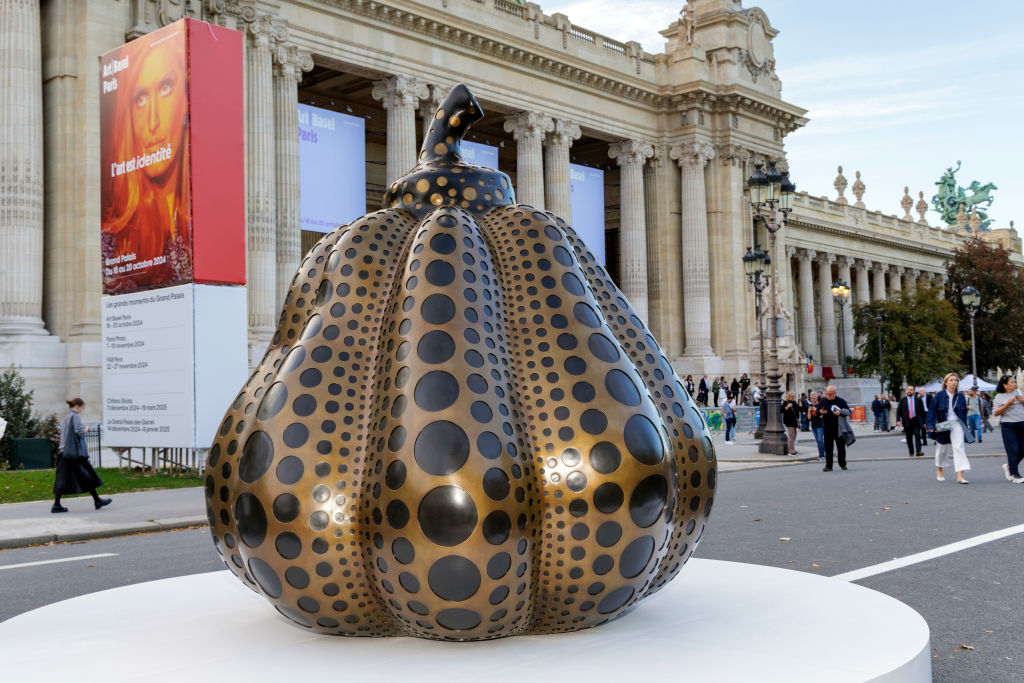
Yayoi Kusama spent close to a century using art as the fuel to sustain her existence. She transformed her suffering into a vibrant, universal language of dots, nets, and pumpkins that have become icons of contemporary culture.
Whether one interprets her work through the lens of feminist critique, minimalist sculpture, or psychological catharsis, the result remains the same: she succeeded in her goal of making her spirit infinite. She was a woman who, in her own words, was "too busy with myself to worry about a man-woman problem," finding refuge in the work that kept her safe.
As the art world processes this loss, the enduring image of Yayoi Kusama remains one of a woman at her easel, brush in hand, staring into the infinite and finding, in the heart of her own pain, a profound and lasting beauty. She may have passed, but the dots she cast into the universe continue to multiply, ensuring that her presence will be felt for generations to come.