Laily UPN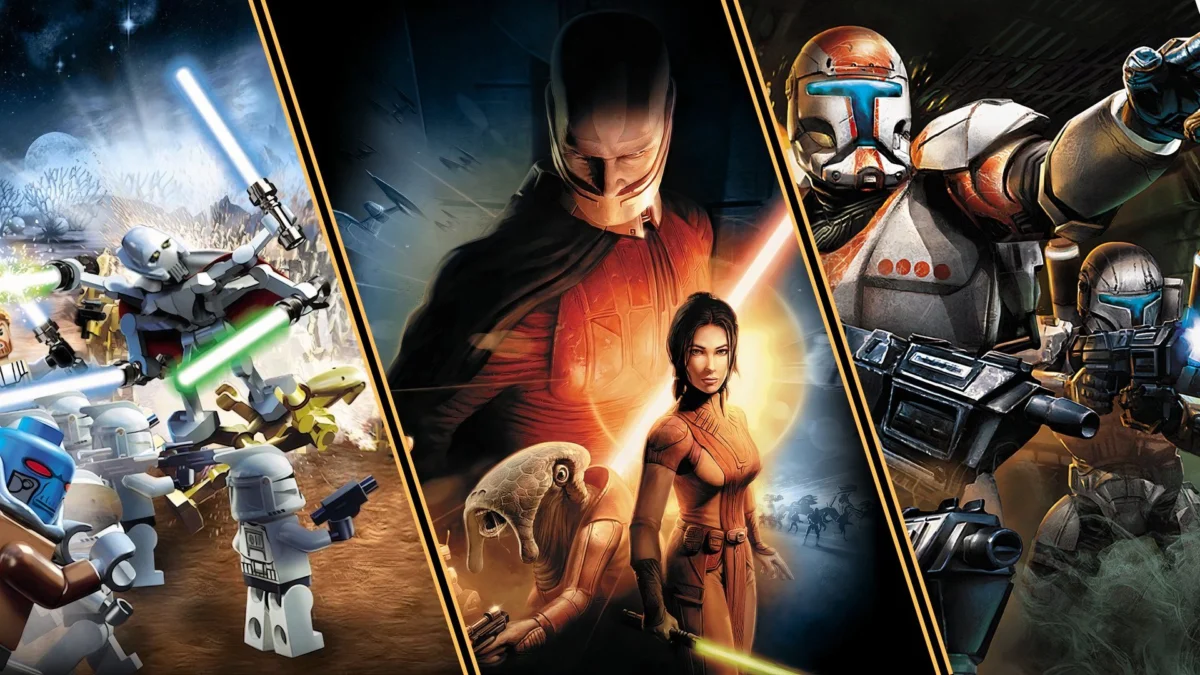
The iconic opening crawl of every Star Wars film promises audiences a journey through a galaxy teeming with diverse alien worlds, from the desolate sands of Tatooine to the lush forests of Endor. Yet, the limitations of cinematic storytelling, budget constraints, and the sheer brevity of feature films often mean these breathtaking locales are only glimpsed. While some planets mirror our own Earthly landscapes, others, like the bio-luminescent fungal swamps of Nal Hutta glimpsed in The Mandalorian and Grogu, remain tantalizingly alien. Fortunately for fans, the expansive universe of Star Wars video games has consistently offered a far more immersive and in-depth exploration of these fantastical realms, allowing players to traverse planets and engage with lore in ways the silver screen simply cannot.
This article delves into how Star Wars video games have transcended the limitations of film, providing players with unparalleled access to the galaxy’s most intriguing and diverse environments. We will examine how these interactive experiences have expanded our understanding of established worlds, introduced entirely new ones, and brought to life narratives that would be prohibitively complex or expensive for cinematic adaptation.
H2: The Cinematic Canvas: A Glimpse of the Galaxy
The Star Wars saga has always been synonymous with its visually stunning alien worlds. From the lava-scarred plains of Mustafar in Revenge of the Sith to the bustling, neon-drenched metropolises of Coruscant, these planets serve as more than mere backdrops; they are integral to the storytelling, shaping the cultures, conflicts, and characters that populate the galaxy. However, the nature of filmmaking dictates a focused narrative. While iconic locations like Hoth and Dagobah have been extensively explored in specific films, countless other planets and celestial bodies are introduced with minimal screen time, leaving much to the imagination.
The recent success of series like The Mandalorian and Grogu has reignited interest in the more obscure corners of the Star Wars universe, such as the aforementioned fungal swamps of Nal Hutta. These brief but evocative glimpses highlight the untapped potential for deeper exploration. While films excel at delivering grand, sweeping vistas and pivotal moments, the granular detail and lived-in feel of a planet’s ecosystem, its inhabitants’ daily lives, and its hidden histories are often sacrificed for pacing and narrative efficiency. This is precisely where video games have carved out their indispensable niche.
H2: Interactive Worlds: Beyond Budgetary and Temporal Constraints
The transition from passive viewing to active participation fundamentally alters the audience’s relationship with a fictional world. Video games, by their very nature, invite players to inhabit these alien landscapes, interact with their inhabitants, and uncover their secrets. This level of engagement is a luxury rarely afforded by filmmaking.
H3: Star Wars: Battlefront II – The Ground-Level Perspective
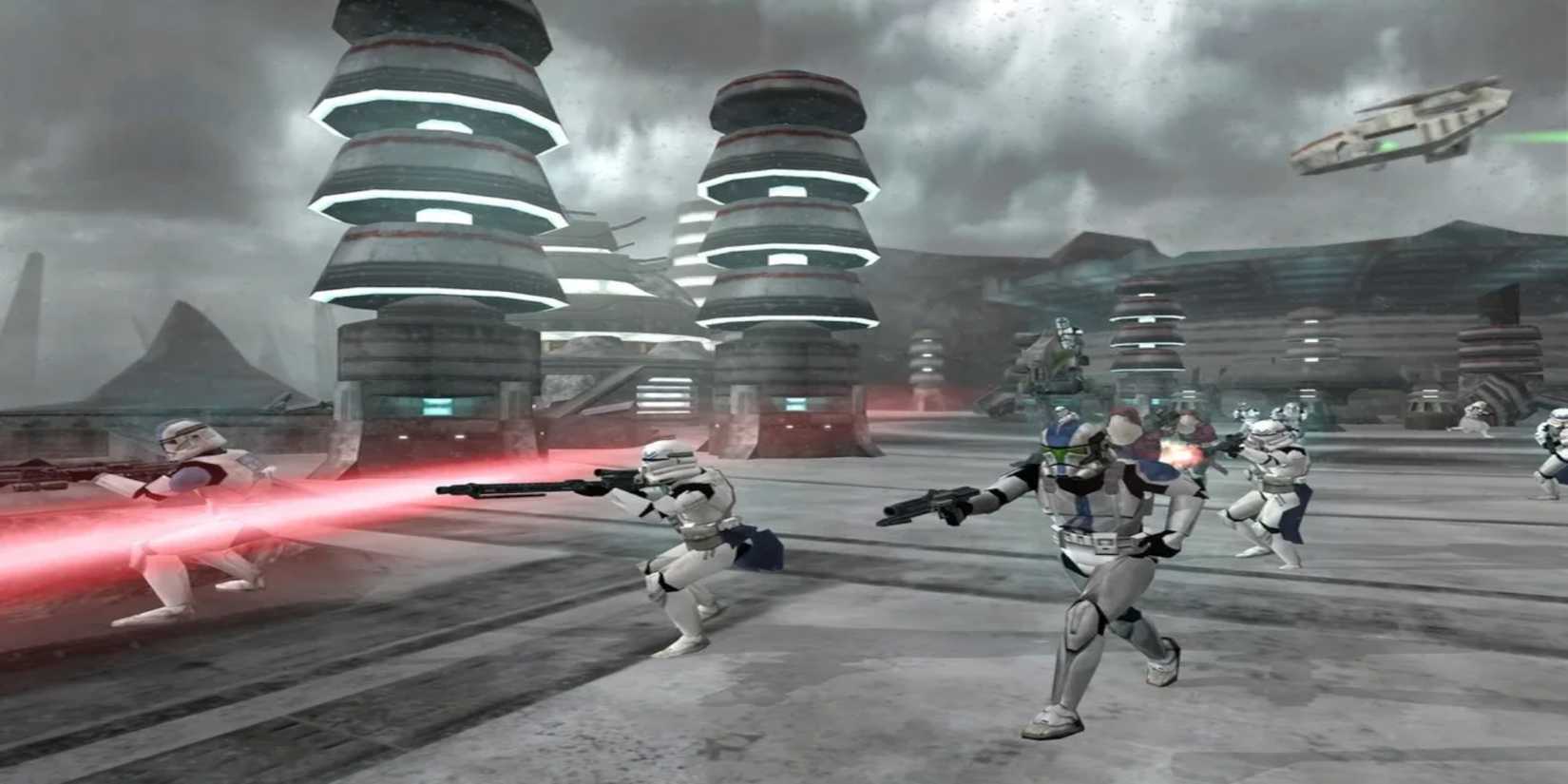
Pandemic Studios’ Star Wars: Battlefront II (2005) stands as a testament to this interactive exploration. While the game masterfully recreates iconic battles from the original six films, its true genius lies in its campaign mode. Players don the armor of a Clone Trooper of the 501st Legion, experiencing the Clone Wars and the Galactic Civil War from the trenches. This perspective, focusing on the common soldier rather than the Jedi or Sith, offers a gritty, boots-on-the-ground view of war-torn planets. The sheer scale of battles, the cacophony of blaster fire, and the visceral impact of combat on these alien terrains are brought to life with a ferocity rarely seen in the films. The game allows players to explore the brutal realities faced by ordinary soldiers on worlds like Felucia and Endor, environments that, in the films, are often presented as mere stages for larger conflicts. The game’s ability to depict the sheer volume of combat across numerous fronts, from the jungles of Felucia to the besieged cities of Polis Massa, would be an astronomical undertaking for any film production.
H3: Star Wars Outlaws – Unveiling the Criminal Underbelly
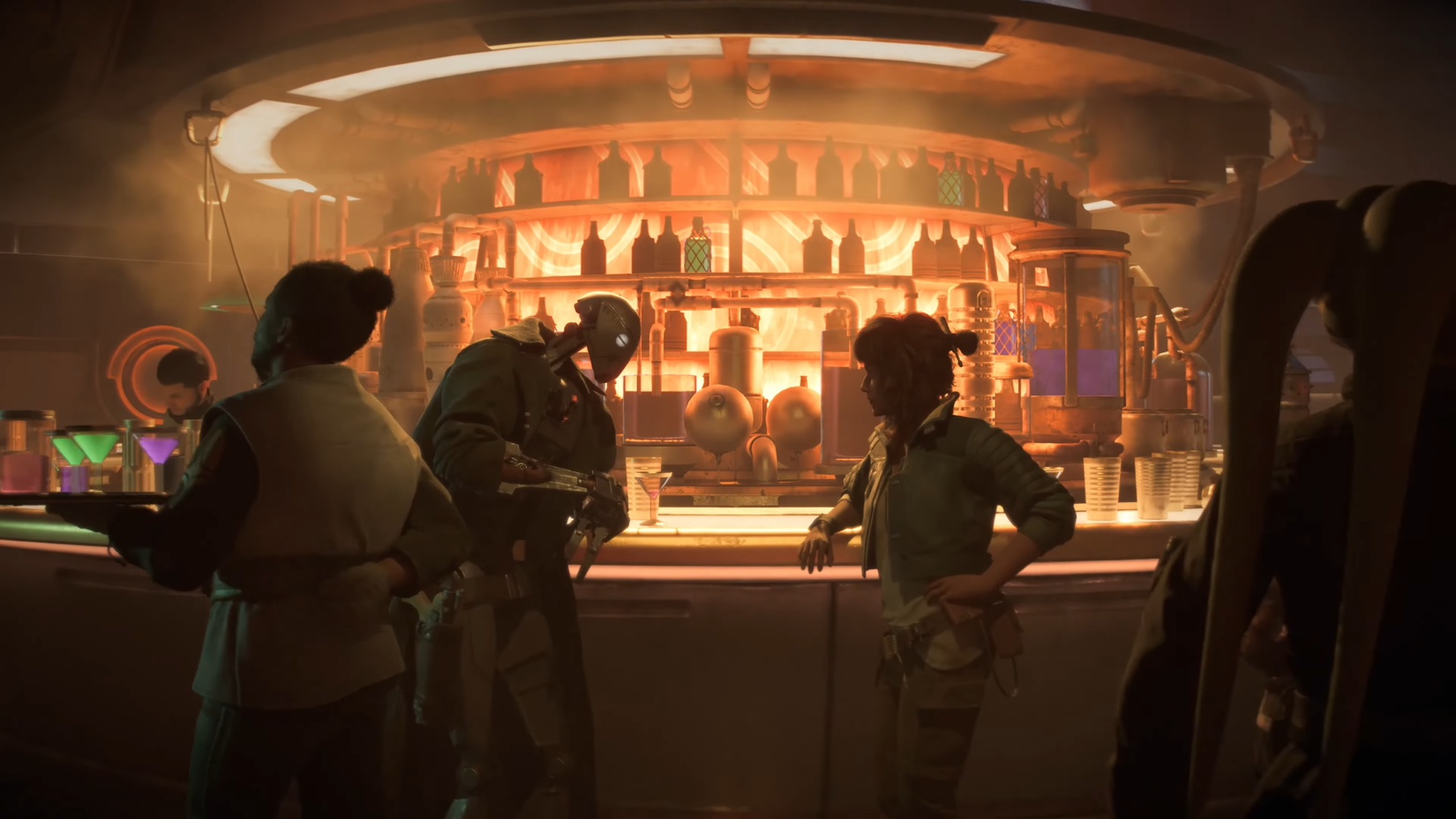
Ubisoft’s upcoming Star Wars Outlaws promises to be a landmark title, offering the first true open-world Star Wars experience. This ambitious project allows players to delve into the notorious criminal underworld of the galaxy, a facet of Star Wars that films have only ever hinted at. Players will traverse planets like Cantonica, Akiva, Kijimi, Tatooine, and Toshara, forging alliances and navigating treacherous relationships with powerful syndicates like the Pyke Syndicate and the Hutt Cartel. This freedom of exploration means players can experience these worlds not just as tourist destinations, but as living, breathing, and often dangerous ecosystems. The ability to interact with local factions, engage in illicit activities, and witness the day-to-day struggles and opportunities within these criminal networks provides a depth of world-building that would be incredibly challenging to convey in a two-hour film. The game’s focus on the criminal element also allows for the depiction of grittier, less sanitized environments and characters, further differentiating it from the often more heroic narratives of the films.
H3: Star Wars: The Force Unleashed – Unbridled Destructive Power
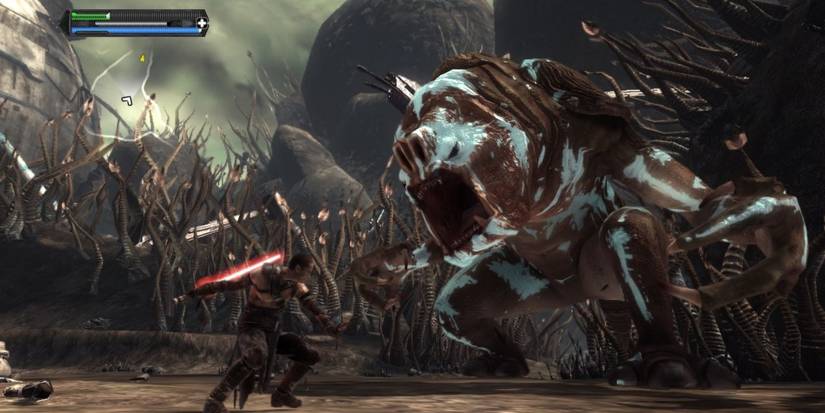
LucasArts’ Star Wars: The Force Unleashed (2008) pushed the boundaries of interactive destruction and environmental interaction. As Starkiller, Darth Vader’s secret apprentice, players are granted an almost god-like command over the Force. This power allows for unprecedented devastation on a variety of planets, including Kashyyyk, Raxus Prime, and Felucia. The game’s engine enables players to rip apart structures, hurl vehicles, and generally obliterate everything in their path. This level of interactive destruction offers a unique perspective on the power wielded by Force-sensitives, far beyond the controlled bursts of energy seen in the films. The dynamic nature of the environments, such as Felucia transforming from a vibrant jungle to an industrialized wasteland under Imperial occupation, showcases how game design can illustrate environmental degradation and the impact of conflict in a visually arresting and interactive manner. The sheer scale of destruction and the detailed manipulation of the environment would be incredibly costly and logistically complex to replicate on a cinematic scale.
H3: Star Wars: Bounty Hunter – Soaring Through Alien Skylines
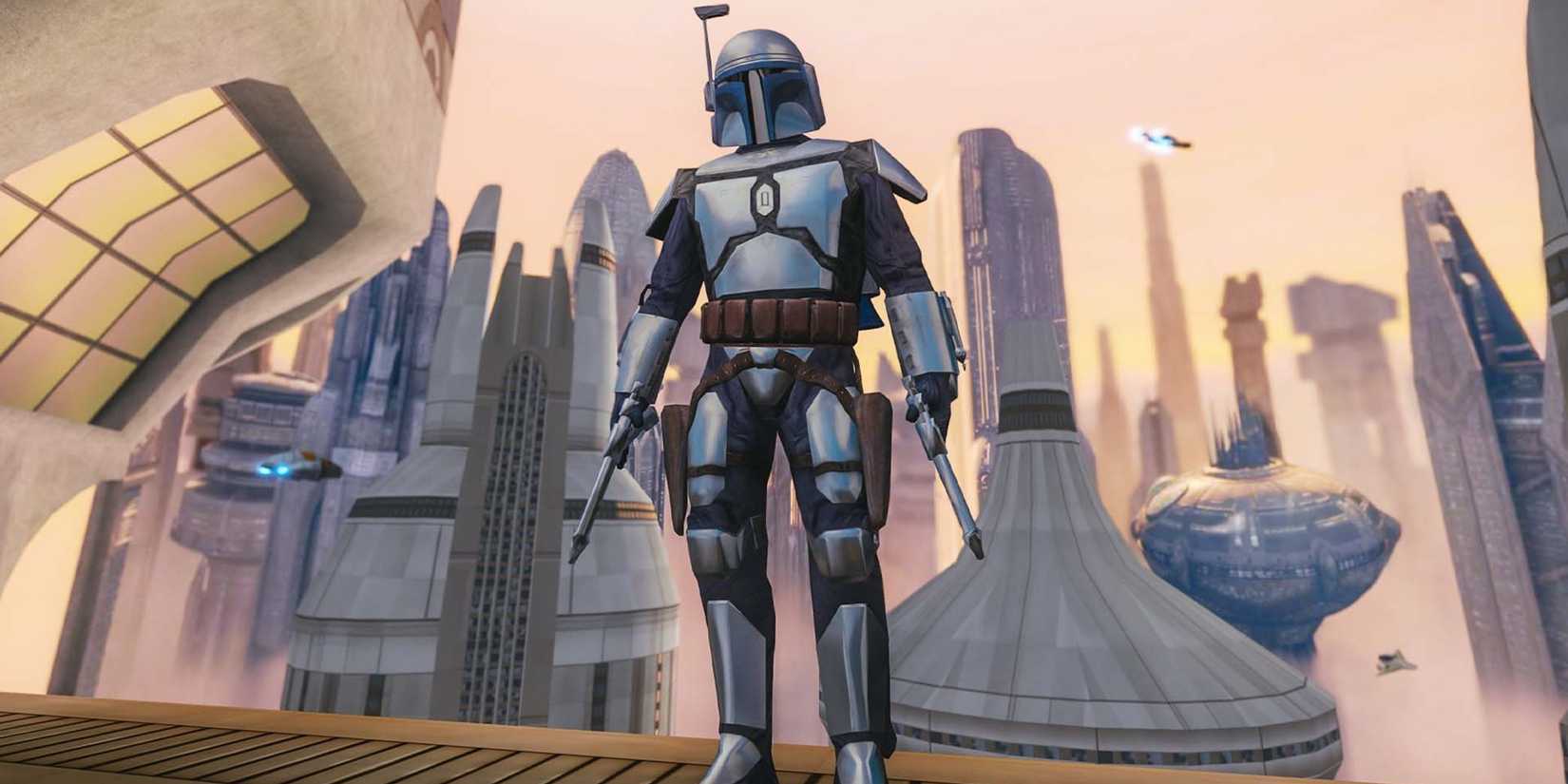
While Mandalorians have become increasingly prominent in Star Wars lore, their aerial prowess, particularly their jetpack capabilities, is rarely showcased in extended sequences within the films. Star Wars: Bounty Hunter (2002) directly addresses this by placing players in the boots of Jango Fett, a legendary Mandalorian bounty hunter. The game’s core mechanic involves high-octane aerial traversal through densely populated alien cityscapes and lush jungles. This allows for an unparalleled sense of freedom and verticality, offering a Blade Runner-esque vision of bustling, multi-layered metropolises filled with diverse alien life. The ability to seamlessly navigate these environments, pursue targets, and engage in dogfights high above the ground provides a thrilling perspective that films would struggle to replicate without extensive and potentially overwhelming CGI. The game effectively captures the essence of a bounty hunter’s life, emphasizing mobility and tactical advantage in complex urban environments.
H3: LEGO Star Wars III: The Clone Wars – Unsung Battles and Comedic Takes
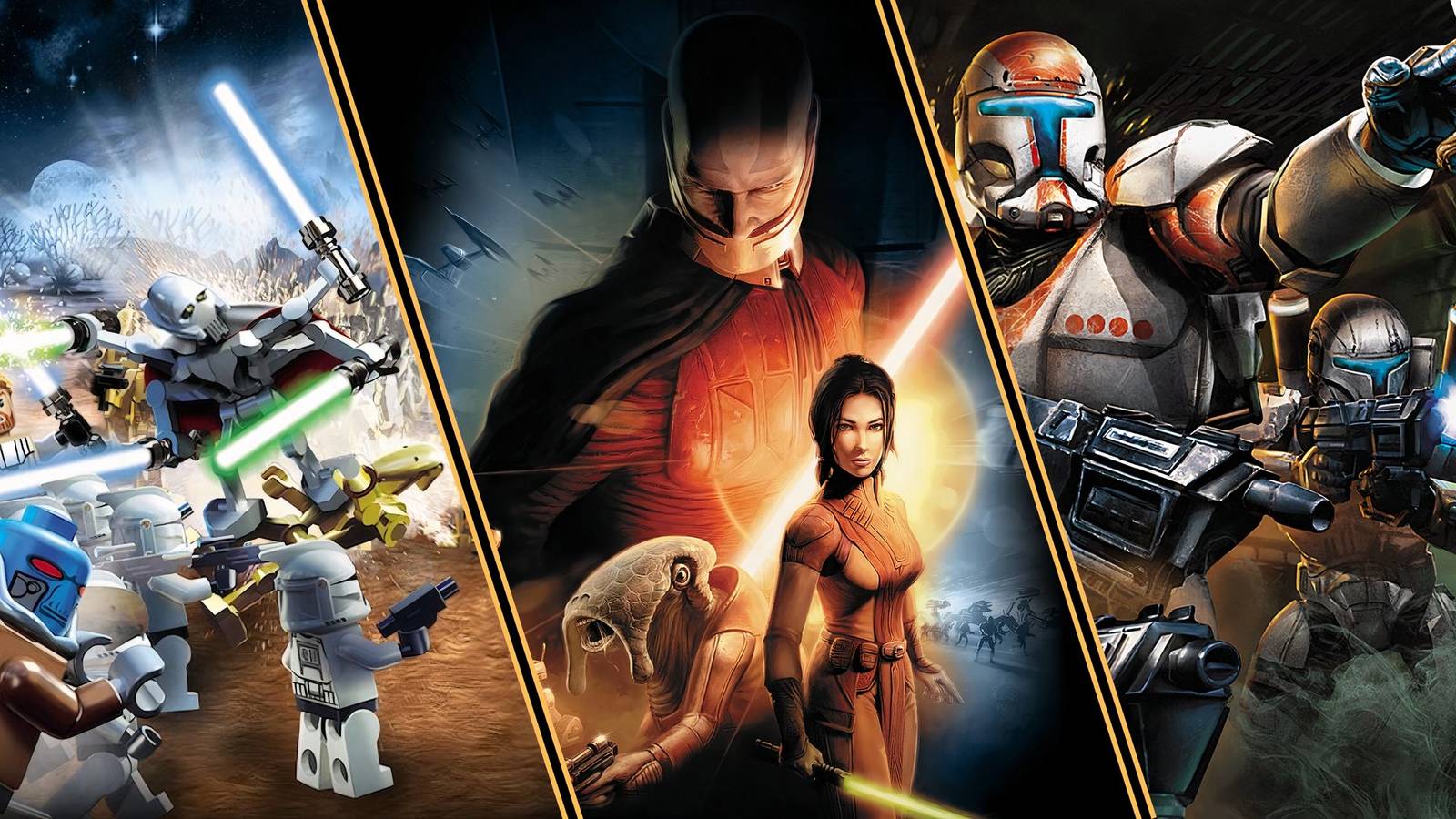
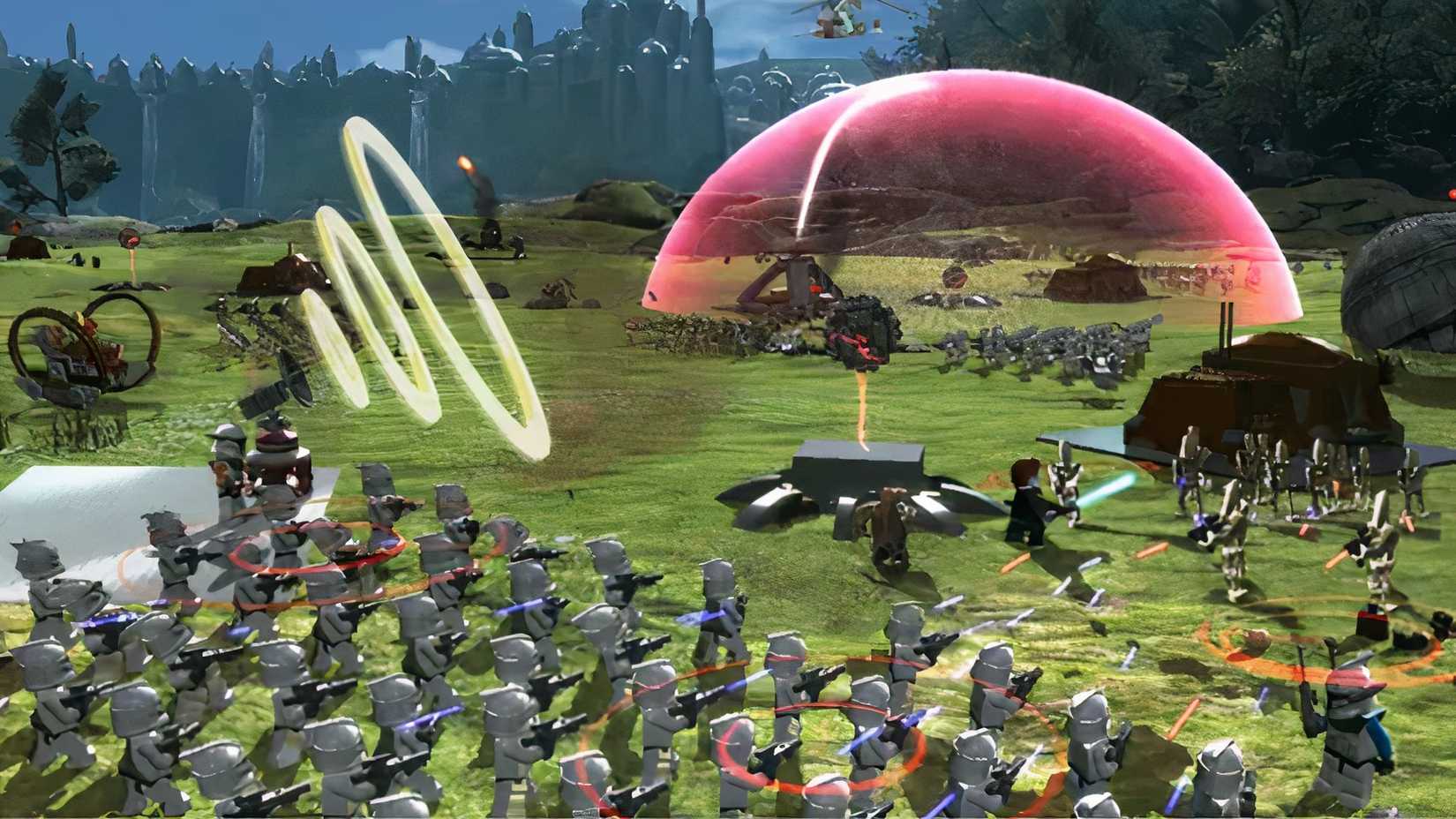
TT Games’ LEGO Star Wars III: The Clone Wars (2011) offers a unique and often overlooked avenue for exploring the Star Wars universe. Based on the popular animated series, the game delves into the lesser-known battles and storylines of the Clone Wars era. Players control a vast array of characters, from Anakin Skywalker and Obi-Wan Kenobi to Ahsoka Tano and lesser-known Clone Troopers, re-enacting pivotal moments with LEGO’s signature humor and charm. The game provides detailed depictions of events like the Second Battle of Geonosis and the Battle of Ryloth, offering insights into the strategic complexities and diverse combat scenarios of the era. These events, while significant to the lore, are often too niche or complex for a mainstream film adaptation. The LEGO format, however, allows for a lighthearted yet informative presentation, making these obscure battles accessible and engaging for a wider audience. The sheer volume of distinct planets and combat scenarios depicted would require a significant investment of time and resources for a cinematic adaptation.
H3: Star Wars: Republic Commando – The Grim Realities of War
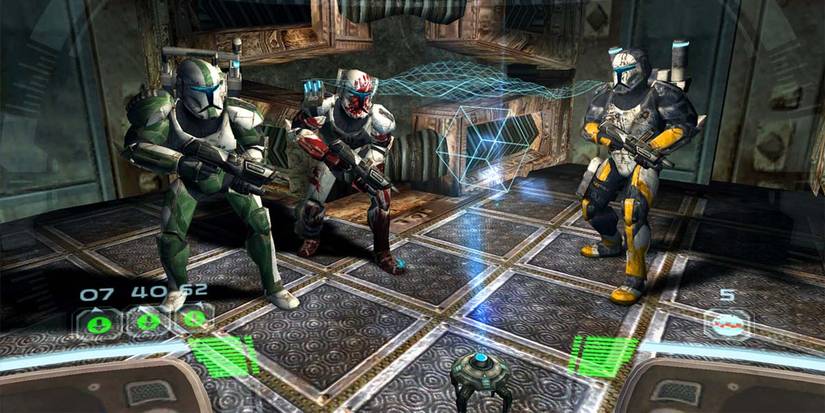
For those seeking a darker, grittier portrayal of the Star Wars galaxy, Star Wars: Republic Commando (2005) delivers. Set during the Clone Wars, this first-person shooter places players in the role of Boss, the leader of Delta Squad, an elite unit of Clone Commandos. The game eschews the heroic narratives often associated with the franchise, instead focusing on the brutal and often grim realities of warfare. Players navigate treacherous environments such as the underground hives of Geonosis, droid factories, and occupied Kashyyyk. The game’s visceral combat, stark visuals, and mature themes offer a stark contrast to the PG-13 rating of most Star Wars films. The depiction of the inner workings of Republic Cruisers, the horrors of Geonosian hives, and the grim consequences of war on planets like Kashyyyk are elements that Lucasfilm would likely deem too dark or violent for a mainstream cinematic release. This game provides an essential perspective on the human cost of the Clone Wars, a narrative that is difficult to convey through conventional filmmaking.
H3: Vader Immortal: A Star Wars VR Series – Immersive Terror on Mustafar
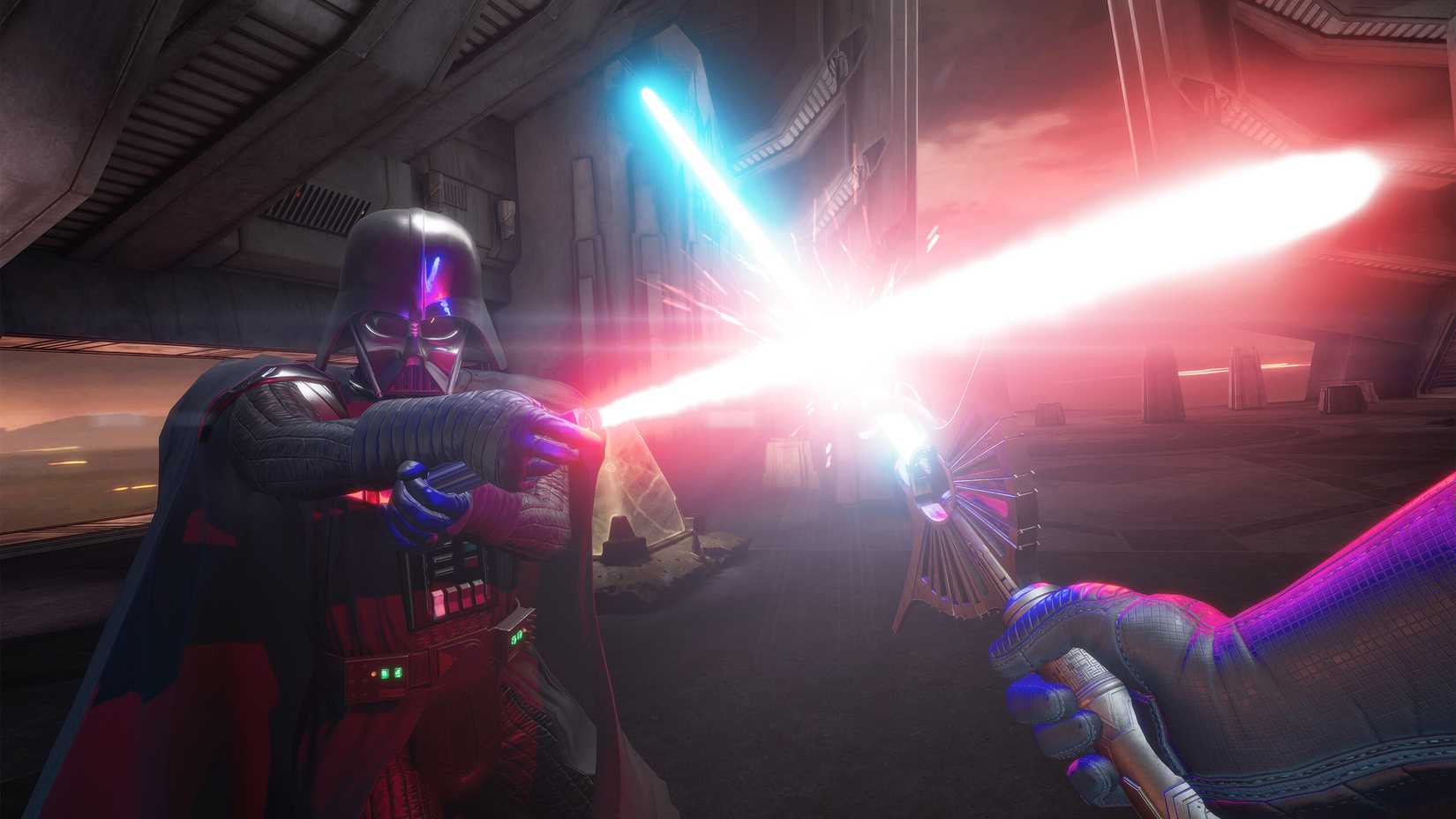
The volcanic planet of Mustafar, infamous as the site of Obi-Wan Kenobi and Anakin Skywalker’s climactic duel in Revenge of the Sith, serves as the central stage for Vader Immortal: A Star Wars VR Series (2019-2020). This virtual reality experience plunges players directly into the heart of Darth Vader’s domain. As a Force-sensitive smuggler captured by the Empire, players embark on a quest with Vader himself to uncover a powerful Mustafarian artifact. The VR format allows for an unprecedented level of immersion, enabling players to explore Vader’s imposing castle, industrial facilities, and ancient ruins in visceral detail. The claustrophobic corridors of Vader’s fortress and the oppressive volcanic landscape of Mustafar are brought to life with a chilling realism that films could only approximate. The ability to interact with the environment, wield a lightsaber, and even engage in combat with Stormtroopers in such an immediate and personal way offers a unique glimpse into the darker aspects of the Star Wars universe, particularly the horrors and mysteries of Mustafar.
H3: Star Wars: The Old Republic – A Deep Dive into an Ancient Era

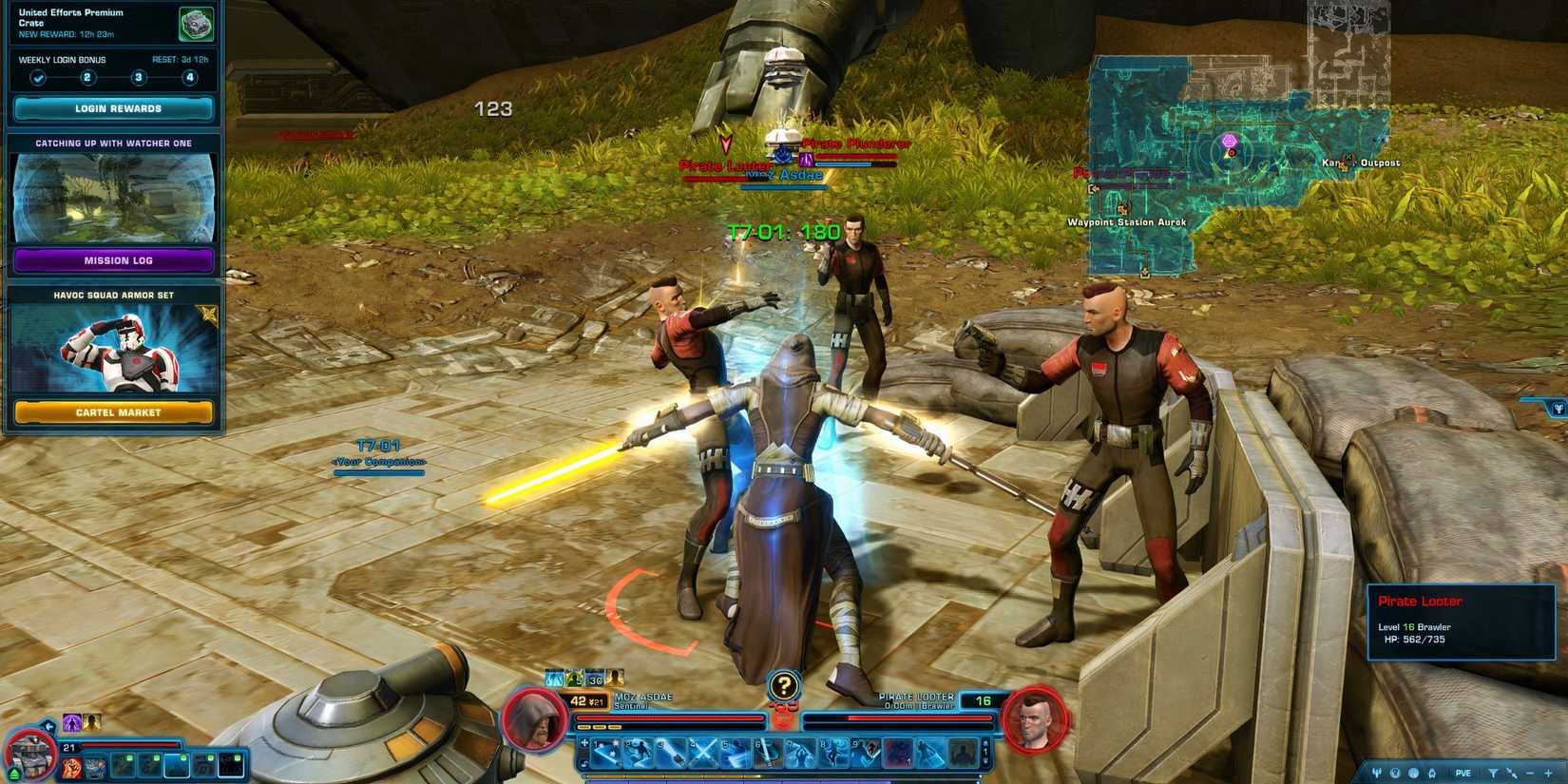
The era of the Old Republic represents one of the most challenging periods of Star Wars lore to translate to the big screen, particularly within the established Legends continuity. Thousands of years before the Skywalker Saga, this era was characterized by vast, architecturally complex worlds, intricate political machinations, and galaxy-spanning conflicts. The MMORPG Star Wars: The Old Republic (2011) offers players an unparalleled opportunity to explore this rich period. The game boasts over 30 distinct planets, each with its own unique history, culture, and architecture, all caught in the throes of a massive war between the Galactic Republic and the resurgent Sith Empire. From the bustling metropolises of planets like Coruscant and Nar Shaddaa to the ancient ruins and hidden temples of worlds like Tython and Korriban, SWTOR provides a scope and depth of exploration that would be logistically and financially prohibitive for a film. While future films may touch upon ancient Jedi origins, the specific visual and narrative tapestry of The Old Republic as presented in the game offers a definitive interactive experience.
H3: Star Wars: Beyond Victory – Mixed Reality Innovation
Star Wars: Beyond Victory – A Mixed Reality Playset (2025) pushes the boundaries of interactive storytelling by utilizing a mixed-reality approach. Unlike traditional VR experiences, this title blends virtual elements with the player’s real-world environment. The game offers dual gameplay perspectives: first-person for adventure mode, allowing for intimate immersion in narrative sequences, and top-down third-person for arcade modes like podracing. This innovative presentation allows players to engage with the Star Wars universe in entirely new ways, experiencing iconic moments from unique viewpoints. While the first-person perspective can be polarizing in film, and podracing itself has a divisive reputation among fans, the mixed-reality format and diverse gameplay mechanics offer a fresh take on interactive Star Wars storytelling that is unlikely to be replicated in a traditional cinematic format. The ability to seamlessly integrate virtual elements into a real-world setting provides a novel way to experience the galaxy far, far away.
H3: Star Wars: Knights of the Old Republic – The Pinnacle of Galactic Exploration
Arguably the greatest Star Wars game of all time, Star Wars: Knights of the Old Republic (2003), offers the most comprehensive exploration of the galaxy far from the confines of cinematic limitations. Set approximately 4,000 years before The Phantom Menace, this beloved RPG allows players to embody an amnesiac human caught in the throes of the Jedi Civil War. The game’s narrative journey takes players to seven distinct planets and numerous space stations, each rendered with incredible detail and depth. From the ragtag, rakghoul-infested lower levels of Taris to the leviathan-filled oceans of Manaan, KOTOR presents worlds in their truest, most unadulterated forms. The sheer variety of environments, the intricate lore, and the player’s agency in shaping the narrative make it an unparalleled interactive experience. Recreating such a diverse and expansive set of locations, each with its own unique ecosystems, cultures, and historical significance, would be an monumental undertaking for any film. KOTOR remains the gold standard for Star Wars game world-building, offering a definitive exploration of a bygone era.
H2: The Implication: Games as Essential Companions to the Saga
The Star Wars universe is a vast and ever-expanding tapestry, and video games have proven to be an indispensable medium for its continued growth and exploration. By transcending the inherent limitations of filmmaking, these interactive experiences allow fans to not only witness but actively participate in the unfolding saga. From the gritty realism of Republic Commandos to the epic scope of Knights of the Old Republic, games provide a depth of engagement that enriches our understanding and appreciation of the galaxy far, far away. As technology continues to advance, the potential for even more immersive and expansive Star Wars adventures in gaming remains limitless, promising to keep the spirit of exploration alive for generations of fans.


 Lina Irawan
 Sagoh
Sagoh