Raul Delapena Setiawan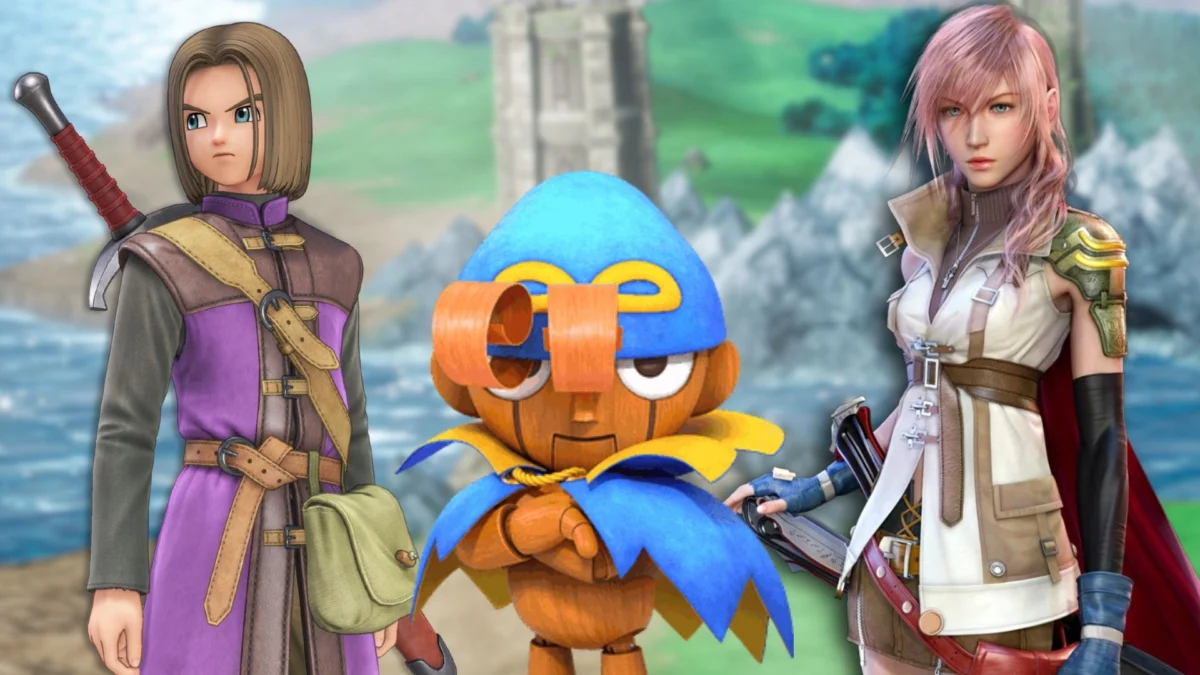
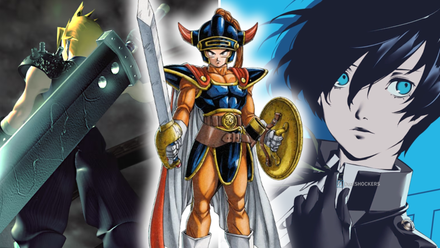
The Japanese Role-Playing Game (JRPG) genre is often viewed through the lens of its most recognizable tropes. From the spiky-haired hero destined to save the world to the sudden pivot from a localized threat to an interdimensional deity, these narrative pillars are the bedrock of the medium. Yet, among the most pervasive of these storytelling shortcuts is the "amnesiac hero"—the protagonist who wakes up in a field, a laboratory, or a prison cell with no memory of their past, serving as a blank slate for both the player and the world to project upon.
While this trope defined a golden era of gaming in the 1990s and early 2000s, its prevalence has waned in recent years. As developers lean toward more complex, character-driven narratives, the "memory-less wanderer" has become less of a default setting and more of an outlier. Today, we explore eight landmark JRPGs that consciously eschewed this cliché, opting instead for heroes with defined histories, clear motivations, and a firm grasp of their own identities.
The Evolution of the JRPG Protagonist
Historically, the amnesia trope served a mechanical purpose: it allowed the player to learn about the game’s lore alongside the character. If the hero doesn’t know who they are, the game can justify long-winded exposition dumps from NPCs. However, as game design matured, creators realized that a protagonist with a backstory offers far more narrative tension.
A character who remembers their past brings guilt, pride, and existing relationships to the table, creating conflict that isn’t just about "saving the world" but about personal reconciliation. The following titles represent a shift in the industry, moving away from the convenience of amnesia toward the richness of established identity.
1. Dragon Quest XI: Echoes of an Elusive Age
Dragon Quest XI stands as a monumental achievement in modern game design, acting as a love letter to the genre’s roots while refining the formula for a contemporary audience.
The Protagonist’s Clarity:
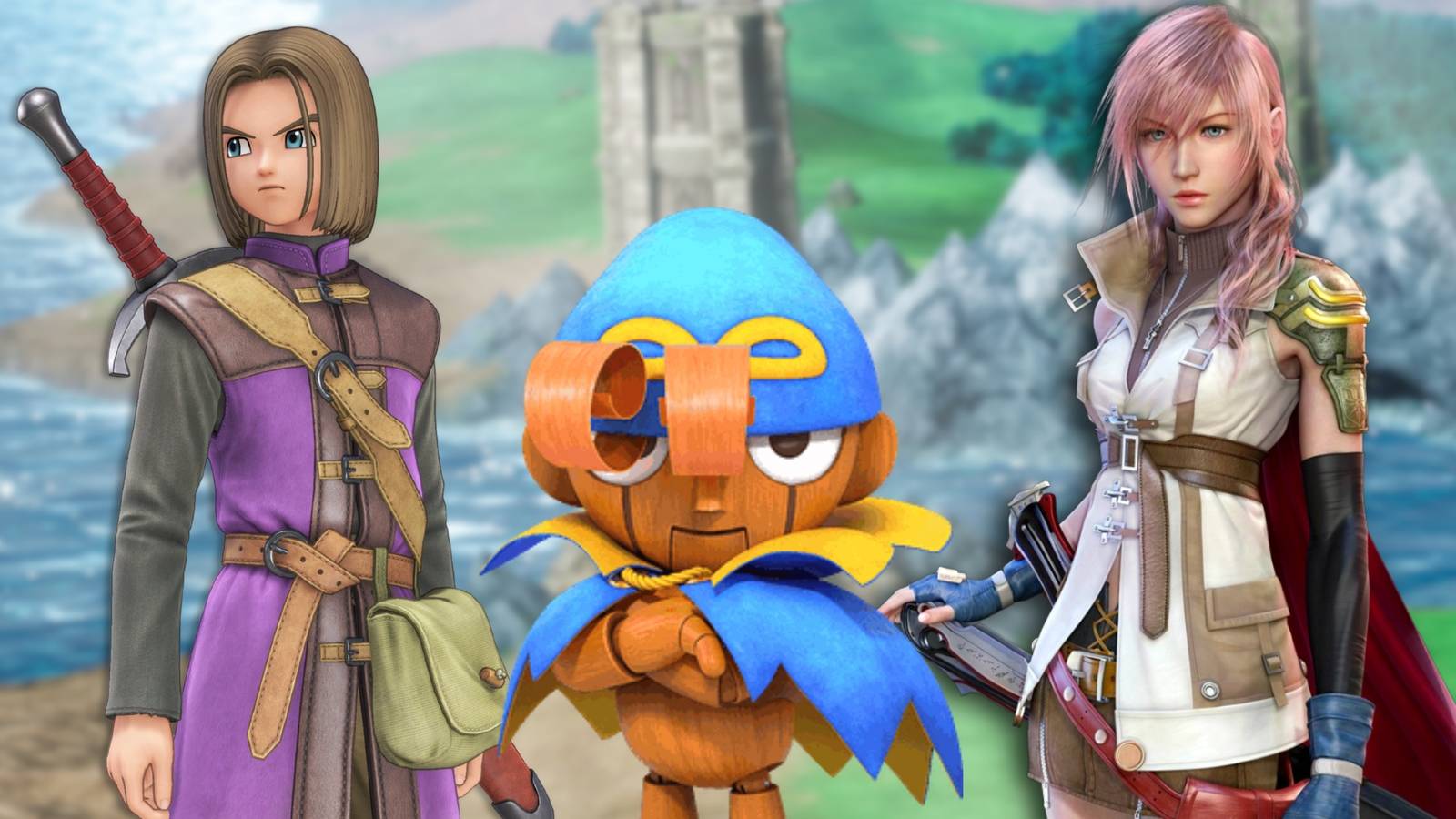
The "Luminary" of Dragon Quest XI is a refreshing departure from the amnesiac trope. From the opening sequence, the hero is aware of his lineage, his village, and his immediate responsibilities. He isn’t a blank slate; he is a young man thrust into a destiny he is actively trying to understand and fulfill. While his journey is one of discovery, it is not one of identity retrieval.

Implications:
By grounding the protagonist in a defined role within the world, Square Enix allowed players to connect with his journey as a hero coming of age rather than a detective solving the mystery of his own existence. The game’s massive, sprawling world feels more alive because the protagonist has a place within it from the very first hour.
2. Chrono Trigger
Often cited as the greatest JRPG of all time, Chrono Trigger utilized a narrative structure that demanded a protagonist who was already fully formed and ready to act.
A Timeless Archetype:
Crono is the quintessential 90s hero—a young man with a clear sense of duty. He isn’t suffering from trauma-induced memory loss; he is simply a boy who gets caught up in a time-traveling catastrophe. His silence isn’t a symptom of amnesia, but a design choice that lets his actions (and his inevitable sacrifice) speak for him.
Supporting Data:
Released in 1995, Chrono Trigger remains a benchmark for pacing. By not wasting time on the "Who am I?" arc, the game hits the ground running, introducing the player to the mechanics of time travel and the complexity of the plot within the first twenty minutes.
3. Yakuza: Like a Dragon
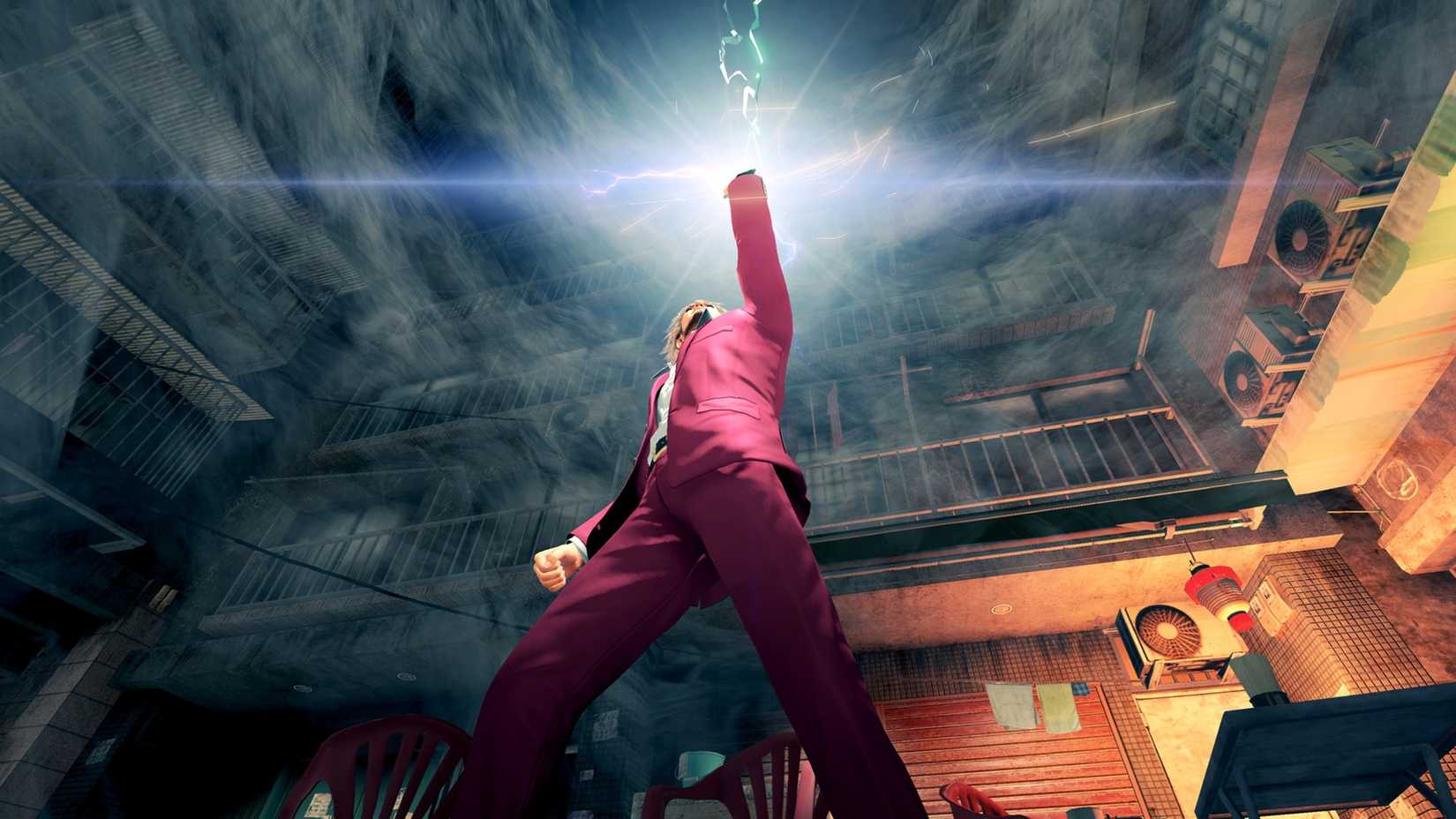
The Yakuza (now Like a Dragon) series took a massive gamble by shifting from a brawler to a turn-based JRPG, and it succeeded largely due to its new lead, Ichiban Kasuga.
The Anti-Blank Slate:
Ichiban is the antithesis of the stoic, amnesiac hero. He is loud, emotive, and acutely aware of his past—specifically, his time in prison and his devotion to his patriarch. His journey is driven by his memories, not the lack thereof.
Implications:
Ichiban’s history is the engine of the game’s emotional core. Because he remembers the betrayal he faced, the player feels his desire for redemption. It serves as a masterclass in how to build a JRPG around a character’s past rather than hiding it.
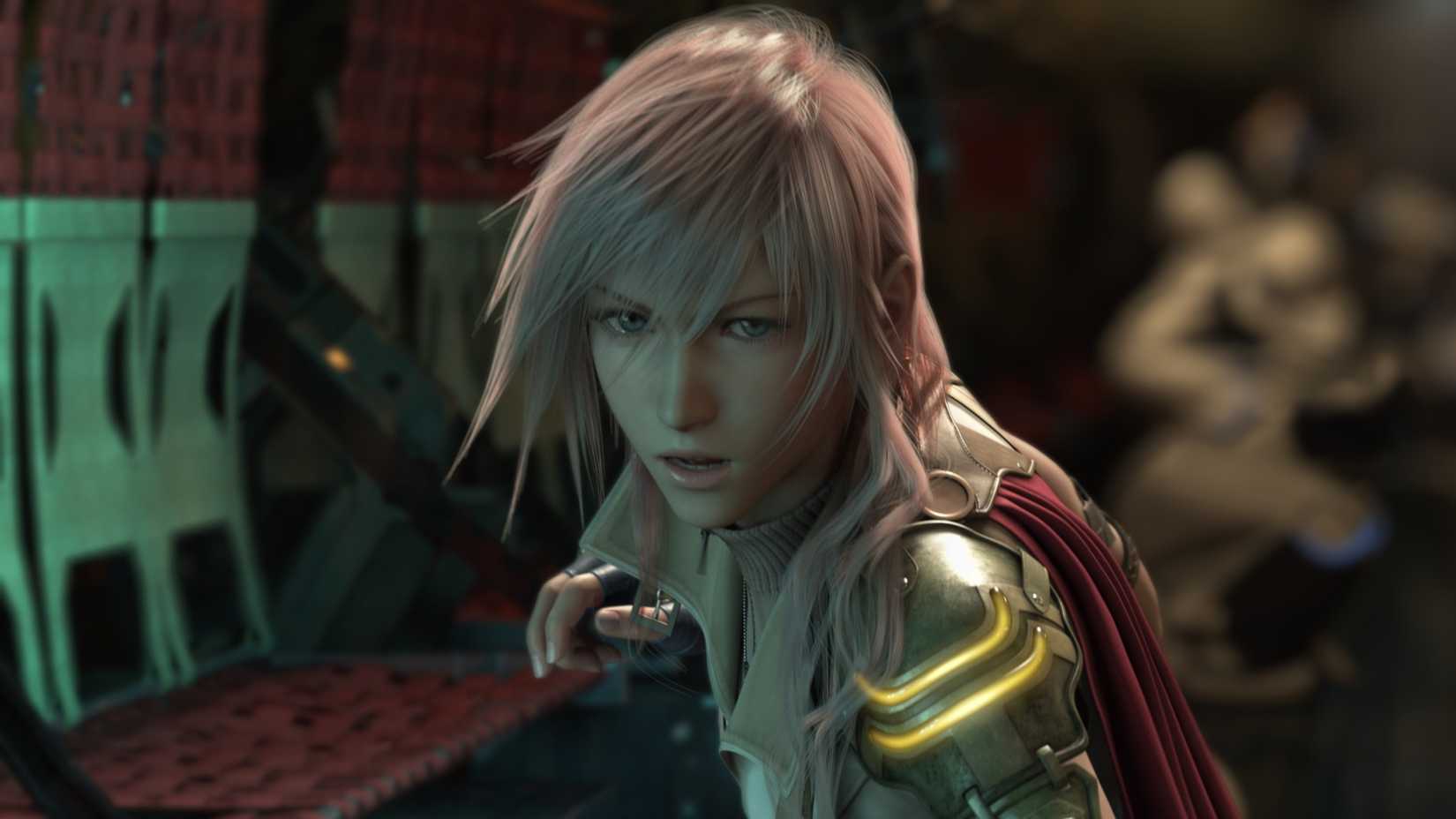
4. Final Fantasy XIII
While Final Fantasy has famously relied on the amnesiac trope (Cloud Strife and Squall Leonhart being prime examples), Final Fantasy XIII broke the cycle with Lightning.
Lightning’s Resolve:
Lightning is arguably the most clear-headed protagonist in the franchise’s history. She enters the narrative with a specific, singular goal: to save her sister. There is no confusion about her identity, only a fierce, unwavering commitment to her mission.
Official Stances:
Critics often point to the linearity of FFXIII as a flaw, but narratively, it forces the player to focus on the immediate psychological state of the cast. Lightning’s evolution from a cold, mission-focused soldier to a compassionate protector is far more compelling than a character struggling to recall their own name.
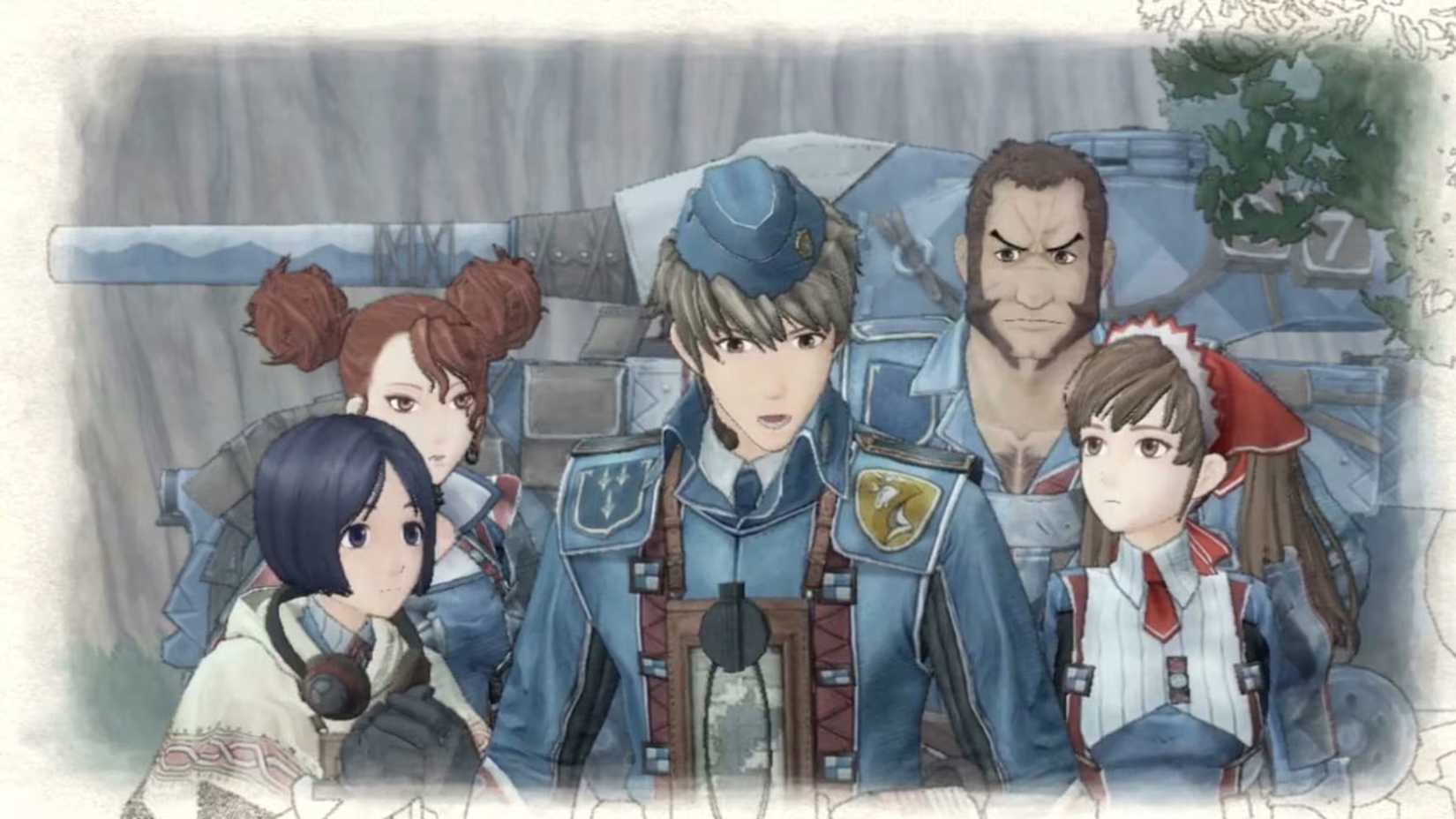
5. Valkyria Chronicles
Valkyria Chronicles combines tactical warfare with a watercolor aesthetic, presenting a story that is as much about the horrors of war as it is about the bonds between people.
Defining the Leads:
Welkin Gunther and Alicia Melchiott are defined by their backgrounds—one a naturalist, the other a baker. Their personalities, fears, and hopes are fully established before the first shot is fired.
Supporting Data:
The game’s tactical combat is heavily dependent on character synergy. If the protagonists were amnesiacs, the emotional weight of their interactions would be significantly diminished. Because they know exactly who they are and what they are fighting for, the stakes feel grounded and immediate.
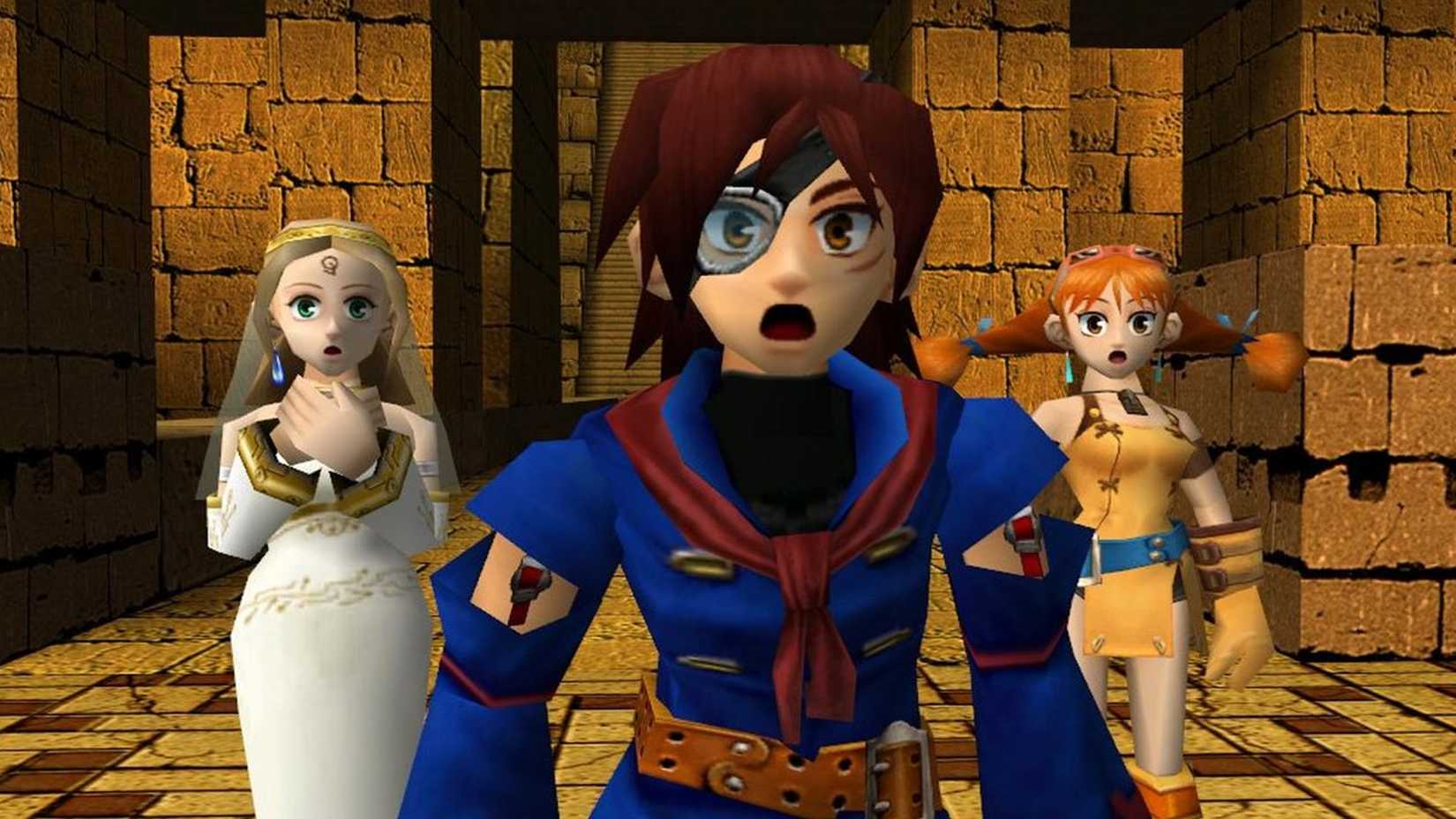
6. Skies of Arcadia
Released on the Sega Dreamcast, Skies of Arcadia is a game defined by its unbridled optimism and sense of adventure.
Ahoy, Adventure:
Vyse is a Blue Rogue who knows exactly who he is: a hero of the people. He doesn’t need to rediscover his purpose; his purpose is to fly, explore, and fight against the Valuan Empire. His self-assured nature is what makes him one of the most beloved protagonists in the genre.
Implications:
Skies of Arcadia proves that you don’t need a "mystery box" plot to keep a player engaged. A clear, charismatic hero and a vibrant world are often more than enough to sustain a 40-hour adventure.
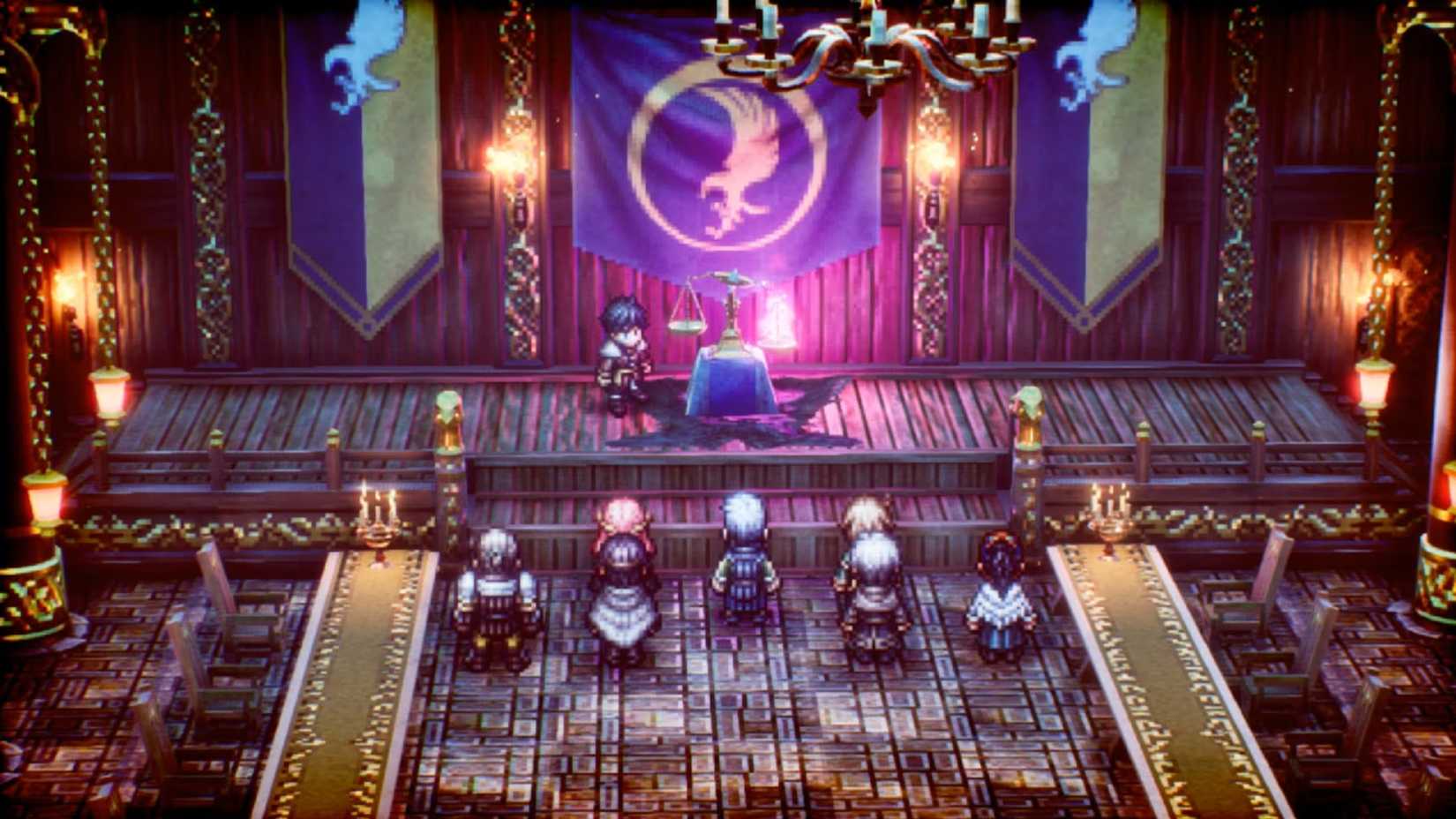
7. Triangle Strategy
Square Enix’s foray into the HD-2D tactical genre brought us Serenoa Wolffort, a protagonist who grapples with political maneuvering rather than lost memories.
The Burden of Leadership:
Serenoa is a lord of a house in a volatile kingdom. He is defined by his responsibilities, his father’s legacy, and the difficult choices he must make to keep his people alive.
Chronology of Choices:
The game’s branching narrative is entirely dependent on the player’s understanding of Serenoa’s position. If he were an amnesiac, he wouldn’t have the political weight required to make the decisions that drive the game’s core mechanics.
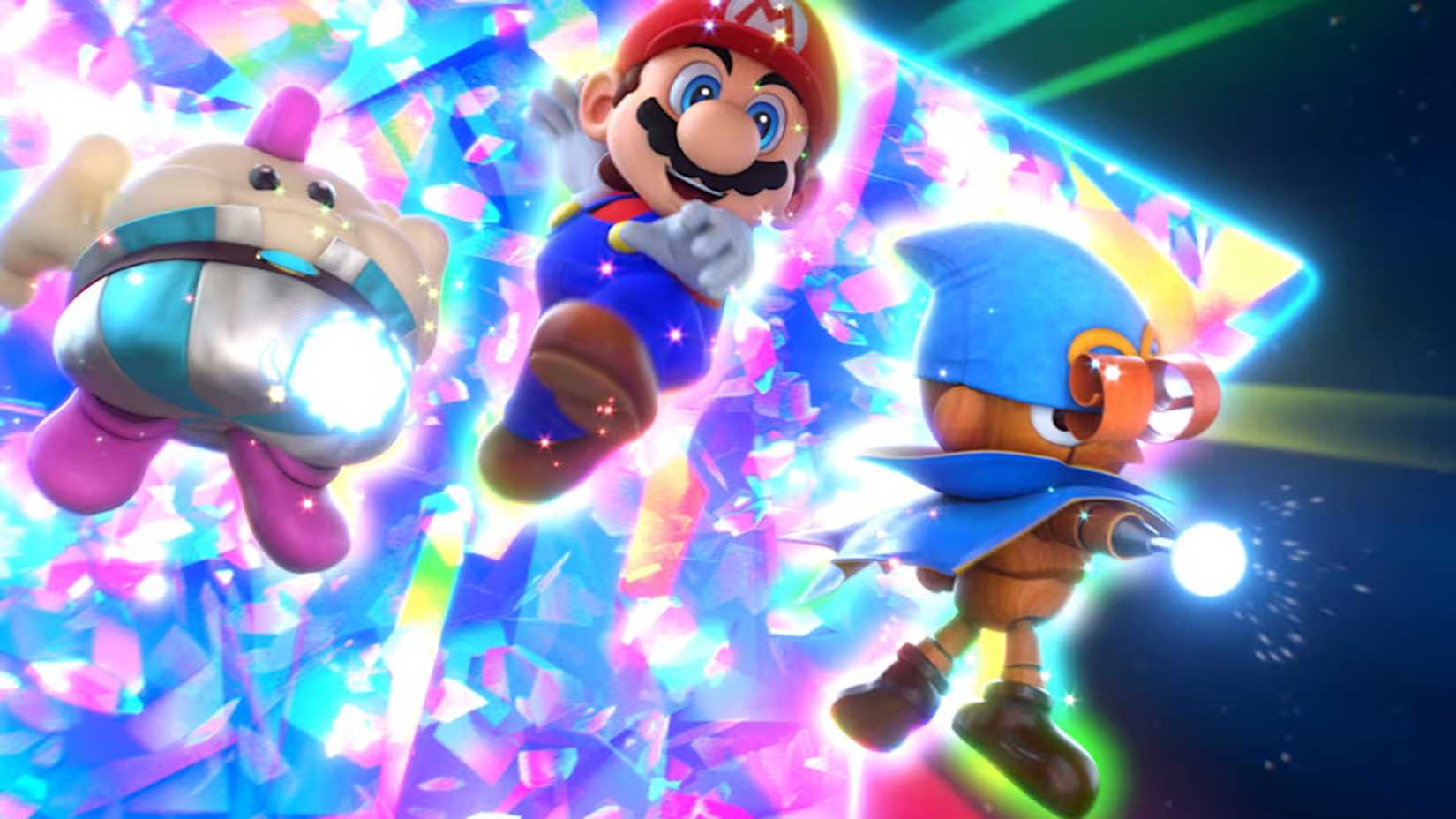
8. Super Mario RPG
It is perhaps the most famous example of a hero who needs no introduction.
A Timeless Classic:
Mario is the ultimate "known quantity." In his first RPG outing, he is simply Mario—no memory loss, no existential crisis. His adventure with Geno and Peach is a whimsical departure from his platforming roots, but he remains entirely himself throughout.
Supporting Data:
By keeping Mario as a recognizable icon, the game allows itself to get truly weird with its humor and subplots. It paves the way for the Mario & Luigi and Paper Mario series, proving that the JRPG genre doesn’t always need to be serious or mysterious to be effective.
Final Implications: The Future of the JRPG Hero
The shift away from the amnesiac trope reflects a broader change in gaming culture. Modern players are increasingly drawn to characters with agency, history, and distinct personalities. While the "blank slate" will always have a place in certain niche subgenres, the JRPG landscape is arguably healthier for its focus on complex, fully realized individuals.
As we look toward the future, the success of titles like Like a Dragon and Dragon Quest XI serves as a guidepost. Developers are learning that the most profound mysteries aren’t found in a character’s past, but in their future—in the choices they make when they know exactly who they are, where they come from, and what they are willing to lose for what they believe in.
The era of the amnesiac hero is not over, but it is certainly no longer the gold standard. In the world of high-stakes JRPG storytelling, clarity is the new mystery.


 Asro
Asro
 Muslim