

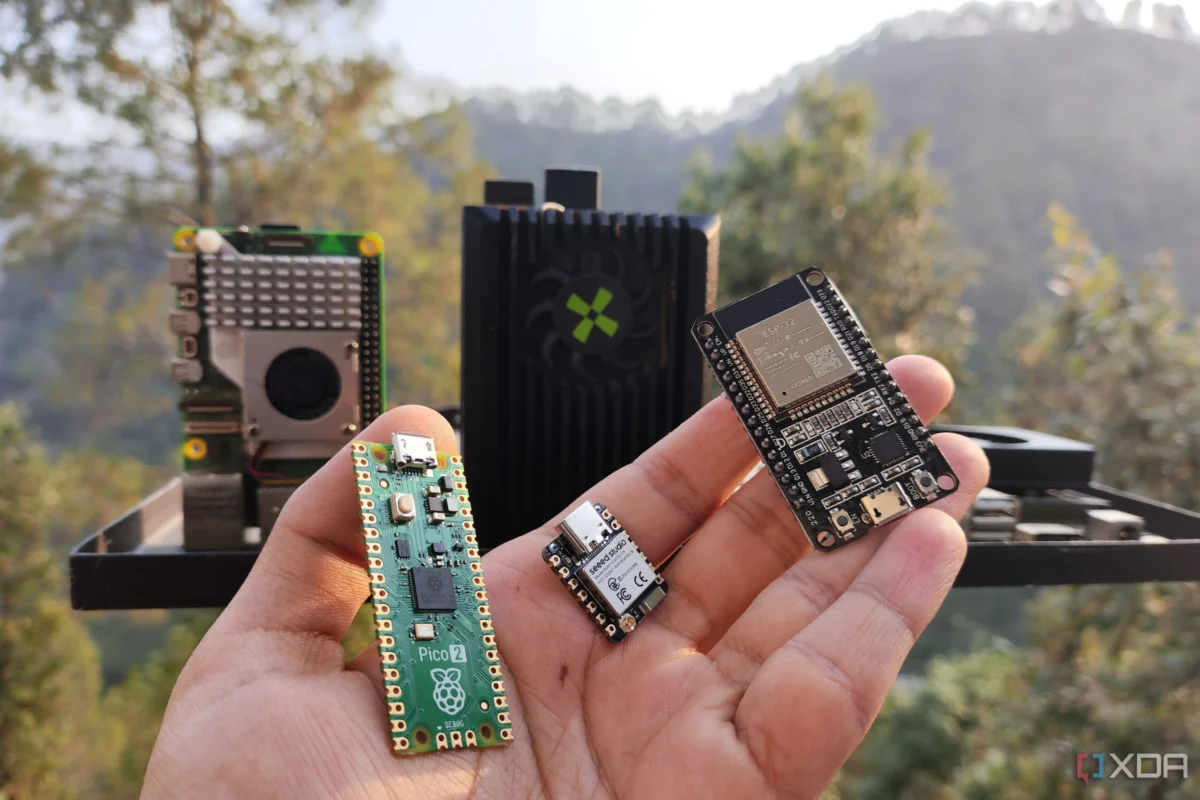
For over a decade, the Raspberry Pi has been the undisputed king of the DIY computing world. It was the gateway drug for millions of hobbyists, students, and engineers, providing a low-cost entry point into Linux, programming, and hardware hacking. However, as we cross the threshold of mid-2026, the technological landscape has evolved. The "one board for everything" philosophy that defined the late 2010s has been replaced by a more specialized, bifurcated market. For many modern projects, the mainline Raspberry Pi SBC—once the default choice—is now increasingly difficult to justify.
The State of the Industry: A Shift in Philosophy
The transition away from the monolithic dominance of the Raspberry Pi is not a failure of the product itself, but a reflection of the rapid maturation of the hardware ecosystem. In the past, the Raspberry Pi was a jack-of-all-trades. It could handle a basic web server, a retro-gaming console, and a GPIO-based weather station with equal proficiency.
Today, that "jack-of-all-trades" approach has become a liability. As software bloat increases and project requirements grow more demanding, the limitations of the ARM-based SBC become apparent. We are currently seeing a massive migration toward two distinct poles: ultra-low-power microcontrollers (MCUs) for hardware-centric tasks and high-performance, x86-based mini-PCs for compute-heavy applications.
Chronology of a Computing Evolution
To understand how we arrived here, we must look at the trajectory of the tinkering community over the last eight years:
- 2016–2019 (The Golden Era of RPi): The Raspberry Pi 3 and 4 were unrivaled. During this time, the community focused on learning Linux and basic automation. If a project needed a brain, the RPi was the go-to.
- 2020–2022 (The Supply Chain Crisis): The global chip shortage caused prices for Raspberry Pi boards to skyrocket. This forced hobbyists to look elsewhere. Brands like Radxa, Orange Pi, and the rise of ESP32 adoption surged as people realized they could achieve 80% of their goals for 20% of the cost.
- 2023–2025 (The Rise of x86 and Specialized MCUs): As mini-PCs (like the N100 series) became cheaper and more power-efficient, they began to eclipse the RPi in home server and virtualization use cases. Simultaneously, platforms like ESPHome simplified microcontroller programming, making the Pi overkill for simple sensor integration.
- 2026 (The Current Paradigm): We have reached a point where the "mainline" Raspberry Pi is caught in a "no-man’s land"—too expensive to compete with microcontrollers for simple tasks and too underpowered to compete with x86 hardware for server tasks.
Microcontrollers: The King of Efficiency
For projects that involve direct interaction with physical components—motors, light sensors, humidity probes, or relay switches—the Raspberry Pi has been largely rendered obsolete by microcontrollers (MCUs).
Why MCUs are Winning the Simple-Project War
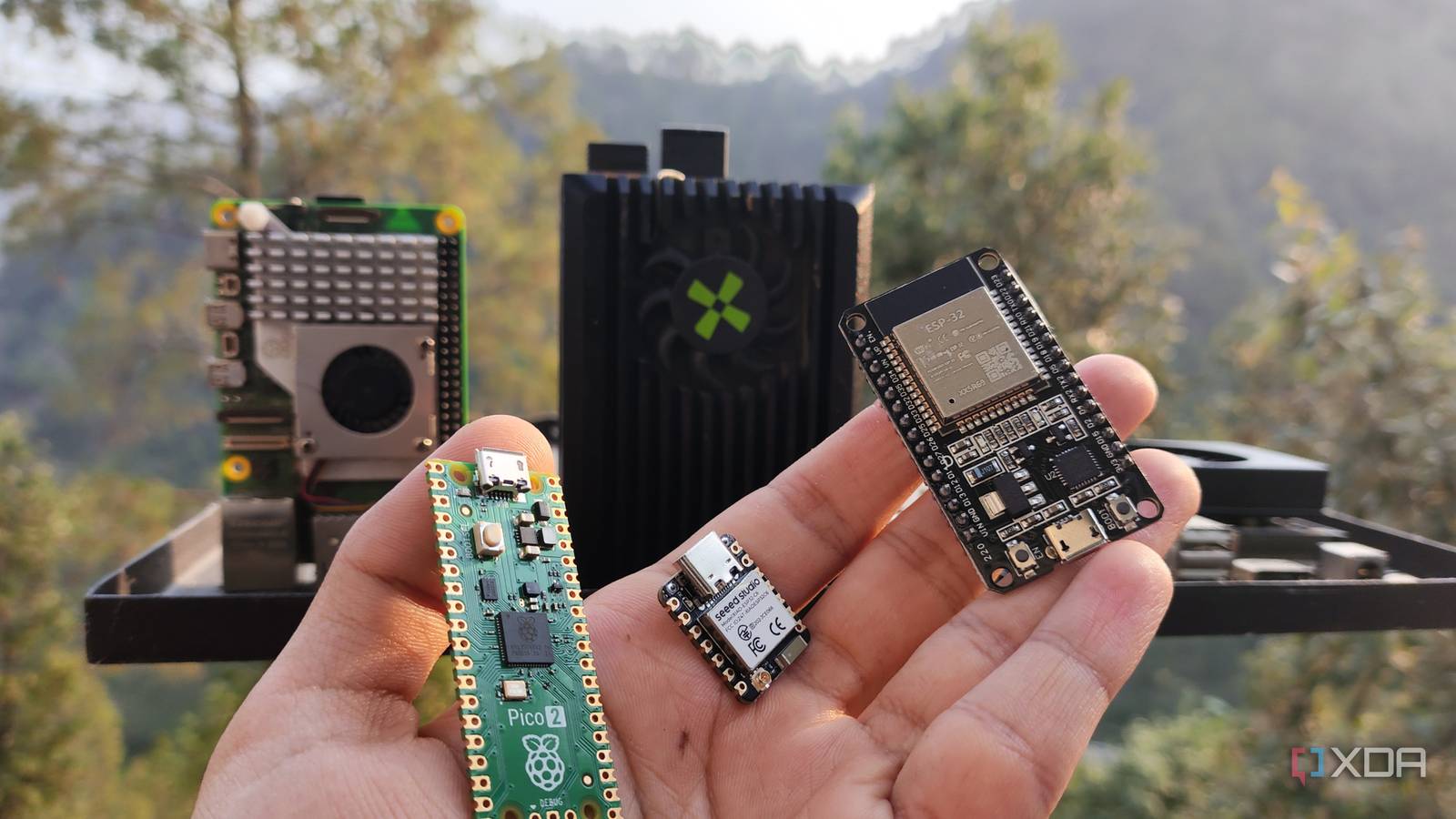
The primary issue with using a Raspberry Pi for simple circuitry is the overhead of a full operating system. A Linux-based SBC requires boot times, background daemons, and storage management that an MCU simply skips. The ESP32 and the Raspberry Pi Pico operate on a "bare-metal" or real-time operating system (RTOS) basis.

When you trigger a sensor on an ESP32, the response time is instantaneous. There is no latency caused by a background update process or a disk write operation. Furthermore, the power efficiency is incomparable. An ESP32 can run for months on a small lithium-ion battery, whereas a standard Raspberry Pi would drain the same power source in hours.
The Ecosystem Advantage
The rise of platforms like ESPHome has fundamentally changed how we build IoT devices. By writing a simple YAML configuration, a user can integrate a device into Home Assistant without writing a single line of C++. This ease of use has effectively neutralized the primary advantage the Raspberry Pi once held: "it’s easier to code."
The Case for x86: Horsepower Where It Matters
At the other end of the spectrum lies the x86 mini-PC. For years, the argument for using a Raspberry Pi as a home server was its low power draw. However, modern x86 hardware—specifically chips based on Intel’s Alder Lake-N series—has revolutionized this narrative.

Performance vs. Efficiency
A modern N100-based mini-PC offers a level of performance that makes a Raspberry Pi 5 feel sluggish. If you are running Docker containers, a Proxmox virtual machine, or a Plex media server with hardware transcoding, the x86 architecture is vastly superior. Not only does it support native x86-64 software (which is the industry standard), but it also avoids the architectural headaches often associated with ARM-based Linux distributions.
The "power efficiency" argument is also weakening. While a Raspberry Pi uses less electricity, an N100 mini-PC is remarkably efficient at idle. For a home server that is running 24/7, the few extra watts consumed by an x86 machine are often a negligible price to pay for the massive gain in computational overhead and software compatibility.
Implications for the Hobbyist and Developer
The current shift has profound implications for how we teach and practice DIY computing.
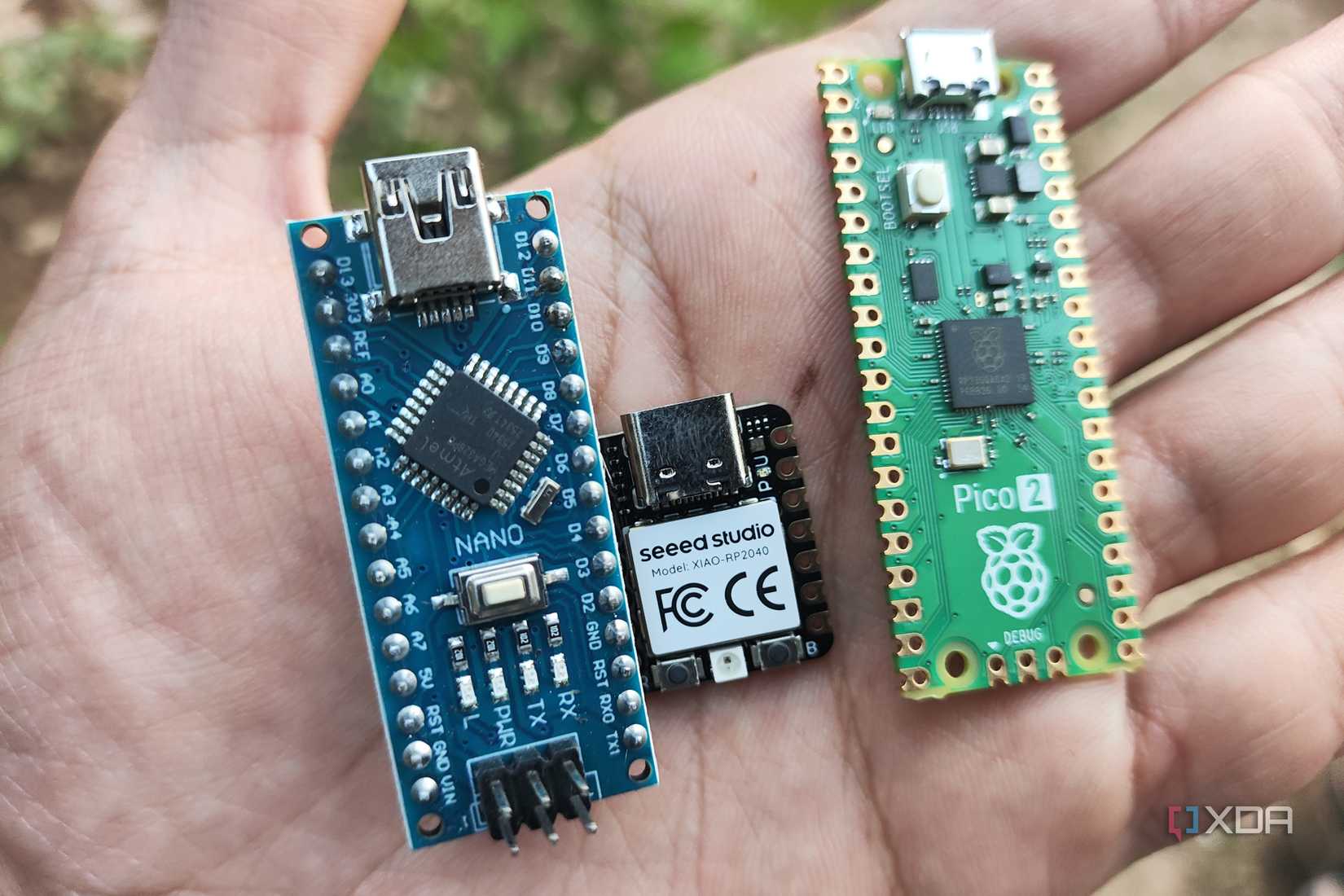
- Project Modularization: Instead of building one "Super Pi" that does everything, hobbyists are increasingly building "distributed systems." They use a $4 ESP32 to monitor temperature, a $200 x86 mini-PC to act as the central brain/server, and perhaps a Raspberry Pi Zero only for specific edge-case tasks that require a specific hardware interface.
- The "Death" of the Generalist: The era of the "everything" board is closing. If you are a beginner, you are now better off starting with an ESP32 for hardware fundamentals and a used thin-client PC for software/server fundamentals.
- Cost Efficiency: Beginners who follow the old advice of buying a Raspberry Pi 5 starter kit often spend over $150. By diversifying, that same $150 can purchase a fleet of specialized devices that perform better, last longer, and provide a more realistic understanding of how professional industrial computing is architected.
The Last Bastion: The Raspberry Pi Zero
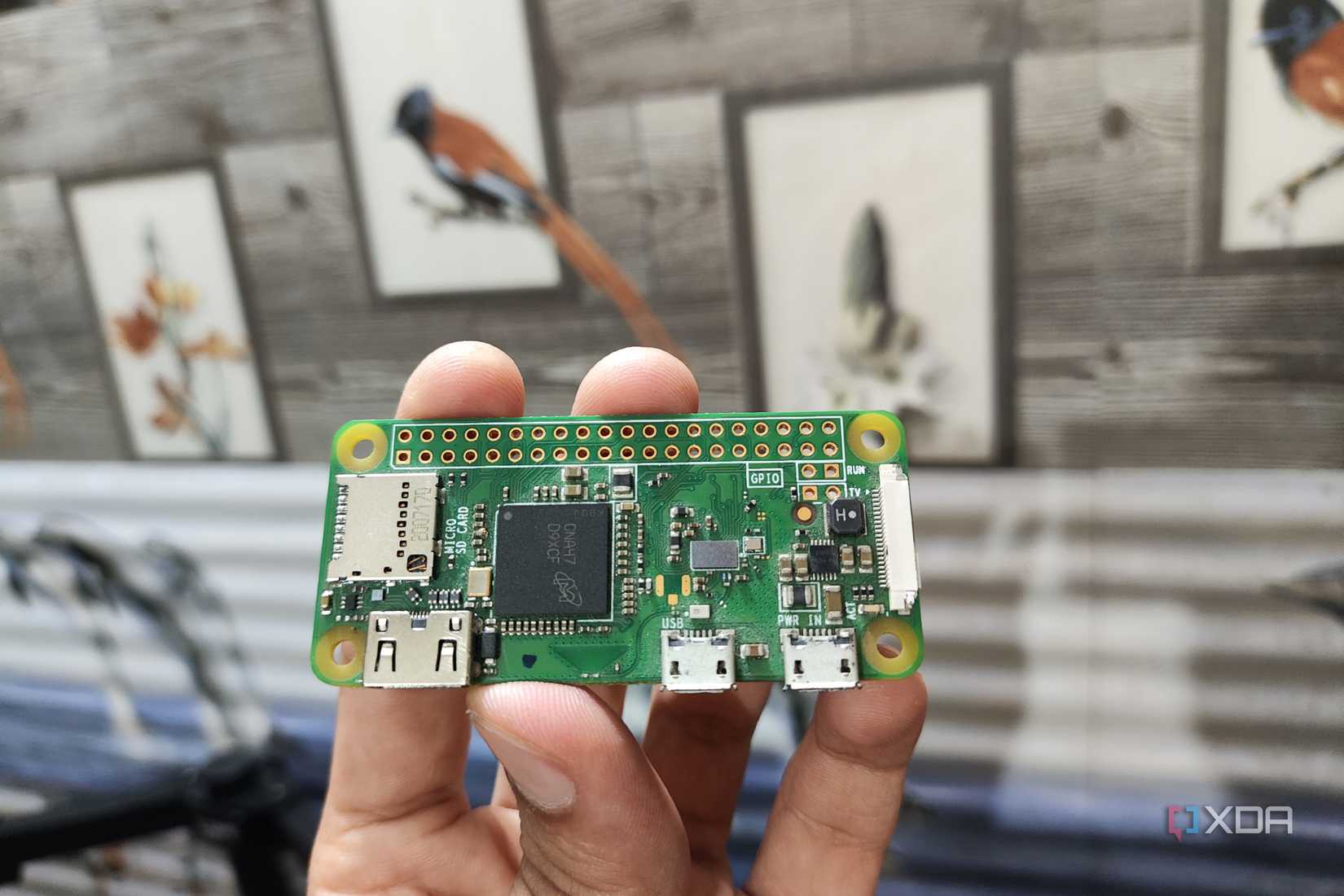
If there is one exception to this decline, it is the Raspberry Pi Zero series. It occupies a unique niche that neither high-end microcontrollers nor bulky mini-PCs can fill. It is a full Linux computer, but it is small, cheap, and has just enough power to serve as a bridge.
I often use the Zero as a "protocol converter." When I need a device to handle a specific USB-based interface or run a lightweight Python script that requires a Linux library that doesn’t exist on RTOS, the Zero is the perfect candidate. It is the "glue" that holds together a project that has grown beyond an MCU but isn’t complex enough to require a full-blown server.
Conclusion: The Path Forward
The Raspberry Pi foundation has done a masterful job of fostering a generation of engineers. However, the market has moved on, and it is time for the community to do the same. Blindly recommending a mainline Raspberry Pi for every project is no longer sound advice.
In 2026, the smart money is on specialization. We should embrace the microcontrollers that handle our hardware automation with grace and efficiency, and we should welcome the x86 mini-PCs that handle our digital infrastructure with power and reliability. The Raspberry Pi will always have a place in the tinkerers’ toolkit, but it is no longer the center of the universe. The future of DIY computing is decentralized, specialized, and, most importantly, more capable than ever before.












No comments yet. Be the first to join the conversation!