

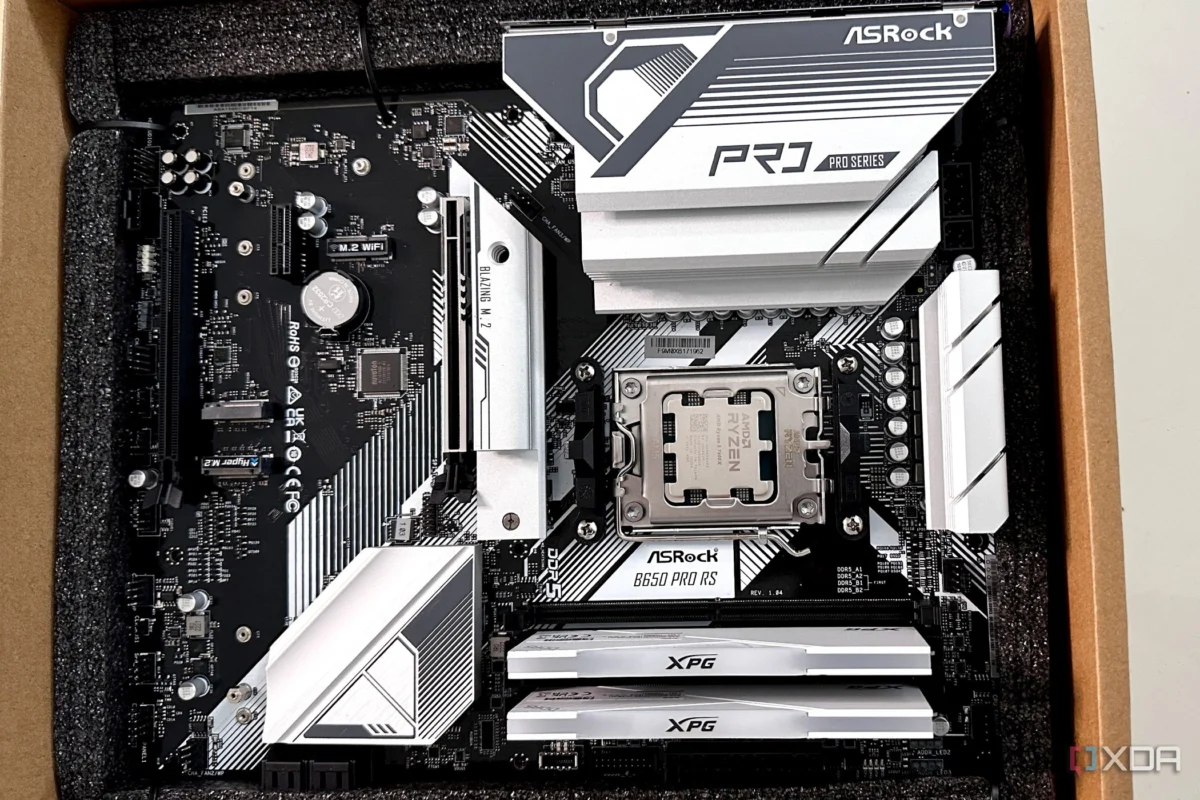
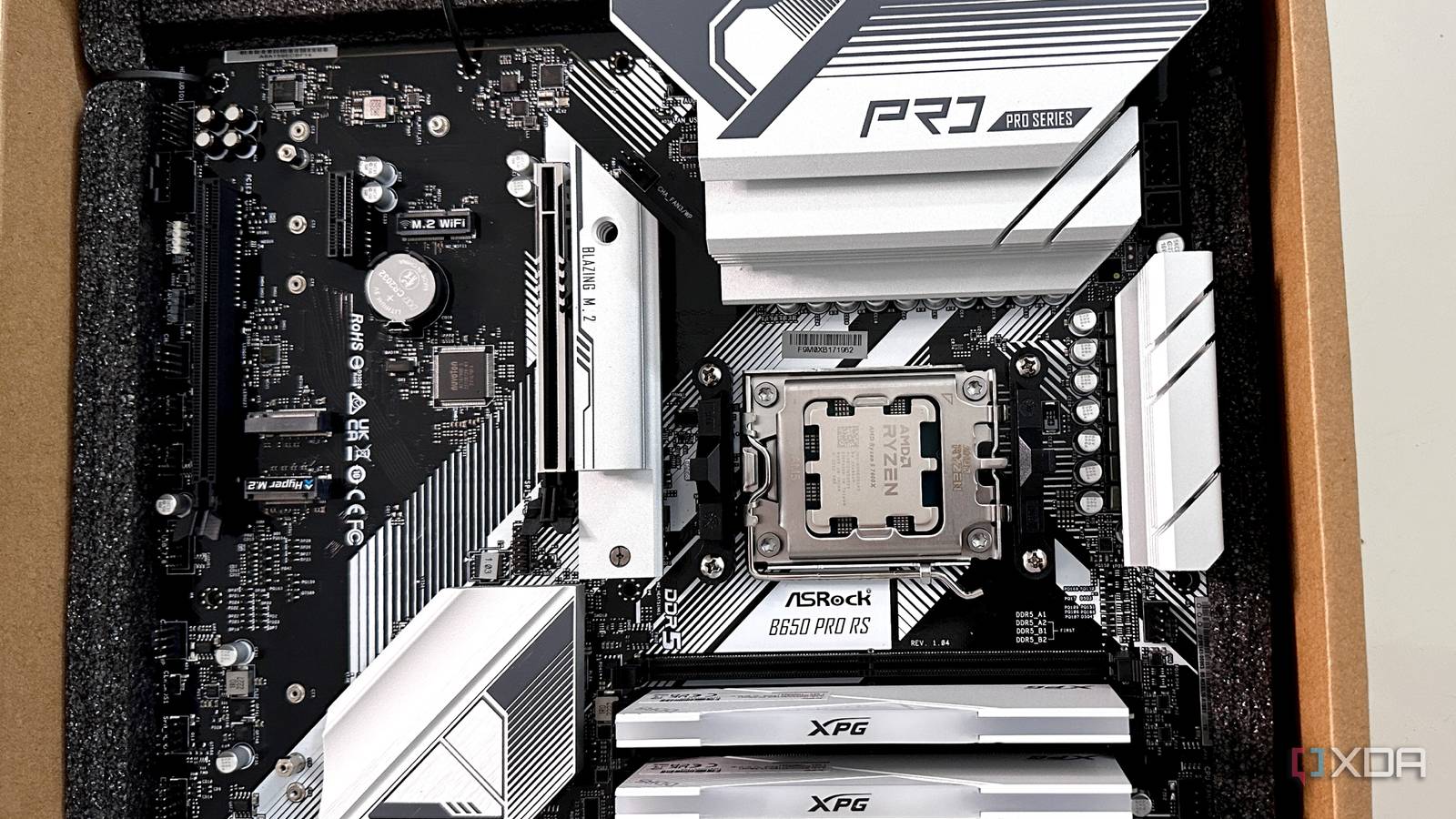
For years, the conventional wisdom among PC enthusiasts has been simple: "Put your money into the GPU and CPU, and get the cheapest motherboard that supports your features." For a long time, I was a firm believer in this mantra. As long as the chipset was compatible with my processor, provided enough slots for my RAM, and successfully posted every morning, I considered it a success. When I built my first true gaming rig three years ago, a B650 motherboard seemed like the sensible, pragmatic choice. Spending extra on an X670 or a high-end enthusiast board felt like paying for "fluff"—features I would never use and aesthetics that wouldn’t improve my frame rates.
However, as my usage patterns have shifted from casual gaming to a more demanding, complex ecosystem of content creation, multitasking, and hardware experimentation, my perspective has fundamentally changed. The motherboard is no longer just a passive carrier for my components; it is the infrastructure upon which my entire digital experience is built.
The Architecture of Connectivity: Why Bandwidth Matters
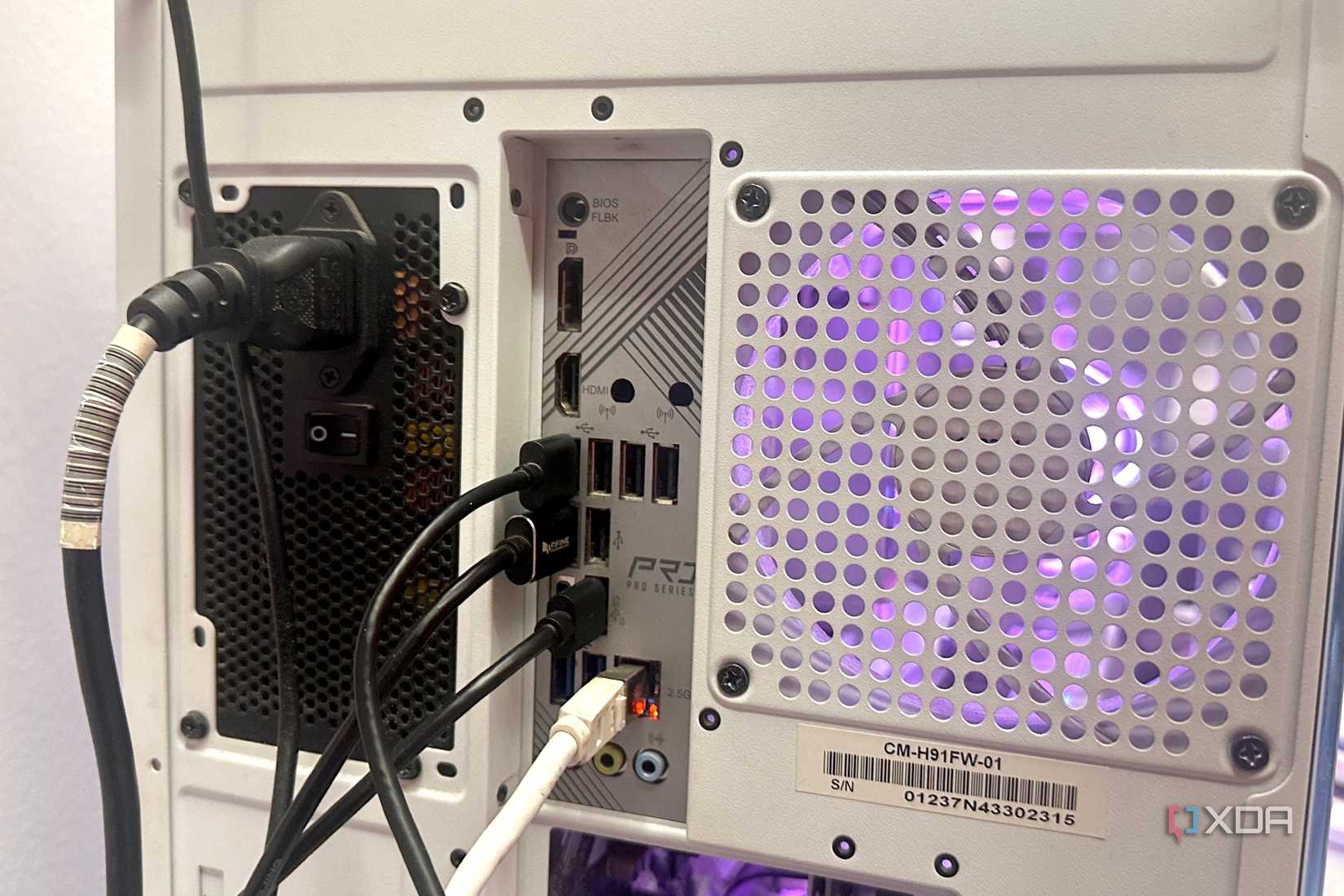
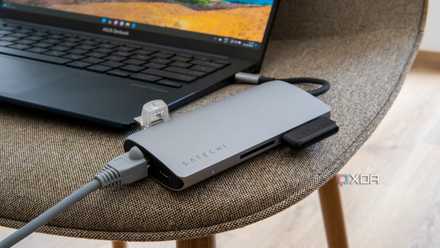
For the longest time, I viewed USB and rear I/O port counts as mere spec-sheet filler. The logic was sound: if you run out of ports, you simply buy a USB hub. It is a cost-effective solution that works perfectly well—until it doesn’t.
As I expanded my setup to include high-resolution webcams, high-fidelity wireless peripherals, external high-speed storage, and various 2.4GHz dongles, I hit a wall. Suddenly, my devices were fighting for the same limited bandwidth, leading to dropped frames on my camera, sluggish input from my mouse, and inconsistent transfer speeds from my external SSDs.

This is where the distinction between a budget board and a premium one becomes tangible. High-end motherboards do not just offer more ports; they offer a more sophisticated distribution of bandwidth and superior controllers. On a premium board, the power delivery to those ports is cleaner, and the lane allocation is more intelligent. An external drive won’t stutter, and a webcam won’t hitch, because the motherboard is designed to handle the heavy traffic of a power user’s ecosystem. Connectivity isn’t just about the number of holes on the back of your PC; it is about the reliability of the data highways leading to your CPU.
The VRM Revelation: Consistency Over Benchmark Numbers
Overclocking and manual tuning were, at one point, hobbies I dabbled in without much seriousness. My RTX 4070 Ti and my CPU were already powerful enough to handle any title at high settings, so I didn’t see the need to push them further. But as I began to experiment with undervolting, memory frequency tuning, and PBO (Precision Boost Overdrive) adjustments, I realized my B650 motherboard was the bottleneck.
The Voltage Regulator Modules (VRMs) on mid-range boards are often sufficient for stock operation, but they struggle under the pressure of sustained, fine-tuned performance. I found myself hitting "instability walls" that weren’t the fault of the CPU or the GPU, but the motherboard’s inability to provide clean, consistent power under load.
When you see high temperatures around your VRM heatsinks and experience random crashes during a render or a long gaming session, you realize that a better motherboard isn’t just for record-breaking overclockers. It is for anyone who wants their hardware to operate at its absolute peak with total stability. Investing in a board with robust power phases and substantial thermal solutions ensures that your expensive processor can "stretch its legs" without thermal throttling or power delivery inconsistencies. As I plan my future transition to a high-end X3D chip, the limitations of my current board have made it clear: an upgrade is no longer a luxury, but a necessity for longevity.
The PCIe Dilemma: Planning for Future Upgrades
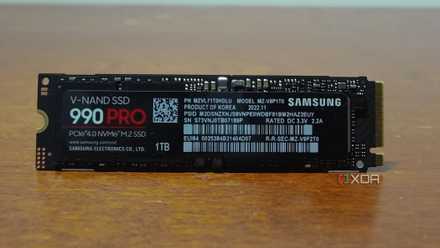
One of the most common mistakes I see in PC building—and one I made myself—is the "I’ll never need that much storage" fallacy. Two years ago, 2TB of Gen4 NVMe storage felt like an infinite ocean. Today, with AAA game installations frequently exceeding 150GB and my archive of raw video files growing, I am constantly forced to perform the "digital shuffle," deleting old games to make room for new ones.
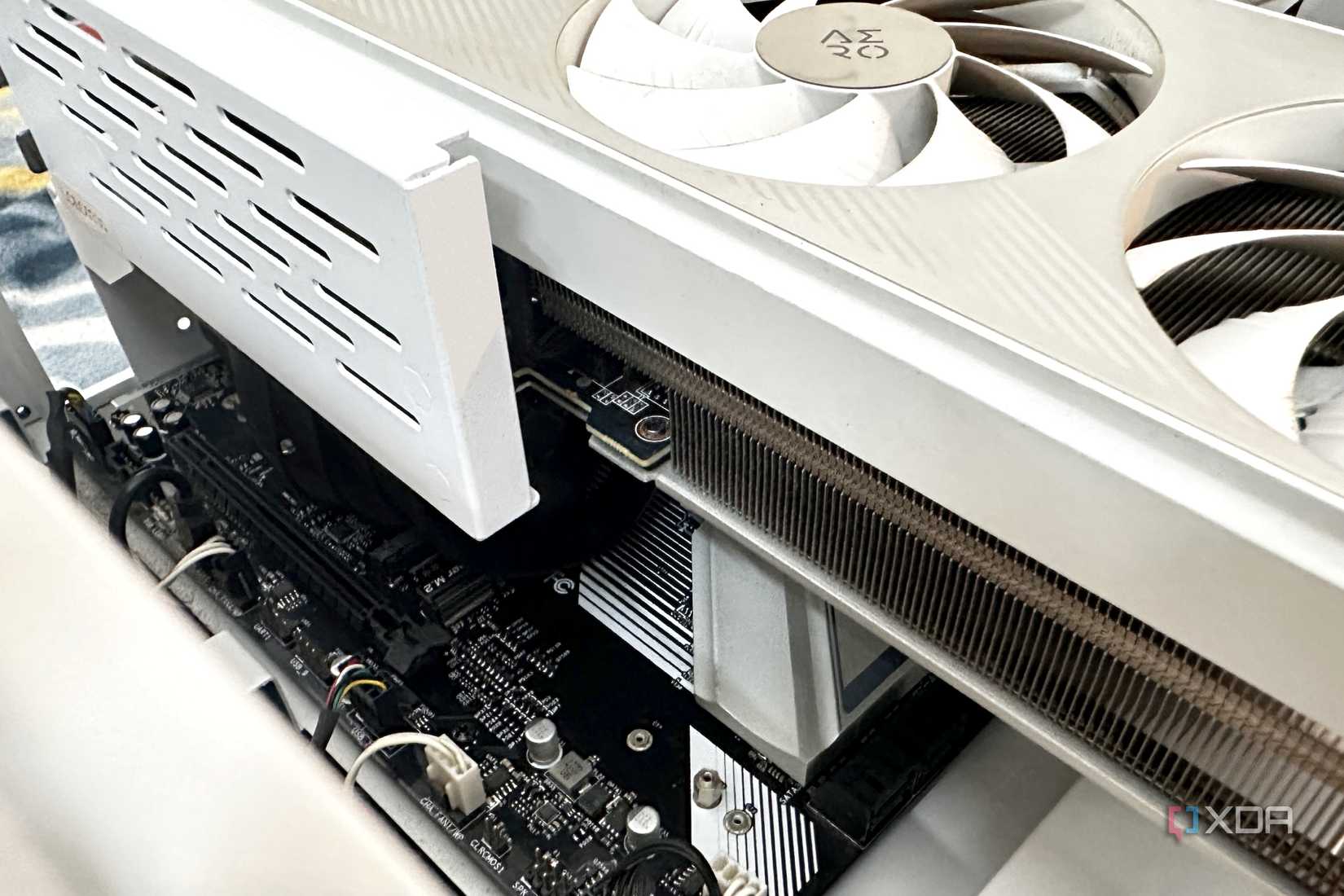
The issue arises when you try to expand. On many budget boards, secondary M.2 slots often share bandwidth with SATA ports or operate at reduced speeds. If you plug in a third or fourth SSD, you might suddenly find that your SATA drives disappear or your PCIe lanes are being throttled.
A high-end motherboard, by contrast, is designed to accommodate multiple high-speed devices without forcing them to compete for resources. When you consider the future of your build—adding a capture card, a high-speed networking card, or additional high-performance storage—you start to see the value in a board that doesn’t force you to negotiate with your own hardware. A good motherboard acts as a traffic controller; a great one ensures that no matter how much you add, every piece of hardware operates at its full potential.
Why Premium Boards Age Better
There is a specific economic argument to be made for buying a better motherboard: they age significantly better than other components.
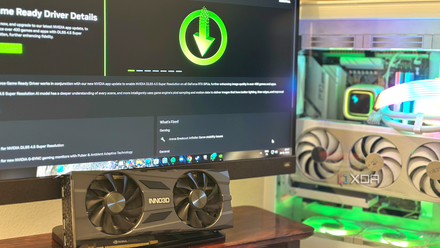
When you purchase a high-end motherboard, you are essentially purchasing a foundation that will support multiple generations of components. While a budget board might be restricted by its VRM capacity or its limited PCIe lane count, a premium board is often over-engineered. This "over-engineering" means that in three or four years, when you decide to swap out your CPU for a higher-wattage, more efficient model, your motherboard will be ready to handle it without requiring a complete teardown of your system.
By spending more upfront, you save money in the long run by avoiding the "hidden cost" of having to replace your motherboard just to upgrade your processor. You are paying for the flexibility to evolve your machine as your needs change.
Implications for the Modern User
The shift in my thinking has been profound. I have moved from seeing the motherboard as a "necessary evil" to seeing it as the most critical component for the longevity of a system.
Key Takeaways for Builders:
- Infrastructure, Not Luxury: For users who treat their PC as a workstation, creative studio, and gaming hub, the motherboard is the foundation. Treat it as such.
- Don’t Ignore the VRMs: If you plan on keeping your CPU for more than a few years or if you enjoy tuning your system, invest in a board with high-quality VRM cooling and power stages.
- Future-Proofing Your Storage: PCIe lanes and M.2 slot configuration are often overlooked. If you deal with large files or multiple drives, ensure your motherboard can handle them without bandwidth sharing.
- Connectivity is Key: As you build your ecosystem, the quality of your USB controllers and rear I/O connectivity will dictate how seamlessly your peripherals perform.
Conclusion: Who Are You Becoming?
Perhaps the most important lesson I’ve learned is that your future needs are rarely a reflection of your current ones. When I built my first PC, I was a gamer. Today, I am a creator, an archivist, and a hardware tinkerer. My needs changed, but my hardware—specifically my motherboard—remained frozen in a state of mid-range mediocrity.
The next time you sit down to put together a parts list, don’t just look at the raw specs of the GPU and CPU. Look at the motherboard and ask yourself: "Is this board going to limit the person I’m becoming in two years?" For many, the answer will lead them away from the budget options and toward a more robust, premium solution. A good PC rarely stays frozen in time, and your foundation should be just as dynamic as your ambitions.












No comments yet. Be the first to join the conversation!