
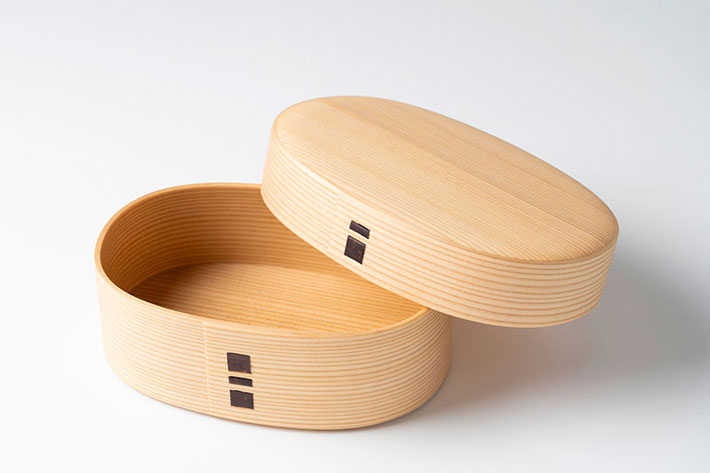
For centuries, the Japanese landscape has been defined by the gentle, aromatic grain of wood. It is a material that transcends mere utility, embedding itself into the spiritual, architectural, and culinary fabric of the nation. From the silent, towering pagodas of Nara to the meticulously crafted magewappa lunchboxes in modern kitchens, wood remains the heartbeat of Japanese material culture. As the world pivots toward sustainable development and renewable resources, Japan’s centuries-old expertise in timber is emerging not just as a cultural curiosity, but as a blueprint for the future of global construction.
The Architecture of Eternity: A Chronology of Mastery
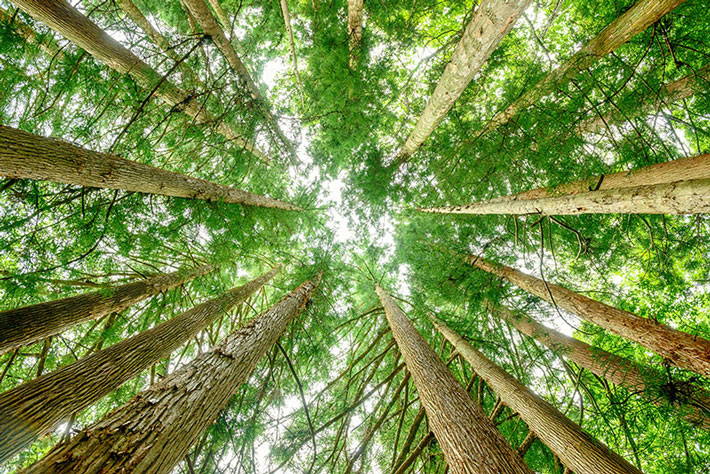
The relationship between Japan and its forests is one of symbiotic history. With approximately two-thirds of the country’s landmass covered in forests—ranging from lush broadleaf ecosystems to vast plantations of Sugi (Japanese cedar), Hinoki (Japanese cypress), Karamatsu (Japanese larch), and Todomatsu (fir)—the Japanese have evolved a sophisticated methodology for harvesting and utilizing these gifts.

A Timeline of Timber
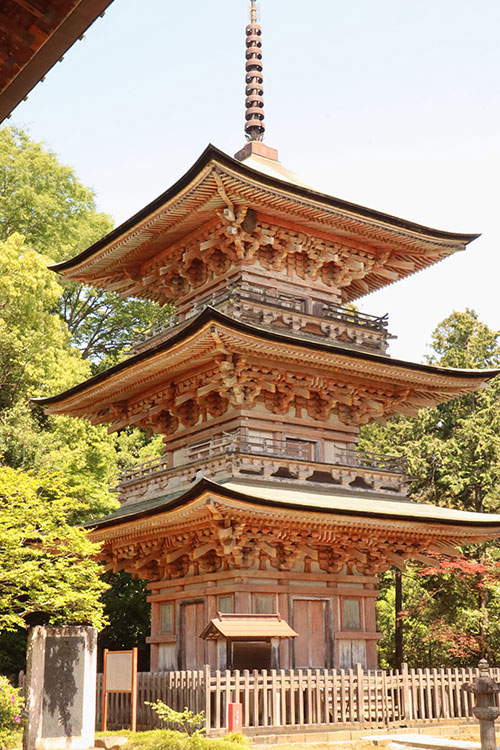
- The Ancient Era (7th Century – 12th Century): The construction of Hōryū-ji in Nara Prefecture marks the dawn of Japanese architectural endurance. Utilizing the natural rot-resistance and scent-rich properties of Hinoki, builders created structures that have defied the millennia.
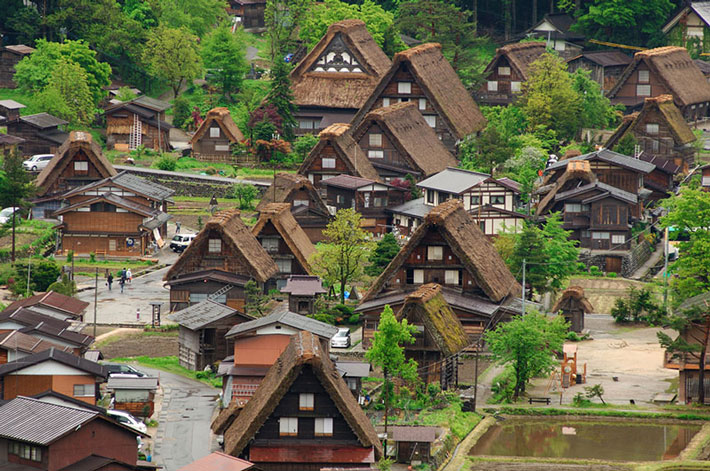
- The Edo Period (1603 – 1867): Wood became the primary medium for both the humble merchant house and the grand samurai residence. This era solidified the aesthetic philosophy of wabi-sabi, where the natural texture and grain of wood were celebrated rather than concealed.
- The Post-War Industrialization: Despite the introduction of concrete and steel, Japan’s commitment to wood remained steadfast, leading to a unique synthesis of traditional joinery and modern engineering.
- 2025 and Beyond: The completion of the main pavilion for Expo 2025 in Osaka stands as a landmark, demonstrating that even the world’s largest wooden structures can be built with modern, sustainable techniques, proving that wood remains the material of the future.
The Science of Sustainability: Supporting Data
What makes Japanese wood so uniquely prized? The answer lies in the intersection of biology and climate. Japan’s four distinct seasons and high-humidity environment force trees to grow in a specific, dense manner, resulting in lumber with superior grain integrity.
The Power of Species
- Hinoki (Japanese Cypress): Celebrated for its exceptional durability and natural oils that repel insects and fungi. It is the gold standard for temples and high-end construction.
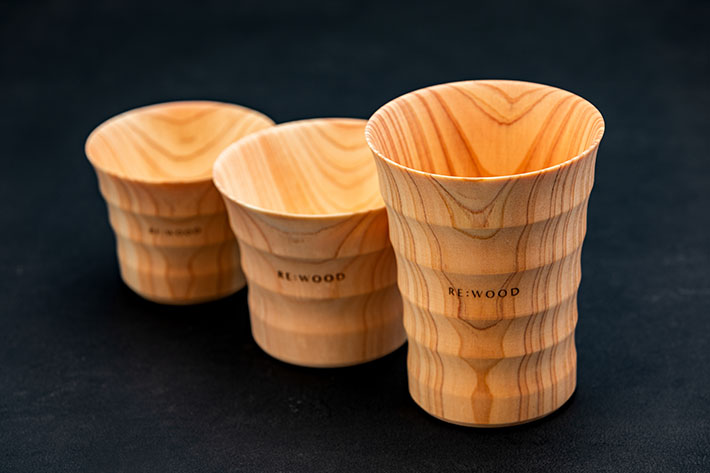
- Sugi (Japanese Cedar): A versatile powerhouse. Beyond its structural utility, Sugi possesses natural hygroscopic properties—it acts as a biological regulator, absorbing excess humidity and releasing it when the air is dry. This makes it the premier choice for magewappa containers, which keep food fresh by balancing moisture levels.
Technological Innovations in Wood Processing
The modern era has seen the emergence of "engineered durability." Through techniques like S-Tech (nitrogen heat treatment), engineers are now able to modify the molecular structure of wood. By heating timber to over 200°C (392°F) in a nitrogen-rich environment, manufacturers decompose the hemicellulose that usually leads to decay. The result is a product that is environmentally neutral—requiring no toxic chemical preservatives—yet capable of lasting decades in harsh exterior environments.
Furthermore, the development of termite-proof structural plywood, which embeds preservation technology deep within the core of the boards, is revolutionizing how we approach "hidden" structural elements like subflooring and exterior cladding.
Official Perspectives: Global Recognition and Quality Standards
The narrative of Japanese wood has shifted from domestic consumption to global influence. This shift reached a milestone in April 2024, when the American Lumber Standards Committee officially certified the structural integrity of Hinoki-based two-by-four dimension lumber.
"This recognition is not merely a logistical achievement; it is a validation of the quality and consistency that Japanese timber producers have maintained for generations," notes an industry analyst. The adoption of Japanese Hinoki in North American-style construction methods signifies that the global market is finally catching up to the standards that Japanese artisans have demanded for centuries.
The Japan Wood Products Export Association (JWPEA) has been instrumental in this transition, serving as a conduit for international businesses looking to source high-grade, sustainable timber. By providing transparency in the supply chain and technical documentation regarding the environmental benefits of Japanese wood, the association is ensuring that Japan’s forestry practices contribute to the global Sustainable Development Goals (SDGs).
The Socio-Economic Implications: Why Wood Matters Now
The shift back to wood is not just a stylistic preference; it is a climate necessity. As the world seeks to move away from carbon-heavy materials like steel and concrete, the renewable nature of wood presents a clear path forward.
Environmental Impact
Using wood for large-scale architecture acts as a "carbon bank." By harvesting timber from managed, renewable forests and turning it into long-lasting buildings, we effectively lock away carbon for generations. The innovations in Japanese preservative technologies ensure that these buildings do not require frequent replacement, thereby reducing the demand for raw material extraction and preventing unnecessary deforestation.
Cultural Identity and Functional Beauty
Beyond the environmental metrics, there is an intangible value to living in, eating from, and working with wood. The psychological benefits of wood—its warmth, its insulating properties, and its natural acoustic damping—are increasingly recognized in urban planning. In Japanese cuisine, the choice of wooden bowls is not just about tradition; it is about thermodynamics. Wood is a natural insulator, allowing a hot soup to be held comfortably while maintaining the temperature of the dish longer than ceramic or metal counterparts.
The Global Future
As international demand for high-quality, sustainable building materials grows, Japan finds itself in a unique position. By combining the ancestral knowledge of Hinoki and Sugi with cutting-edge, chemical-free processing technologies, Japan is offering the world a model of sustainable development.
The path forward, as demonstrated by current trends, involves a marriage of the old and the new. It is a philosophy that respects the life of the tree while utilizing modern science to extend that life indefinitely. As Expo 2025 showcases, the future of our urban centers may very well be made of the same material that sheltered the monks of Nara over a millennium ago.
For businesses and architects interested in exploring the use of Japanese timber, further resources and technical specifications can be found at the Japanese Wood Export Portal.