Reynand Wu
For decades, the health of the comic book industry has been measured through the narrow lens of the "direct market"—the network of specialty comic shops that sell monthly floppy issues. However, veteran writer Justin Jordan, known for his work on DC’s The Curse of Brimstone and Image Comics’ Luther Strode, suggests that this perspective is dangerously incomplete. In the digital age, the true pulse of sequential storytelling is beating far away from the local comic shop, in the massive, high-traffic ecosystem of Webtoons.
Jordan’s current project, Urban Animal, serves as a prime case study for this shift. With a consistent weekly readership of up to 100,000 and a subscriber base approaching half a million, the comic is not just a digital success—it is a blueprint for how creators can thrive in a post-print-exclusive world.
The Myth of the "Direct Market" Monopoly
Justin Jordan’s career is a microcosm of the modern comic professional’s journey. He has navigated the traditional landscape of "work-for-hire" at major publishers like DC and Valiant, while simultaneously carving out a name in creator-owned ventures at Image and Skybound. Yet, despite his high-profile print credits, his most significant audience engagement occurs on a platform that does not exist on a comic store shelf.
"I have a bad habit of saying ‘comics’ when what I am actually talking about is ‘direct market comics,’" Jordan notes. "We talk about comics being in trouble based on what’s happening in the direct market. But while the direct market has its ups and downs, comics—sequential storytelling—is enormously popular."
Jordan points to the staggering success of Dav Pilkey’s Dogman series, which commands print runs in the millions, and the consistent, robust sales of manga volumes as evidence that the public hunger for graphic narratives has never been higher. The difference is that while the direct market struggles to expand its demographic, digital platforms like Webtoons have tapped into a global, younger, and vastly more accessible audience.
Chronology of a Digital Hit
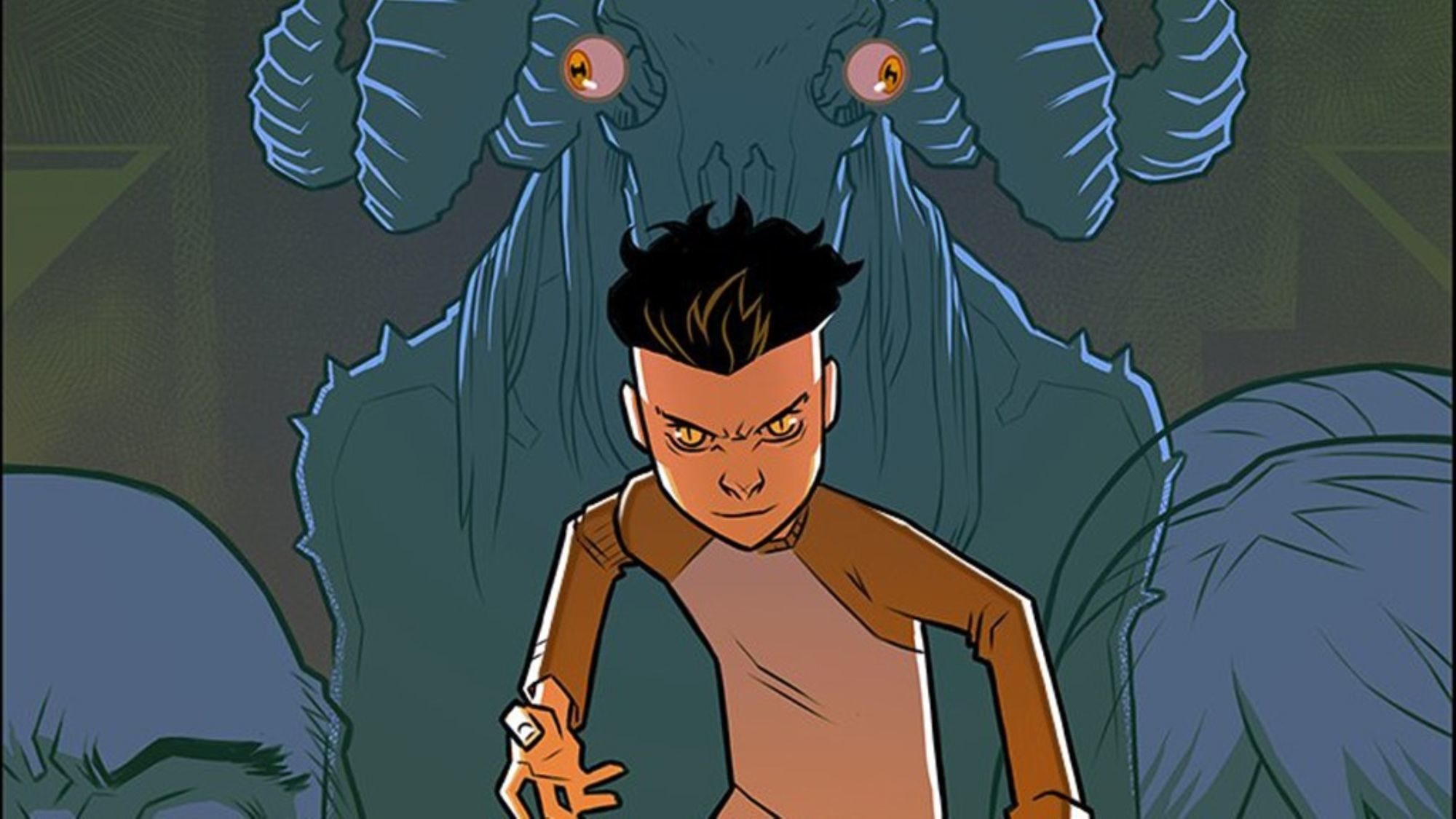
Urban Animal, created by Jordan alongside artist John Amor and letterer Micah Myers, follows the journey of Joe Gomez, a high-achieving high schooler who discovers he is a Chimera—a shape-shifting nature spirit.
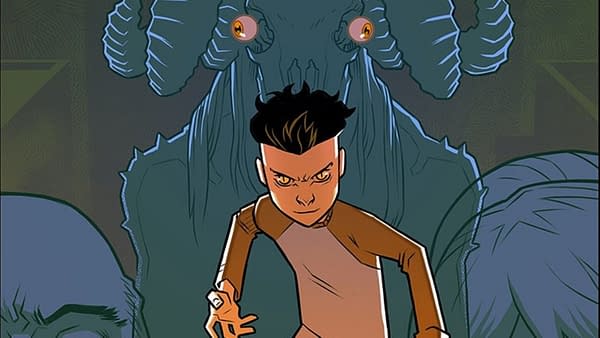
Since its launch, the series has undergone a rapid trajectory of growth:
- Initial Launch: The series debuted on the Webtoons platform, leveraging its unique vertical-scroll format to build a dedicated following.
- Rapid Scaling: Within a year, the series solidified a base of 100,000 weekly readers.
- Subscriber Milestones: The series reached 465,000 subscribers, a number that places it firmly in the "middle of the pack" for the platform, which hosts heavy hitters like Let’s Play with over 3.7 million subscribers.
- Transition to Print: Following the success of three full seasons, Jordan announced a partnership with Rocketship Entertainment to bring the digital story into the physical realm via a high-profile Kickstarter campaign.
The Economics of the Digital Frontier
How does a "free" webcomic generate a sustainable income? This is the question most frequently asked by traditionalists, and the answer lies in a multi-tiered monetization strategy.
The Fast Pass Model
Webtoons utilizes a "Fast Pass" system, allowing dedicated readers to pay roughly 50 cents per episode to read content before it is released to the general public. While this may seem small on a per-transaction basis, the aggregate effect is significant. Jordan estimates a minimum of 4,000 active paying users per week—a figure that, while modest by blockbuster print standards, provides a reliable, recurring revenue stream.

Licensing vs. Ownership
Perhaps the most transformative aspect of Jordan’s model is the legal structure of his deal. Unlike many creator-owned print contracts where the publisher gains partial ownership of the intellectual property, the Webtoons deal functions closer to a professional licensing agreement.
"We’re getting a license fee that gives them exclusive rights to it for a certain period of time, and then we can do whatever we want with it," Jordan explains. This allows the creative team to maintain long-term control over their work, enabling them to pursue merchandising and secondary publishing rights without the tangled legal webs often found in traditional publishing.
The Power of Crowdfunding
The transition to physical media represents the final stage of the Urban Animal business cycle. By partnering with Rocketship Entertainment—a publisher that specializes in converting successful digital webtoons into high-quality print collections—Jordan is bypassing the traditional distributor-heavy model. The upcoming Kickstarter is not just a fundraising effort; it is a direct marketing tool that connects the digital audience with a physical product, further diversifying the comic’s income streams.

Implications for the Future of Comics
The success of Urban Animal suggests that the industry is undergoing a structural bifurcation. The direct market will likely remain a bastion for collectors and enthusiasts, but the mass-market consumption of comics is moving decisively toward digital platforms.
The "Hyperserialized" Format
The format of webtoons—short, vertical, and updated weekly—has changed how Jordan writes. The rhythm of storytelling is dictated by the scroll, creating a "hyperserialized" experience that keeps readers engaged on a continuous loop. This format encourages daily or weekly check-ins, creating a "stickiness" that a monthly 22-page floppy simply cannot replicate.
Accessibility as a Growth Metric
The "free to read" model, often criticized for devaluing the medium, is actually the engine of its growth. By removing the barrier to entry (the $3.99 cover price), Urban Animal has successfully converted hundreds of thousands of people into regular readers. The monetization comes only after the reader has formed a parasocial relationship with the story and its characters.
The Decline of the Gatekeeper
The rise of digital-first comics diminishes the power of the traditional publisher gatekeeper. Creators like Jordan are increasingly acting as entrepreneurs, managing their own digital distribution, promotional campaigns, and community engagement. When an author can reach half a million subscribers without a single comic shop order form, the traditional "top 300" sales charts become less of a benchmark for success and more of an artifact of a bygone era.
A New Era for Sequential Storytelling
Justin Jordan’s experience with Urban Animal underscores a vital reality: the audience is not disappearing; it is migrating. While the direct market grapples with aging demographics and logistical hurdles, the digital landscape is flourishing, supported by direct-to-consumer monetization and high-volume engagement.
As the industry moves forward, the success of titles like Urban Animal will likely pressure traditional publishers to reconsider their distribution models. Whether through hybrid publishing deals, increased investment in digital-first original content, or a greater reliance on crowdfunding, the traditional players must adapt to the "webtoon effect."
For creators, the message is clear: if you can build a community, the economics will follow. As Jordan prepares to bring his digital hit to physical shelves, he proves that in the modern era, the best way to save the comic book industry isn’t by trying to preserve the past, but by embracing the digital tools that are currently building the future.

 Asro
Asro
 Raul Delapena Setiawan